
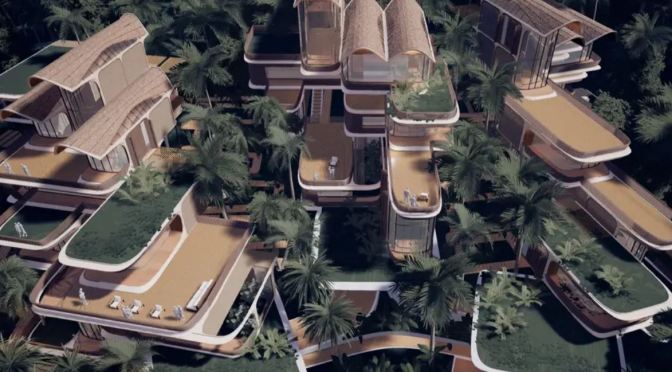
 The first residential units on Roatán Próspera are a case study in local sustainability and global integration. Combining the most advanced modular construction techniques with sustainably-sourced local materials, the design and planning for the first dwellings in Próspera is a tangible example of the dramatic shift in development methodologies taking place around the world.
The people of neighboring settlements will take part in construction and management and part of the purchase of each residence goes toward the construction of a sister residence in the neighboring community.
Roatán Próspera rethinks the whole design and conventional delivery approach to development, starting from understanding the local supply chain, logistics, energy and economical aspects as a basis to engage technologically-curious, ecologically-minded, entrepreneurial building contractors. Local labor and methods are engaged for construction methodologies and logistics of supply, procurement, and assembly in Roatán.

 The brief: A bed amidst the trees; a shower amongst the rocks, the site sits in a nature conservation in rural South Africa; where trees and shrubs and rocks create the architectural backdrop for any home.

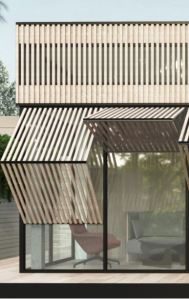 When governor Jerry Brown signed a law that made Accessory Dwelling Units (ADUs) legal in California, it started a revolution in the ways that homeowners, builders and city planners think of small living. Homeowners’ applications for these small backyard buildings have skyrocketed after this regulatory reform in 2018.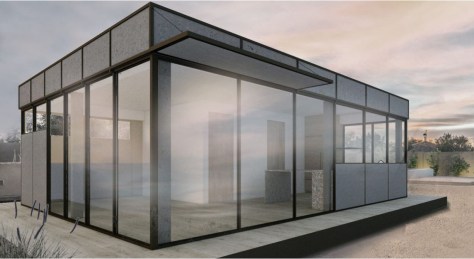

 We visit the highest rooftop in Australia, to learn about a skyscraper providing a refreshing change from the usual cookie-cutter projects that dot the country’s east coast.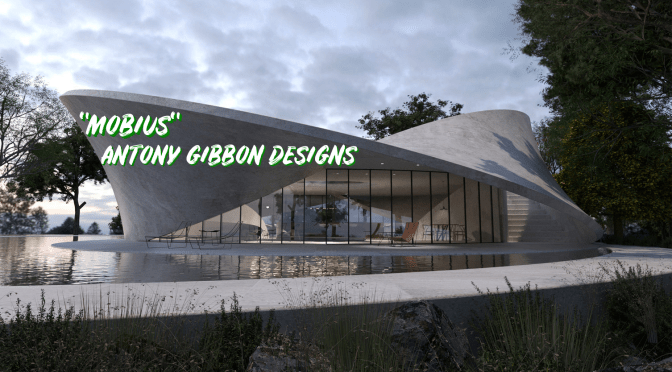
 Embracing nature’s forms as a source of inspiration and pushing the boundaries of architectural design, Antony’s body of work has gained world-wide recognition and been featured in Vanity Fair, New York Times, Huffington Post, Dezeen, Dwell, Designboom and the Secret Homes Television series.
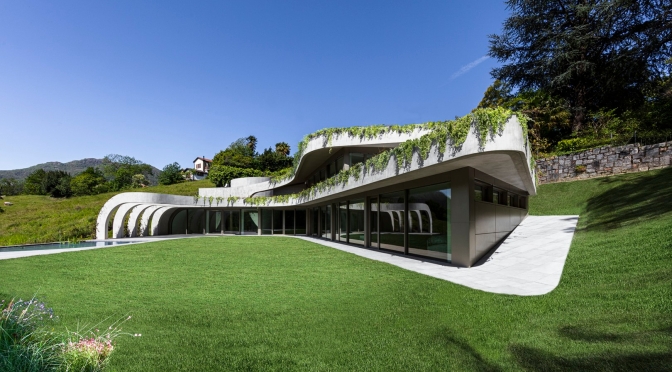
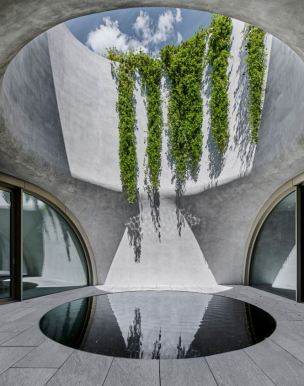 Atelier Alice Trepp, located in Origlio, a small and stunning village, is an atelier designed for Alice Trepp, an Ecuadorian sculptress. The site is characterized by a gentle descending slope, the view of the pastures and of Monte Tamaro, and the coolness given by the lake.
  The shape develops from the analysis of the contour lines and the folding of two of them upwards, under which the building is inserted by cutting out sinuous spaces and movements. The volumes take shape like leaves lifted from the ground, so that the architecture actually seems to be a part of Earth itself.
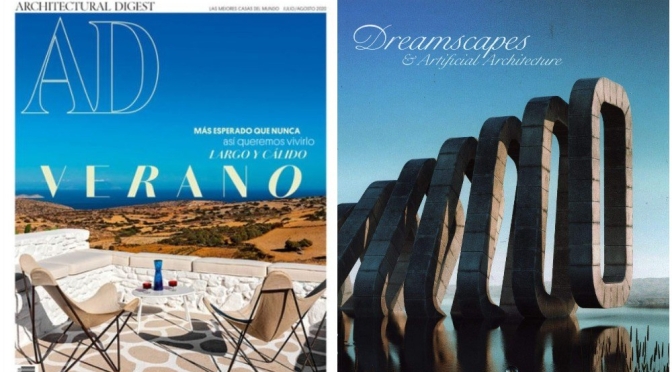
 Monocle 24’s ‘The Stack’ speaks with Enric Pastor, editor-in-chief of ‘AD Spain’. Plus: ‘Dreamscapes & Artificial Architecture’ from Gestalten and we meet the founder of travel publisher Wildsam.

 A micro-housing concept for Häfele, the leading manufacturer of architectural and furniture, lighting, and hardware. Designed to take advantage of Häfele’s comprehensive product line in both conventional and speculative ways and to position the brand as a resource for emerging models of living…
 Boomers Daily