A selection of three essential articles read aloud from the latest issue of The Economist. This week, Rishi Sunak’s promise of stability is a low bar for Britain, (10:35) the risks of Bidenomics and (18:20) will Iran’s women win?
Category Archives: Analysis

News: Midterm Election Campaign, House Speaker Pelosi Husband Assaulted

Opinion: A Global House Price Slump, Xi Jinping Era Untied, Antidepressants
A selection of three essential articles read aloud from the latest issue of The Economist. This week, the coming house-price slump, why Xi Jinping has no interest in succession planning (10:10) and how to make better use of antidepressants (19:29).
Political Analysis: U.S. Midterm Election Issues And UK Tory Party Chaos


Foreign Affairs: The U.S. Vs China Military Bases (WSJ)


Rising Inflation: The Shelter Index Explained
Changes in the housing market are often delayed in inflation data, which can make things difficult for the Fed. Housing is one of the most weighted categories when tracking inflation, but it’s also one of the most complicated to measure. WSJ’s David Harrison explains how the shelter index is calculated, and why it can muddy the inflation outlook for the Fed. Illustration: Laura Kammermann

Opinion: Xi Tightens His Grip, Emerging Market Calm, Legalizing Cocaine
A selection of three essential articles read aloud from the latest issue of The Economist. This week, China’s next chapter, why emerging markets look unusually resilient (10:05) and why it is time to legalise cocaine (15:40).
An obsession with control is making China weaker but more dangerous
The Communist Party’s five-yearly congress will further tighten one man’s grip
Political Analysis: Jan. 6 Panel Subpoenas Trump And Midterm Elections
New York Times columnist David Brooks and Washington Post associate editor Jonathan Capehart join Judy Woodruff to discuss the week in politics, including the Jan. 6 Committee’s decision to subpoena former President Trump and what’s at stake in the upcoming midterm elections.
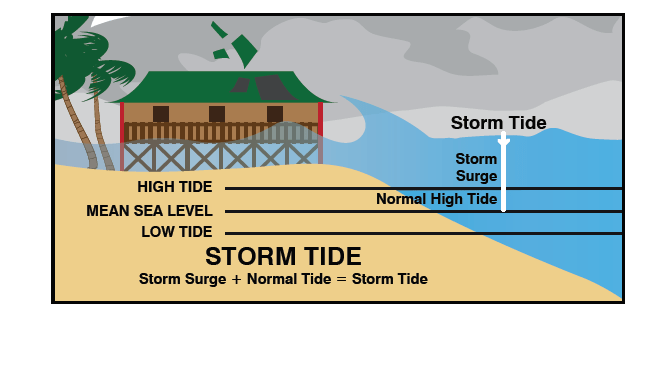
Hurricanes: Why Storm Surge Can Be So Deadly
Storm surge is the deadliest part of a hurricane. Discover what causes this effect, and which regions are most at risk.
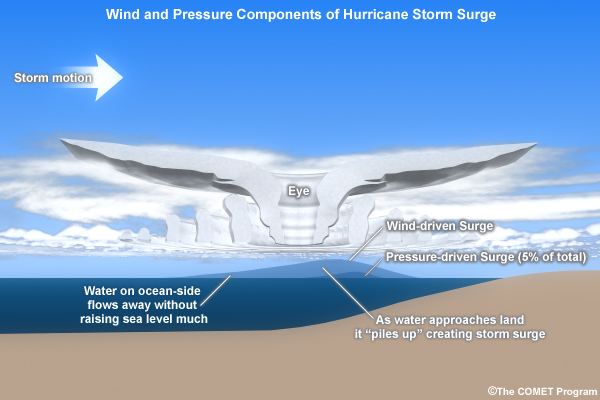
Storm surge is produced by water being pushed toward the shore by the force of the winds moving cyclonically around the storm. The impact on surge of the low pressure associated with intense storms is minimal in comparison to the water being forced toward the shore by the wind.
Wind and Pressure Components of Hurricane Storm Surge
The maximum potential storm surge for a particular location depends on a number of different factors. Storm surge is a very complex phenomenon because it is sensitive to the slightest changes in storm intensity, forward speed, size (radius of maximum winds-RMW), angle of approach to the coast, central pressure (minimal contribution in comparison to the wind), and the shape and characteristics of coastal features such as bays and estuaries.

Drought: How Las Vegas Conserves So Much Water
As severe drought in the West forces states to make drastic water cuts, Las Vegas offers a road map to making the most out of every drop of water. Since 2002, Southern Nevada has cut its Colorado River water use by 26% while its population has grown by 750,000.
 Boomers Daily