A selection of three essential articles read aloud from the latest issue of The Economist. This week, China’s next chapter, why emerging markets look unusually resilient (10:05) and why it is time to legalise cocaine (15:40).
New York Times columnist David Brooks and Washington Post associate editor Jonathan Capehart join Judy Woodruff to discuss the week in politics, including the Jan. 6 Committee’s decision to subpoena former President Trump and what’s at stake in the upcoming midterm elections.
Storm surge is the deadliest part of a hurricane. Discover what causes this effect, and which regions are most at risk.
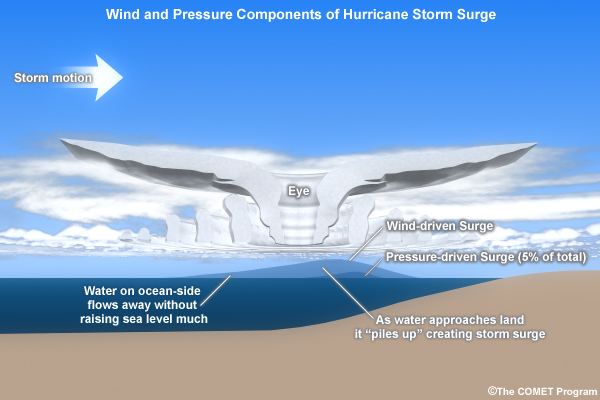
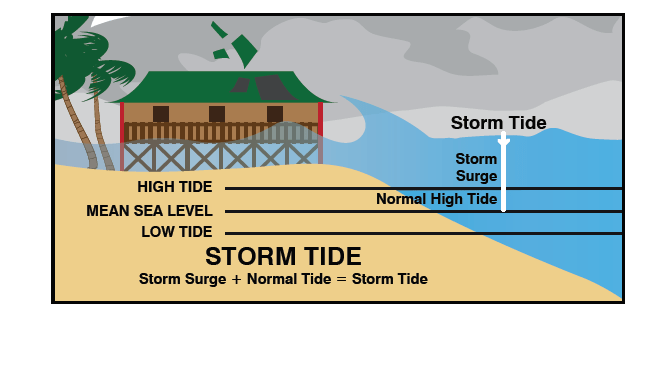
Storm surge is produced by water being pushed toward the shore by the force of the winds moving cyclonically around the storm. The impact on surge of the low pressure associated with intense storms is minimal in comparison to the water being forced toward the shore by the wind. Wind and Pressure Components of Hurricane Storm Surge
The maximum potential storm surge for a particular location depends on a number of different factors. Storm surge is a very complex phenomenon because it is sensitive to the slightest changes in storm intensity, forward speed, size (radius of maximum winds-RMW), angle of approach to the coast, central pressure (minimal contribution in comparison to the wind), and the shape and characteristics of coastal features such as bays and estuaries.
As severe drought in the West forces states to make drastic water cuts, Las Vegas offers a road map to making the most out of every drop of water. Since 2002, Southern Nevada has cut its Colorado River water use by 26% while its population has grown by 750,000.
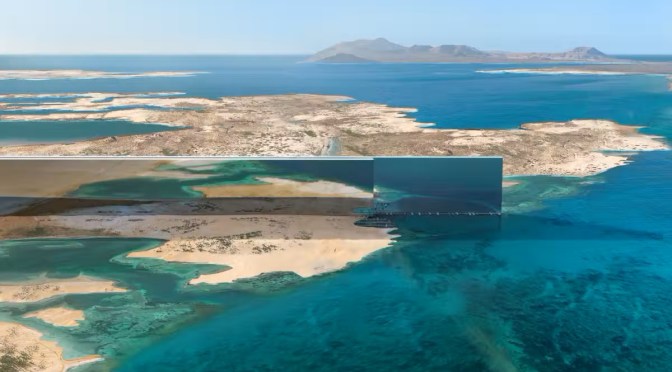
The Line is a proposed smart linear city in Saudi Arabia in Neom, Tabuk, currently under construction, which is designed to have no cars, streets or carbon emissions.
The Line is being described as a one-building vertical city outfitted with exterior mirrors, big enough to house 9 million people — along with everything they need, from parks and waterfalls to flying taxis and robot maids. There are even plans to include an artificial moon for residents to gaze upon.
With its proposed width of only 656 feet, The Line will rely primarily on its height to encompass its residents and a host of modern trappings, such as a high-speed rail to connect sections of the 106-mile city. Saudi Arabian officials claim The Line will be otherwise devoid of roads, cars or emissions and will be powered strictly by clean energy (although details have not been released). Here are a few of most notable proposed features of The Line:
A selection of three essential articles read aloud from the latest issue of The Economist. This week, the outlook for the world economy, how worried you should be about Elon Musk’s superpowers (12:50), and a study allays fears that covid vaccines harm menstrual cycles (16:50).
New York Times columnist David Brooks and Washington Post associate editor Jonathan Capehart join Amna Nawaz to discuss the week in politics, including October surprises in the U.S. and crises on the world stage with just a month until the midterms.
Phoenix, Arizona is coming up with innovative ways to beat the heat.
Phoenix, the capital of Arizona, is accustomed to a hot desert climate, but day and night temperatures have been rising due to global heating and the city’s unchecked development, which has created a sprawling urban heat island.
Scorching temperatures have made summers increasingly perilous for the city’s 1.4 million people, with mortality and morbidity rates creeping up over the past two decades, but 2020 was a gamechanger when heat related deaths jumped by about 60%.
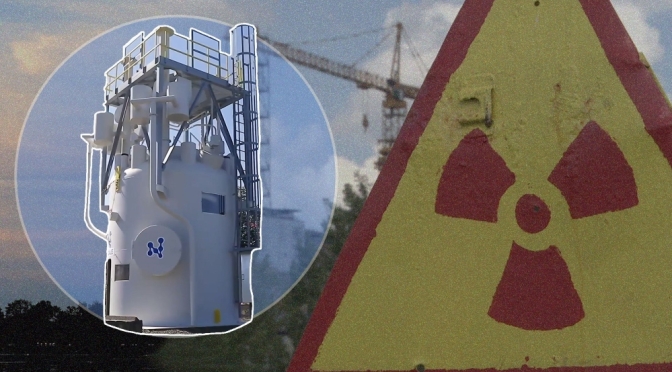
Nuclear projects are getting a boost of investment as countries try to tackle an energy crisis sparked by the Ukraine war, while also pursuing emissions targets. WSJ looks at how start-ups say their alternative designs can help solve past issues.
A selection of three essential articles read aloud from the latest issue of The Economist. This week, Britain in crisis: how not to run a country. Also, how to make sense of China’s president (10:00), and why becoming a father shrinks your cerebrum (18:05).



 Boomers Daily