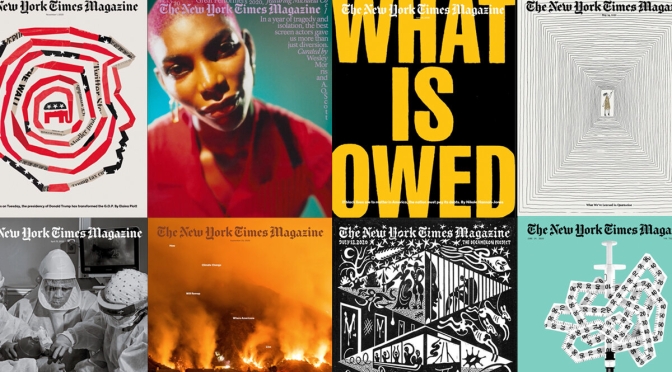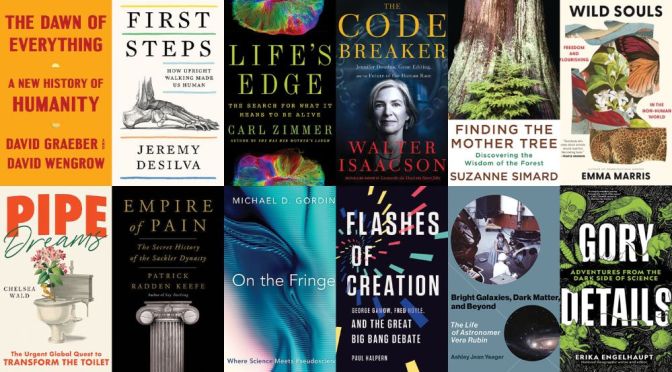

The New York Times Book Review-Sunday June 4, 2023

Image

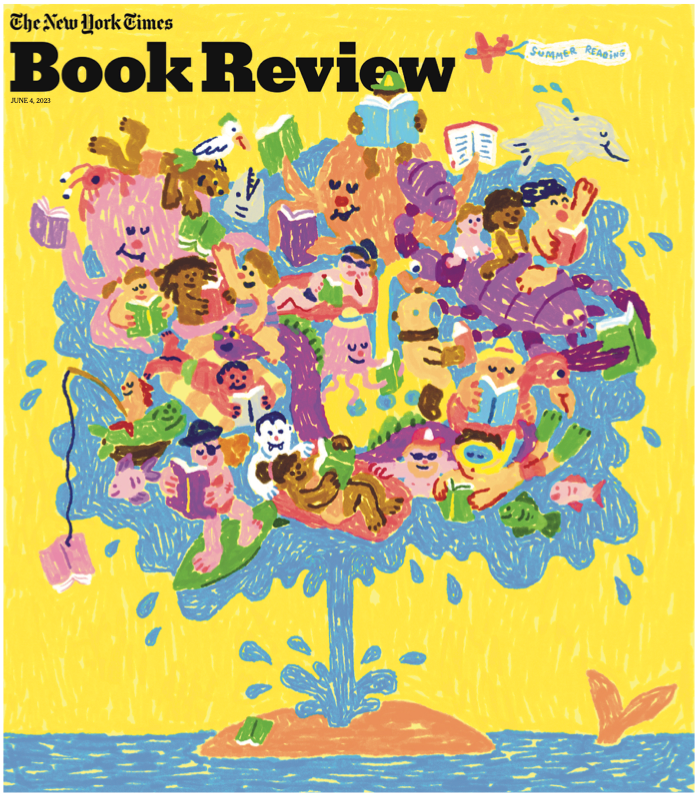
THE NEW YORK TIMES BOOK REVIEW – JUNE 4, 2023: The summer reading issue lands this weekend, 56 pages filled with suggestions of books to keep you company at the beach or in that shady mothballed nook you discovered in your rental share. The issue closes with a beautiful photo essay of swimmers pictured underwater, from an art book that evokes summer as vividly as fried clam strips and soft-serve ice cream: “Swimmers,” by Larry Sultan.

Deep-Sea Creatures of Bittersweet Orange and Metallic Opaline Green

This illustration depicts two enormous fish with red eyes and lots of teeth swimming around the bathysphere, an underwater exploration machine from the 1930s.

In “The Bathysphere Book,” Brad Fox chronicles the fascinating Depression-era ocean explorations of William Beebe.

Consider the siphonophore. An inhabitant of the lightless ocean, it looks like a single organism, but is actually a collection of minute creatures, each with its own purpose, working in harmony to move, to eat, to stay alive. They seem impossible but they are real. In 1930 William Beebe was 3,000 feet underwater in a bathysphere, an early deep-sea submersible, when he spotted a huge one: a writhing 20-yard mass whose pale magenta shone impossibly against the absolute blackness of the water. As you can imagine, it made an impression.

An Indictment of Human Culture, Narrated by a Mountain Lion

This is a close-up illustration of a lion’s eye, reflecting the silhouette of a man against a blue sky and greenery.

Henry Hoke’s latest novel, “Open Throat,” follows an observant — and starving — cougar living in the Los Angeles hills surrounding the Hollywood sign.

There is a moment toward the end of “Open Throat,” Henry Hoke’s slim jewel of a novel, where the narrator, a mountain lion living in the desert hills surrounding Los Angeles’s Hollywood sign, falls asleep and dreams of Disneyland. It will be hard for those who haven’t yet read this propulsive novel to understand, but the lion’s waking life at this moment is so precarious that this slippage into pleasant dream left me scared to turn the page.

Summertime in America, Beneath the Surface

A new book of photographs by Larry Sultan captures recreational swimmers at public pools in 1970s and ‘80s California.
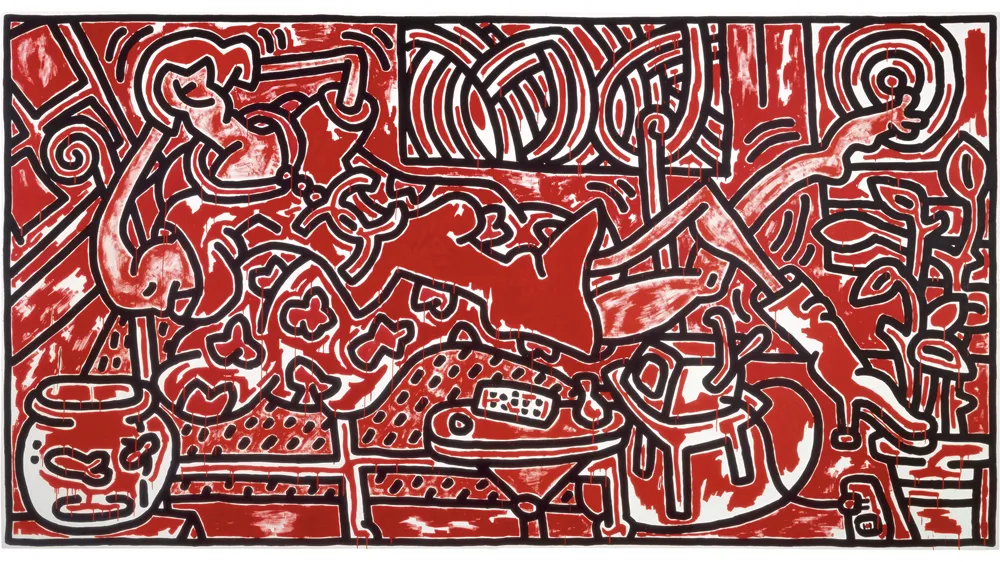
Exhibits: “Keith Haring- Art Is For Everybody”, Broad Museum In Los Angeles

KCET (June 2, 2023) – Keith Haring’s first museum exhibition in Los Angeles debuts at the Broad, featuring over 120 artworks that showcase the artist’s legacy of blending fun street art with activism.

“Keith Haring: Art is for Everybody”

May 27 – Oct 08, 2023

The exhibition features works that span the artist’s career, tackling pertinent social issues of the time like anti-Apartheid movements and the HIV/AIDS crisis of the 80s as well as works that address relevant issues that persist today — from capitalism and environmentalism to race, sexuality and religion. “” at the Broad is on view from May 27 through October 8, 2023.

In his short but prolific career, Keith Haring was known for his fluid, uniform lines, intricate compositions, and repeating imagery such as the barking dog and radiant baby. Since the 1980s, Haring’s art has garnered worldwide recognition, breaking down barriers and spreading joy while shining a bright light on complex issues from capitalism and the proliferation of new technologies to sexuality and race.   

Born in 1958, Keith Haring grew up in Kutztown, Pennsylvania, where his father, Allen, taught him to draw cartoons from Walt Disney and Dr. Seuss. He moved to New York City in 1978 to enroll in the School of Visual Arts (SVA). In New York, he embraced his homosexuality, which informed his worldview and art practice. The city was pulsing with energy with the emergence of hip-hop, graffiti art, and an active nightclub scene. In alternative spaces such as Club 57 and Paradise Garage, Haring developed his visual style alongside artists Kenny Scharf and Jean-Michel Basquiat, performers Grace Jones and Madonna, and many others.   

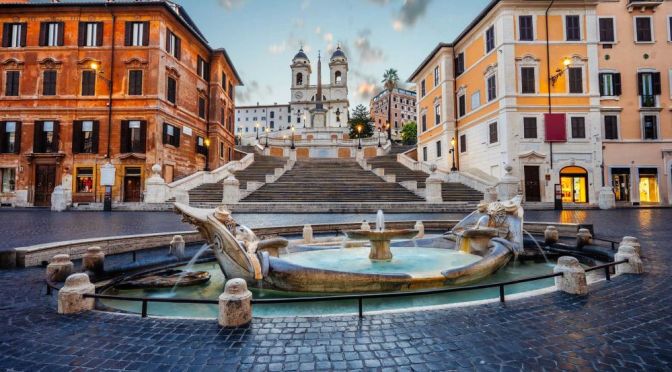
Travel Guide: The Best Things To Do In Rome

Travel + Leisure (June 2, 2023): In this video, join Stacy Leasca as she shows you the best places to stay and play on your Italian vacation to Rome.

Video timeline: 0:00 Introduction 0:20 Hotel Eden 1:21 Faro 2:04 Studio Cassio 2:40 Casa Manco 3:25 Access Italy 4:28 Retro Bottega 5:16 Outro

Hotel Eden is the picturesque place to stay with its top notch service, beautiful views, and dining options for every meal. Have an insider’s experience with Acccess Italy as they show you behind the scenes of Rome’s most popular attractions, as well as their favorite quiet spots in the city.

READ MORE

#Travel #Leisure #Budget #Vacation #Tips #Rome

Design: Walk Street House In Southern California

The Local Project (June 2, 2023) – Walk-Street House offers a seamless continuation of the Southern Californian beach lifestyle where the natural house resides.

Video timeline: 00:00 – Introduction to the Light Filled Natural House 00:23 – Walk-Street Homes 00:48 – A Walkthrough of the Home 01:38 – An Indoor Outdoor Connection 02:19 – The Unique Interiors 02:43 – Working with a Small Floor Plan 03:13 – The Natural Materials 04:01 – A Warm and Inviting Home 04:16 – A Focus on Natural Light 04:45 – Quality Control 05:04 – Blurring the Lines Between Inside and Out

From the raw timber façade to its open plan living, there is a lack of separation between the residence, the street, the climate and the locale, which gives the home its distinct nature. ras-a studio homes in on a quintessential city-beach aesthetic that speaks to its South Los Angeles location. The natural house has a strong attachment to place – a vibrant street with pedestrian-only access.

However, the prime location means the home is compact, posing a significant challenge for the construction. Overcoming this revealed a deeply considered open floor plan that nurtures the feeling of space at every opportunity. Eliminating interior partitions within the kitchen, dining and lounge areas allows for the spaces to borrow room from each other. Upstairs are the bedrooms, a study and a balcony that overlooks the street below, as well as a rooftop terrace that boasts panoramic ocean views.


#Natural
#House #Architecture

Preview: New York Times Magazine – June 4, 2023

Image

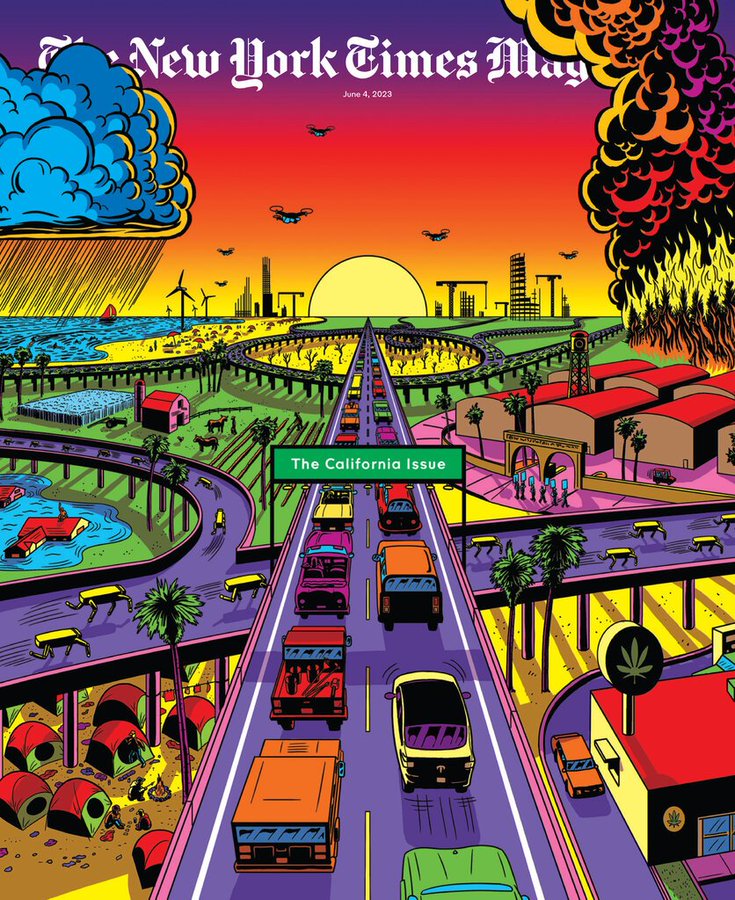
THE NEW YORK TIMES MAGAZINE (June 4, 2023) – California is the place where the future happens, for good and ill. That’s part of its magic. Read our first-ever California Issue to find out what roads the state will take us down next.

Inside: A fight over a parking lot that explains the housing crisis; the future of California’s power to shape national policy; how the state is adapting to a warming world — and more.

California Builds the Future, for Good and Bad. What’s Next?

An illustration of a California-inspired scene: wildfires, cars on a highway, the writer’s strike in Hollywood, a tent city, drones in the sky, flooding and a marijuana dispensary.

From reparations to tax revolts, the Golden State tries out new ideas all the time. What roads will its latest experiments send us down?

By Laila Lalami

I remember my first glimpse into the future. In August 1992, when I arrived in California as a student, I discovered during orientation that the university required all incoming students to have something called an email account. To access it, I had to call up a text-based mail client on Unix, using a series of line commands. If I needed a file that sat on a university computer in New York, I could use file transfer protocol to download it in Los Angeles, the whole process taking no more than a few minutes. That’s brilliant, I remember thinking.

Can the ‘California Effect’ Survive in a Hyperpartisan America?

A collage illustration showing the California capitol, the Golden Gate Bridge and a surfer hitting the waves, among other California motifs.

For decades the state has been setting policy for the whole nation. Now red states are pushing back.

By Conor Dougherty

For a while this winter, seemingly every text message that Buffy Wicks received asked if she was running for Congress. Representative Barbara Lee, of California’s 12th District, which includes Oakland, had announced that she would enter the race for Dianne Feinstein’s soon-to-be-vacated Senate seat. This decision by Lee, who is 76, created a rare opportunity for the next generation of California Democrats to vie for federal office. And Wicks — a 45-year-old State Assembly member who lives in Lee’s district and was last re-elected with 85 percent of the vote — seemed like a natural candidate.

Reviews: Top New Science Books For Summer 2023

First page of PDF

SCIENCE MAGAZINE – JUNE 1, 2023:

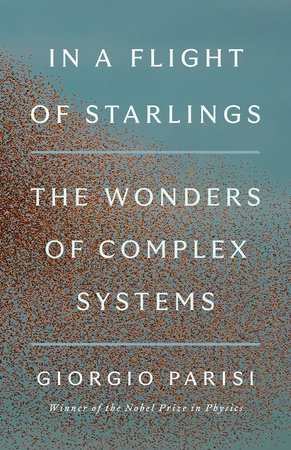
In a Flight of Starlings by Giorgio Parisi

In a Flight of Starlings: The Wonders of Complex Systems by Giorgio Parisi

From the 2021 Nobel Prize winner in Physics, an enlightening and personal journey into the practice of groundbreaking science

With In a Flight of Starlings, celebrated physicist Giorgio Parisi guides us through his unorthodox yet exhilarating work, starting with investigating the principles of physics by observing the flight of flocks of birds. Studying the movements of these communities, he has realized, proves an illuminating way into understanding complex systems of all kinds—collections of everything from atoms and planets to other animals, such as ourselves.

product image

I Feel Love: MDMA and the Quest for Connection in a Fractured World by Rachel Nuwer

 In I Feel Love, science journalist Rachel Nuwer separates fact from fantasy, hope from hype, in the drug’s contested history and still-evolving future. Evidence from scientific trials suggests MDMA, properly administered, can be startlingly effective at relieving the effects of trauma. Results from other studies point to its usefulness for individual and couples therapy, for treating depression, alcohol addiction, and eating disorders, and for cultivating personal growth. Yet scientists are still racing to discover how MDMA achieves these outcomes, a mystery that is taking them into the inner recesses of the brain and the deep history of evolution.

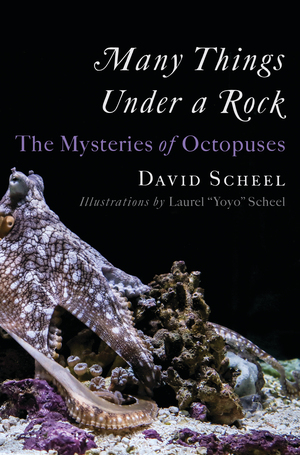
Many Things Under a Rock: The Mysteries of Octopuses by David Scheel

A behavioral ecologist’s riveting account of his decades-long obsession with octopuses: his discoveries, adventures, and new scientific understanding of their behaviors.

Of all the creatures of the deep blue, none is as captivating as the octopus. In Many Things Under a Rock, marine biologist David Scheel investigates four major mysteries about these elusive beings. How can we study an animal with perfect camouflage and secretive habitats? How does a soft and boneless creature defeat sharks and eels, while thriving as a predator of the most heavily armored animals in the sea? How do octopus bodies work? And how does a solitary animal form friendships, entice mates, and outwit rivals?

The Hidden History of Code-Breaking

The Hidden History of Code-Breaking: The Secret World of Cyphers, Uncrackable Codes, and Elusive Encryptions  by Sinclair McKay

A fascinating exploration of the uncrackable codes and secret cyphers that helped win wars, spark revolutions and change the faces of nations.

There have been secret codes since before the Old Testament, and there were secret codes in the Old Testament, too. Almost as soon as writing was invented, so too were the devious means to hide messages and keep them under the wraps of secrecy

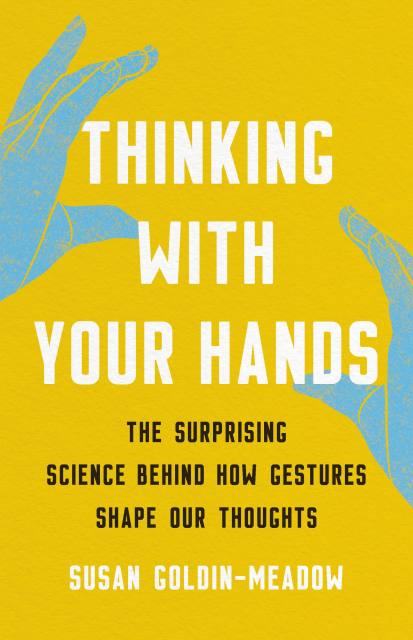
Thinking with Your Hands

Thinking with Your Hands: The Surprising Science Behind How Gestures Shape Our Thoughts by Susan Goldin

An astounding account of how gesture, long overlooked, is essential to how we learn and interact, which “changes the way you think about yourself and the people around you.” (Ethan Kross, bestselling author of Chatter)

In Thinking with Your Hands, esteemed cognitive psychologist Susan Goldin-Meadow argues that gesture is vital to how we think, learn, and communicate. She shows us, for instance, how the height of our gestures can reveal unconscious bias, or how the shape of a student’s gestures can track their mastery of a new concept—even when they’re still giving wrong answers. She compels us to rethink everything from how we set child development milestones, to what’s admissible in a court of law, to whether Zoom is an adequate substitute for in-person conversation.   

READ MORE ONLINE

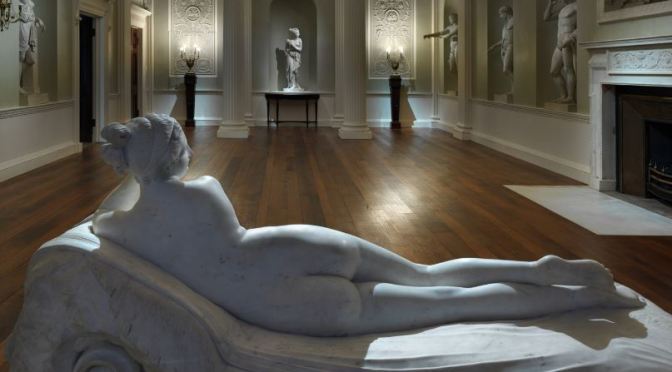
Sculpture Exhibitions: ‘Bloomsbury Stud: The Art Of Stephen Tomlin’ (2023)

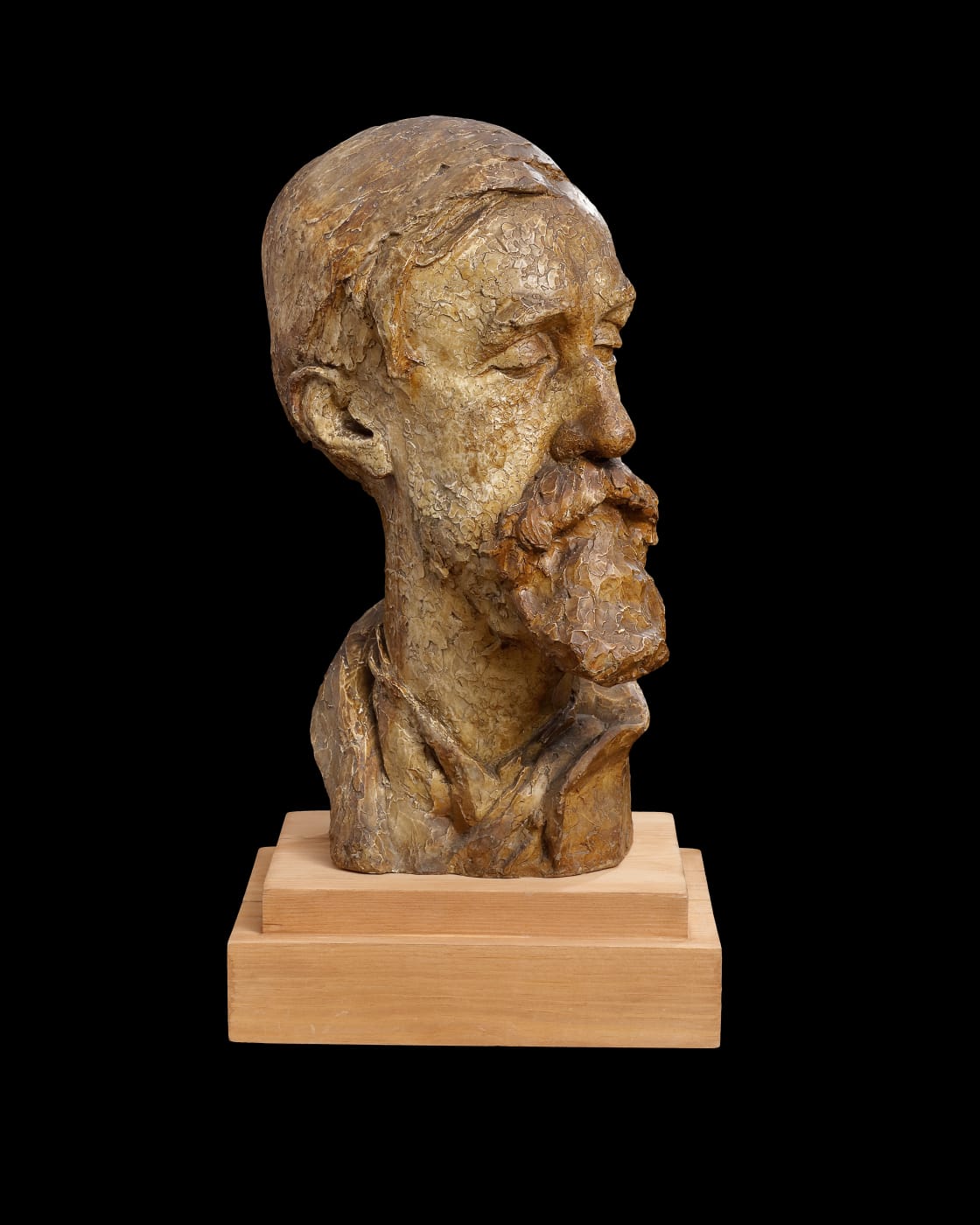
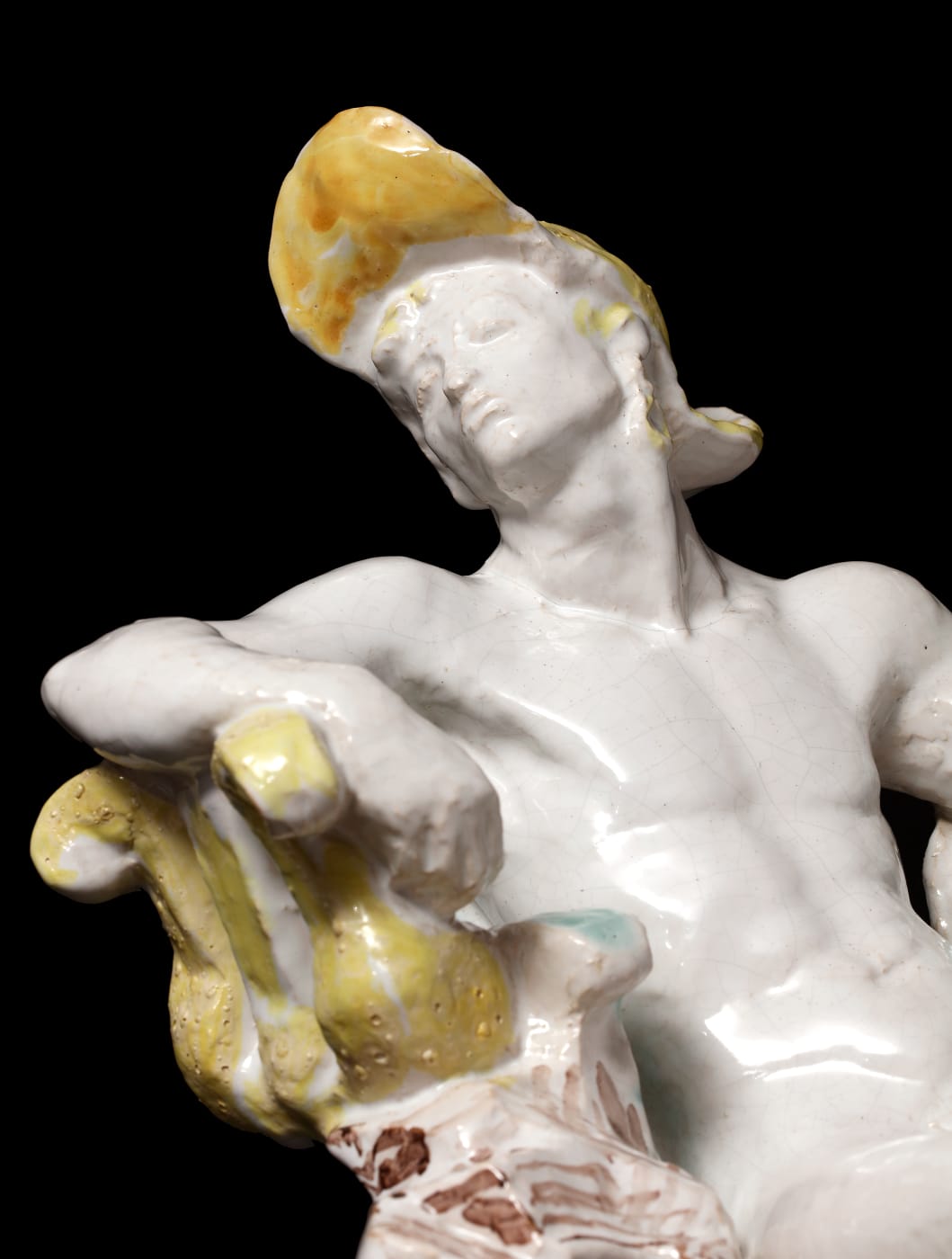
Philip Mould & Co Films (June 2, 2023) – Starting off at Charleston House, where Stephen Tomlin’s friends, lovers, and sitters came together, this exhibition film traces Tomlin’s life and career, revealing the stories behind the artworks on display in ‘Bloomsbury Stud: The Art of Stephen Tomlin’, on view at the Philip Mould Gallery from 5th June until 11th August 2023.

Bloomsbury Stud The Art of Stephen Tomlin


Stephen Tomlin, the Bloomsbury group’s primary sculptor, immortalised the faces of Bloomsbury’s best-known characters, including Duncan Grant, Lytton Strachey and Virginia Woolf. With inexhaustible charisma, disarming good looks and undeniable talent, Tomlin captivated his contemporaries, and references to Stephen ‘Tommy’ Tomlin pepper countless biographies of 20th century figures.

However, until recently, that was where his story remained. Now, this exhibition aims to return Tomlin to the artistic spotlight where he belongs.

Previews: The Economist Magazine – June 3, 2023

Image

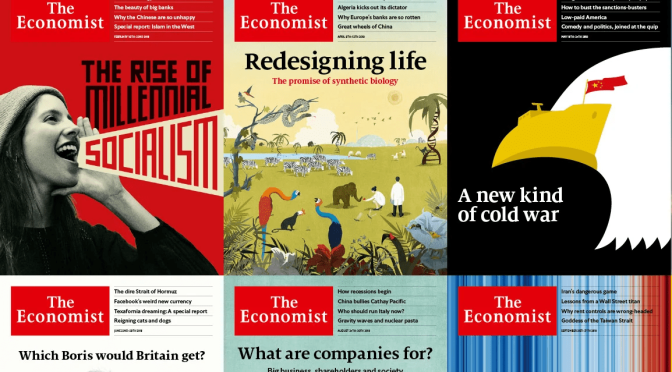
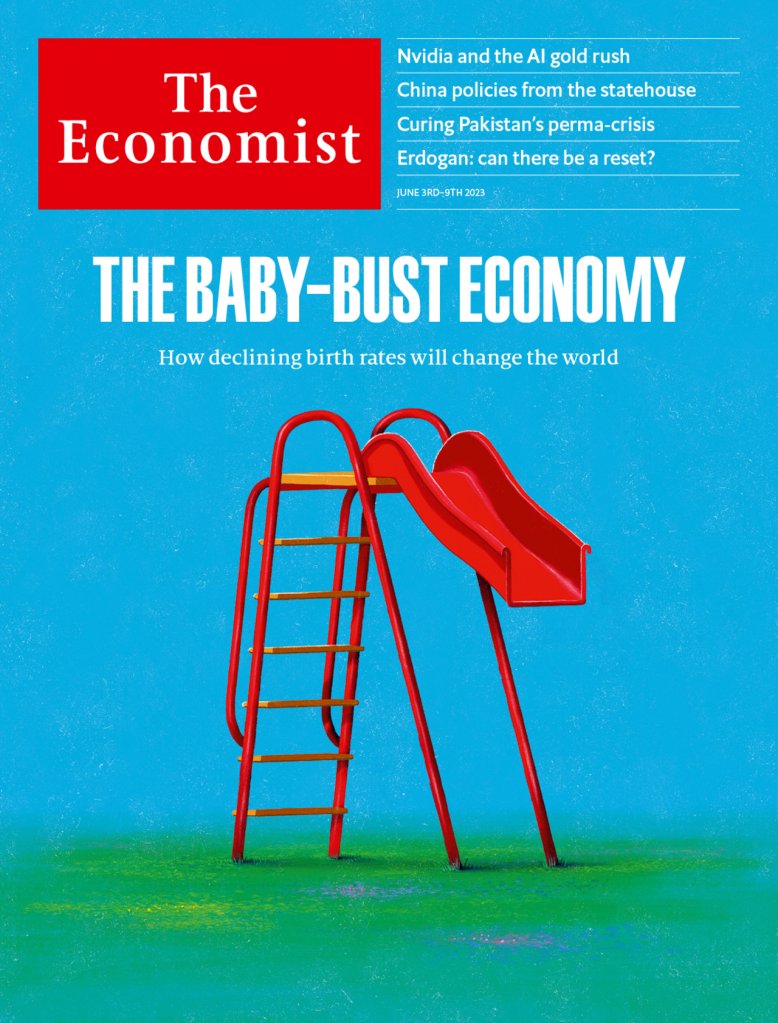
The Economist Magazine– June 3, 2023 issue: The baby-bust economy: How declining birth rates will change the world.

Global fertility has collapsed, with profound economic consequences

What might change the world’s dire demographic trajectory?

In the roughly 250 years since the Industrial Revolution the world’s population, like its wealth, has exploded. Before the end of this century, however, the number of people on the planet could shrink for the first time since the Black Death. The root cause is not a surge in deaths, but a slump in births. Across much of the world the fertility rate, the average number of births per woman, is collapsing. Although the trend may be familiar, its extent and its consequences are not. Even as artificial intelligence (ai) leads to surging optimism in some quarters, the baby bust hangs over the future of the world economy.

How to make the re-election of Recep Tayyip Erdogan less bad news

Turkish President and People's Alliance's presidential candidate Recep Tayyip Erdogan gestures to supporters at the presidential palace, in Ankara, Turkey, Sunday, May 28, 2023. Turkey President Recep Tayyip Erdogan won reelection Sunday, extending his increasingly authoritarian rule into a third decade as the country reels from high inflation and the aftermath of an earthquake that leveled entire cities. (AP Photo/Ali Unal)

There is a chance for a partial reset

It certainly wasn’t fair. Nor was it entirely free. But, like it or not, the victory on May 28th of Recep Tayyip Erdogan in Turkey’s presidential election is a fact. For the next five years Turkey, Europe and the wider world will have to deal with a prickly and authoritarian populist. That is bad news on many fronts: economically, democratically and regionally. And yet pragmatists have a duty to search for chinks of light in the gloom.

It’s not just a fiscal fiasco: greying economies also innovate less

That compounds the problems of shrinking workforces and rising bills for health care and pensions

“Adam is a special child,” says the voice-over, as the camera pans across abandoned classrooms and deserted maternity wards. “He’s the last child born in Italy.” The short film made for Plasmon, an Italian brand of baby food owned by Kraft-Heinz, a giant American firm, is set in 2050. It imagines an Italy where babies are a thing of the past. It is exaggerating for effect, of course, but not by as much as you might imagine. The number of births in Italy peaked at 1m in 1964; by 2050, the un projects, it will have shrunk by almost two-thirds, to 346,000.

News: Asia Defense Summit, China-U.S. Tensions, OPEC Meeting, Nigeria President

The Globalist Podcast, Friday, June 2, 2023: Asia’s top security meeting, IISS Shangri-La Dialogue kicks off but China refuses to talk to the US on the sidelines.

Plus: several media groups are banned from Opec’s production meeting this weekend; we check in on how Nigeria’s new president is faring and we ask, “What is lake cow bacon?” 

The New York Times Front Page – Friday, June 2, 2023

Image

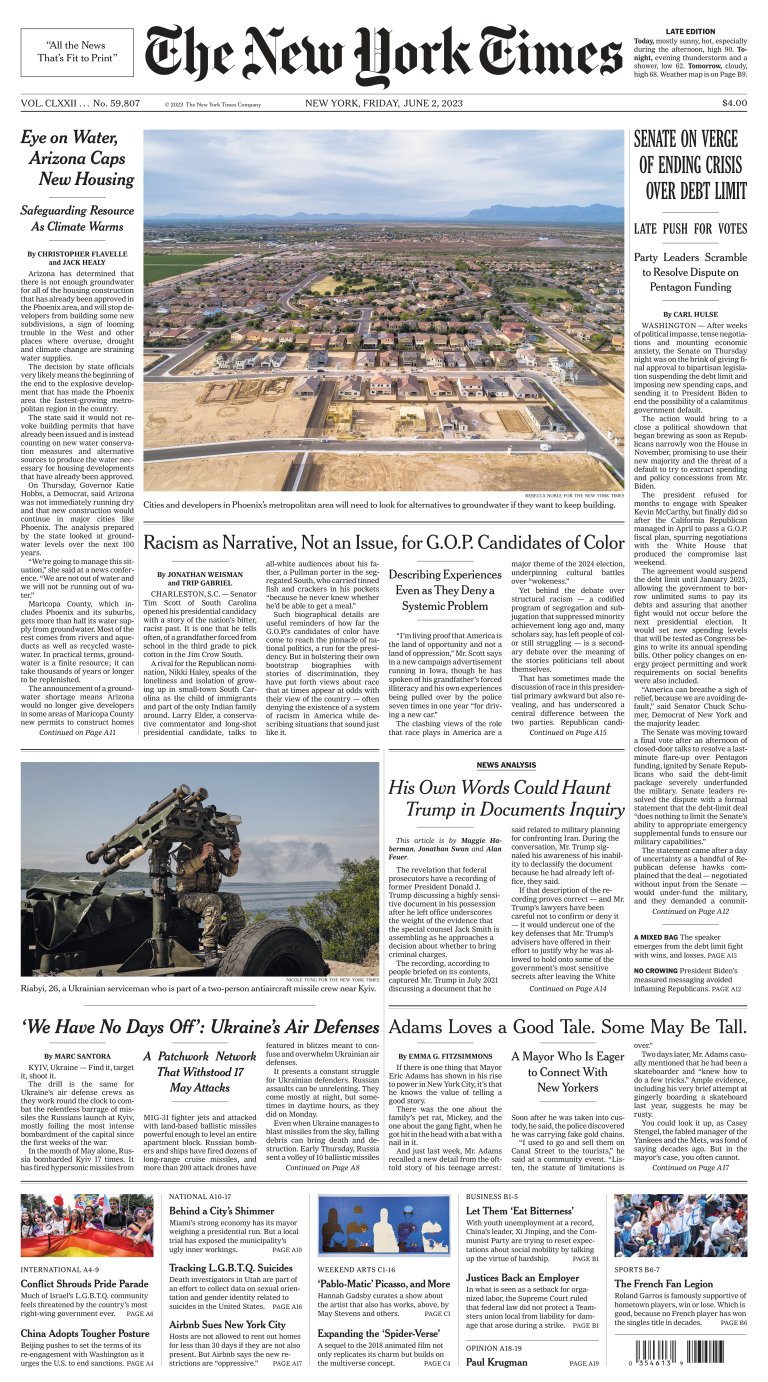
Arizona Limits Construction Around Phoenix as Its Water Supply Dwindles

Queen Creek, Ariz., a suburb of Phoenix, is projected to grow to 175,000 people from its current 75,000 — if it can find enough water.

In what could be a glimpse of the future as climate change batters the West, officials ruled there’s not enough groundwater for projects already approved.

NEWS ANALYSIS

McCarthy Emerges From the Debt Limit Fight With Victories, and Some Wounds

The deal that Speaker Kevin McCarthy negotiated met his goal of cutting spending from current levels.

The speaker defied expectations and delivered a debt limit agreement that few thought he could manage, but left some of his Republican colleagues feeling betrayed.

Talk of Racism Proves Thorny for G.O.P. Candidates of Color

As candidates like Tim Scott and Nikki Haley bolster their biographies with stories of discrimination, they have often denied the existence of systemic racism in America while describing situations that sound just like it.

Mayor Adams Loves a Good Tale. Some of Them May Be Tall.

The New York City mayor has made an art form of telling stories about himself that are nearly impossible to verify, adding fresh details to often-told anecdotes.