
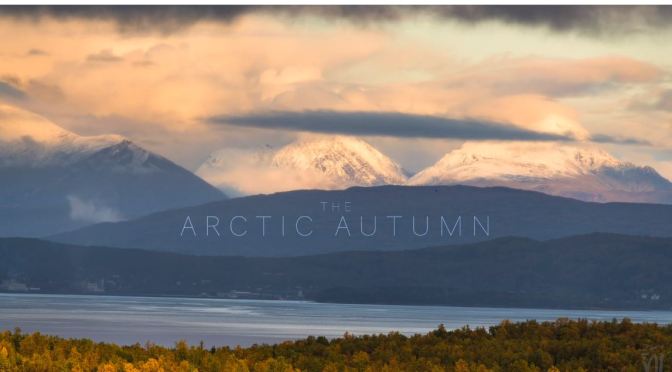
Filmed, Edited and Directed by: Adrien Mauduit
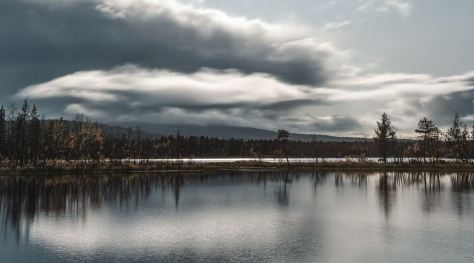
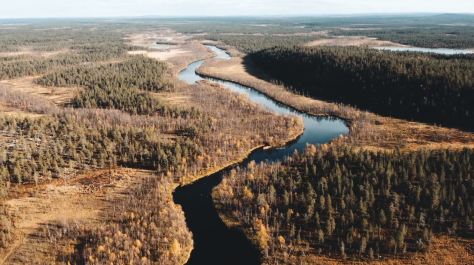
The Arctic Autumn is back again on Senja island in Northern Norway. And it shows! Each year, September marks the beginning of the Arctic Fall. For many locals, this season is like a new beginning. Not that the summer wasn’t full of life and colors either, but the autumn is largely considered as a favorite time to go outdoors. It might seem odd, but as life progressively goes into its wintery sleep, the landscapes come back to life!
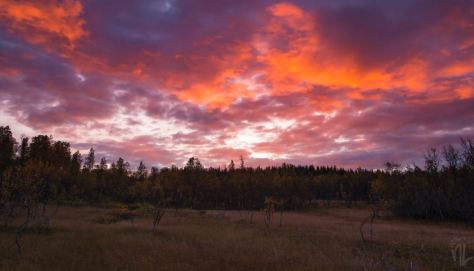
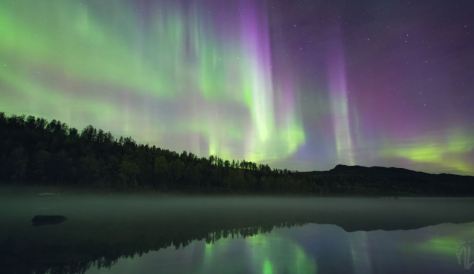
First off, the midnight sun disappears and nighttime comes back. Each day, we lose about 10 minutes of sunlight. With these ever shortening days, the night sky becomes darker for longer. All those dim objects like the milky way that were not visible in the bright summer nights become visible again. More importantly for many chasers, the aurora borealis can finally be contemplated again too! Locals are always so happy to see the first aurorae of the season. Nonetheless the Arctic Fall is so particular because of the palette of colors it has to offer. Already starting from the second week of September, the blueberry and Skrubbær shrubs are turning red on the forest floor. At the very same time, Birch and Aspen trees can take on very flashy yellows or oranges, contrasting with the ever-green pine trees. It’s also a time where the highest mountaintops get sprinkled by the first snowflakes.
Website: https://www.nightlightsfilms.com/

 Syndicated columnist Mark Shields and New York Times columnist David Brooks join Judy Woodruff to discuss the week’s political news, including how the impeachment inquiry is affecting President Trump’s support among Republicans, fallout from Trump’s handling of northern Syria and the military advance by Turkish President Recep Tayyip Erdogan and the changing dynamics of the 2020 presidential race.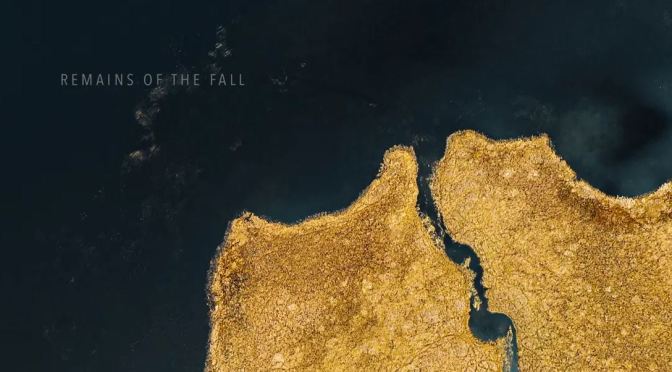

 In our second segment, we talk about how we think about children. For thousands of years, adults have complained about their lack of respect, intelligence, and tendency to distraction, compared with previous generations. A new study out this week in Science Advances suggests
 The Last Knight: The Art, Armor, and Ambition of Maximilian I examines the profound significance of European armor at the dawn of the Renaissance, through the lens of Emperor Maximilian I’s (1459–1519) remarkable life. On view only at The Met, The Last Knight coincides with the five-hundredth anniversary of Maximilian’s death, and is the most ambitious North American loan exhibition of European arms and armor in decades. Including 180 objects selected from some thirty public and private collections in Europe, the Middle East, and the United States, The Last Knight will explore how Maximilian’s unparalleled passion for the trappings and ideals of knighthood served his boundless worldly ambitions, imaginative stratagems, and resolute efforts to forge a lasting personal and family legacy.

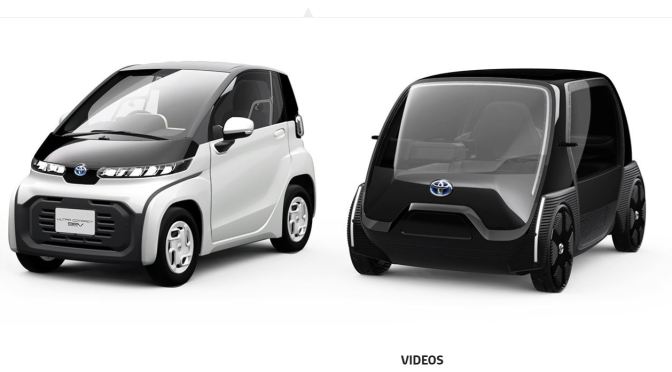
 The ultra-compact, two-seater BEV is specifically designed to meet the daily mobility needs of customers who make regular, short-distance trips such as the elderly, newly licensed drivers, or business-people visiting local customers. It can be driven a range of approximately 100 km on a single charge, reach a maximum speed of 60 km/h, and features an extremely short turning radius.
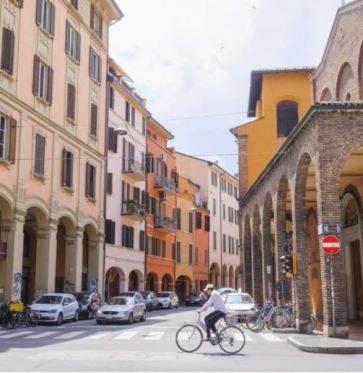 The awesome sight of the expansive Reno river greets you as you enter Casalecchio di Reno. A fairly non-descript satellite town, Casalecchio’s best asset is Parco Della Chiusa (also known as Parco Talon), a vast forest and nature reserve full of crumbling old mansions, hiking trails and great views of the river and undulating hills. The park is a popular spot for picnics and makes a worthwhile destination on its own.
 In this half-day cycle starting from central Bologna and ending at the small town of
 Our 3D deep-learning system performed well in both primary and external validations, suggesting that it could potentially be used for automated detection of glaucomatous optic neuropathy based on SDOCT volumes. Screening with the deep-learning system is much faster than conventional glaucoma screening methods (ie, by experienced specialists), can be done automatically, and does not require a large number of trained personnel on site. Further prospective studies are warranted to estimate the incremental cost-effectiveness of incorporating this artificial intelligence-based model for screening for glaucoma, both in the general population and among at-risk people.
 Boomers Daily