
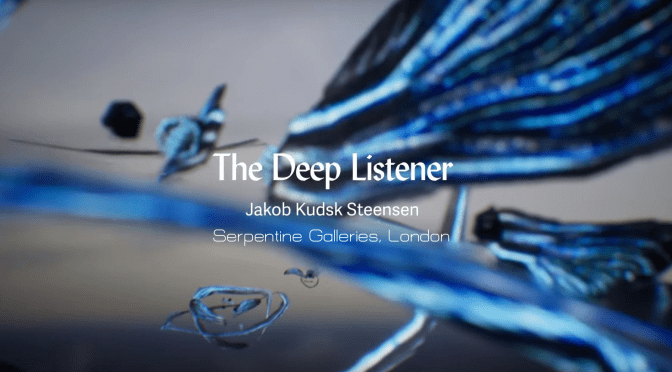
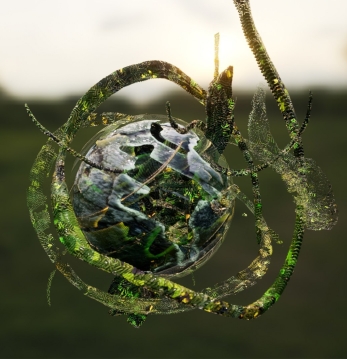
 Designed as an augmented reality and spatial audio work downloadable as an app for mobile devices, it is both a site specific public artwork and a digital archive of these species, using tools and platforms from a range of fields including video games, computer generated images and film. Inspired by ecological science-fiction and scientific research, Kudsk Steensen creates a form of ‘slow media’ that uses the technological to foster attention rather than distraction.
...a journey to both see and hear five of London’s species: London plane trees, bats, parakeets, azure blue damselflies and reedbeds.
Kudsk Steensen has collaborated with the field recordist and sound designer Matt McCorkle to represent five species as sound. The audio and visuals within the project are drawn directly from organic source material gathered from a period of embedded research within Kensington Gardens and Hyde Park. These organic materials are then transformed through digital processes to be re-embedded within the same context.
Download brochure: https://www.serpentinegalleries.org/files/press-releases/the_deep_listener_tdl_a5_digital_v2_final.pdf
Website: https://www.serpentinegalleries.org/exhibitions-events/serpentine-augmented-architecture

 Compared to the
 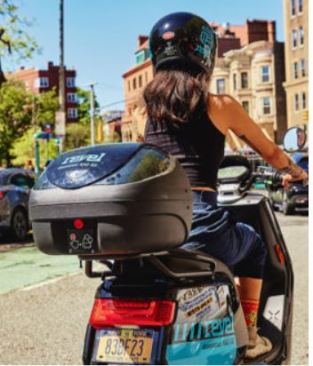 To get started, the company requires a scan of your license, accompanied by an in-app selfie, to go through a $19 background check approval. What you don’t need is a motorcycle license, or any prior experience piloting these kinds of vehicles. And that could prove to be a challenge for some.
 Despite the overwhelming presence of boutique inns along the Atlantic, they’re not a strictly East Coast commodity. Case in point: Sonoma’s Farmhouse Inn.
  Beyond its aesthetically-pleasing interiors, the inn also knows a thing or two about food—starting with a nightly turndown service that includes homemade cookies and milk, and ending with the
 At first glance, Stephen Wilkes’ photographs look like a single moment in time. It is only upon closer inspection that viewers discover that each of his works is actually the result of shooting thousands of photographs from a stationary position over the course of a day and stitching them together digitally to create one cohesive panorama. The painstaking task of editing all of this information and whittling it down into one image can take months to complete, but the results capture a sense of place that can’t be expressed by a single frame alone.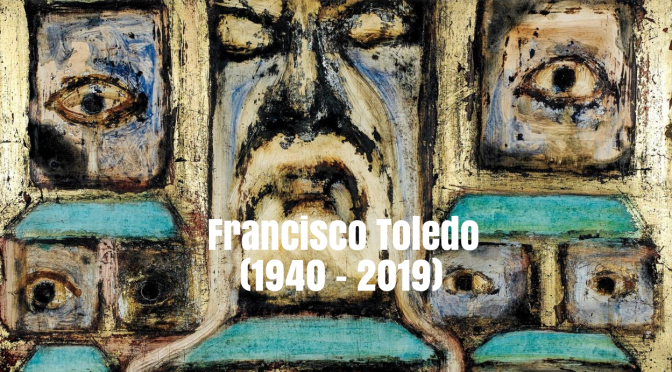
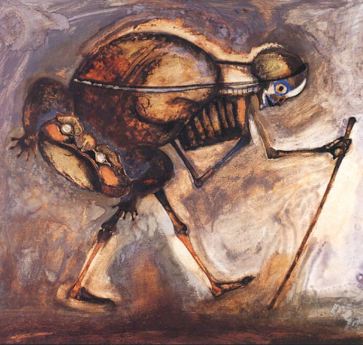 Though his paintings and sculptures sell all over the world for fabulous prices, he has not enriched himself. He lives simply, with his wife, Trine Ellitsgaard Lopez, an accomplished weaver, in a traditional house in the middle of Oaxaca, and has used his considerable profits to found art centers and museums, an ethnobotanical garden and at least three libraries.
 Toledo, whose origins were obscure and inauspicious, was the son of a leatherworker—shoemaker and tanner. He was born in Mexico City, but the family soon after moved to their ancestral village near Juchitán de Zaragoza in the Isthmus of Tehuantepec, nearer to Guatemala than to Mexico City—and being ethnically Zapotec, nearer culturally to the ancient pieties of the hinterland too.
 Boomers Daily