
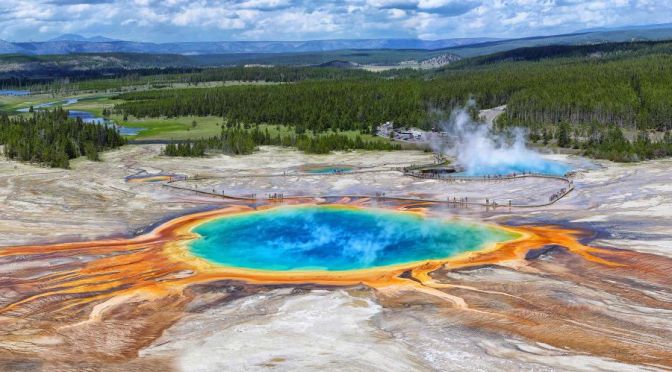
Yellowstone National Park is a nearly 3,500-sq.-mile wilderness recreation area atop a volcanic hot spot. Mostly in Wyoming, the park spreads into parts of Montana and Idaho too. Yellowstone features dramatic canyons, alpine rivers, lush forests, hot springs and gushing geysers, including its most famous, Old Faithful. It’s also home to hundreds of animal species, including bears, wolves, bison, elk and antelope.
Tag Archives: Wyoming

Morning News: Japan’s Economy, Bosnia Politics, Wyoming Roadkill Menus
Today’s figures showing the first annual economic growth in three years may seem promising. But the grand plans of Prime Minister Kishida Fumio resemble past policies that have not worked.
The finely tuned government of Bosnia is under grave threat from some of the same forces that caused its brutal war. And why roadkill is now on the menu in Wyoming.
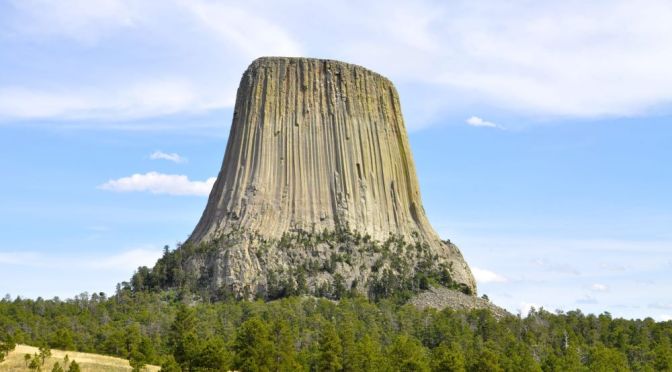
Views: Devils Tower In Northeast Wyoming (4K)
Devils Tower is a butte, possibly laccolithic, composed of igneous rock in the Bear Lodge Ranger District of the Black Hills, near Hulett and Sundance in Crook County, northeastern Wyoming, above the Belle Fourche River. It rises 1,267 feet above the Belle Fourche River, standing 867 feet from summit to base.
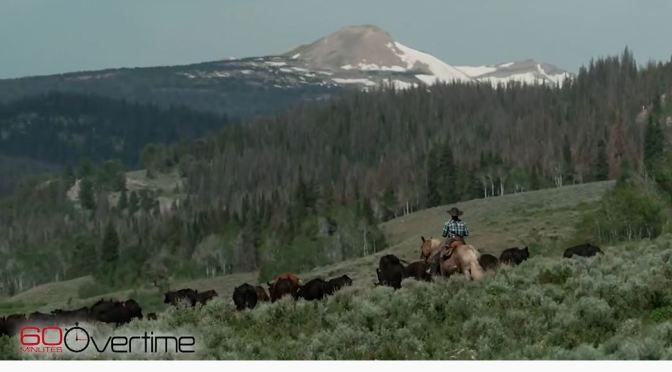
Views: Green River Drift Cattle Drive In Wyoming
Hitch a ride with 60 Minutes correspondent Bill Whitaker along the Green River Drift, the longest running cattle drive in the U.S.
Upper Green River Valley, Wyoming
Predating most federal land management agencies, the Green River Drift cattle trail has been continuously used since the 1890s by the Upper Green River Cattle Association ranchers to get cattle from spring pasture on the desert to summer pasture in the forest. Chilly fall weather causes the cattle to “drift” back out of the forest to return to their home ranches. The trail, 58 miles long with 41 miles of spurs, crosses BLM, State of Wyoming, National Forest, and private properties.
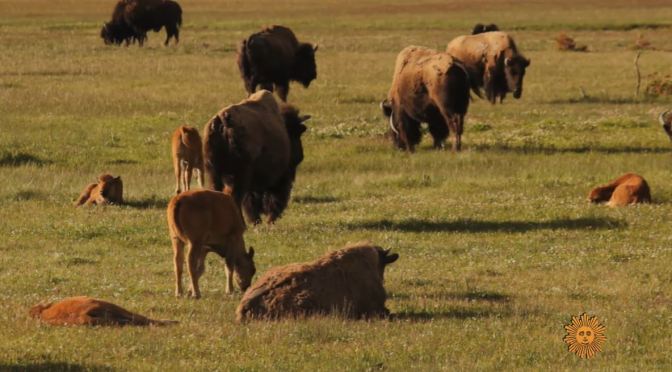
Wildlife Views: Bison & Calves In Yellowstone
“Sunday Morning” takes us to Yellowstone National Park, home of bison and their calves. Videographer: Brad Markel.

Western Drought: Expect More Fires & Water Wars
As of mid-June, nearly three-quarters of the US’s West has been experiencing “severe,” “extreme,” or “exceptional” drought conditions. In addition to the states above, it also includes northern states like North Dakota and Montana.
Overall, climate change is playing a role. But there are smaller factors at play that are tied to climate change as well. Including…
- Not enough rain. The National Oceanic and Atmospheric Association (NOAA) said the Southwest’s 2020 monsoon season (read: ‘nonsoon’) was “the hottest and driest summer/monsoon season on record.” And the decrease in rainfall is having an impact on today’s drought (think: not enough water for crops, lakes, or reservoirs). And for the little rain that has fallen, it could dry up faster because of…
- Warmer temps. The NOAA dubbed 2020 the second-hottest year on record. And in late June, a record-breaking heat wave hit the Pacific Northwest, with the temperature reaching up to 112 degrees Fahrenheit in places like Portland, OR. (Psst…if you’re dealing with hot weather, here are some tips to stay safe.) Hotter, drier weather creates a thirsty environment, which speeds up evaporation. Rising temps are also causing snowpacks to melt faster, and they’re reportedly producing less runoff – a vital water resource. All of which means there’s less water available for communities and ecosystems.
Experts are also worried that the current dry and hot conditions will have a ripple effect, which brings us to wildfires. Last year’s West Coast wildfire season was the worst ever. Fires in California killed 31 people, burned more than 4 million acres, and destroyed thousands of buildings and structures. And this year, states like Arizona have seen an early start to their wildfire season. But the effects of the drought stretch even further.
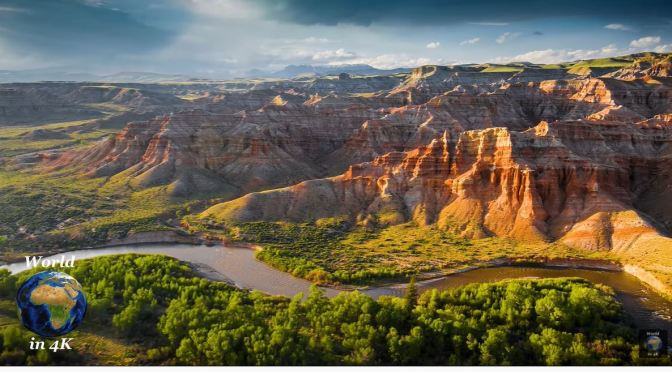
Views: Wyoming – Rivers, Mountains & Landscapes
Wyoming is a state in the Mountain West region of the United States. The 10th largest state by area, it is also the least populous and least densely populated state in the contiguous United States.
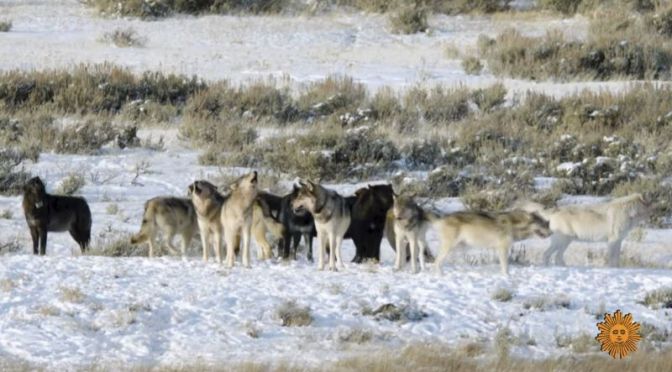
Wildlife: The ‘Gray Wolves’ Of Yellowstone (Video)
Watch the majestic wolves of Yellowstone National Park. Videographer: Justin Grubb.
Gray wolves were reintroduced into Yellowstone National Park in 1995, resulting in a trophic cascade through the entire ecosystem. After the wolves were driven extinct in the region nearly 100 years ago, scientists began to fully understand their role in the food web as a keystone species.
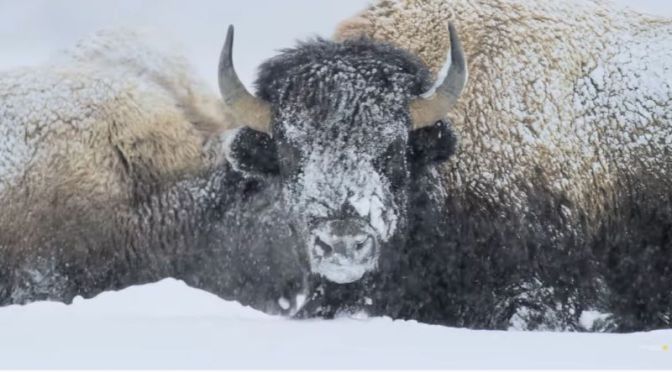
Wildlife: ‘Yellowstone Bison’ Are Built For Winter Survival (Video)
With a dense coat, a powerful mass of muscle and a large head ideally suited for clearing away snow and locating buried grass, bison are built for frigid conditions in Yellowstone. If it wasn’t for a hidden herd in the deepest reaches of this National Park, bison would have been wiped out in the late 1800s. Today, thousands of them thrive.
From Epic Yellowstone: Fire and Ice https://bitly.com/35mV4hU
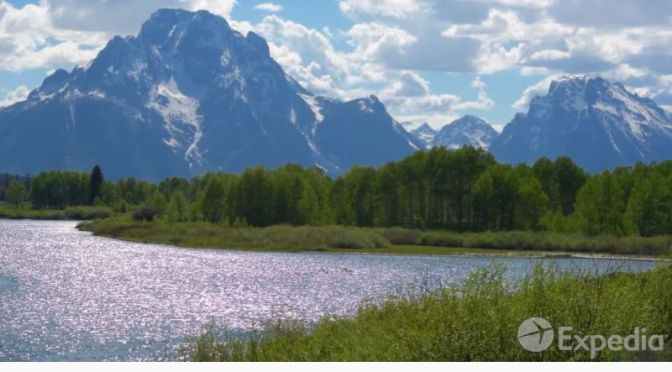
Travel Guide: ‘Grand Teton National Park’ In Wyoming (Video)
Grand Teton National Park – We explored over 300,000 acres of Wyoming wilderness and found the best spots to visit on vacation here!
Grand Teton National Park is an American national park in northwestern Wyoming. At approximately 310,000 acres (480 sq mi; 130,000 ha; 1,300 km2), the park includes the major peaks of the 40-mile-long (64 km) Teton Range as well as most of the northern sections of the valley known as Jackson Hole. Grand Teton National Park is only 10 miles (16 km) south of Yellowstone National Park, to which it is connected by the National Park Service-managed John D. Rockefeller, Jr. Memorial Parkway. Along with surrounding national forests, these three protected areas constitute the almost 18,000,000-acre (7,300,000 ha) Greater Yellowstone Ecosystem, one of the world’s largest intact mid-latitude temperate ecosystems.
The human history of the Grand Teton region dates back at least 11,000 years, when the first nomadic hunter-gatherer Paleo-Indians began migrating into the region during warmer months pursuing food and supplies. In the early 19th century, the first white explorers encountered the eastern Shoshone natives. Between 1810 and 1840, the region attracted fur trading companies that vied for control of the lucrative beaver pelt trade. U.S. Government expeditions to the region commenced in the mid-19th century as an offshoot of exploration in Yellowstone, with the first permanent white settlers in Jackson Hole arriving in the 1880s.
 Boomers Daily