
From a BMJ Open Heart online study (March 8, 2020):
 Overall, the evidence in the literature suggests that spirulina improves several well-established CVD risk factors including hyperlipidaemia and seems to provide benefits around weight loss.
Although caloric restriction and exercise are the mainstay treatments for obesity, spirulina has shown significant benefits in aiding weight loss. The phycocyanin in spirulina contains a light-harvesting chromophore called phycocyanobilin, which is capable of inhibiting nicotinamide adenine dinucleotide phosphate hydrogen (NADPH) oxidase, a significant source of oxidative stress in adipocytes playing a key role in inducing insulin resistance and shifting adipokine and cytokine production in hypertrophied adipocytes. Thus, by suppressing adipocyte oxidative stress, spirulina may lead to systemic anti-inflammatory and insulin-sensitising effects.
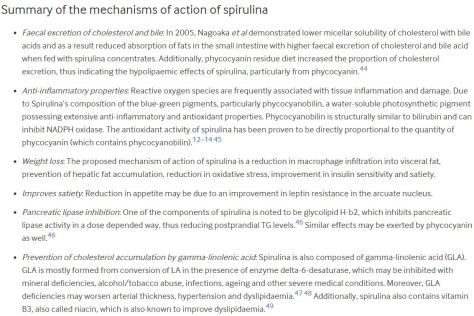
Spirulina is both a salt and fresh water blue-green algae, which is being increasingly studied recently. Spirulina was initially classified under the plant kingdom due to its rich plant pigments and its ability to photosynthesize, but was later placed into bacterial kingdom (cyanobacteria) due to its genetic, physiological and biochemical makeup. Spirulina grows naturally in high salt alkaline water reservoirs in subtropical and tropical areas of America, Mexico, Asia and Central Africa.
 There are many named diets that receive a great deal of attention. But what are they and do they work? David Heber, MD, PhD, from the UCLA Center for Human Nutrition explains these diets.
 This latest paper builds on previous Newcastle studies supported by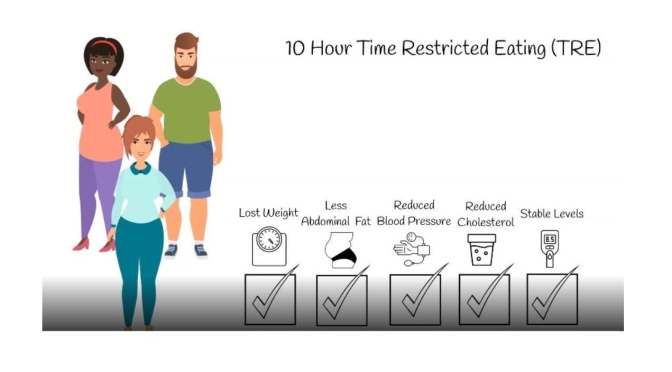
 Ten-hour time-restricted eating (TRE) limits daily dietary intake to a consistent 10-h window, creating a 14-h nightly fast. Researchers studied whether TRE for 12 weeks in people with metabolic syndrome receiving standard medical care (including medications to lower cholesterol and blood pressure) improves markers of health. TRE led to weight loss, healthier body composition (including decreased waist circumference), lower blood pressure and levels of cardiovascular disease-promoting lipids (i.e., “bad cholesterol” levels), and more restful sleep. TRE could be an effective dietary intervention to help those with metabolic syndrome.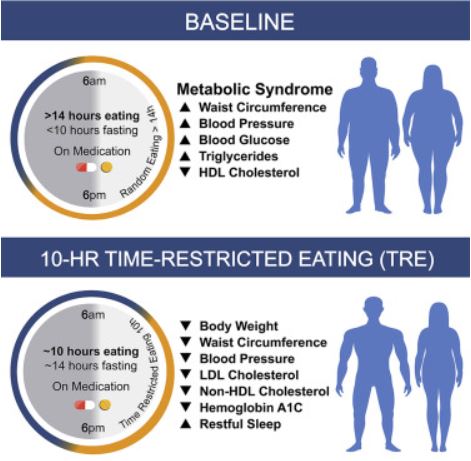
 …a new study from the
  “A reduction in body weight of 12 percent is like getting a human from 200 pounds down to 176, which is a significant change,” said first author Md Nurunnabi, a former Postdoctoral Fellow at the Wyss Institute and SEAS who is now an Assistant Professor of Pharmaceutical Sciences at The University of Texas at El Paso. “Our goal is to translate this work into a product that can help people maintain a healthier weight, and this study marks the very beginning of that journey.”
 This study, combined with the results of previous studies, supports the hypothesis that engaging in morning exercise may result in more weight loss compared to engaging in a similar amount of exercise later in the day. Furthermore, we observed individuals who performed most of their exercise sessions in the afternoon or evening tended to have slightly higher levels of EI and reduced NEPA and NEEx, suggesting that there are potentially important differences in the components of energy balance based on time of day exercise is performed.
 Boomers Daily