The coronavirus pandemic could have a lasting impact on city life. WSJ’s Jaden Urbi explores how the ways we work, shop and play are changing as urban designers refocus on health, tech and open spaces.
Illustration: Zoë Soriano

The coronavirus pandemic could have a lasting impact on city life. WSJ’s Jaden Urbi explores how the ways we work, shop and play are changing as urban designers refocus on health, tech and open spaces.
Illustration: Zoë Soriano
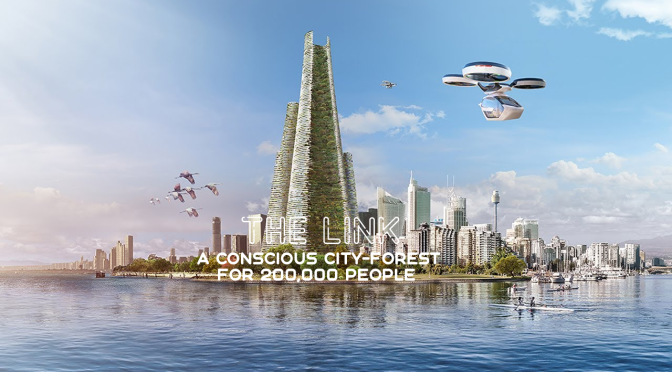
With its 300 floors THE LINK will reach the maximum height of 1200 meters. The project combines sustainability with population density, and it aims to build up a zero-energy city-building. The city-forest is made of 4 main towers, connected one each other, equipped with green areas on each level, natural light and ventilation. 100% green transport systems. The vertical city allows its residents to get into a healthier lifestyle, in connection with natural elements, re-thinking the traditional concept of community and society.
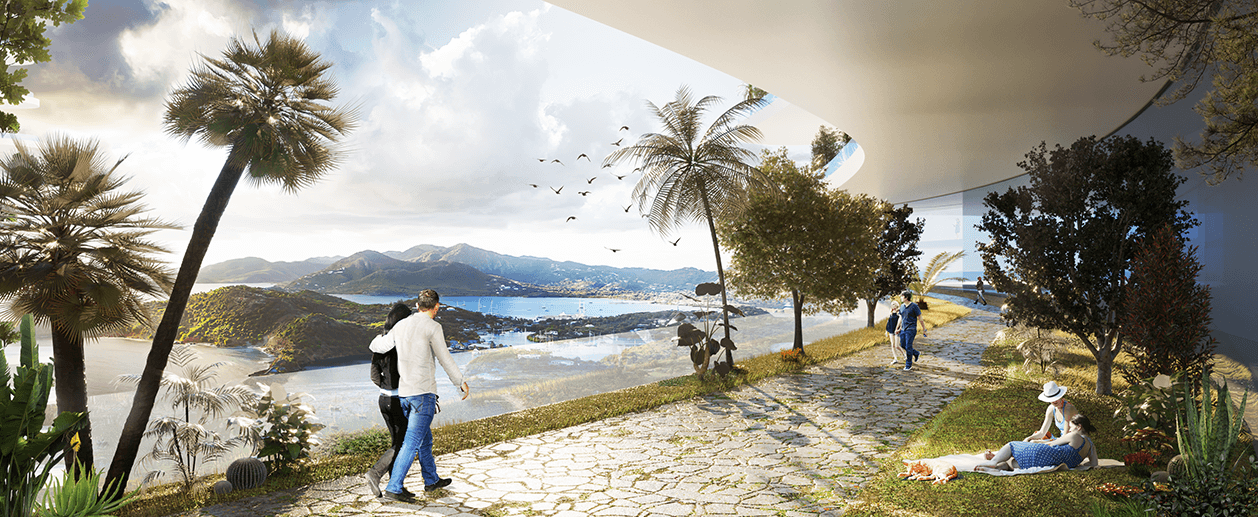
 Architecture firm Luca Curci Architects presents THE LINK, a vertical city for 200,000 people. The project aims to rise above the challenge of population density by successfully combining vertical expansion with economic innovation. A self-sustainable city-forest, that will absorb CO2, produce oxygen for cleaner air and increase urban biodiversity. With interconnected communities’ programs. No suburbs. Less poverty oriented.
Using an urban operating system with an AI (Artificial Intelligence), the vertical city will be able to manage the global city temperature, levels of CO2 and humidity, will control the global lighting system, and will storage extra energy produced by solar panels and other renewable energy resources.
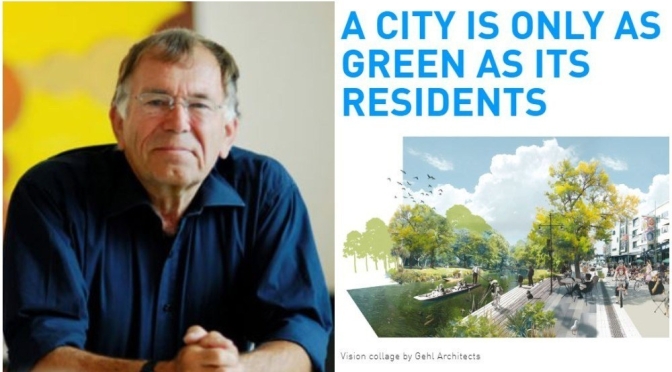
 Andrew Tuck brings you a special interview with Jan Gehl, perhaps the world’s best-known urban designer. Now 83, he’s waiting this pandemic out while isolating at home, enjoying spring from his garden.
Jan Gehl Hon. FAIA is a Danish architect and urban design consultant based in Copenhagen whose career has focused on improving the quality of urban life by re-orienting city design towards the pedestrian and cyclist. He is a founding partner of Gehl

 Boomers Daily