The Wall Street Journal (October 15, 2024): In Ukraine and the Red Sea, low-tech drones are changing the way wars are fought. The U.S. and other countries are investing in a new and inexpensive way to retaliate: lasers.
Chapters: 0:00 Laser weapon systems 1:03 The LOCUST 2:57 Targets 3:40 Weaknesses 4:56 Future challenges and deployment
Compared with traditional weapons, lasers present some key challenges: they have a shorter range, limited power and can be harder to fix when issues arise. WSJ explains how the BlueHalo LOCUST laser weapon system works and why the tech is so difficult to perfect.
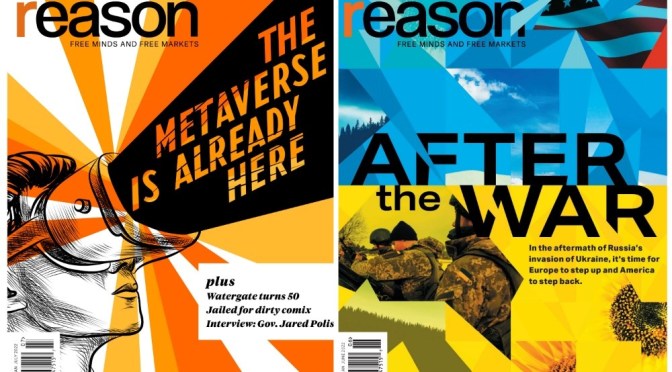
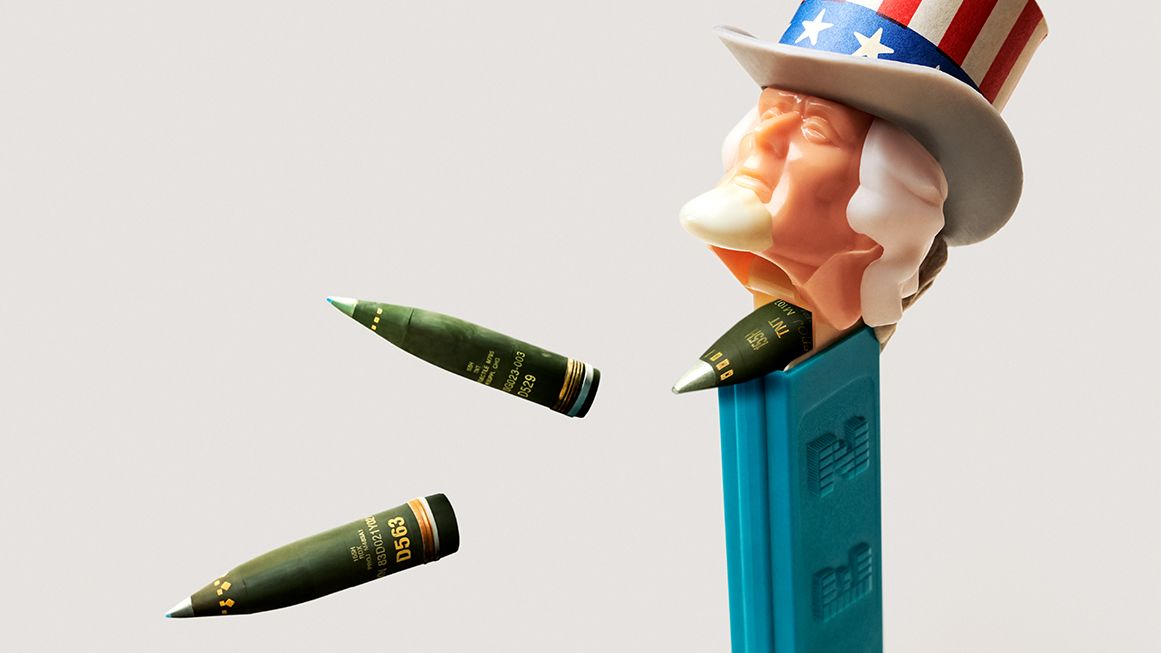
REASON MAGAZINE (March 21, 2024) – The latest issue features ‘What If America Runs Out Of Bombs?’ – Due to overzealous interventionism, the U.S. is dispensing munitions faster than they can be replaced…
What if America Runs Out of Bombs?
The U.S. is dispensing munitions to Ukraine and Israel faster than they can be replaced.
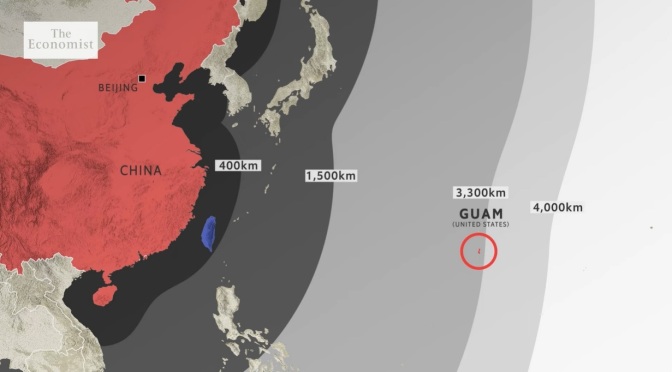
The Economist (January 11, 2024) – Guam, an island in the northern Pacific, is just 48km long and has a population of about 170,000. So why is it so important to America’s strategy to defend Taiwan from a potential Chinese invasion?
Video timeline: 00:00 – Where is Guam? 00:13 – Why is it so important? 01:00 – What makes it vulnerable?
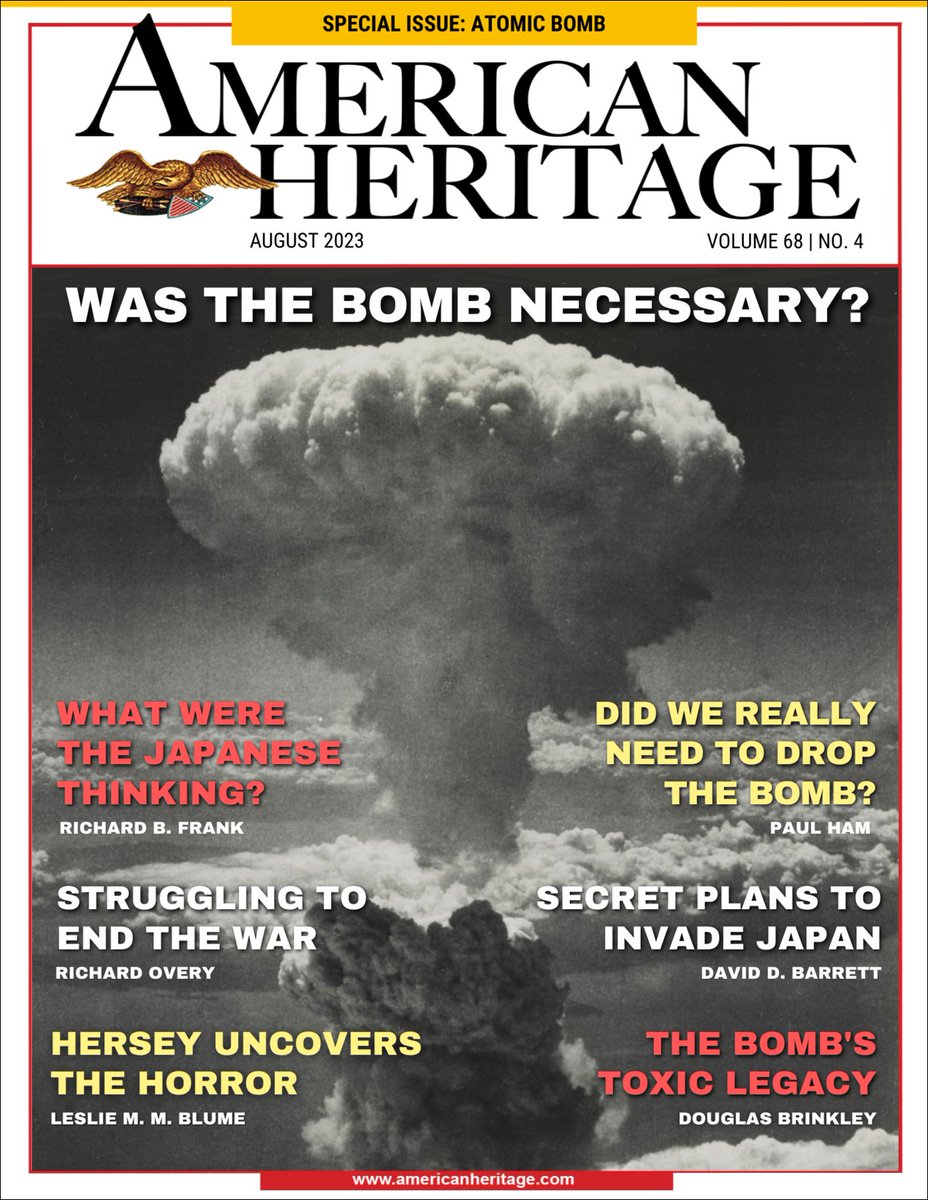
American Heritage Magazine (August 2023) – This World War II issue features ‘Was the Bomb Necessary?’; Struggling to End the War; What were the Japanese Thinking?; Hersey Uncovers the Horror, The Bomb’s Toxic Legacy, and more…
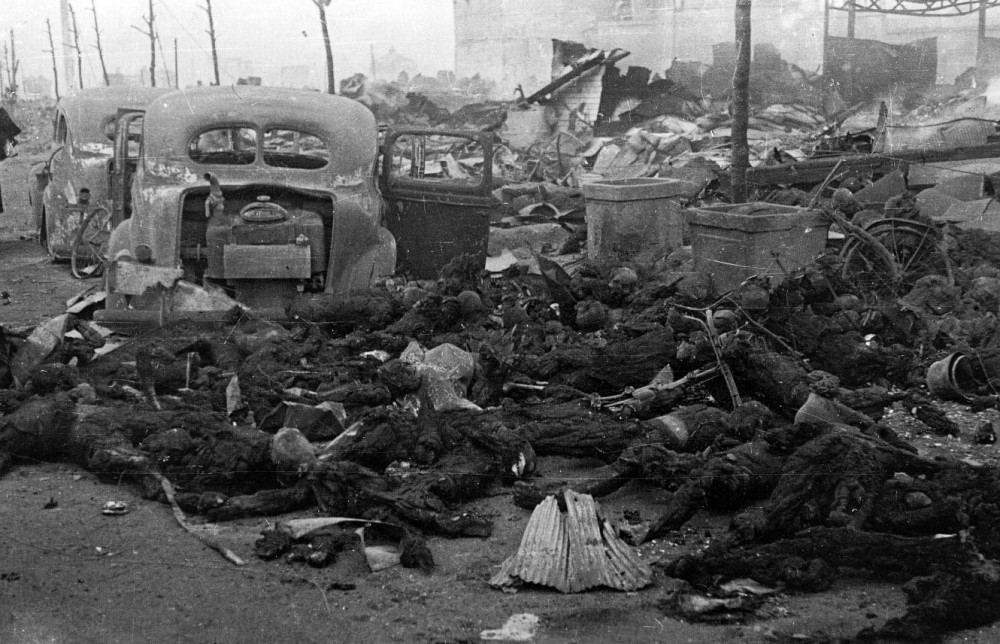
American bombings in Japan, such as the firebombing of Tokyo during Operation Meetinghouse on March 10, 1945, left approximately 84,000 civilians dead. Photo by Ishikawa Koyo
In the spring of 1945, American bombing raids destroyed much of Tokyo and dozens of other Japanese cities, killing at least 200,000 people, without forcing a surrender.
After the bloody battles at Iwo Jima and Okinawa, planners feared as many as two million American deaths if the US invaded the Japanese homeland.
By the summer of 1944, U.S. military power in the Pacific Theater had grown spectacularly. Beginning days after the D-Day invasion in France, American forces launched their largest attacks yet against the Japanese-held islands of Saipan on June 15, Guam on July 21, and Tinian on July 24. Situated 1,200 to 1,500 miles south of Japan in the crescent-shaped archipelago known as the Marianas, they were strategically important, defending the empire’s vital shipping lanes from Asia and preventing increased aerial attacks on the homeland.
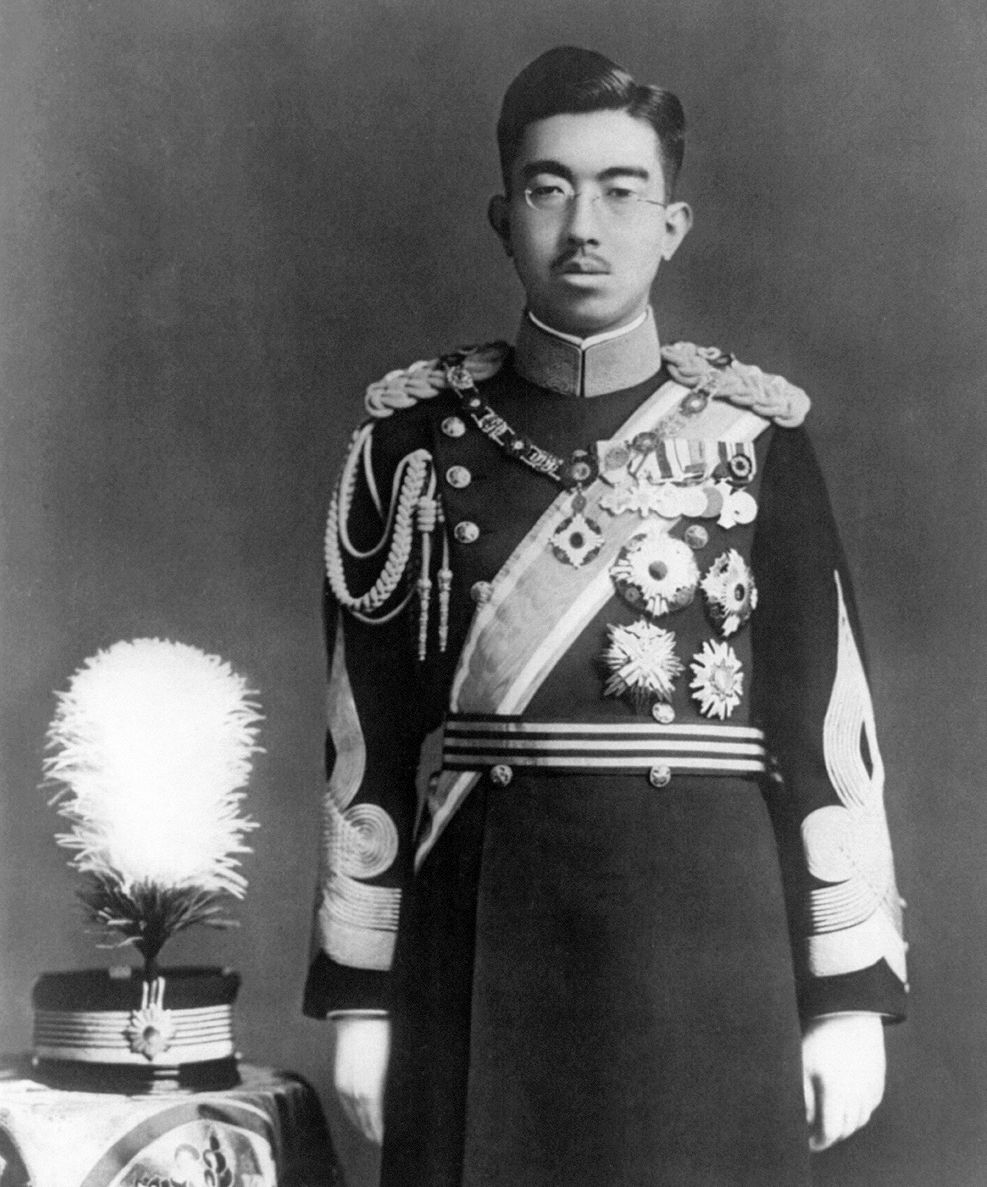
Much of the debate over ending the war centered on the role of Emperor Hirohito, the “living deity,” after the conflict. Library of Congress
As defeat became inevitable in the summer of 1945, Japan’s government and the Allies could not agree on surrender terms, especially regarding the future of Emperor Hirohito and his throne.
As the Allied armies closed in on the German capital in 1945, the complications for ending the war in Europe paled, in comparison with the difficulty of forcing a Japanese surrender. For the Japanese military, the concept was unthinkable, a state of mind confirmed by the hundreds of thousands of Japanese servicemen who had already been killed, rather than giving up a hopeless contest.
For the Japanese leadership, the whole strategy of the Pacific war had been predicated on the idea that, after initial victories, a compromise would be reached with the Western enemies to avoid having to fight to a surrender. Switzerland was thought of as a possible neutral intermediary; so, too, the Vatican, for which reason a Japanese diplomatic mission was established there early in the war.
The Japanese government watched the situation in Italy closely, when General Pietro Badoglio became prime minister after the fall of Mussolini’s fascist regime, and remained in power after the Italian surrender in 1943. If Badoglio could modify unconditional surrender by retaining the government and Victor Emmanuel as king, then a “Badoglio” solution in Japan might ensure the survival of its imperial system.
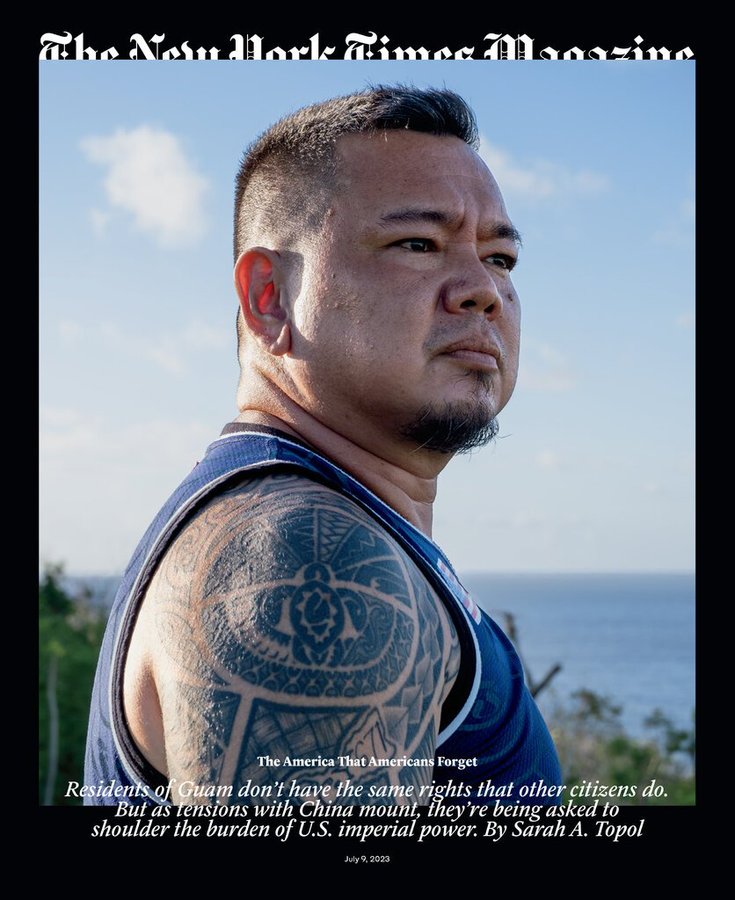
THE NEW YORK TIMES MAGAZINE (July 9, 2023) – In this week’s cover story, Sarah A. Topol reports on how the U.S. military continues to build up Guam and other Pacific territories — placing the burdens of imperial power on the nation’s most ignored and underrepresented citizens. Plus, an interview with the British writer-actress Phoebe Waller-Bridge, a profile of the winemaker Maggie Harrison and inside the D.N.C.’s primary problem.
As tensions with China mount, the U.S. military continues to build up Guam and other Pacific territories — placing the burdens of imperial power on the nation’s most ignored and underrepresented citizens.
Waller-Bridge, 37, is co-starring in the just-released “Indiana Jones and the Dial of Destiny.” (This is after previously contributing to the screenplay for a film about another iconic character: the 2021 James Bond effort, “No Time to Die.”) Further out on the horizon, Waller-Bridge, who also created the spy-thriller series “Killing Eve,” is working on a show based on the “Tomb Raider” video game for Amazon Studios. (At the time of publication, though, that show’s progress is currently on hold because of the W.G.A. writers’ strike.)
Britain’s political fever dream continued apace this week as Rishi Sunak became prime ministerwithout anyone even voting for him. The former chancellor, the country’s third prime minister in less than two months and the fifth in six years, is also the UK’s first leader of colour and the first Hindu to take the office.
Jonathan Freedland considers how big a blow Truss’s ill-judged stint in power has delivered to the school of neoliberal economic thought.
Brazil also faces a judgment day this weekend,as Jair Bolsonaro and Luiz Inácio Lula da Silva square up in a presidential runoff of deep significance for the country and the planet, with the protection of the Amazon at stake. The outcome is on such a knife-edge that not even the nation’s gangsters can decide who to vote for, as our Latin America correspondent Tom Phillips reports.
On the subject of the environment, don’t miss Naomi Klein’s long readabout how Egypt’s government has used the coming Cop27 conference to greenwash its own oppressive political activities.
Then, there’s a revealing interview with Chelsea Manning, who opens up to Emma Brockes on what really happened when she leaked thousands of classified US military documents.
The Japanese attack set America on a course toward military hegemony; recent administrations have walked it back. We ask what the country would fight for now.
A clash of priorities between national and city-level politicians the world over makes for fraught politics on car ownership. And our columnist envisages how the office will compete with home in a post-pandemic world.
President Biden orders U.S. airstrike targeting Iran-backed militia, GOP mayors embrace pandemic relief plan, and complaints against airlines and travel agencies hit record high.











 T
T









 Boomers Daily