
Bury your nose in tales of neurosyphilis, gender identity, the medical mysteries of sleep disorders, and more. JAMES DOLBOW
The Nocturnal Brain: Nightmares, Neuroscience and the Secret World of Sleep
Inspired by the legendary book The Man Who Mistook His Wife for a Hat by the late Oliver Sacks, neurologist and sleep scientist Guy Leschziner tells the curious true stories of his patients, their fascinating sleep disorders, and the neuroscience behind each. Also like the works of Sacks, The Nocturnal Brain is written with considerable introspection and wonder about each patient’s case, taking you on a journey from the first patient encounter, to diagnosis, and through treatment. The unusual and often bizarre cases will keep you intrigued and immersed, and make this unique book one you will find yourself looking forward to making time to read.
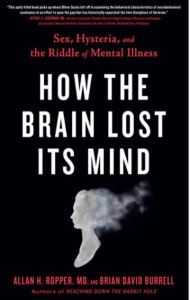 How The Brain Lost Its Mind: Sex, Hysteria, and the Riddle of Mental Health
In this mindful reflection on American and European pasts, authors Allan H. Ropper and Brian Burrell, also the writers of Reaching Down the Rabbit Hole, address our modern concept of mental illness by reviewing the interesting true story of the syphilis epidemic of the 19th century. This little known and fascinating history of neurosyphilis—how it was handled by society and medicine and how it shaped today’s understanding of mental illness—helps address not only why many stigmas exist, but why so many have persisted. This book will take you on an incredible journey through the puzzling diagnosis, eclectic treatments, and lasting social effects of the neurosyphilis epidemic of the 1800s, as well as offer important insight into the difference between diseases of the brain and the mind. This book is perfect for any scientist, psychologist, or historian with even the smallest interest in medical history or mental health theory.
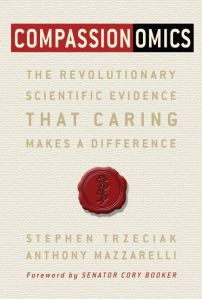 Compassionomics: The Revolutionary Scientific Evidence that Caring Makes a Difference
It is no secret that today’s medical atmosphere scarsely resembles anything similar to that of 50 years ago. Many have argued that this is in large part due to a lack of compassion in the modern medical system. If this is the case, where have we gone wrong, and is there scientific evidence to support that compassion is even beneficial to healthcare, personal relationships, and professional lives? These questions are raised and explored by authors Stephen Trzeciak and Anthony Mazzarelli through the telling of true stories of medical providers and patients that help demonstrate the incredible effect of the human connection. Coupled perfectly with these gripping stories are easily readable summaries of decades of research studying the effects of compassion as well as its implications in our lives. Addressing topics from healthcare cost to provider burnout, from caring for others to caring for ourselves, this evidence-based analysis of the importance of compassion is a must-read for anyone interested in the social science and psychology of the care we give in all settings of our lives.
To read more: https://www.the-scientist.com/news-opinion/opinion–the-best-neuroscience-books-of-2019-66863

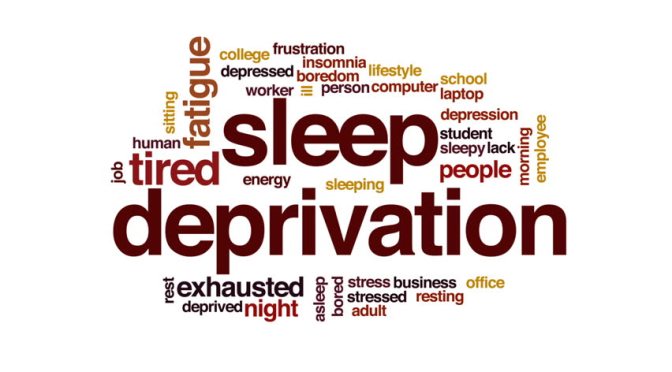
 “Dysfunctional sleep likely is by far the most prevalent comorbidity in CVD. This makes it essential to explore the nature of sleep, but this is reliant on the enthusiasm of clinician scientists,” according to the editorialists.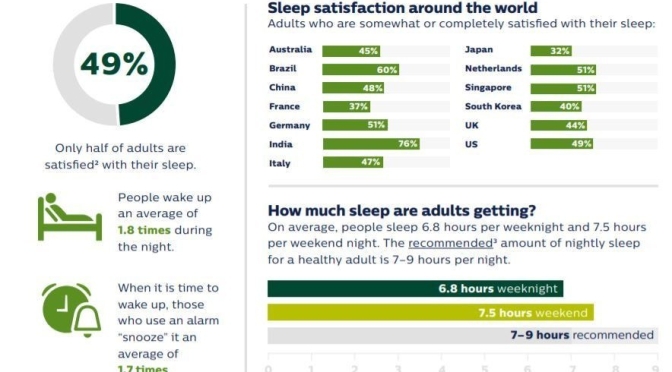
 “The decrease in people taking action to improve sleep is alarming, especially when it is clear people around the world deeply value sleep. Sleep deficit impacts people both mentally and physically, so we need to educate people on available sleep resources and empower them with the confidence that their efforts will pay off,” said Mark Aloia, PhD, Global Lead for Behavior Change, Sleep & Respiratory Care at Philips.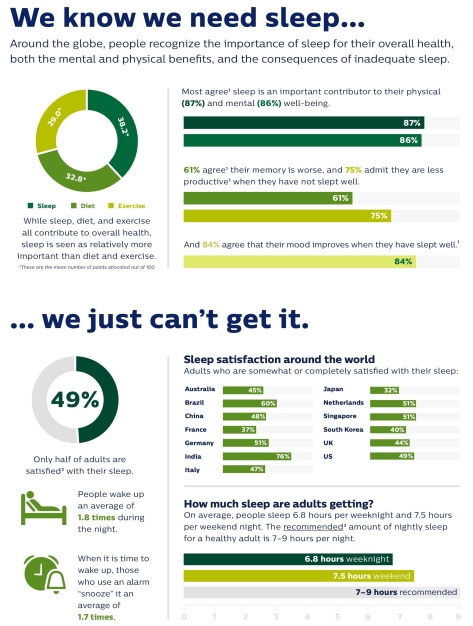
 The association between poor overall sleep quality and greater consumption of added sugars observed in the current study aligns with previous findings that intakes of confectionary and sugar‐sweetened beverages were higher in middle‐aged Japanese women reporting poor, compared with good, sleep quality.
 Our findings suggest that LAN (low-level light at night) exposure increases the incidence of diabetes in a general elderly population. Further research involving a large cohort with new-onset diabetes is warranted to elucidate these findings.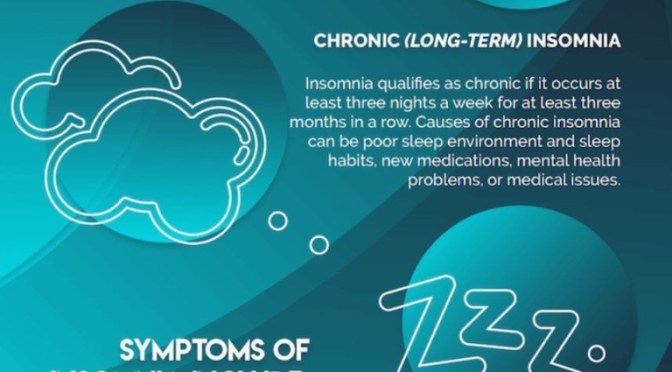
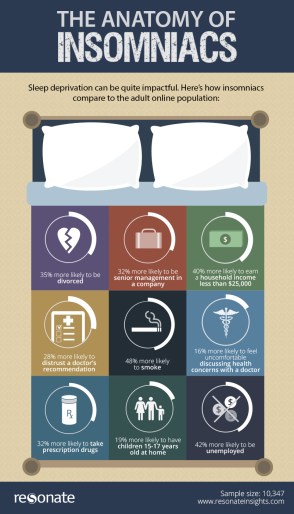 can develop a conditioned fear of not being able to sleep, which puts them in a state of hyperarousal when they attempt to fall asleep. This makes their inability to sleep a self-fulfilling prophecy.
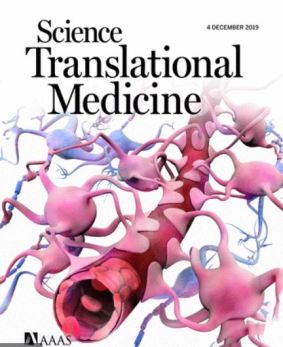 “Amyloid is important in initiating disease, but the actual damage in the brain is probably due to the accumulation of tau,” Holtzman told MedPage Today. “Normally, tau protein is inside cells, but there is more and more evidence suggesting that its spread to different parts of the brain is responsible for the progression of Alzheimer’s disease.”
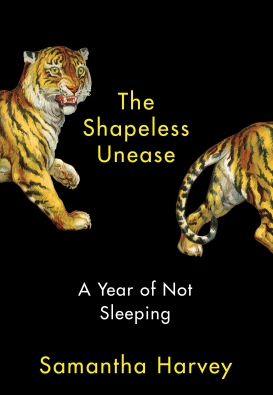 In 2016, Samantha Harvey began to lose sleep. She tried everything to appease her wakefulness: from medication to therapy, changes in her diet to changes in her living arrangements. Nothing seemed to help.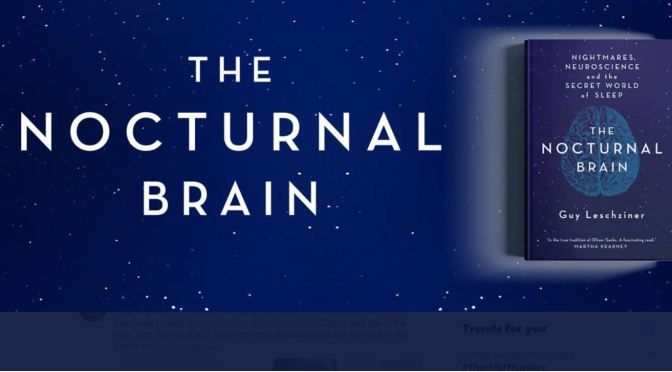
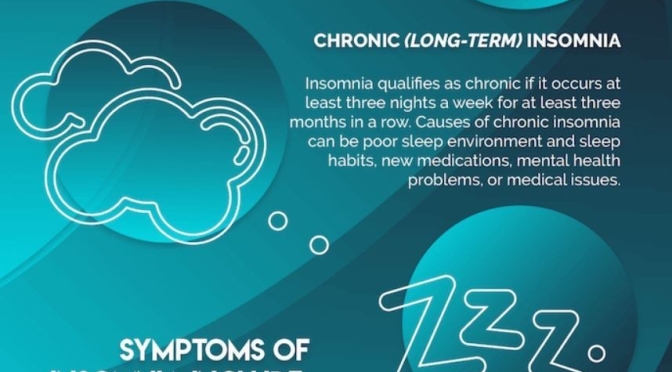
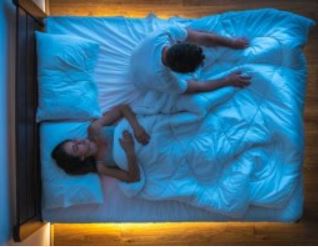 Beyond the constant tossing and turning of a sleepless night, it might surprise you to know that insomnia is affecting a fair hunk of the Australian population. A recent study released by the Sleep Health Foundation found that 15 per cent of us suffer from chronic insomnia disorder, and very few people are choosing to access help.
 Boomers Daily