
Tag Archives: Science

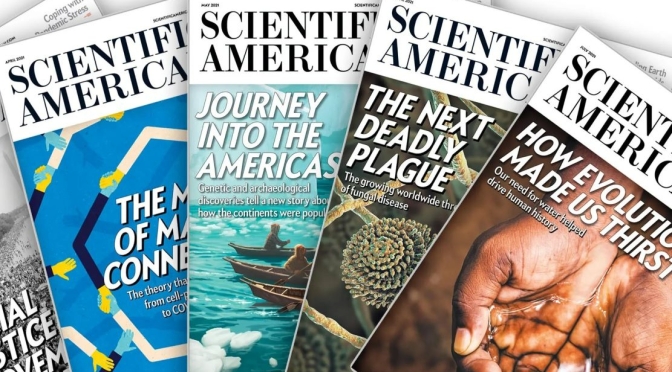
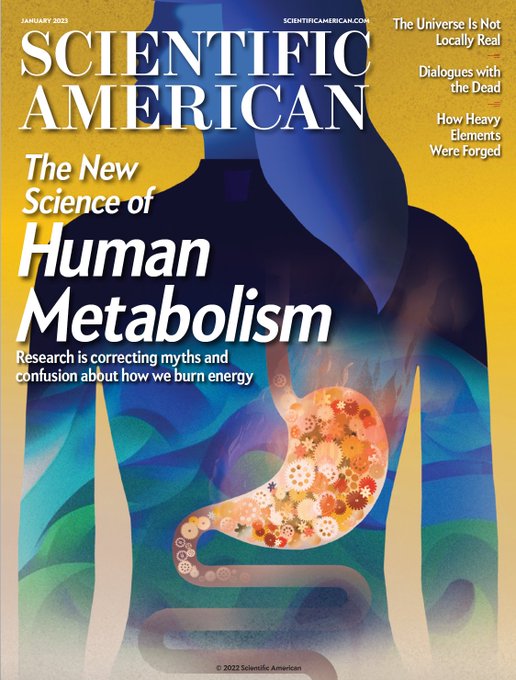
Cover Preview: Scientific American – January 2023

Scientific American – January 2023 issue:

Image

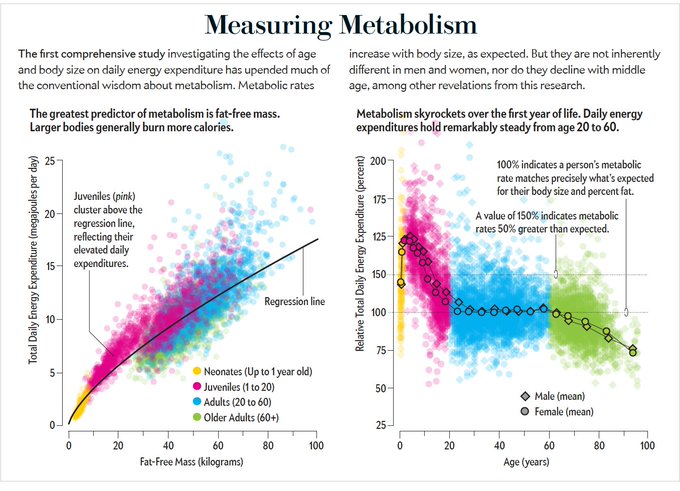
New Human Metabolism Research Upends Conventional Wisdom about How We Burn Calories

Metabolism studies reveal surprising insights into how we burn calories—and how cooperative food production helped Homo sapiens flourish

How Star Collisions Forge the Universe’s Heaviest Elements

Scientists have new evidence about how cosmic cataclysms forge gold, platinum and other heavy members of the periodic table

This Spiritual Tradition Could Be the Most Poetic Bereavement Therapy Ever Documented

A mourning ritual of dialogues with the dead speaks to the fragility of theological diversity

Image

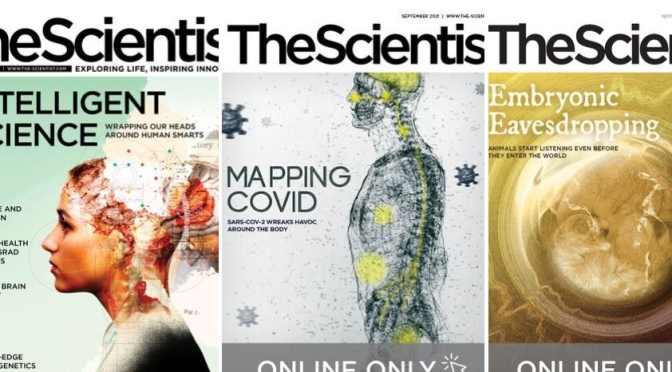
Reviews: TheScientist Magazine – December 2022

TS Digest December 2022, Issue 2 Cover

TheScientist Magazine (December 2022):

2022 Top 10 Innovations

This year’s crop of winning products features many with a clinical focus and others that represent significant advances in sequencing, single-cell analysis, and more.

Implantable Device Zaps Cancer Cells Using Electric Fields

A wireless brain implant inhibits tumor growth in rats, overcoming many design flaws of current devices used to treat glioblastoma.

READ ONLINE

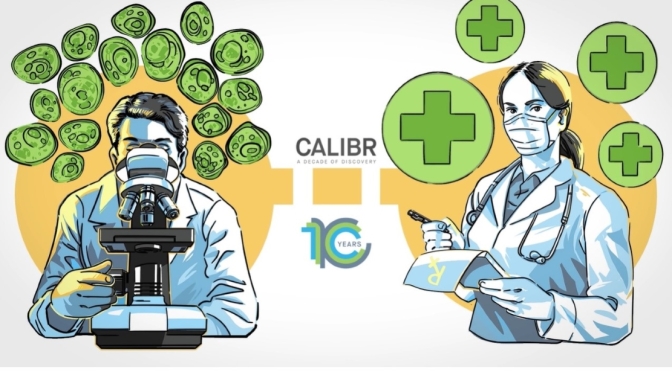
Review: Scripps California Institute For Biomedical Research (CALIBR) At 10 YRS

Calibr at Scripps Research is celebrating a major milestone, a decade of discovery. Take a look at the past 10 years of scientific innovation, and see what the next 10 years have in store.

The California Institute for Biomedical Research (Calibr) is a first-of-its-kind, nonprofit translational research institute dedicated to accelerating the next generation of medicines, celebrating its 10-year anniversary in 2022. Affiliated with Scripps Research—among the most innovative institutes worldwide—we spearhead drug discovery from a steady flow of pioneering science.

Our self-sustaining model encourages broad and bold exploration with far-reaching goals, yet rapid transition of our most successful, high-impact programs into the clinic. We pursue audacious and imaginative ideas—bridging scientific and technological advances to develop new medicines for unmet medical needs.

Learn more: https://www.scripps.edu/science-and-m…

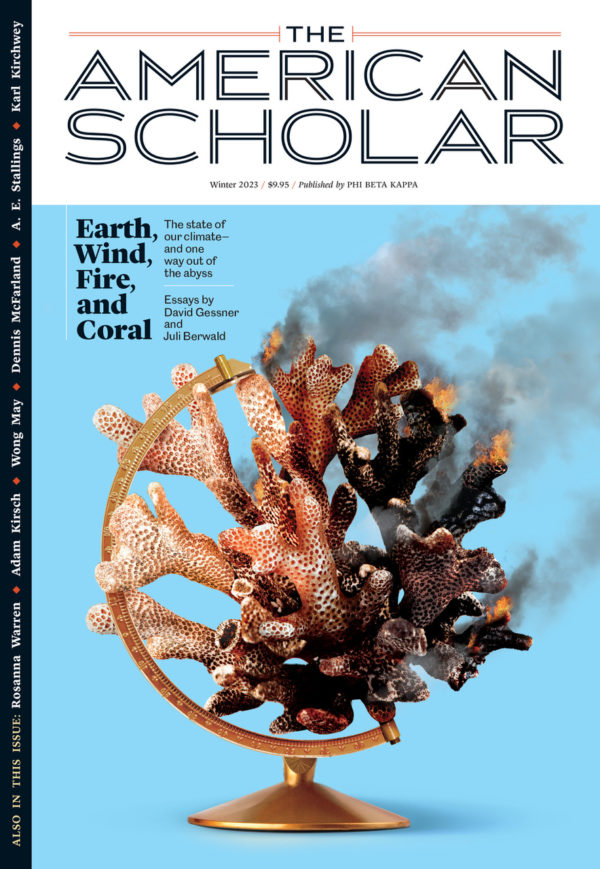
Culture: The American Scholar – Winter 2023

Winter 2023

@TheAmScho Winter 2023 issue:

The Road to Paradise and Back

Fires in the West, hurricanes in the East—what it’s like on the ground as we confront our rapidly changing world

The Corals and the Capitalist

The key to avoiding an ecological catastrophe might be found in the wealth of nations and the spirit of innovation

Our Founding Contradiction

The entrenched dichotomy at the center of the national story

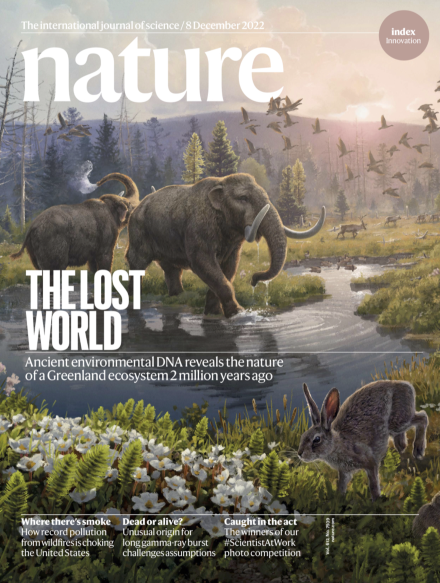
Research Preview: Nature Magazine – Dec 8, 2022

Volume 612 Issue 7939

nature – December 8, 2022 issue:

Oil-palm farms that spare rainforests menace grasslands instead

Programmes to avoid deforestation could have unintentional impacts on a variety of ecosystems.

Fruit-fly inspired robots hold steady in a gust of wind

Flying devices weighing only 10 milligrams could be controlled by an unconventional set of instruments.

‘Prisoner’s dilemma’ pinpoints plants that cooperate

Game theory helps to identify genetic variants that give plants the ability to thrive in crowded conditions.

The search for new physics gets a new partner: the Sun

A fifth fundamental force predicted by some alternative theories of gravity has not been seen in the solar interior

Molten rock lurks not far below Yellowstone tourists’ feet

The magma chamber of an enormous volcano lies closer to Earth’s surface than previously estimated.

Research Preview: Science Magazine – Dec 9, 2022

Science Magazine – December 9, 2022 issue:

Alzheimer’s drug stirs excitement—and concerns

Antibody slows cognitive decline, but deaths, brain bleeds, and swelling mar results

NASA radar altimetry mission to study hidden ocean swirls

Enhanced resolution of SWOT satellite will highlight how small eddies soak up heat and carbon

Image problems besiege Stanford president

Marc Tessier-Lavigne’s early papers are subject of school and journal investigations

In China, ‘zero COVID’ has become a Catch-2

Population chafes at control measures, but lifting them now would carry huge risks

New U.S. law aims to light up medical research on cannabis

Biden signs bill streamlining pot studies and production

Preview: New Scientist Magazine – Dec 10, 2022

New Scientist Default Image

New Scientist – December 10, 2022 issue:

Self-knowledge: How to know your true personality and why it matters

When it comes to knowing yourself, your own perception of your personality doesn’t necessarily align with that of people around you. But which is more accurate? And can discovering your true nature lead to a better life?

What the world’s largest liquid mirror telescope means for astronomy

The International Liquid Mirror Telescope, perched high in the Himalayas, has finally started making observations. If it succeeds, we could one day put a much larger liquid telescope on the moon

Flying squirrels carve nuts to store them securely in tree branches

Buried nuts would quickly rot in the tropical rainforests of Hainan Island, so flying squirrels have taught themselves carpentry instead

Reviews: The Ten Best Science Books Of 2022

Smithsonian Magazine – Ten Best Science Books of 2022 – December 7, 2022: From a detective story on the origins of Covid-19 to a narrative that imagines a fateful day for dinosaurs, these works affected us the most this year

An Immense World: How Animal Senses Reveal the Hidden Realms Around Us by Ed Yong

Preview thumbnail for 'An Immense World: How Animal Senses Reveal the Hidden Realms Around Us

In An Immense World, science journalist Ed Yong dives into the vast variety of animal senses with a seemingly endless supply of awe-inspiring facts. As humans, we move through the world within our Umwelt—a term for subjective sensory experience Yong borrows from the Baltic German biologist Jakob von Uexküll. But every creature on Earth has its own Umwelt that we can scarcely imagine. Through interviews with scientists around the globe, Yong teases out the astonishing details of other animals’ perceptions, introducing us to their fantastic Umwelten. Scallops, for example, have up to 200 eyes with impressive resolution, but their brains are likely not complex enough to receive and process such crisp images. Some butterflies can perceive ultraviolet color patterns on their wings that distinguish them from other species. And hammerhead sharks have receptors that scan the seafloor for the electric fields emitted by hidden prey, “as one might use metal detectors,” Yong writes. But many creatures’ senses have been thrown off by human activity, he notes. For example, our visually centered society has erected artificial lights that disorient migrating birds and hatchling sea turtles.

Vagina Obscura: An Anatomical Voyage by Rachel E. Gross

Preview thumbnail for 'Vagina Obscura: An Anatomical Voyage

Perhaps no aspect of our anatomy is both more fascinating and misunderstood than the vagina—down to the very common usage of what that word means. A vagina isn’t the whole of a woman’s reproductive anatomy. Instead, the vagina is a muscular canal that’s part of many people’s reproductive systems, of varying genders, whether they were born with it or had it surgically constructed. Nuance exists in this territory that is so often overwhelmed by a tangle of science, myth and cultural perceptions, and journalist Rachel E. Gross has composed an enthralling, sensitive book that’s relevant to everyone no matter what your personal topography looks like.

The pages of Vagina Obscura contain plenty of cutting-edge popular science and historic reflection on everything from how ovaries were once miscategorized as female testicles to how operations for individuals injured in war paved the way for gender-affirming surgeries. The book is arranged by anatomical part, and Gross details the function each part carries out. Gross’ work stands out because the unfolding story is couched in what we’ve been wrong about, how our ideas have changed, and how every person—no matter their sex—shares far more in common than we often recognize. Everyone’s reproductive anatomy, as Gross notes, is made up of the same parts in different arrangements, a quirk of human development that underscores commonality. Gross’ exploration is far more than a natural history of human anatomy, but a narrative that busts myths and celebrates all that we’ve come to know about vaginas and their associated parts during a time when such clarity on sex, gender and bodily autonomy is more needed than ever. Where the popular understanding of human anatomy is sometimes shallow, Vagina Obscura brings depth. (Riley Black)

Breathless: The Scientific Race to Defeat a Deadly Virus by David Quammen

Preview thumbnail for 'Breathless: The Scientific Race to Defeat a Deadly Virus

In Breathless, David Quammen has constructed a masterful book about scientists’ efforts to understand SARS-CoV-2, the virus that causes Covid-19. Make no mistake, the book is not about healthcare and our response to Covid-19. The main character in this tale is the virus, and Quammen crafts a detective tale about the coronavirus SARS-CoV-2 by chronicling the efforts of scientists around the world to identify it, search for its origins, understand how it mutates and respond to it. He interviewed 95 scientists and allows readers to look over the shoulders of many of them as they use their specialized expertise to study the virus. To show how the scientific process works on a global scale, he details the work of a genomic epidemiologist here, an evolutionary virologist there and a computational biologist somewhere else. Each expert adds or refutes some important detail about the rapidly evolving virus that has created a pandemic. Each discovery builds on those that came before.

Quammen has said he wrote the book with no outline, instead allowing each addition to naturally form on the next, in the way a crystal forms. He has the skills and knowledge to do this thanks to decades spent writing captivating science books, on everything including evolution and the spillover of disease from animals into humans. What results from his immense effort is a solid, reliable and entertaining scientific thriller about a shifty and prolific virus that is still very much evolving. (Joe Spring)

READ MORE

Science: 2 Million Year-Old DNA Unveils Ancient Greenland Landscape

Two million year-old DNA found in frozen soil has been sequenced, revealing a surprising picture of an ancient landscape. Extinct creatures including, unexpectedly, elephant-like mastadons turn out to be among the beasts roaming Greenland. Researcher Eske Willerslev explains how DNA found in the environment can be used to reconstruct the past as so-called ‘eDNA’ becomes a vital tool for palaeontologists.

Read the paper: https://www.nature.com/articles/s4158…

Research Preview: Nature Magazine – Dec 1, 2022

Volume 612 Issue 7938

Science Magazine – December 1, 2022 issue:

Research Highlights

Fast-evolving genome regions point to DNA that sets humans apart

The collection of 1,500 rapidly changing segments is rich in sequences associated with brain development and disease.

Prehistoric rubbish hints that early cooks cared about flavour

Ancient chefs made bitter plants taste better with techniques such as grinding and soaking.

Off the hook: electrical device keeps sharks away from fishing lines

Such interventions could greatly reduce accidental catches of threatened species.

Devastating drought in East Africa is traced to nearby seas

Understanding the weather pattern known as the Indian Ocean Dipole might help to predict lack of rainfall in countries such as Kenya.