

Tag Archives: Rivers
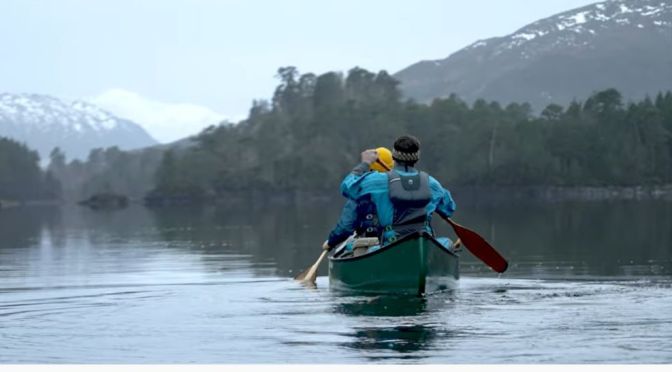
Nature: ‘The Glen Beyond’ – A Canoe Journey Into The Scottish Highlands
In February 2022, the British Isles were hit by three consecutive storms, some of the strongest seen in decades. In the days before the storms arrived, we decided to change the plan for our canoeing expedition whilst we were already on our way to Scotland. Instead of paddling the exposed lochs along the west coast, we opted for a more sheltered location. A glen tucked away right in the heart of the highlands. This film showcases the highlights of our journey.
Read the full article written by Ian Finch here: https://www.sidetracked.com/the-glen-…
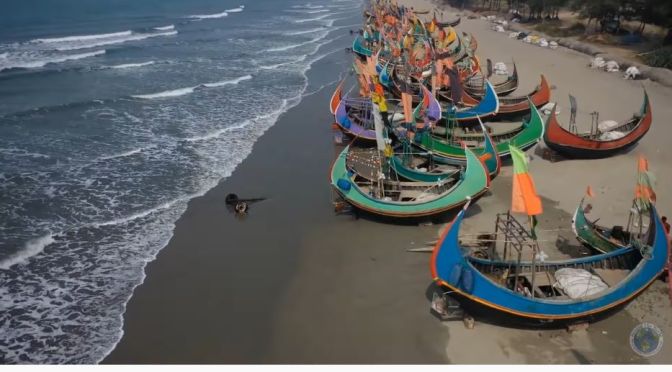
Travel: The Top Ten Places To Visit In Bangladesh
Bangladesh, which means the land of the Bengals, is one of the most populated countries in the world with an estimated 170 million people. In the past, Buddhists ruled for centuries, but by the 10th century, Bengal was primarily Hindu.
In 1576, Bengal became part of the Mogul Empire, and the majority of East Bengalis converted to Islam. Bengal was ruled by British India from 1757 until Britain withdrew in 1947. At this time, the province of Bengal was partitioned into East Bengal and West Bengal.
In 1971, Bangladesh fought Pakistan for independence and became the independent country Bangladesh that it is today. The country is home to the world’s largest river delta, and the longest natural uninterrupted sea beach in Asia, which is 120 km long. The villages appear to be buried in groves of mango, jackfruit, bamboo, betel nut, coconut, and date palm. However, only a small portion of the country’s land surface is covered with forests.
The most significant feature of the Bangladesh landscape is provided by the rivers. None of the major rivers of Bangladesh originates within the country’s territory. Thus, Bangladesh lacks full control over the flow of any of the streams that irrigate it. In addition, there are many severe storms during the rainy season. Each year between June and October, the rivers overflow their banks and inundate the countryside.
The inundations are both a blessing and a disaster. Without them, the fertile silt deposits would not be replenished, but severe floods regularly damage crops and sometimes take a heavy toll on human and animal populations. The typical household in Bangladesh, particularly in the villages, includes several generations of extended family. Most marriages are arranged by parents or other relatives, but increasing numbers of educated men and women choose their own partners.
The best time to discover Bangladesh is from October to March. The easiest and cheapest way to get around is by rickshaw. The rickshaws in Bangladesh are unique and colorful. Bangladesh is covered by more than 700 rivers, producing a deliciously lush landscape with more shades of green than you ever imagined. Traveling by boat is a way of life here, and provides a fabulous opportunity to see the country from a more unusual angle. As an un-touristed destination, Bangladesh also lacks much infrastructure, and traveling around can be hard work. So don’t try to pack too much into your itinerary. It’s a place to relax, meet people and discover new ideas and ways of life.
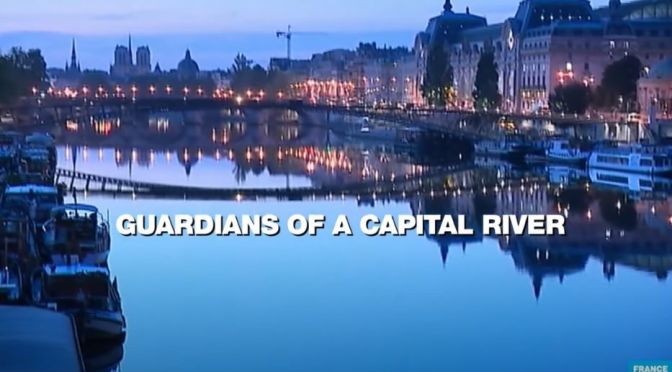
Views: Guardians Of The River Seine In Paris, France
The River Seine is the beating heart of Paris. The banks of the river attract 8 million visitors each year, making it one of the busiest places in the French capital. We meet those who take care of the Seine seven days a week, from the technicians checking water quality to members of the river patrol, who respond to emergency call-outs and use radar to explore the river’s depths.
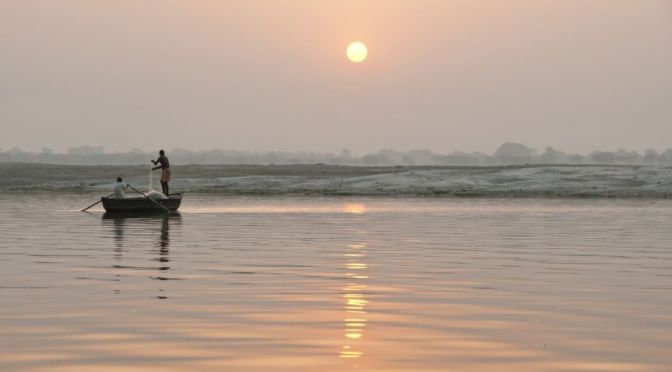
Ecosystems: Plastic Nets On The Ganges River, India
Follow a local fisherman as he navigates his community’s dependency of plastic nets and the effects this has on the river. The National Geographic Society, committed to illuminating and protecting the wonder of our world, funded the Sea to Source: Ganges expedition.
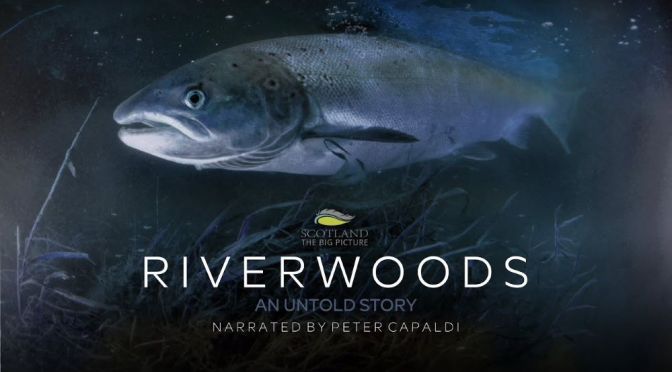
Nature: ‘Riverwoods – An Untold Story’ (Video)
Throughout Scotland, the fractured connections between salmon and the landscapes through which their rivers flow, are gradually being repaired through the foresight and positive actions of many different people. This spring, the Riverwoods documentary will embark on a 12-venue screening tour across Scotland, bringing this untold story to life.
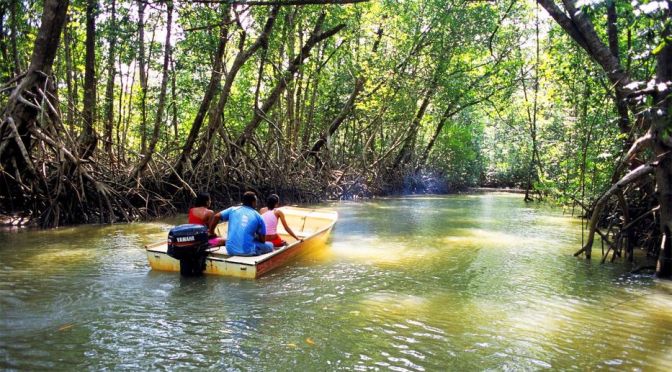
Preservation: Mangroves National Park In Congo
This Wednesday is International Wetlands Day. Worldwide, wetlands cover 12.1 million km². But more than 30 percent have been lost over the past 50 years, despite them playing a crucial role in mitigating the impact of climate change. One example is the Mangroves National Park in the Democratic Republic of Congo. It’s the only marine park in the country and it’s home to a wide variety of plants and rare animals, including sea turtles. But the park is increasingly threatened by poaching and illegal logging. The construction of a deep water port in the vicinity has also sparked controversy. Our correspondents report.
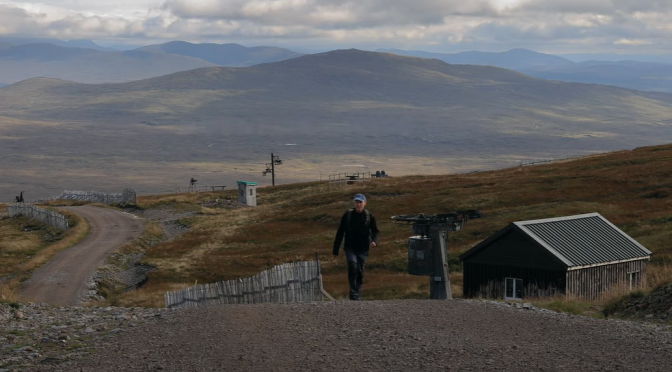
Scottish Highlands: Its Mists, Mountains & Lochs
“In September 2021 I visited the Highlands of Scotland for two weeks, capturing moments on video of the changing landscape – mist, mountains, rivers, lochs, Glencoe – as I hiked through various terrain.”
Russ Weymouth
Chapters: 00:00 – Glencoe 01:52 – Beinn Eighe National Nature Reserve 03:28 – Isle of Skye 04:05 – Images From The Mist 04:42 – Rivers and Lochs

Climate Change: Flooding Rivers Ravage Bangladesh
Bangladesh is struggling just to stay afloat. Literally: By 2050, it’s estimated that climate issues will displace one in seven of the country’s inhabitants.
This film takes the viewer on a journey through Bangladesh, exploring why overflowing rivers flood three-quarters of the country every year. We see how flooding threatens the country’s food security, how soil erosion thrusts thousands into homelessness, and how climate refugees are forced to flee their homes in a desperate act of survival.
Along the way, we meet communities adapting to rising sea climate change by growing food on water. This is a strategy which could prove very useful in the near future, as rising sea levels threaten to inundate 11% of the country’s land in the next 30 years.
This documentary brings us to the front lines of the battle against catastrophic climate change in Bangladesh. It also tells the stories of activists who are bringing the dangers posed by man-made threats to light.
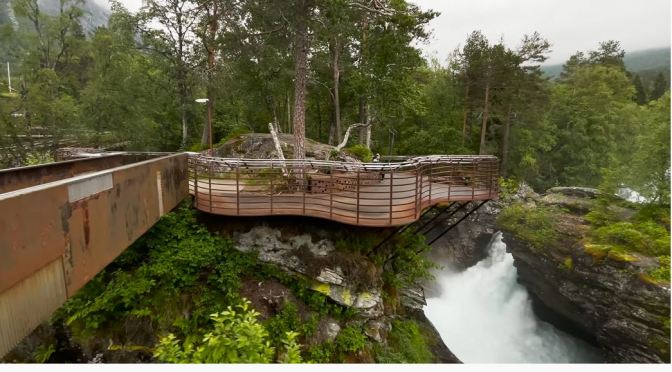
Views: Gudbrandsjuvet Ravine, West Norway (4K)
Gudbrandsjuvet is a 5 metres narrow and 20–25 metres high ravine through which the Valldøla River forces itself. The ravine is easily accessible from main road route 63 between Valldal and Trollstigen. The waters have formed a complex of deep potholes and intricate formations. The depth down from the surface of the water is about equal to the depth of ravine down to the river.
According to a story from the 1500’s, the ravine was named after a man called Gudbrand, who ran off with his new bride and saved himself from his angry pursuers by jumping over the ravine at its narrowest point. Gudbrand was declared an outlaw for his deeds, and lived the rest of his life in a stone hut in one of the side-valleys above Gudbrandsjuvet. The valley is still called Gudbrandsdalen to this day. One thing the story doesn’t mention is whether his bride followed him over the ravine…
 Boomers Daily