
From a Restaurant Dive online article:
 “What virtual kitchens, or the Kitchen United concept does, is create a new economic model, where no longer do [restaurants] have to invest in expensive real estate and fancy front-of-house overhead and dining rooms, [they] can share kitchen space, optimize capital that is there and hopefully create a more profitable model for delivery,” NPD Group Vice President David Portalatin told Restaurant Dive.
When Kitchen United received $40 million in funding from RXR Realty during the summer, it became clear the two-year-old shared kitchen startup is paving a path for rapid expansion. The company will partner with the real estate company to open kitchens in New York City and the tri-state area.
This partnership fits within Kitchen United’s overall goal of opening 400 kitchen centers and 5,000 kitchens within the next few years. But it certainly isn’t alone in opening virtual kitchens, or restaurants without a traditional retail storefront. Grubhub, DoorDash and Uber Eats have all been trying their hand in delivery-only restaurants over the last two years.
To read more; https://www.restaurantdive.com/news/innovator-kitchen-united-restaurant-dive-awards/566463/
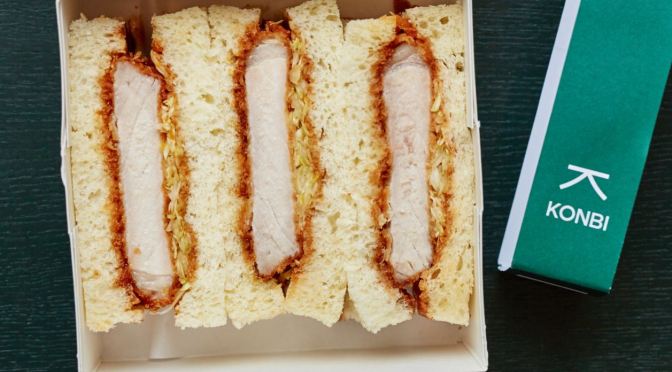
 …Nick Montgomery, who opened Konbi with Akira Akuto; both are alums of David Chang’s Momofuku restaurants in New York. American chefs talk about opening “odes” to little spots they stumbled upon in Tokyo, and while this 10-seat space is indeed Montgomery and Akuto’s ode to Japan’s
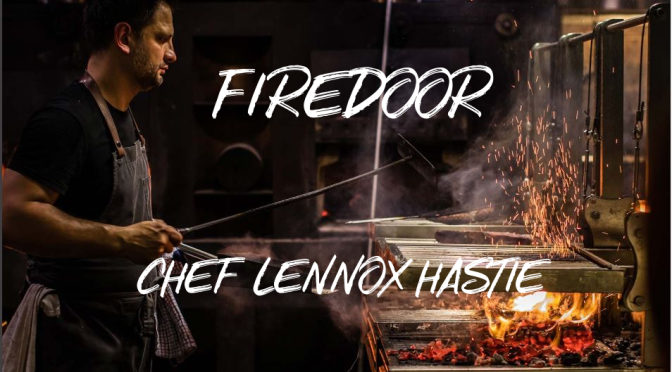
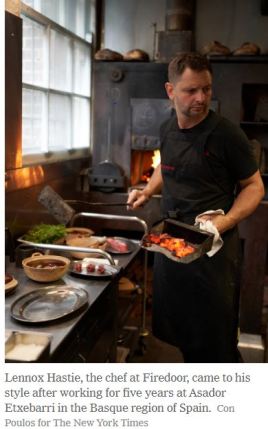 “Australian barbecue” is not, however, what Lennox Hastie, the chef at Firedoor, would use to describe his own cooking. Nor is it a term that’s been used much by anyone to describe any type of cooking. Here, the word “barbecue” is generally synonymous with the American term “cookout,” and, much like the cookout, it remains an integral part of Australia’s national identity.
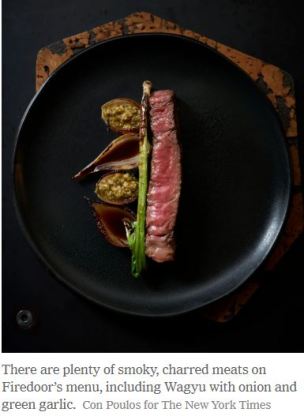 The kitchen is powered entirely by wood — there are no electric or gas ovens, burners or microwaves. Mr. Hastie came to this style after working five years at
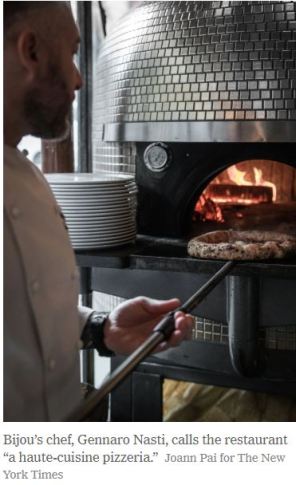 “There’s really an Italian movement that has exploded over the last three years,” Mr. Imbroisi said.
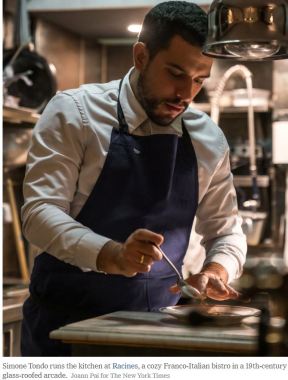 In April, the Right Bank welcomed an outlet of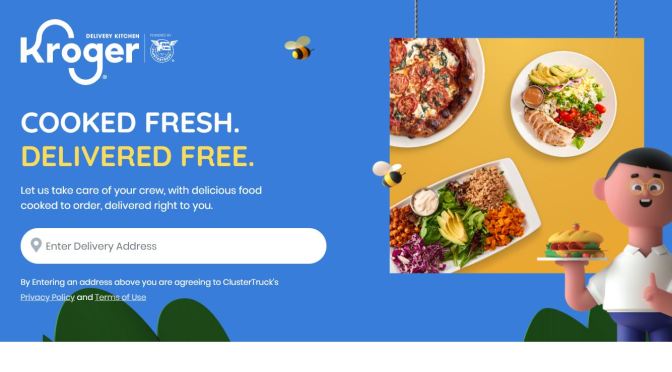
 “The way our customers order and receive meals is evolving, and ClusterTruck’s innovative culinary and digital design is cracking the code for the future of profitable meal delivery,” said Yael Cosset, Kroger’s CIO. “Kroger is leveraging ClusterTruck’s advanced technology to ensure our customers don’t have to sacrifice quality and value for convenience when it comes to meal delivery. Kroger Delivery Kitchen Powered by ClusterTruck will allow our customers to access restaurant-quality fresh and delicious meals like never before and without having to pay excessive service or delivery fees.”

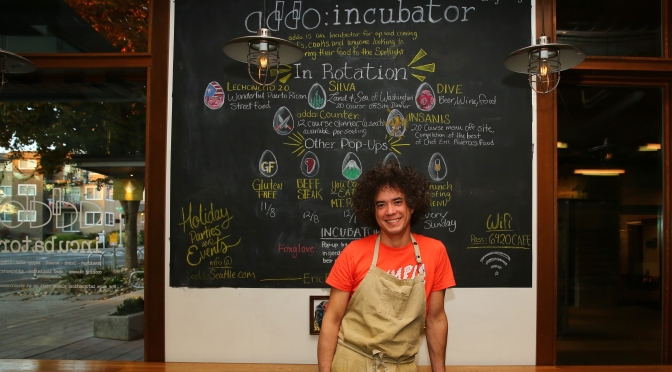
 Every possible step is done online, and for most meals customers must reserve—and often pay—in advance, essentially buying tickets through a service called Tock that’s mostly used only by high-end restaurants. This means no host manning a podium, no reservation or PR teams, no extra staff on a slow night, almost no food waste, and better guest communications. It also allowed them to go from 20 employees to four full-time and three part-time workers.
 Joe’s Stone Crab in Miami Beach, Fla., is the top-grossing independent restaurant in the country, according to Restaurant Business’ annual ranking of the Top 100 Independents. In its first time in the top spot, the restaurant brought in more than $38 million in 2018.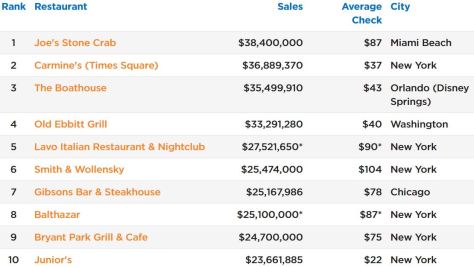
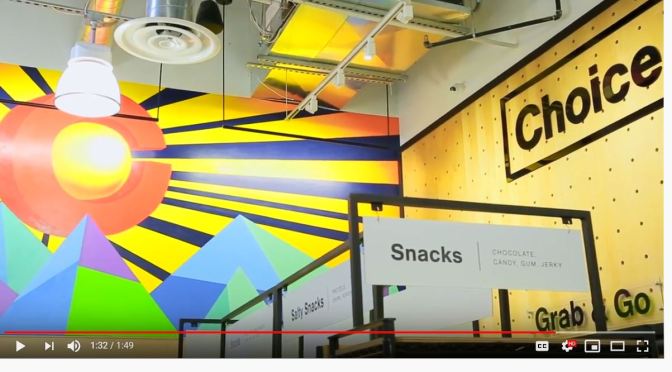
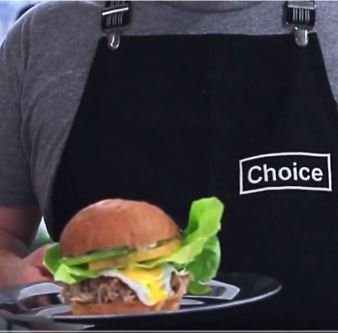 “We do inherently cross over multiple verticals so we compete for share against other fast casuals in Denver,” he said.
 “If restaurants aren’t paying attention to this they should probably start now because grocers are in a position to do some serious business [in delivery],” Frank Beard, GasBuddy analyst, told Restaurant Dive.
 Boomers Daily