
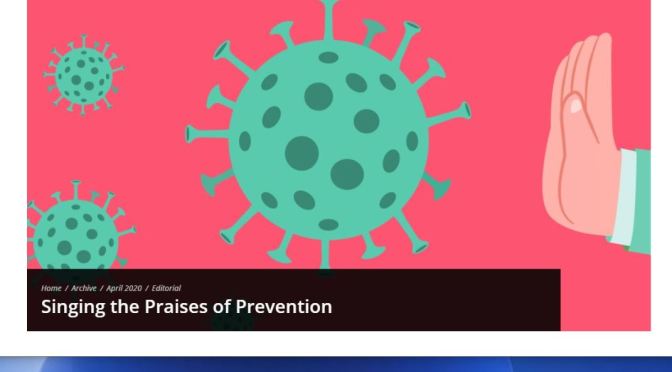
From Bob Grant, The Scientist Magazine (April 1, 2020):
Prevention has been playing a growing role in other diseases, infectious and 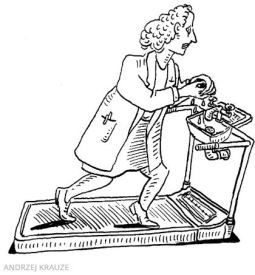 otherwise, long before this latest global pandemic. Cancer, the focus of this issue, is ubiquitous, and one would be hard pressed to find a person anywhere on Earth whose life wasn’t in some way touched by the complex and vexing malady.
This cancer-focused issue features a cover story in which we explore one facet of cancer prevention: exercise. In this feature story, Danish researcher Bente Klarlund Pedersen explains that studies have shown frequent exercise to be useful in avoiding cancer as well as in helping cancer patients lessen the side effects of their cancers and treatments. Her research and that of others is seeking to enumerate the molecular and cellular mechanisms that underlie the benefits exercise seems to offer cancer patients.
But when one considers the practical ripples that biology sends through societies—issues of public health and the shared goal of minimizing the impact of diseases on a global scale—human behavior and prevention become vitally important.
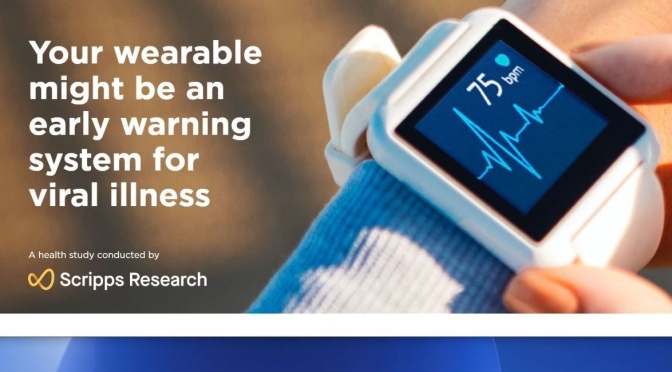
 When your heart beats faster than usual, it can mean that you’re coming down with a cold, flu, coronavirus, or other viral infection. That’s the conclusion of recent medical








 “Studies with financial links to the indoor tanning industry were much more likely to discuss perceived benefits of indoor tanning and to downplay the harms,” said
  In 2012, Eleni Linos, professor of dermatology at Stanford university, published a systematic review and meta-analysis of the link between non-melanoma cancer and sun-beds. That bit of pretty standard research, and a particular rapid response to it, has kicked of years of work – and in this podcast I talk to Eleni and her colleagues Stanton…
 Boomers Daily