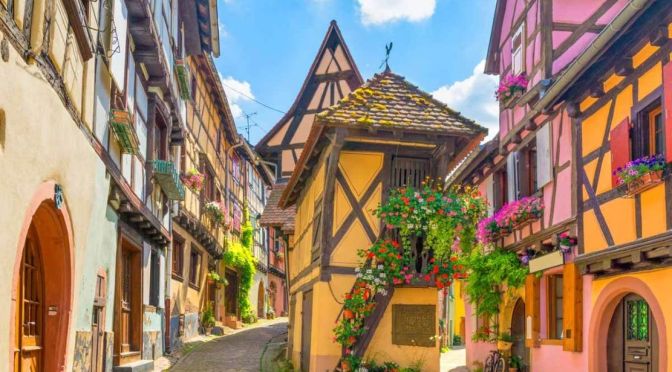
FRANCE 24 English Films (November 27, 2023) – The French region of Alsace is famous for its traditional half-timbered houses. But this centuries-old heritage is threatened by the passage of time and urban development.
Every year, 400 of these remarkable old houses are demolished. But a few locals are trying to safeguard their heritage. One young couple have embarked on a project to renovate their old house, using ancestral techniques.
Meanwhile, a company near Strasbourg specialises in dismantling the half-timbering of abandoned houses, renovating them and reusing them on new structures. We take a closer look.
Heat, drought and wildfires are ravaging western wildlife while conservationists try to help ecosystems adapt
By Brianna Randall – Conservation, Aug 02, 2022
Dead mussels lie along the Pacific shore of Vancouver, British Columbia, during 2021’s summer heat wave. Scientists estimate that the record-breaking heat killed more than 1 billion marine animals off the coasts of British Columbia and Washington state. (Photo by Christopher Harley/University of British Columbia)
GASPING SALMON WITH INFECTED LESIONS. Emaciated deer searching sagebrush flats for water. Clams and mussels boiled to death in their shells. Last summer, temperatures in the Northwest soared to record highs in the triple digits, killing more than 1 billion marine animals in the Salish Sea and stressing wildlife from the Pacific to the Rocky Mountains. Simultaneously, ongoing drought in the Southwest—which began in 2000 and is the region’s driest 22-year period in 1,200 years—is causing plants to wither, springs to dry up and wildfires to engulf entire landscapes.
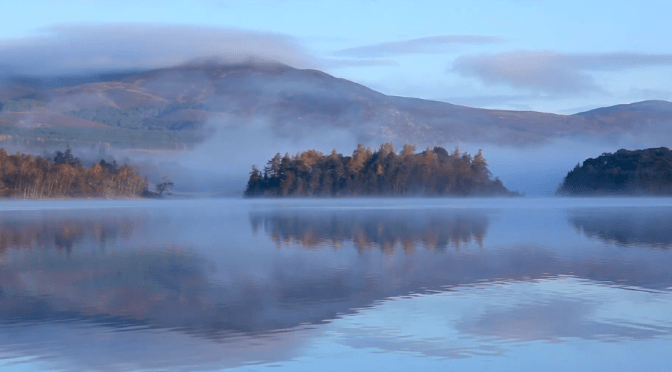
“When it comes to climate change, scale is essential. We need to be scaling up our work and being really bold and ambitious, and that’s exactly what Cairngorms Connect is.” Find out how Scotland’s largest landscape-scale restoration project is fighting back against climate change in our new film for Cairngorms Connect.
Roughly 18,000 people reside within the 4,528 square kilometre national park. The largest communities are Aviemore, Ballater, Braemar, Grantown-on-Spey, Kingussie, Newtonmore, and Tomintoul. Tourism makes up about 80% of the economy.[4] In 2018, 1.9 million tourism visits were recorded. The majority of visitors are domestic, with 25 per cent coming from elsewhere in the UK, and 21 per cent being from other countries.
In China, Maria joins forces with Angelababy, one of the country’s biggest megastars. She is taking a bold approach to addressing the demand for pangolin products.
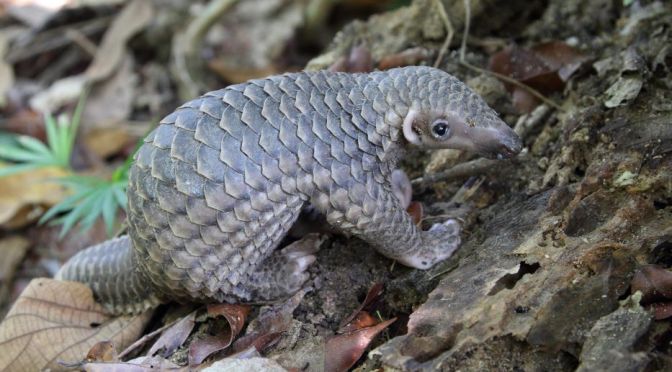
Pangolins, sometimes known as scaly anteaters, are mammals of the order Pholidota. The one extant family, the Manidae, has three genera: Manis, Phataginus, and Smutsia. Manis comprises the four species found in Asia, while Phataginus and Smutsia include two species each, all found in sub-Saharan Africa.
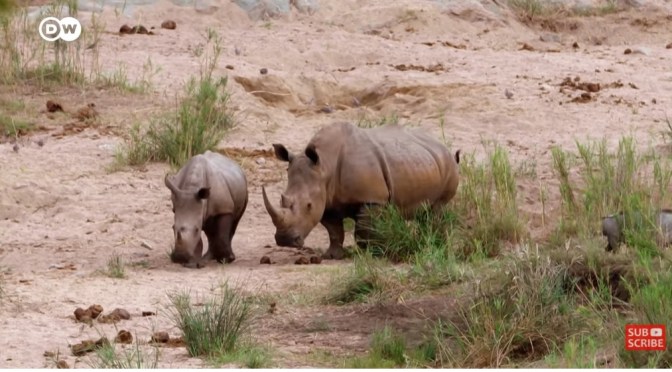
Poachers kill at least one rhino a day in South Africa. Their horns are in huge demand on the black market, and are worth more than gold. Anti-poaching squads are now increasingly better equipped: with night-vision equipment, drones and thermal imaging cameras.
Covering some 20,000 km2, Kruger National Park is one of the largest game reserves in Africa. It’s home to the biggest population of white rhinos in South Africa – and also the highest number of rhinos killed by poachers. One major problem for ranger teams is their small size in comparison to the vast area of territory involved. Another is the widespread poverty in the many villagers bordering the park – and it’s here that you ultimately have to begin if you want to win the battle to save the rhinos.
Vince Barkas has 30 years’ experience working in wildlife conservation, and little confidence in the current system’s effectiveness in protecting rhinos. In 1992 he founded the anti-poaching unit “Protrack”. Its teams operate in the Greater Kruger, which includes private wildlife reserves neighboring the national park.
Over the decades he says he’s seen no change, despite rangers being better armed and equipped, and wants to see new options: “We’ve shot poachers, arrested poachers, beaten up poachers. Everything. But we’ve never sat down and spoken.” Vince Barkas believes in the power of dialog rather than violence. He and his son Dylan made their way to Mozambique – where many of the poachers who kill rhinos in the Kruger National Park hail from.
Their journey takes them to the town of Massingir, where Barkas Snr. first began talking to poachers a number of years ago. The problem, he says, is rooted in the very concept of wildlife conservation: “We’ve made wildlife a rich white man’s thing – where white people hunt and benefit from it, and go to lodges etc. And we’ve kept black people out of it – behind a fence. We’ve got to change that approach.”
“You look at the thinking behind the creation of the building, but then also at the material needs. And you merge the two to really build an in-depth understanding of the building, and a path forward to preserving it.”
From the sculptural curves of the Sydney Opera House to the sliding walls and windows of the Eames House, the hallmarks of modern buildings make them easy to spot. Modernist architecture—with its signature use of industrial materials and innovative, sleek designs—emerged in the early 1900s and dominated the post–World War II building boom. Unfortunately, many of the iconic buildings from this period are now in serious need of repair but lack clear conservation plans due to the use of untested building methods and materials. How do you fix concrete that’s been damaged by ocean water, or remove graffiti to preserve stainless steel? In response to such dilemmas, the Getty Foundation created the Keeping It Modern initiative, an international grant program focused on the conservation of significant 20th-century architecture. Launched in 2014, Keeping It Modern has to date supported a total of 77 projects in 40 countries.
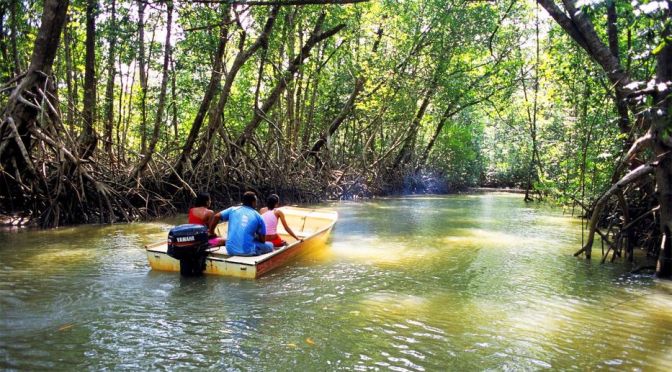
This Wednesday is International Wetlands Day. Worldwide, wetlands cover 12.1 million km². But more than 30 percent have been lost over the past 50 years, despite them playing a crucial role in mitigating the impact of climate change. One example is the Mangroves National Park in the Democratic Republic of Congo. It’s the only marine park in the country and it’s home to a wide variety of plants and rare animals, including sea turtles. But the park is increasingly threatened by poaching and illegal logging. The construction of a deep water port in the vicinity has also sparked controversy. Our correspondents report.
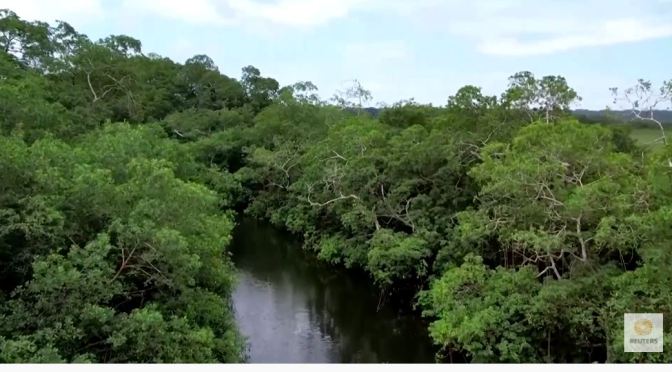
The towering trees in Gabon’s mangrove swamps have helped to make the Central African country one of the world’s few net absorbers of carbon. However, many are under threat from urbanization, with former swamps being illegally cleared for construction.
Scotland’s #TreeOfTheYear 2020 – The Survivor Tree, Carrifran Valley.
It was once a lone rowan clinging to a stream bank in Carrifran Valley, but today that survivor tree is lonely no more! It is surrounded by a little forest of its children, and lots of suckers are coming up from its base. This was some of the first natural regeneration the Borders Forest Trust achieved in the Carrifran Valley. In addition to its own children, the rowan tree now has over half a million other native Scottish trees for company. Where once it dominated the view, it will soon be hidden from sight. The rowan tree no longer stands alone and is a symbol of the 20-year journey to revive the wild heart of Southern Scotland.
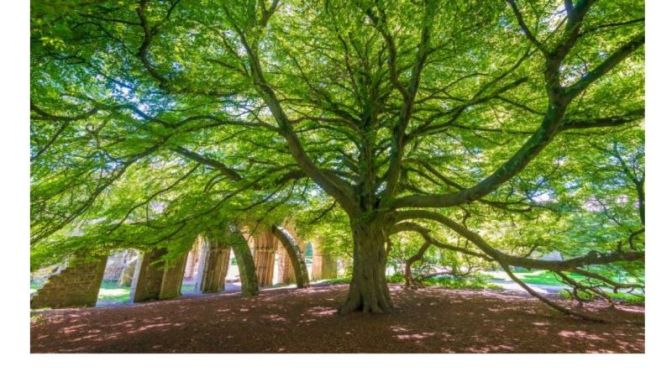
Wales’ #TreeOfTheYear 2020 – The Chapter House Tree, Margam Park, Port Talbot.
Standing in the shadows of 17th century Margam Orangery and St Mary’s Church, this historic fern-leaved beech envelopes the remains of one of the first Cistercian abbeys in Wales. Its canopy has provided shelter to visitors for many years – from Victorian tea parties taking place under its sweeping boughs to a favourite summer picnic spot for present day visitors. The tree provides an atmospheric back drop and is loved by cinematographers – featuring in TV and Film productions from Dr Who and ‘Songs of Praise’ with Sir Bryn Terfel to the recent Netflix blockbuster series ‘Sex Education’.
England’s #TreeOfTheYear 2020 – The Happy Man Tree, Hackney, London. Currently earmarked for felling, the plight of this 150 year old Plane has awakened something in a community that couldn’t bear to see it go. The dressing of the tree, and the signs behind it, are testament to the strength of feeling among the local campaigning. As an urban tree, it makes an important contribution to combating air pollution and making grey city streets green. But the community sees it as more than just the sum of it’s parts – it’s part of the estate, part of their collective history.
News, Views and Reviews For The Intellectually Curious






 Boomers Daily