
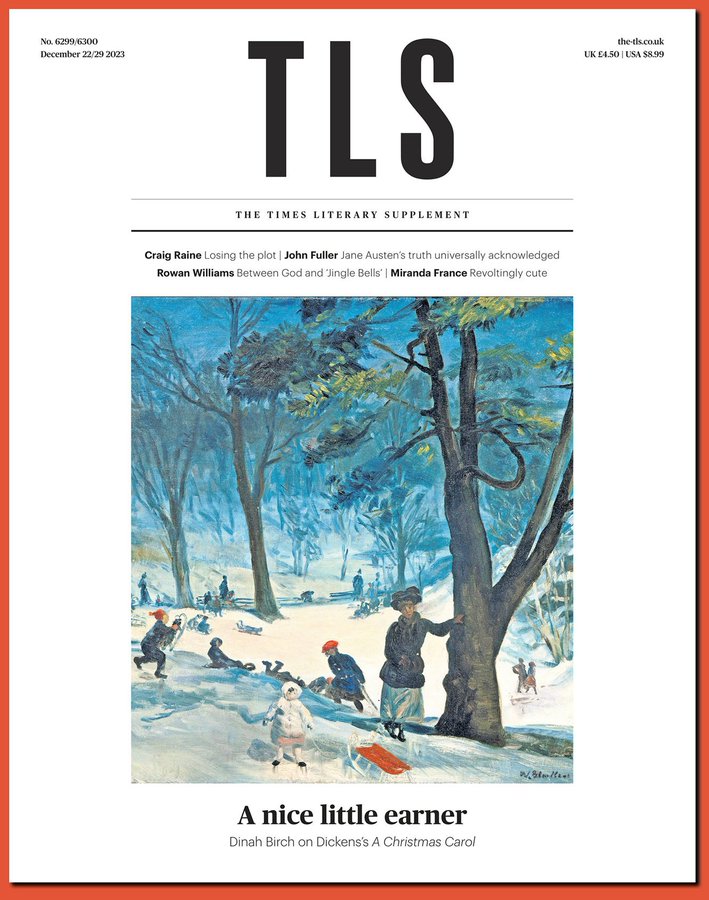
Times Literary Supplement (December 20, 2023): The latest issue features ‘A nice little earner’ – On Dicken’s Christmas Carol; Jane Austen’s Truth Universally Acknowledged; Between God and Jingle Bells; and ‘Revoltingly Cute’…

Times Literary Supplement (December 20, 2023): The latest issue features ‘A nice little earner’ – On Dicken’s Christmas Carol; Jane Austen’s Truth Universally Acknowledged; Between God and Jingle Bells; and ‘Revoltingly Cute’…
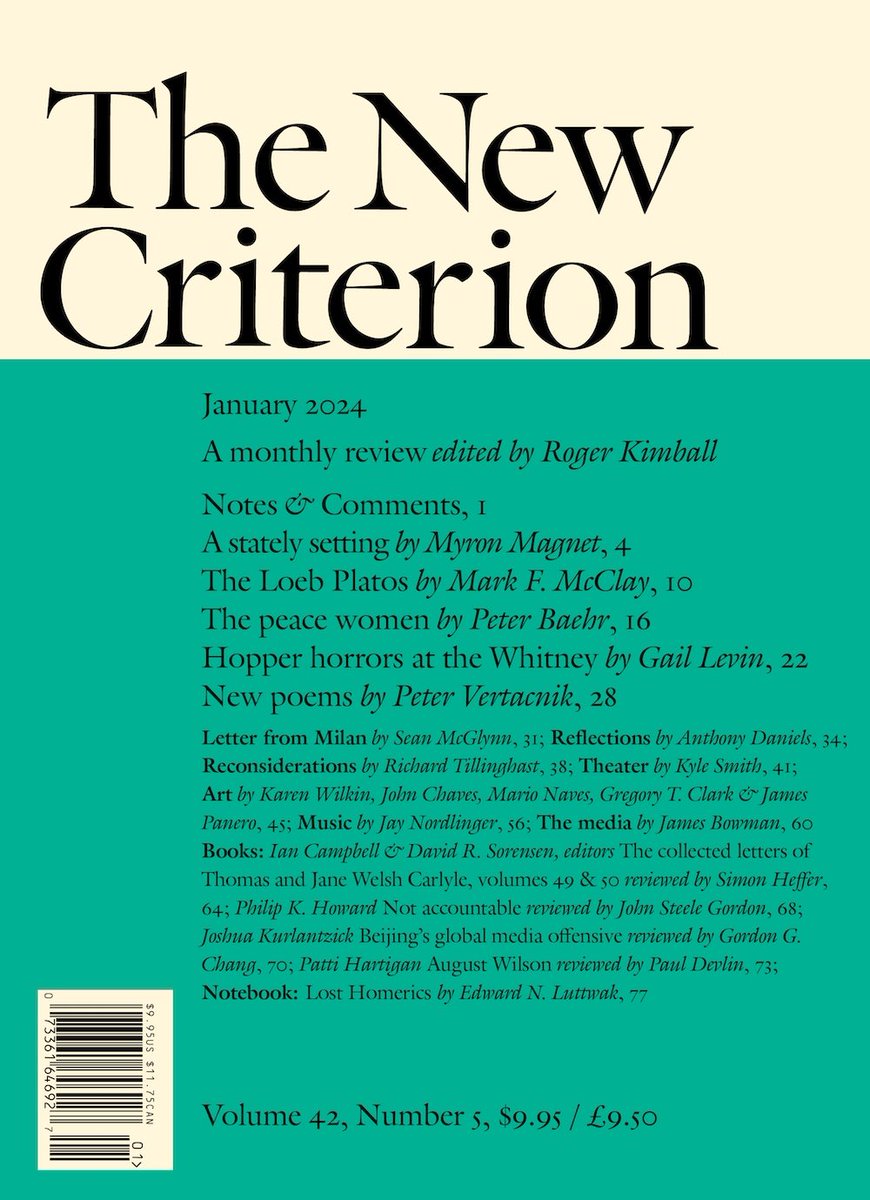
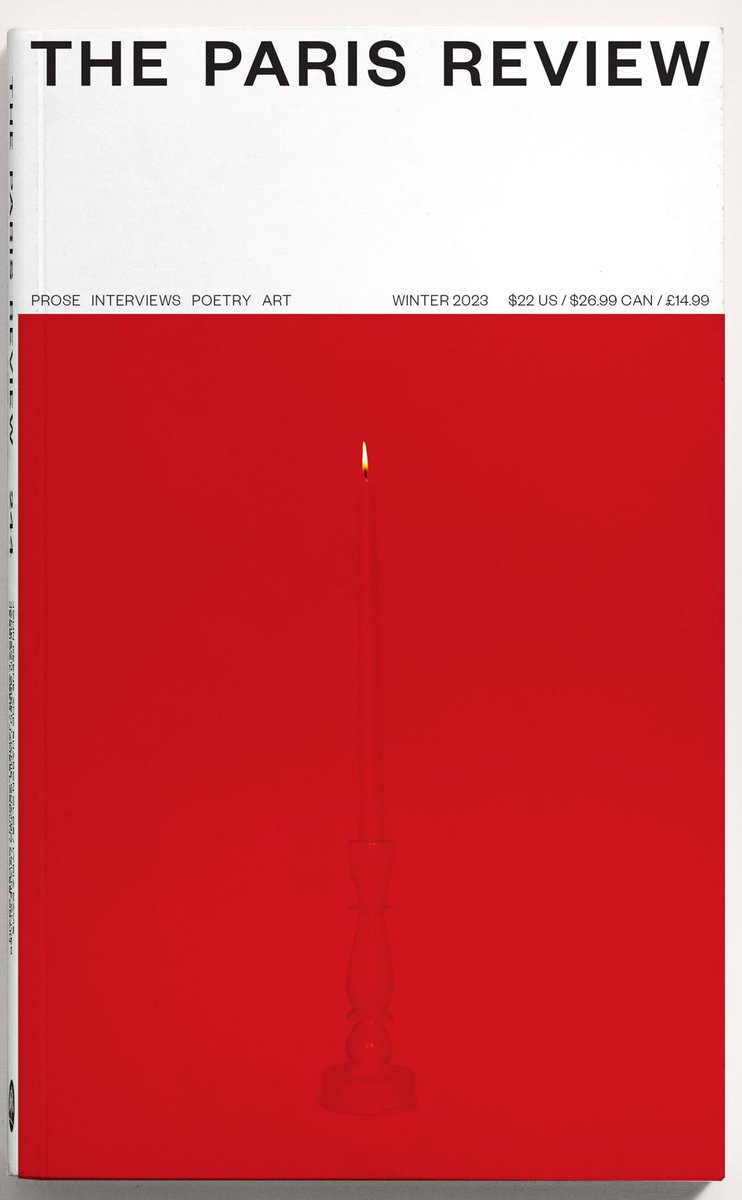
 The New Criterion – January 2024 issue: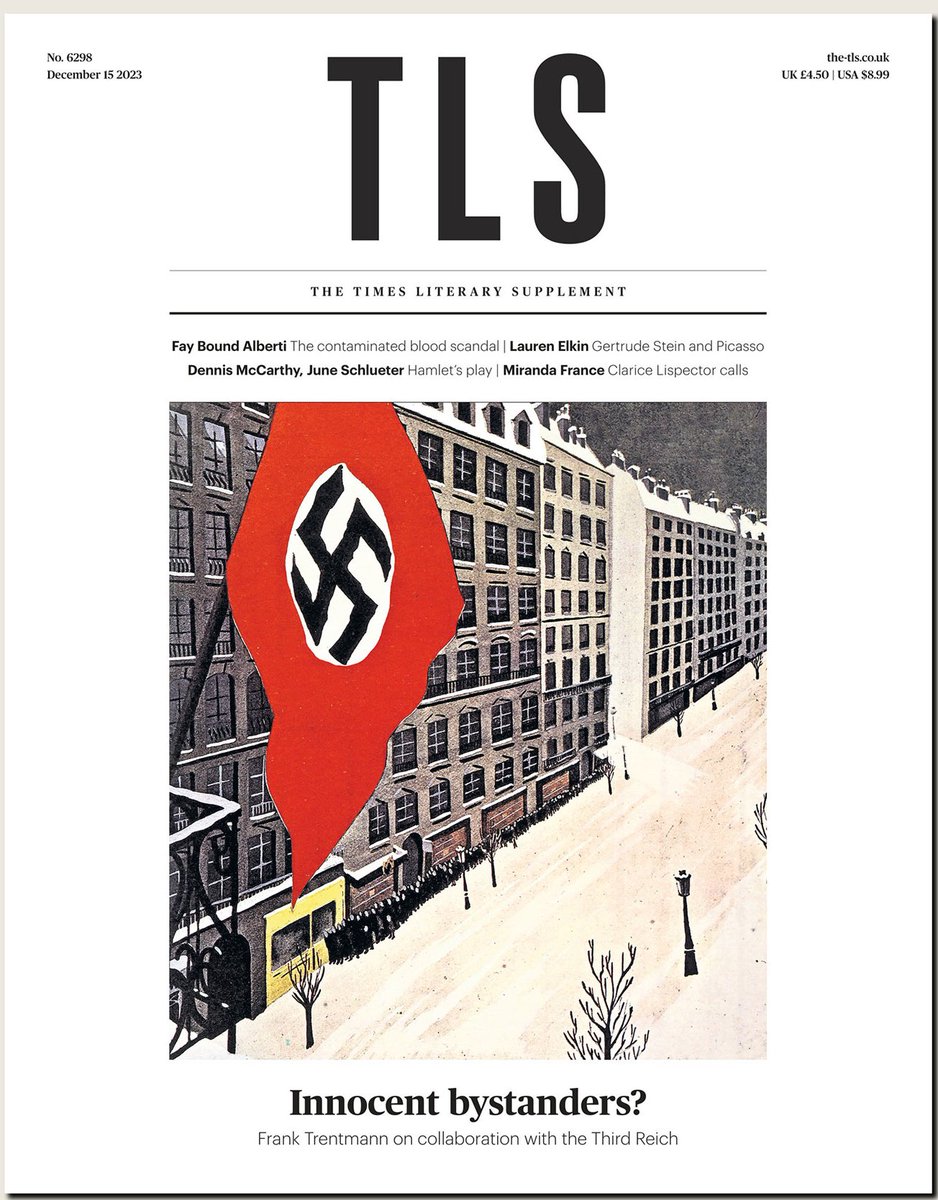
Times Literary Supplement (December 13, 2023): The latest issue features ‘Innocent bystanders? – Collaboration with the Third Reich; The contaminated blood scandal; Gertrude Stein and Picasso, Hamlet’s play; AI Journalism and Clarice Lispector calls…
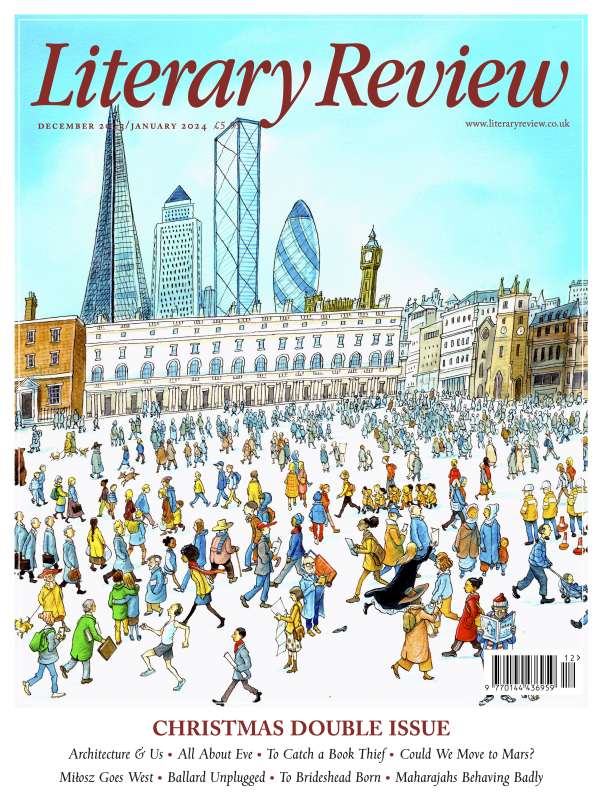

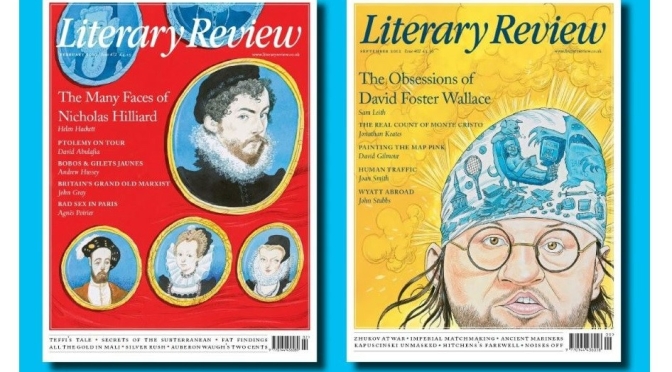
Literary Review – December 6, 2023: The latest issue, December 2023/January 2024, features the Christmas Double Issue; Architecture & Us; To Catch a Book Thief; Could We Move to Mars?; Milosz goes West; Ballard unplugged; To Brideshead Born and Maharajahs behaving badly…

By John Zubrzycki
‘Unruly schoolboys,’ Lord Curzon called them, but then again, he had a penchant for understatement. John Zubrzycki’s new book on India’s last princely rulers is, in fact, Lord of the Flies meets The 120 Days of Sodom. Had Zubrzycki repurposed his material for a novel, he would no doubt have had some stern reviewer scribbling ‘too on the nose’ or ‘uninspired orientalist caricature’ in the margins. Yet the rulers of India’s 562 princely states were for real, and the Raj, resolute on ruling with a light touch, much preferred coexisting with them to conquering them outright.

By Eva Hoffman
In a late poem about a friend’s death, Czesław Miłosz writes of the long passage between youth and age as one of learning ‘how to bear what is borne by others’. It could be a summary of his own poetic witness. Eva Hoffman’s moving and eloquent essay traces the ways in which that simultaneously guilty, compassionate and fastidious response characterises Miłosz’s work from its earliest days. Bearing what is borne by others is, for Miłosz, close to the heart of the poetic task, but it is also fraught with risk.
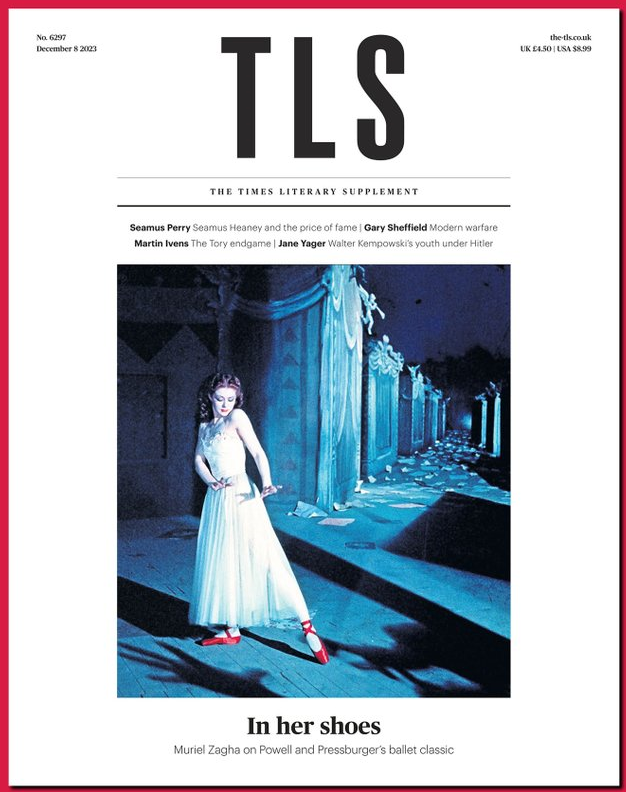
Times Literary Supplement (December 8, 2023): The latest issue features ‘In her shoes’ – Powell and Pressburger’s ballet classic; Seamus Heaney and the price of fame; Modern warfare; The Tory endgame and Walter Kempowski’s youth under Hitler, and more…

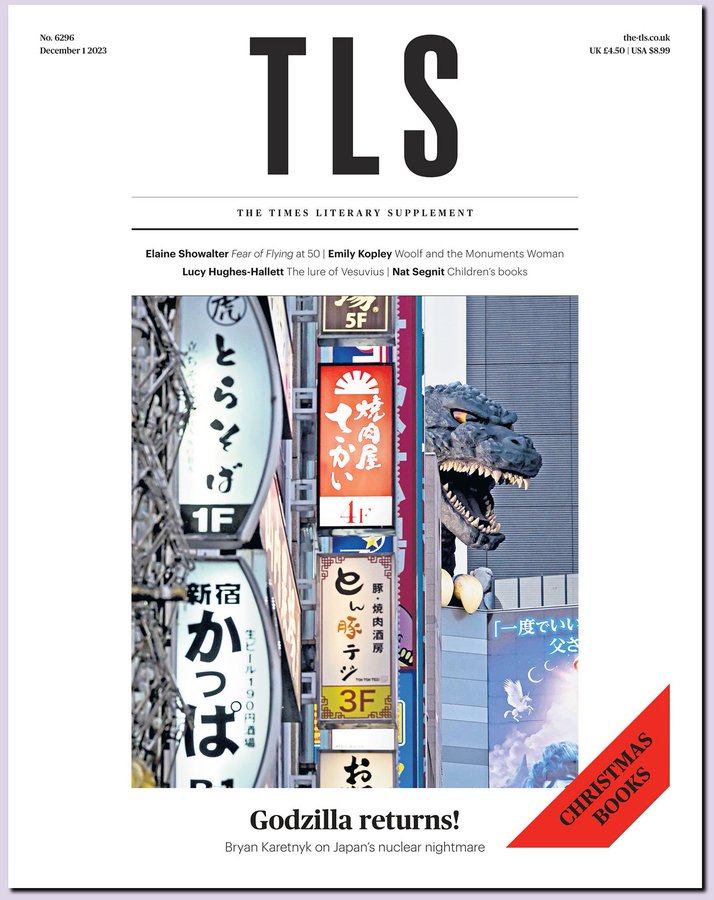
Times Literary Supplement (December 1, 2023): The new issue features Godzilla returns! – Japan’s nuclear nightmare; Fear of flying at 50; Woolf and the Monuments woman; The lure of Vesuvius, Christmas Books and more…
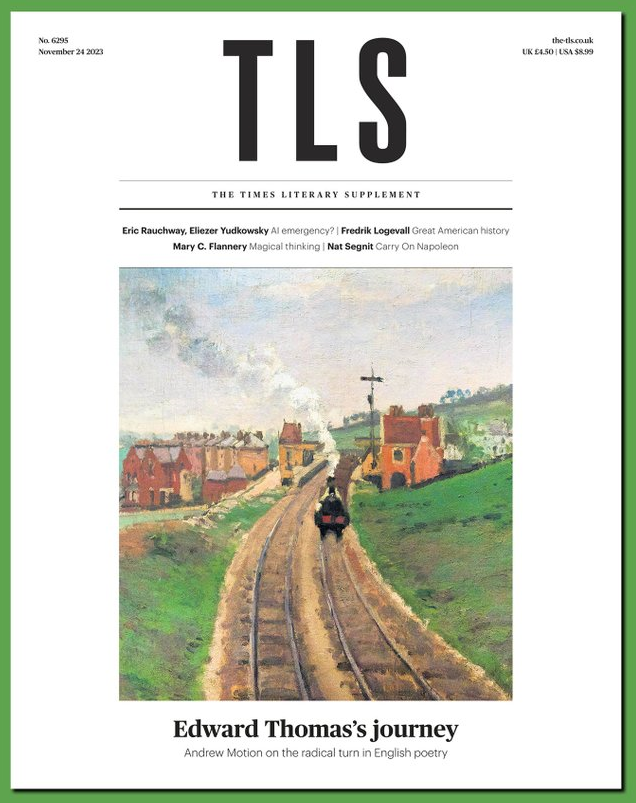
Times Literary Supplement (November 22, 2023): The new issue features Edward Thomas’s journey – The radical turn in English poetry; An AI emergency; Great American history; Magical thinking; Carry On Napoleon, and more…
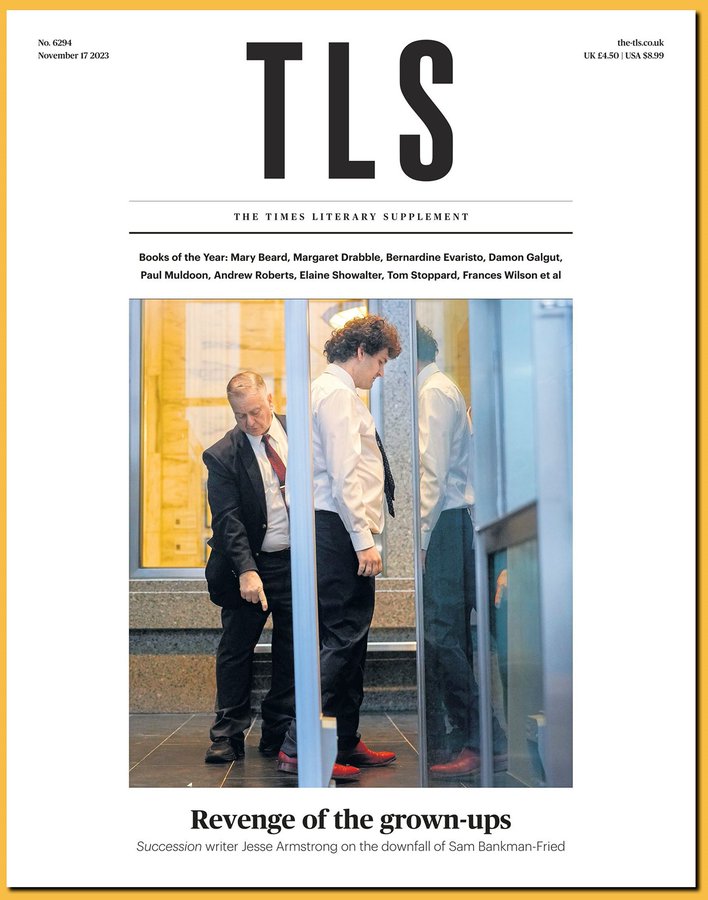
Times Literary Supplement (November 17, 2023): The new issue #TheTLS features Revenge of the grown-ups – The downfall of Sam Bankman-Fried; 2023 Books of the Year; the elusive Shakespeare; Simone Weil; Philosophers and public affairs – and more…
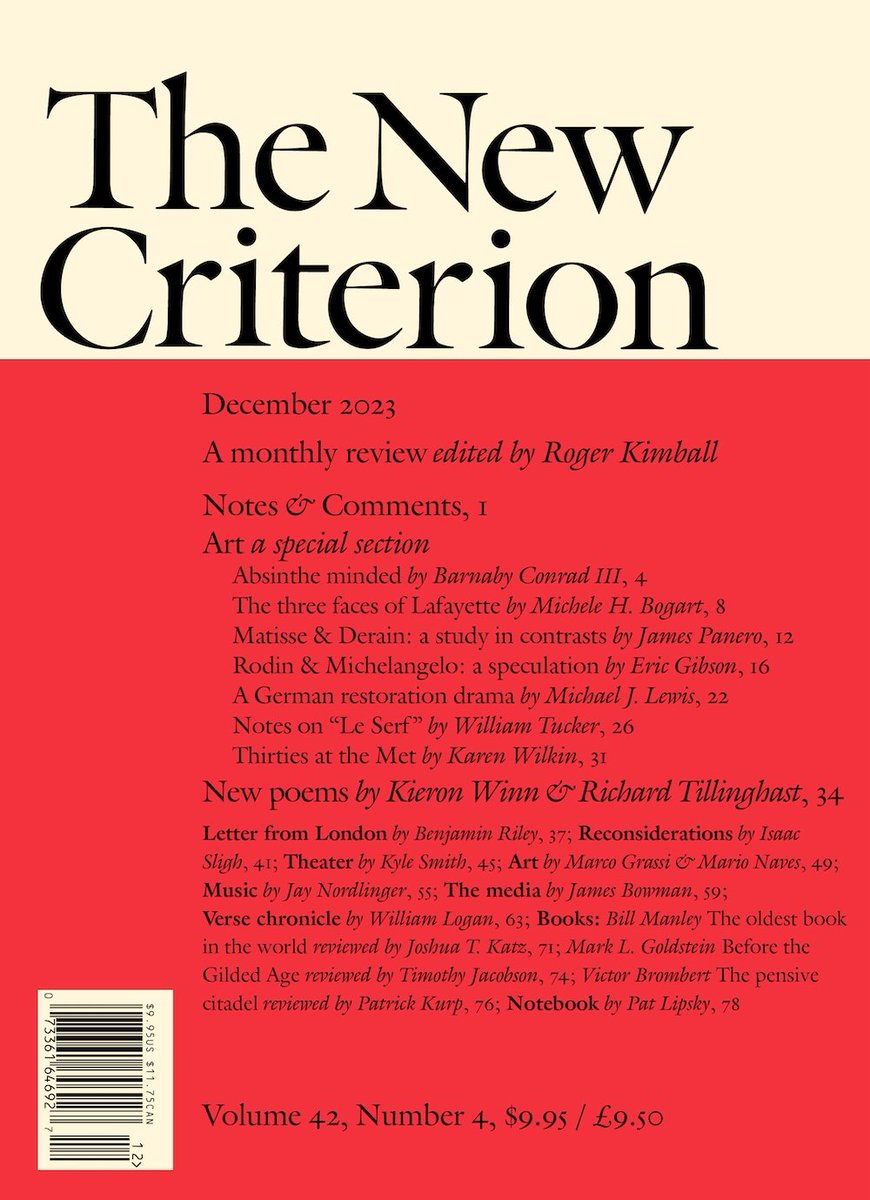 The New Criterion – December 2023 issue: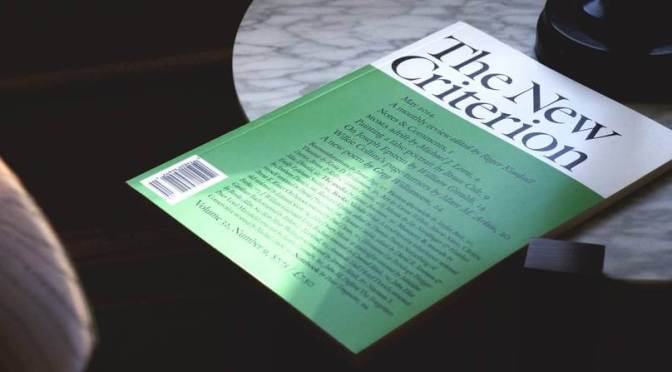
 Boomers Daily