
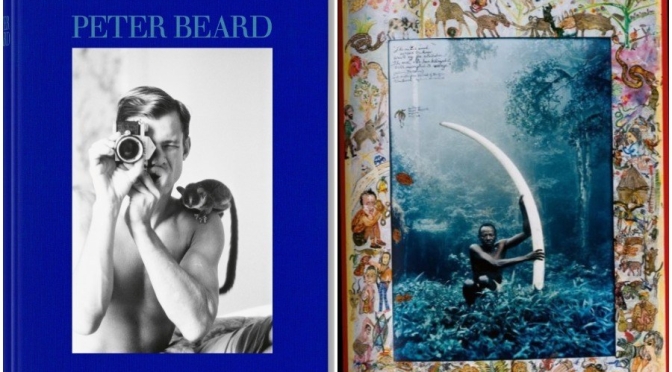
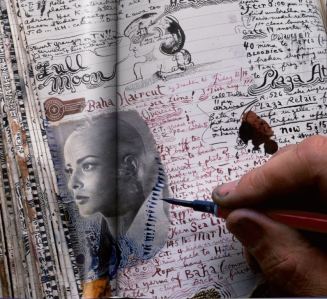
 He collaborated with Francis Bacon and Salvador Dalí, he made diaries with Andy Warhol, worked on books with scientists like Dr. Norman Borlaug, Dr. Richard Laws, and Alistair Graham, and toured with Truman Capote, Terry Southern, and the Rolling Stones—all of whom are brought to life, literally and figuratively, in his work. He delved into the world of fashion for its beautiful women, taking Vogue stars like Veruschka to Africa and bringing new ones back to the U.S. with him.
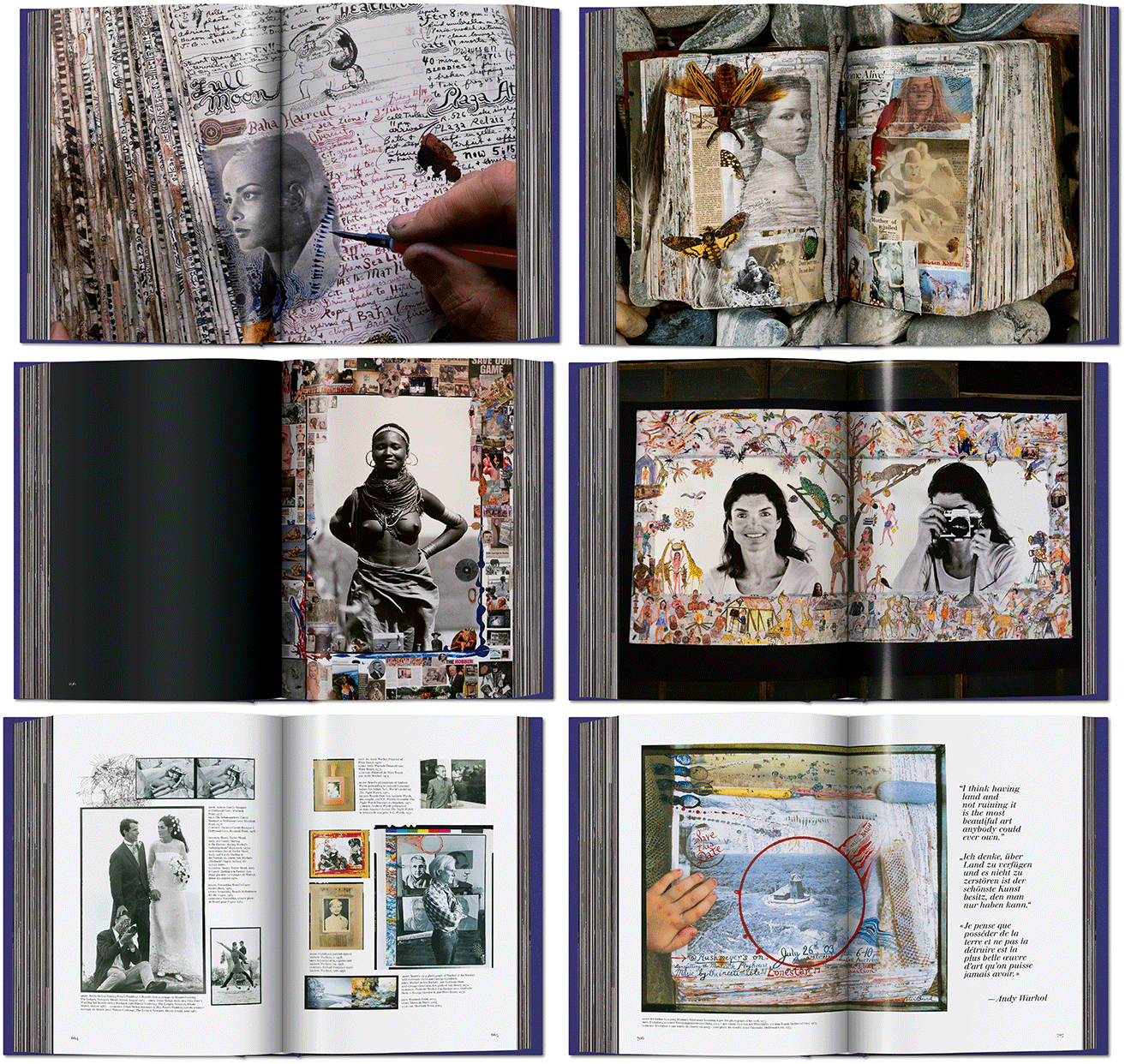
Artist, diarist, collector, and writer Peter Beard has fashioned his life into a work of art; the illustrated diaries he kept from a young age evolved into a serious career as an artist and earned him a central position in the international art world.
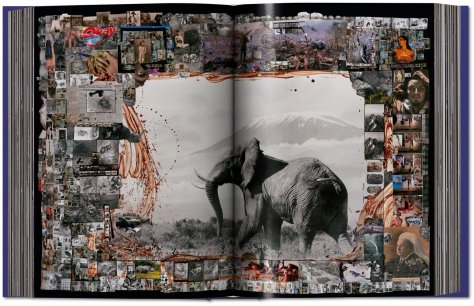
After spending time in Kenya and striking up a friendship with the author Isak Dinesen (Karen Blixen) in the early 1960s, Beard bought 50 acres next to her farm with the stipulation that he would film and write about the land and its flora and fauna. He witnessed the dawn of Kenya’s population explosion, which challenged finite resources and stressed animal populations—including the starving elephants of Tsavo dying by the tens of thousands in a wasteland of eaten trees. So he documented what he saw—with diaries, photographs, and collages. He went against the wind in publishing unique and sometimes shocking books of these works, including The End of the Game. The corpses were laid bare; the facts carefully recorded, sometimes in type and often by hand. Beard uses his photographs as a canvas onto which he superimposes multi-layered contact sheets, ephemera, found objects, newspaper clippings that are elaborately embellished with meticulous handwriting, old-master inspired drawings, and often swaths of animal blood used as paint.
In 2006, TASCHEN first published the book that has come to define his oeuvre, signed by the artist and published in two volumes. It sold out instantly and became a highly sought-after collector’s item. In the decade since, the monograph has been revived in two smaller versions; but sometimes, bigger is better. Now, the book you haven’t been able to get your hands on is available in one large-format volume.
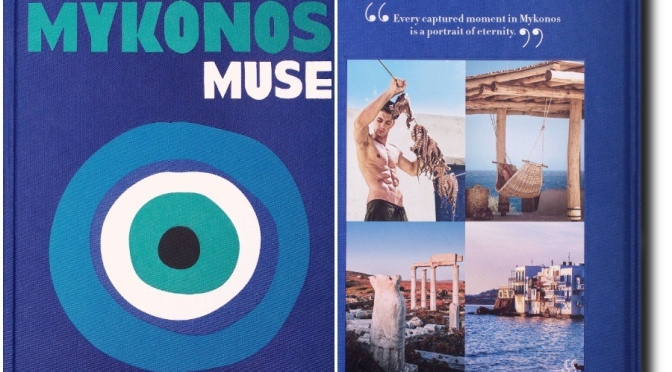
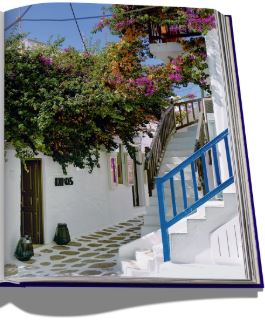 With such names as ‘Paradise’ and ‘Super Paradise,’ the sands of these shores have captured the imaginations and hearts of industry titans, artists, and party-goers alike from all around the globe, marking it as a stable cosmopolitan destination and as a paramount it haven on the jet-set circuit.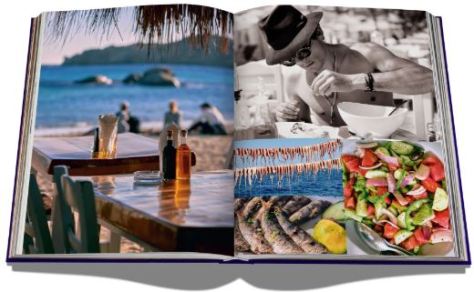
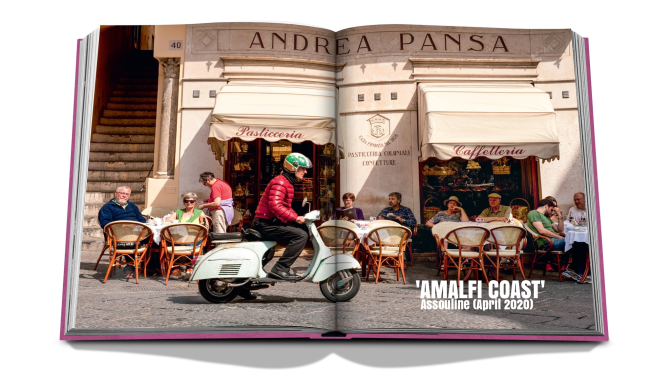
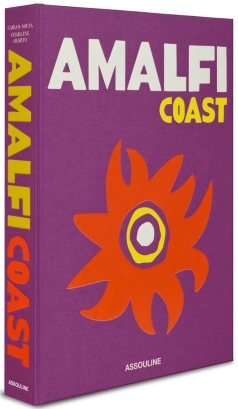 The Amalfi Coast is the pinnacle of the Italian dream. Tucked amongst the lemon blossoms and the bougainvillea is a line of thirteen towns that comprise the Amalfi Coast. Known for its vertical landscape, the villages are only accessible via the Strada Statale 163 — a narrow, winding, cliffside route that while unsettling to traverse, offers unparalleled views.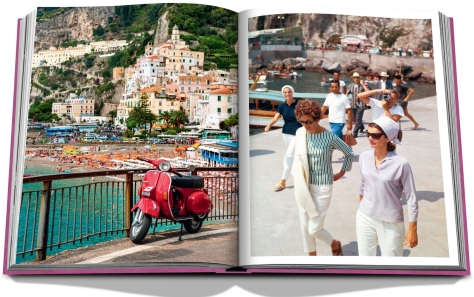
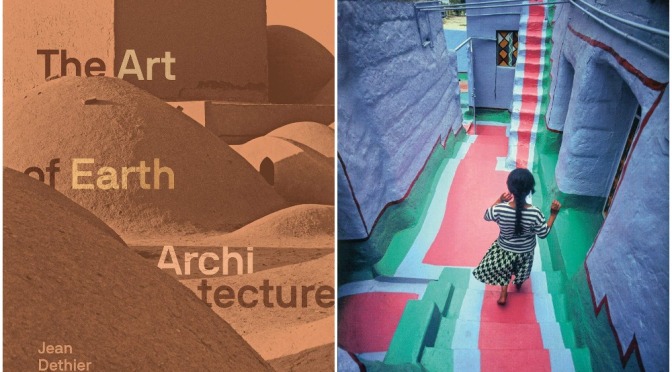
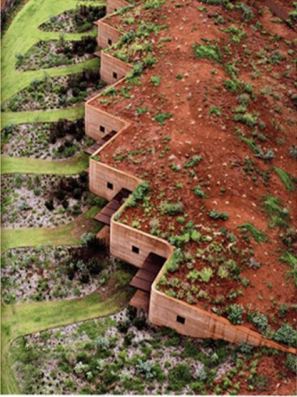 The Art of Earth Architecture demonstrates the wide-ranging applications and sustainability of this building material, while presenting a manifesto for its ecological significance. Featuring raw-earth masterpieces, monumental structures, and little known works, the book includes the temples and palaces of Mesopotamia, the Great Wall of China, large-scale urban developments in Tenochtitlan in Mexico, the medinas of Morocco, and housing in Marrakech and Bogota.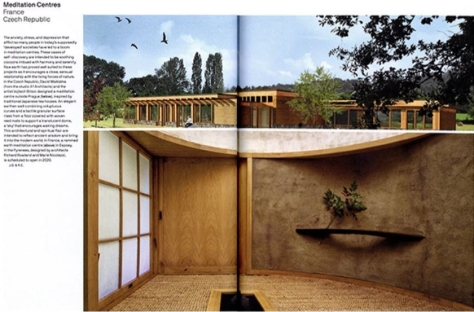
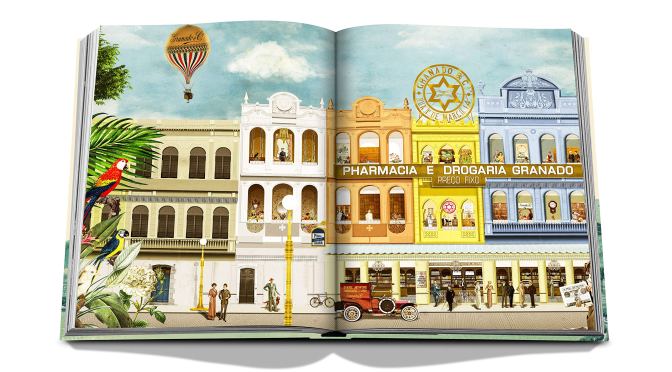
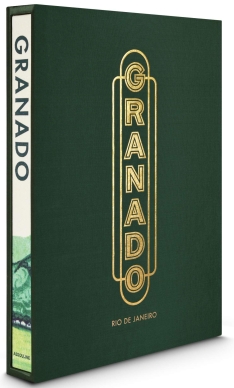 Since it first opened its doors in Rio de Janeiro in 1870, Granado has remained true to its founding mission: to concoct local, natural remedies and cosmetics, crafted from flora of Brazil. Such a formula is responsible for Granado’s endurance through time and its current standing as Brazil’s oldest pharmacy and apothecary.
 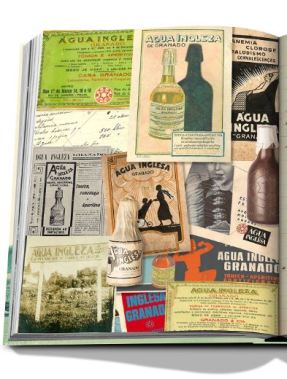 Today, Granado has three boutiques in Paris and a significant online presence in Europe; but the story of Granado’s rise begins with the tale of one man’s singular vision. At a time when medicines used toxic substances such as mercury and arsenic, José Antonio Coxito Granado began to develop natural alternatives that would quickly revolutionize the world of pharmaceuticals in Brazil. In a text enlivened by more than 200 images that capture the bright colors, botanical terrain, and vibrant aesthetics of Rio, writer Hermés Galvao traces the brand’s history, from its modest roots to its time as the Official Pharmacy of the Brazilian Imperial Family and its eventual growth into a global brand under a new family’s ownership. Featuring an illustrious cast of characters and overlapping with some of the most influential eras in Brazilian history, the story of Granado is a tale as rich as the land that yields its products.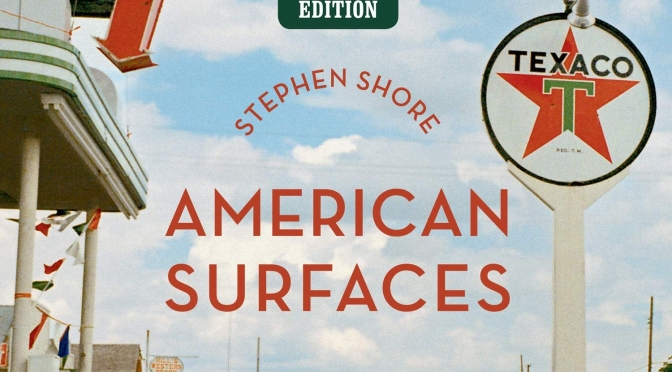
 Stephen Shore’s images from his travels across America in 1972-73 are considered the benchmark for documenting the extraordinary in the ordinary and continue to influence photographers today.
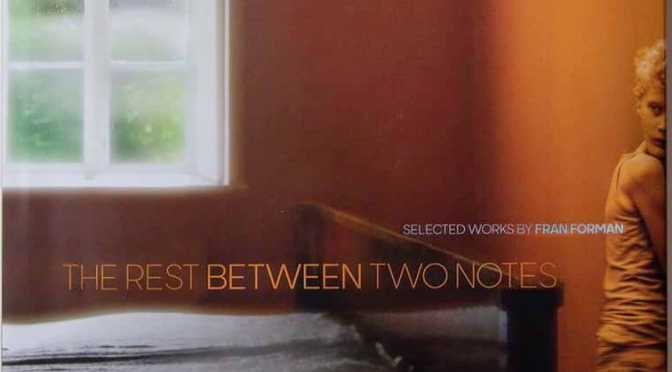
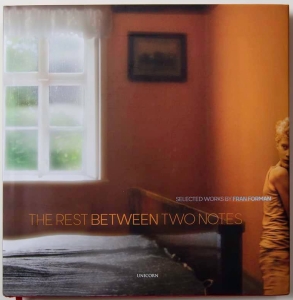 Forman’s photo-paintings explore those liminal and in-between moments – of coming and leaving, innocence and confidence, shadow and light, night and day, absence and connection, loss and longing, and not quite the past and not yet the future. Portals, both real and metaphorical, frequent her layered, complex and often dreamlike images.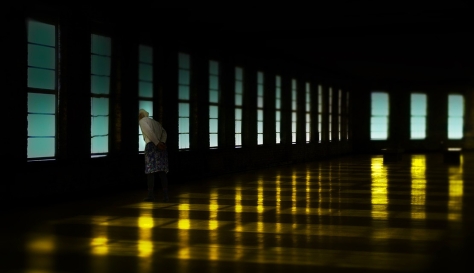
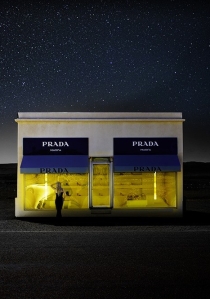 Her work is recognized for imbuing harmonious compositions and for her explosive use of color, light, and shadow.Forman’s images elicit emotions of desire, vulnerability, and a desperate longing for connections.
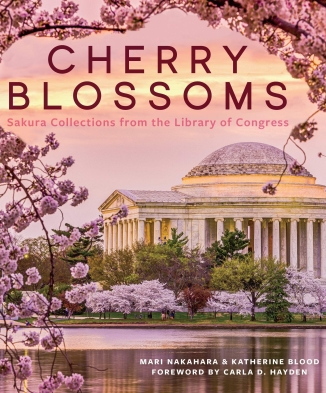 “Cherry Blossoms” reflects on the long tradition of flower viewing in Japanese culture with vivid color woodblock prints by ukiyo-e master artists, photographs, color lithographic posters and Kōkichi Tsunoi’s exquisite watercolor drawings from 1921. The book highlights the rich connections between Japan’s centuries-old traditions and contemporary counterparts. The American public’s affection for the blossoms is revealed in vintage and contemporary photographs of the Tidal Basin, collections related to the National Cherry Blossom Festival and the Cherry Blossom Princess Program, as well as decades’ worth of creatively designed festival posters.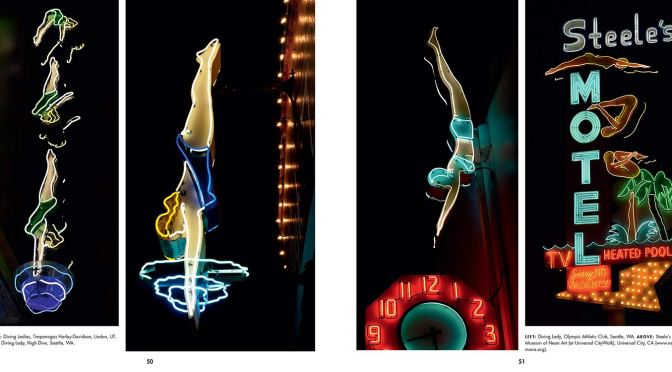
 The vivid photographs are arranged according to the signs’ imagery, with sections such as Spirit of the West, On the Road, Now That’s Entertainment, and Ladies, Diving Girls & Mermaids. Sixteen of the most iconic landmark signs include brief histories on how that unique sign came to be. A resource section includes a photography index by location and a Neon Museums Visitor’s Guide.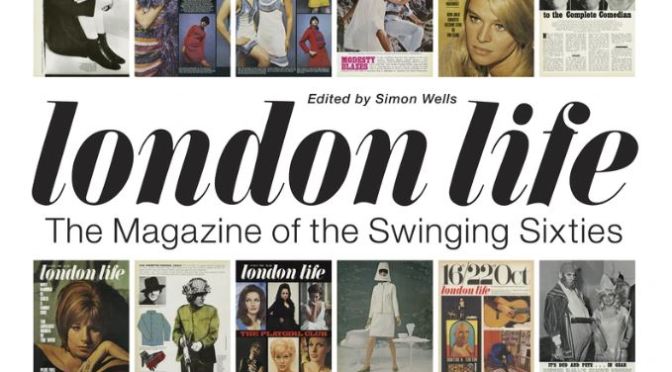
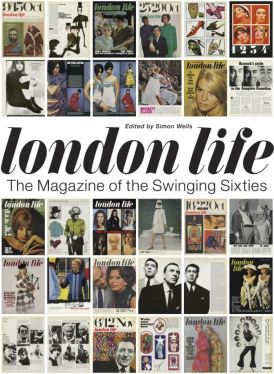 With imagery from the likes of David Bailey, Duffy and Terence Donovan, designs from Peter Blake, David Hockney, Gerald Scarfe and fledgling artist Ian Dury plus words and opinions from those riding high on the city`s cutting-edge, London Life remains the coolest document from the capital’s most exciting period.
 Boomers Daily