Monocle Radio Podcast (October 7, 2024):We analyse the results and conduct of Tunisia’s presidential elections and look at the one-year anniversary of the 7 October attacks by Hamas on Israel.
Plus: A conversation with Katty Kay and the artistic director of the PinchukArtCentre in Kyiv.
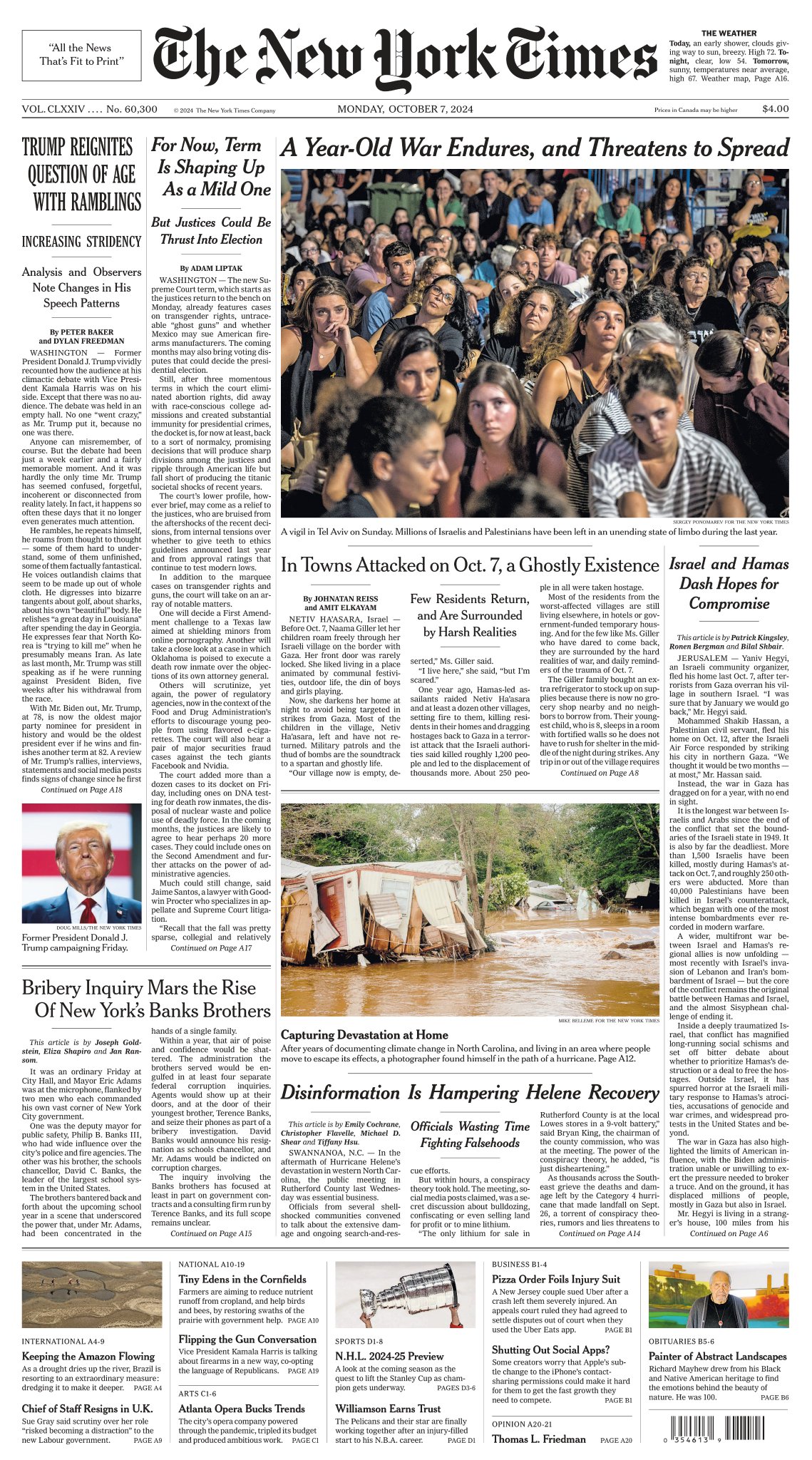
With the passage of time, the 78-year-old former president’s speeches have grown darker, harsher, longer, angrier, less focused, more profane and increasingly fixated on the past, according to a review of his public appearances over the years.
Aside from major disputes on issues like transgender rights and guns, the docket is fairly routine. That could change fast if the presidential race is contested.
0:15 What’s next for urgent climate action? – At the Sustainable Development Impact Meetings in New York, leaders discussed how to curb carbon emissions while building an inclusive economy. Regulations can be a lever for systemic change but local innovation is crucial, too.
3:09 Solar stoves reduce air pollution deaths – It cooks food while emitting hardly any smoke. It uses a hybrid system, powered by energy from solar panels and from fuel such as small sticks or crop waste. The ACE One was created by African Clean Energy which is a part of the World Economic Forum’s Equitable Transition Initiative.
5:08 Chief economists’ outlook for the rest of 2024 – Many chief economists polled by the World Economic Forum are optimistic about 2025. In the United States, nearly nine in ten chief economists anticipate moderate or strong growth in the coming year. Similarly, in South Asia, 71% predict strong or very strong growth.
9:33 Earth exceeds 6 of 9 planetary boundaries – In 2009, a team of scientists identified the 9 natural processes that regulate Earth’s biosphere and keep it stable. These include climate change, biodiversity, ocean acidification and freshwater. The team also defined the safe planetary boundary for each process. A safe and sustainable future for humanity lies within these boundaries.
Monocle on Saturday (October 5, 2024): After a week of escalating tensions in the Middle East, Yossi Mekelberg, associate fellow with the Middle East and North Africa Programme at Chatham House, joins Emma Nelson to reflect on the week’s news from the region.
Then: Monocle’s Helsinki correspondent, Petri Burtsoff, tells the story of a restored cultural icon in the city, and we learn about the future of digital art with the CEO of Lumen Studios, Jen Roebuck, and the director of The Lumen Prize, Gillian Varney.
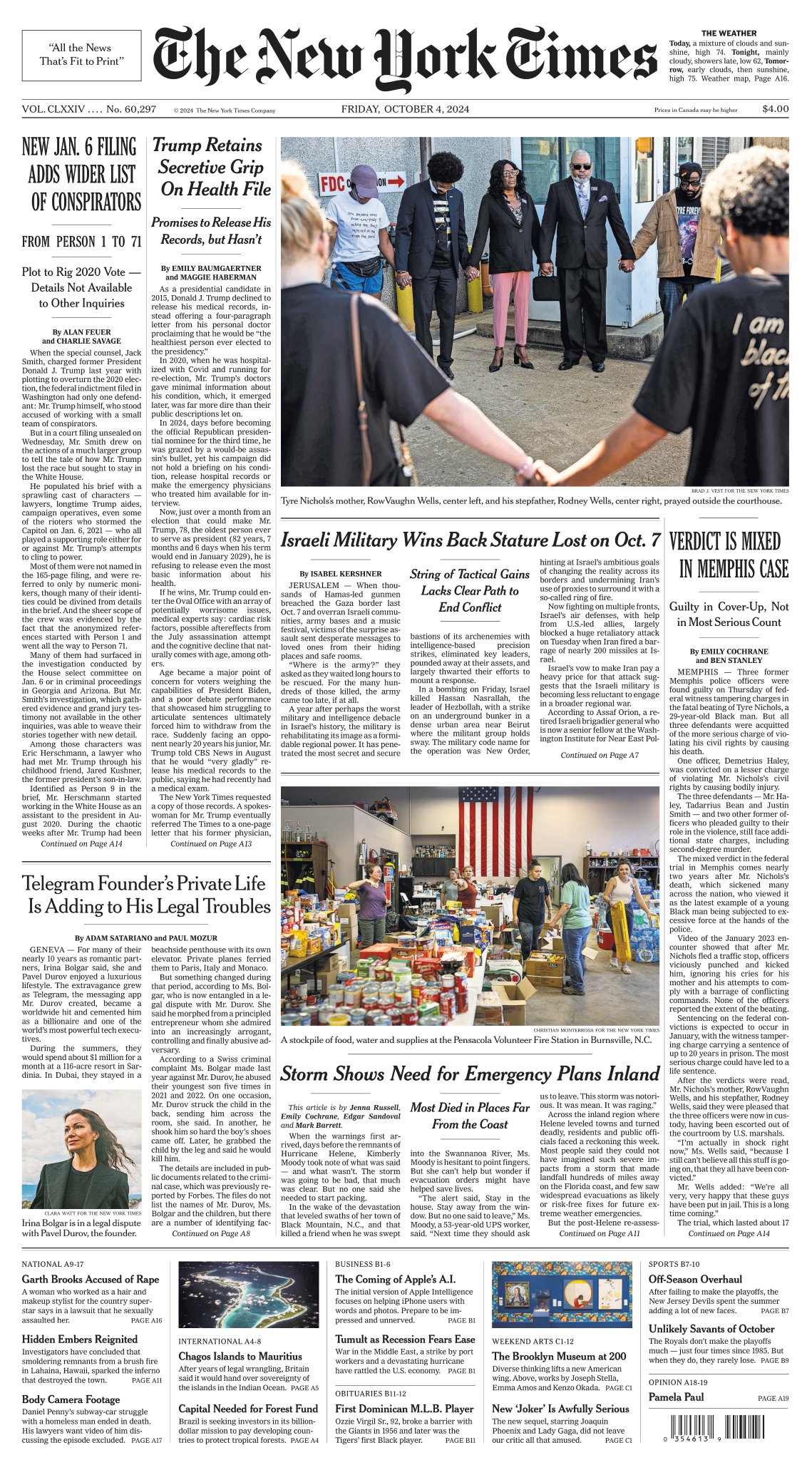
Punishing hours, dilapidated facilities and an ill-conceived retiree program left the agency without the personnel it needed in a year of threats and violence.
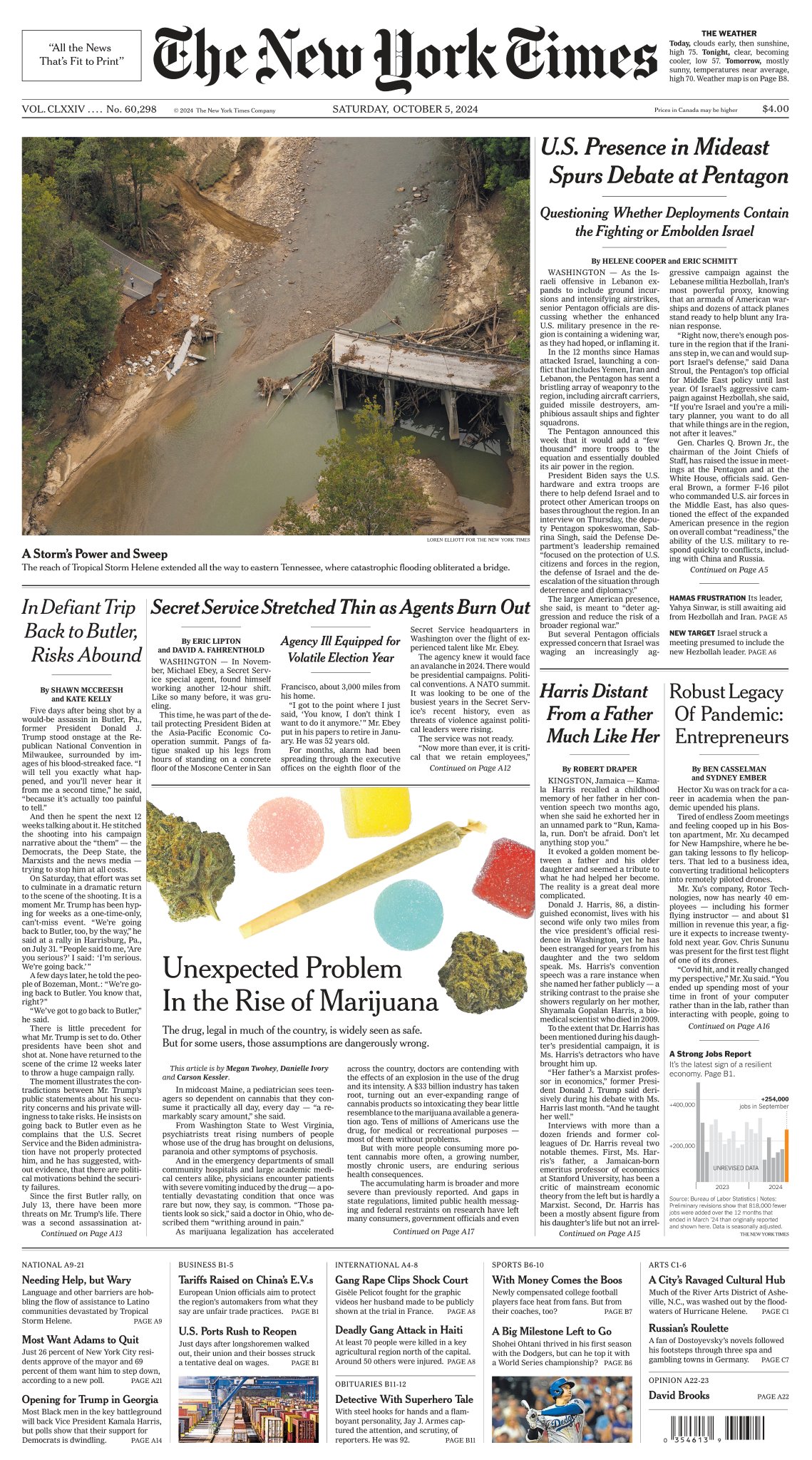
As America’s Marijuana Use Grows, So Do the Harms
The drug, legal in much of the country, is widely seen as nonaddictive and safe. For some users, these assumptions are dangerously wrong.
At a time of increased security risks, the former president has urged thousands of supporters to return with him to the place a gunman tried to take his life.
Monocle Radio Podcast (October 4, 2024): Russia’s new law exempting defendants from criminal liability if they join the army, the Iran-backed Houthi militia carry out a drone attack on Tel Aviv and the lives of children on Ukraine’s frontline. Plus: we dive into protest architecture.
A year after perhaps the worst military and intelligence debacle in the country’s history, its armed forces have regained the momentum. Some ask: to what end?
If elected again, he would become the oldest president by the end of his term. Yet he is refusing to disclose even basic health information.
Filing in Trump Election Case Fleshes Out Roles of a Sprawling Cast
Donald Trump is the only defendant in the special counsel’s case that charges him with a plot to remain in power after his 2020 loss. But a newly unsealed brief provides fresh details about many other figures.
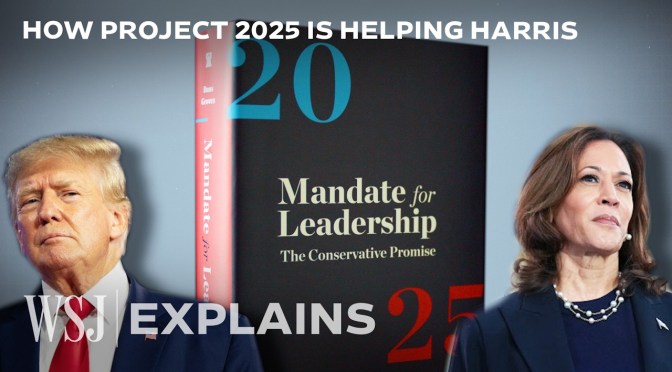
The Wall Street Journal (October 3, 2024): Project 2025–a once obscure conservative policy book—has emerged as a defining element of the 2024 presidential race between Donald Trump and Kamala Harris.
The former president has gone to great lengths to distance himself from the far-right policy playbook, while it has become a political lightning rod for the Democrats. WSJ takes an inside look at how the controversial agenda is transforming campaign strategies and voter decisions.








 Boomers Daily