

Tag Archives: Nutrition
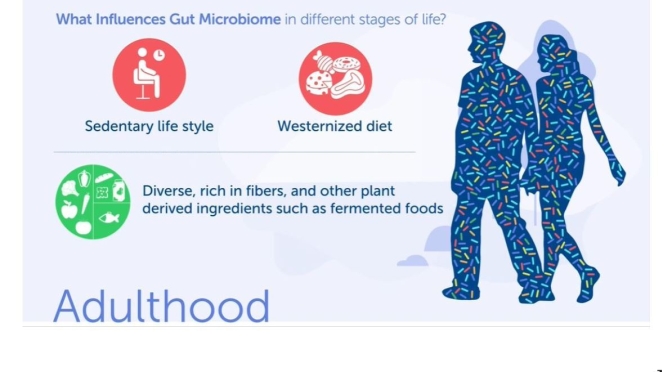
Health: ‘What Influences Gut Microbiome’ (Video)
The microbiota is a dynamic community that evolves through the lifetime of an individual, being influenced by multiple factors. Nutrition is essential in the process of establishing a healthy gut microbiome, with a key role of breastfeeding in early months, and important role of diverse diet to stimulate maturation of diverse gut microbiome.
Prebiotics, probiotics and synbiotics are key tools to boost the development of an age-appropriate microbiota and its related benefits, like healthy immune development and a basis for a resilient microbiota throughout life.

Healthy Diets: Milk Not Nutritionally Necessary For Most Adults (Harvard)
Milk is an optional part of a healthy diet for most adults, and may even be harmful if consumed excessively.
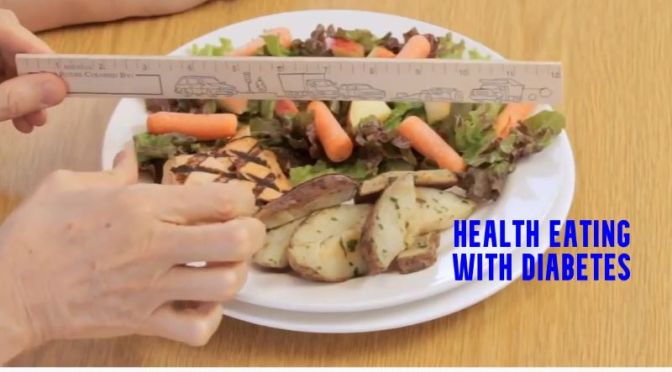
Nutrition: ‘Healthy Eating With Diabetes’ (Video)
Making changes in the way you eat can be difficult. Learn about small steps for healthy eating to help you manage your weight. For more information, visit https://www.niddk.nih.gov/health-info…
Health: ‘Top Five Diets’ Ranked – “Keep It Simple”

Every year, as millions of people around the world forge new resolutions to eat healthier and lose weight, US News & World Report releases a conveniently timed ranking of the best diets. A panel of experts in obesity, nutrition, diabetes, heart disease, and food psychology rigorously rate each of 39 diets on seven criteria:
- Likelihood of losing significant weight in the first 12 months
- Likelihood of losing significant weight over two years or more
- Effectiveness for preventing diabetes (or as a maintenance diet)
- Effectiveness for preventing heart disease (or for reducing risk for heart patients)
- How easy it is to follow
- Nutritional completeness
- Health risks (like malnourishment, too-rapid weight loss, or specific nutrient deficiencies)
1. Mediterranean diet
Emphasis on fruits, veggies, whole grains, olive oil, beans, nuts, legumes, fish and other seafood. Eggs, cheese, and yogurt can be eaten in moderation. Keep red meats and sugar as treats.
2. DASH (dietary approaches to stop hypertension) diet — TIE
Eat lots of fruits, veggies, lean protein, whole grains, and low-fat dairy. Avoid saturated fats and sugar.
2. Flexitarian diet — TIE
Be a vegetarian most of the time. Swap in beans, peas, or eggs for meats, and consume plenty of fruits, veggies, and whole grains. You can look up more details because there’s actually a full meal plan involving breakfast, lunch, dinner, and two snacks to add up to a total 1500 calories per day. But feel free to also just swap in flexitarian meals ad hoc.
4. Weight Watchers
The first actual paid program on the list, WW uses a points system to guide dieters towards foods lower in sugar, saturated fat, and overall calories while consuming slightly more protein. There are a variety of paid WW plans, with the lowest being about $20 per month.
5. Mayo Clinic diet — TIE
A two-part system, with part one (‘Lose it!’) involving adding a healthy breakfast (i.e. fruits, veggies, whole grains, healthy fats) plus 30 minutes of exercise per day. You’re not allowed to eat while watching TV or consume sugar except what’s naturally found in fruit. Meat is only allowed in limited quantities, as is full-fat dairy. The second phase (‘Live it!’) is basically the first phase but with more flexibility. You aren’t realistically going to cut out sugar forever, and the Mayo Clinic diet acknowledges that. So the long term plan involves lots of whole grains, fruits, veggies, and healthy fats. Less saturated fats and sugar.

Diet Study: The Top 250 U.S. Movies Depict Unhealthy Foods & Drinks (Stanford)
Stanford researchers examined the 250 top-grossing American movies of recent decades and found the on-screen foods and beverages largely failed U.S. government nutrition recommendations and U.K. youth advertising standards.
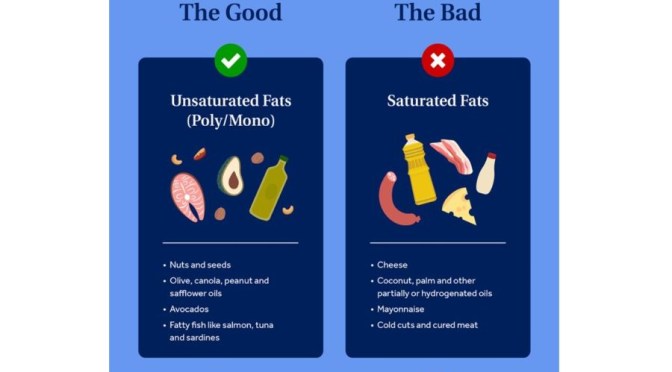
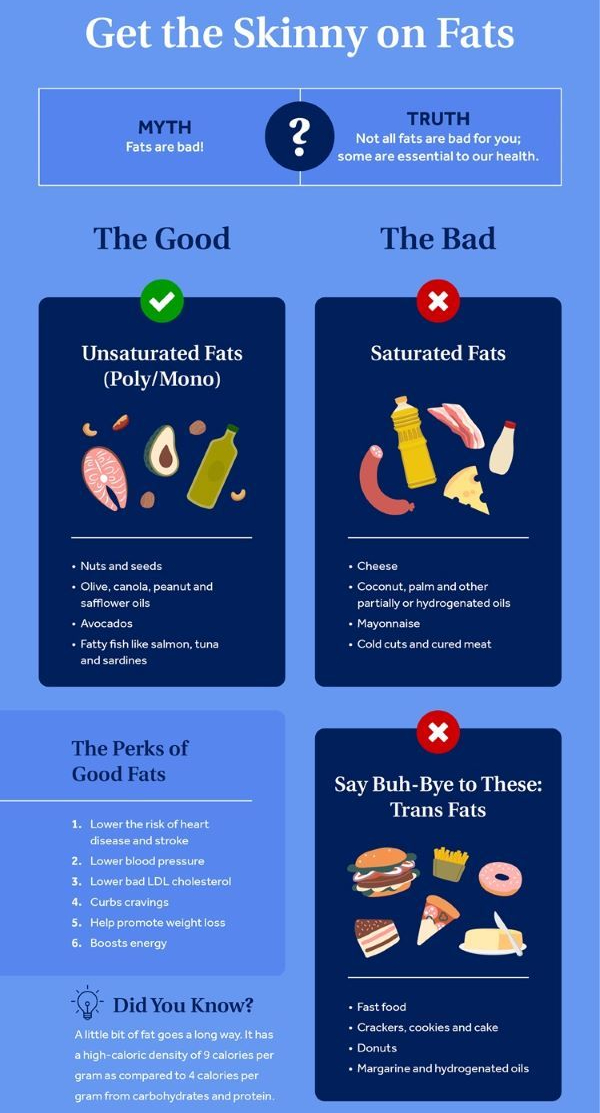
Nutrition Infographics: “Good And Bad Fats”

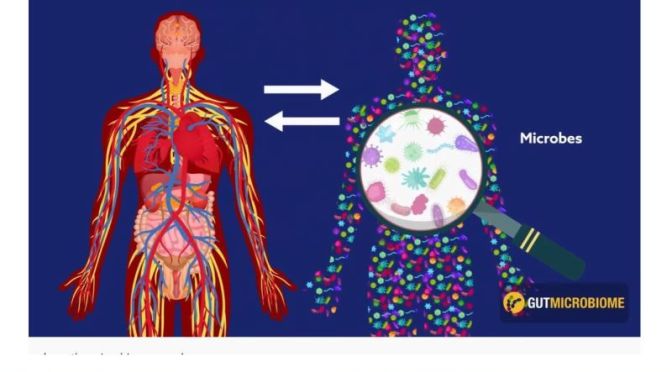
Health Videos: “You Have The Gut Microbiome You Deserve” (Cambridge)
Do you have good or bad microbiome? Or do you have the microbiome you deserve?
Gut Microbiome, the new Open Access journal from Cambridge University Press and The Nutrition Society has published its first papers, including the animated abstract above from the paper: Hill, C. (2020) “You have the microbiome you deserve,” Gut Microbiome, Cambridge University Press, 1, p. e3.
Access the paper here: https://bit.ly/3bFOjc7
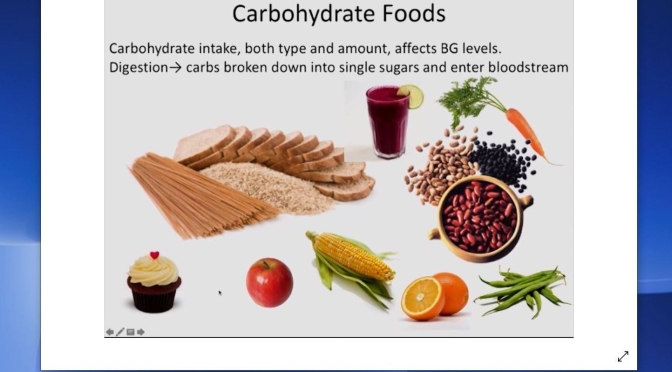
Food: “Carbohydrates In A Healthy Diet” (Video)
Registered Dietitian and Certified Diabetes Educator Sherri Shafer discusses the importance of carbohydrates in the daily diet. Shafer then offers a plan for how much protein, fat and carbohydrate would be healthy in a day.

Rise Of Obesity: “Sugar – The Unsweetened Truth”
Obesity is at the root of silent epidemics such as type 2 diabetes and nonalcoholic fatty liver disease.
Laura Schmidt explores the causes and solutions, taking lessons from tobacco: reducing the availability of harmful substances reduces consumption, thereby reducing harms to health. She talks about the UCSF Healthy Beverage Initiative and the effects it has had on employee health.
Recorded on 02/13/2020. [5/2020] [Show ID: 35586]
 Boomers Daily