
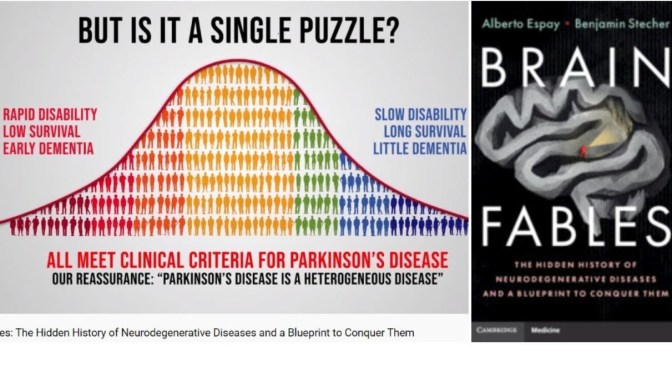
An estimated 80 million people live with a neurodegenerative disease, with this number expected to double by 2050. Despite decades of research and billions in funding, there are no medications that can slow, much less stop, the progress of these diseases. The time to rethink degenerative brain disorders has come. With no biological boundaries between neurodegenerative diseases, illnesses such as Parkinson’s and Alzheimer’s result from a large spectrum of biological abnormalities, hampering effective treatment.
Acclaimed neurologist Dr Alberto Espay and Parkinson’s advocate Benjamin Stecher present compelling evidence that these diseases should be targeted according to genetic and molecular signatures rather than clinical diagnoses. There is no Parkinson’s or Alzheimer’s, simply people with Parkinson’s or Alzheimer’s. An incredibly important story never before told, Brain Fables is a wakeup call to the scientific community and society, explaining why we have no effective disease-modifying treatments, and how we can get back on track.


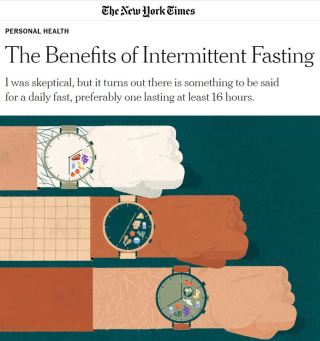 I was skeptical, but it turns out there is something to be said for practicing a rather prolonged diurnal fast, preferably one lasting at least 16 hours. Mark P. Mattson, neuroscientist at the National Institute on Aging and Johns Hopkins University School of Medicine, explained that the liver stores glucose, which the body uses preferentially for energy before it turns to burning body fat.
 On this week’s show, senior correspondent Jeffrey Mervis joins host Sarah Crespi to discuss a new National Institutes of Health (NIH) grant program that aims to
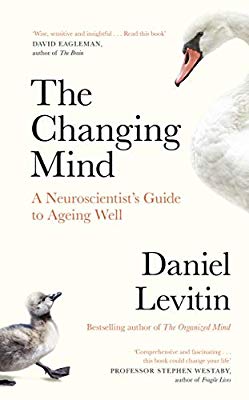 Challenging widely held assumptions about the diminishing abilities of an ageing brain, leading neuroscientist Daniel Levitin argues that we should view getting older as a beneficial experience rather than a form of cognitive entropy. Persuasively argued and consistently surprising, The Changing Mind will alter your perception of the relationship between age and intellect.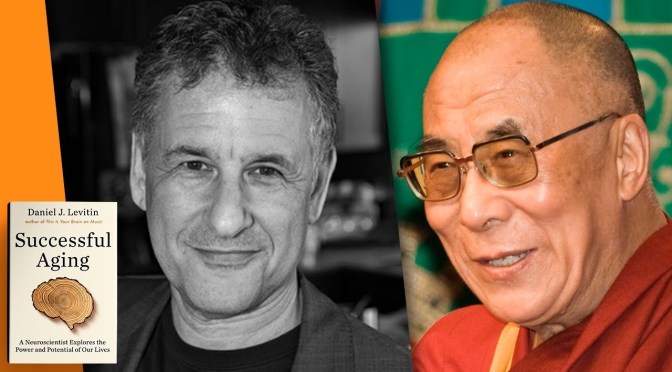


 Through the prisms of behavioral neurology and cognitive neuroscience, Scott Grafton brilliantly accounts for the design and workings of the action-oriented brain in synchronicity with the body in the natural world, and he shows how physical intelligence is inherent in all of us—and always in problem-solving mode. Drawing on insights gleaned from discoveries by engineers who have learned to emulate the sophisticated solutions Mother Nature has created for managing complex behavior, Grafton also demonstrates the relevance of physical intelligence with examples that each of us might face—whether the situation is mundane, exceptional, extreme, or compromised.
 Boomers Daily