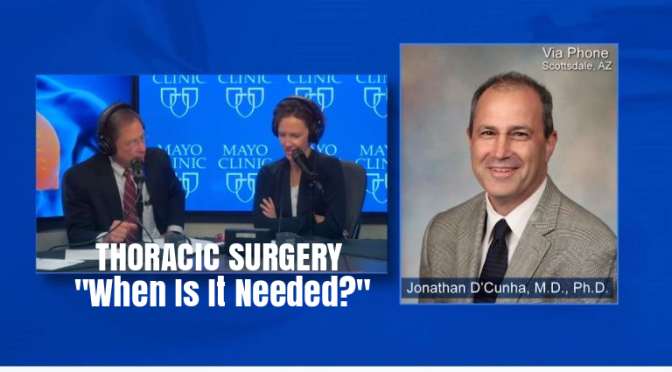
On the Mayo Clinic Radio program, Dr. Jonathan D’Cunha, a Mayo Clinic thoracic surgeon, explains when thoracic surgery might be needed.

On the Mayo Clinic Radio program, Dr. Jonathan D’Cunha, a Mayo Clinic thoracic surgeon, explains when thoracic surgery might be needed.
“Drive-thru” coronavirus testing is to be introduced on the NHS – with suspected cases swabbed in their own cars.
The new scheme is part of efforts to relieve pressure on ambulance and hospital services, amid concern they could soon be overwhelmed by the number of tests they are carrying out.
Migraine disease affects 47 million Americans — 75 percent of whom are women. Although headache is one symptom, attacks can include visual disturbances, nausea, extreme light and sound sensitivity, brain fog and debilitating pain. Stigma and gender stereotypes may complicate the medical response, treatments aren’t one-size-fits-all and federal funding is minimal. Stephanie Sy reports.
The emergent corona virus (SARS-CoV-2) outbreak in China is fast changing, just this week reported cases of the disease covid-19 jumped as new data became available. In this video Wendy Burns, and Peter Openshaw from Imperial College London explain what we know about the basic structure of the virus, it’s mode of transmission, the symptoms and pathogenesis of the diease, what we currently know about treatment, and how the virus may adapt in the future.
To read more about corona virus, all The BMJ’s resources are being made freely available at https://www.bmj.com/coronavirus
Per-Person Health Care Spending Grew 18% from 2014 to 2018, Driven Mostly by Prices
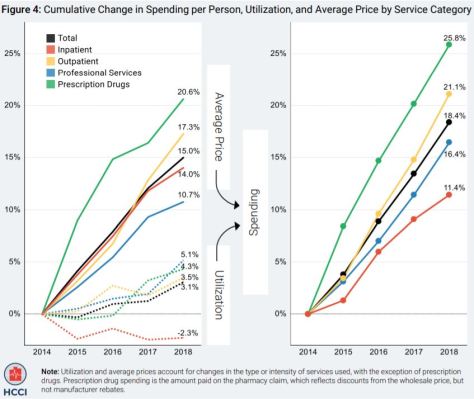
The report examines four groups of health care services and dozens of sub-categories. Of the four major categories, outpatient visits and procedures saw the highest 2018 spending increase (5.5%). Other notable trends include:
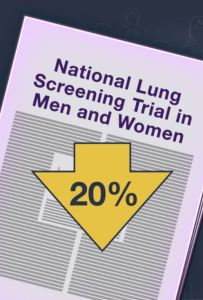 Featuring articles on lung-cancer screening in the NELSON trial, ribociclib and fulvestrant in metastatic breast cancer, vitamin D in pregnancy and asthma, treatment thresholds for neonatal hypoglycemia, and CAR-NK cells in anti-CD19 lymphoid tumors; a review article on placebo and nocebo effects; a Clinical Problem-Solving describing a rapid change in pressure; and Perspective articles on altruism in Extremis, on abuses of FDA regulatory procedures, and on joining forces against delirium.

From a JAMA Network online article (February 4, 2020):
 High medical prices and billing practices may reduce public trust in the medical profession and can result in the avoidance of care. In a survey of 1000 patients, 64% reported that they delayed or neglected seeking medical care in the past year because of concern about high medical bills. The field of quality science in health care has developed measures of medical complications; however, there are no standardized metrics of billing quality.
 A recent study found that only 53 of 101 hospitals were able to provide a price for standard coronary artery bypass graft surgery. Notably, among the hospitals that provided a price, the price ranged from approximately $44 000 and $448 000 and was not associated with quality of care as measured by risk-adjusted outcomes and the Society of Thoracic Surgeons composite quality score.

In the same way that there is wide variation in pricing, aggressive collection tactics also can be highly variable by institution. In a recent analysis, 36% (48/135) of hospitals in Virginia garnished wages of patients with unpaid medical bills, and 5 hospitals accounted for 4690 garnishment cases in 2017, representing 51% of all cases.7 In total, 20 054 lawsuits were filed in Virginia against patients for unpaid debt. For many hospitals that sue patients, legal action follows multiple attempts to contact patients through letters and calls, and some hospitals may offer to set up payment plans or even negotiate charges.
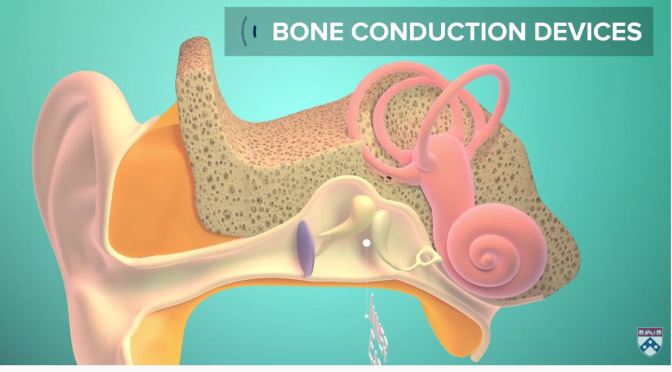
At Penn Medicine ENT, we offer patients the most advanced developments in hearing technology. Our multidisciplinary approach to medicine ensures that each patient path is tailored to the patient’s specific needs.
In terms of hearing devices, we offer access to almost every hearing aid manufacturer available, as well as advanced implantable technology. This includes the auditory brain stem implant, which Penn Medicine is the first in the region to offer.
Hearing is currently the only sense that we can completely restore. We’re proud to be able to offer our patients everything available to help restore their communication with family and friends.
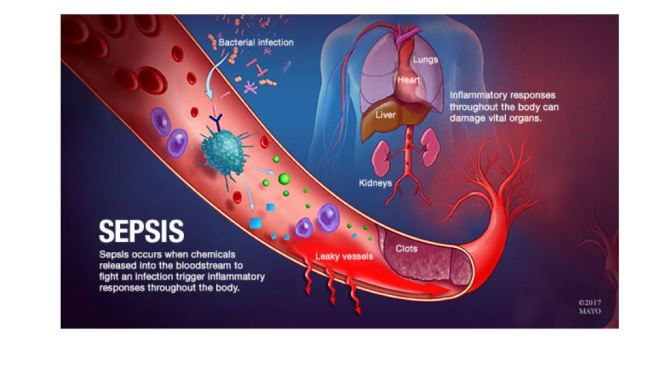
Our bodies are very good at fighting infection. The immune system reacts and attacks bacteria and viruses that make us sick. But sometimes the immune reaction is so strong that it damages the body. This is called a septic reaction or sepsis, and the mortality rate associated with it can be high.
In fact, a new study suggests that sepsis is responsible for 20 percent of all deaths worldwide. That’s more deaths than are estimated to be attributable to cancer. At Mayo Clinic, doctors like Kannan Ramar, M.B.B.S., M.D., are trying to change that with a sepsis response team in intensive care units. Their goal: to stop sepsis and save lives.
More health and medical news on the Mayo Clinic News Network. https://newsnetwork.mayoclinic.org/
 In this video, best-selling author Abraham Verghese, MD, discusses the origins of the study he coauthored identifying 5 practices that foster meaningful connections between physicians and patients.






 Boomers Daily