Filmed, Edited and Directed by: L’oeil d’Eos
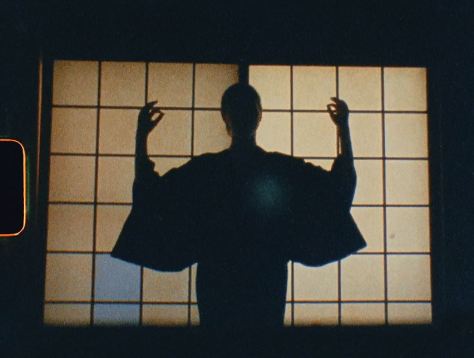
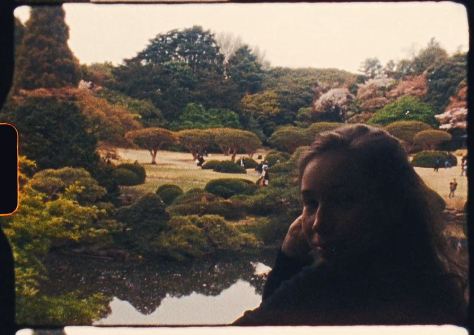
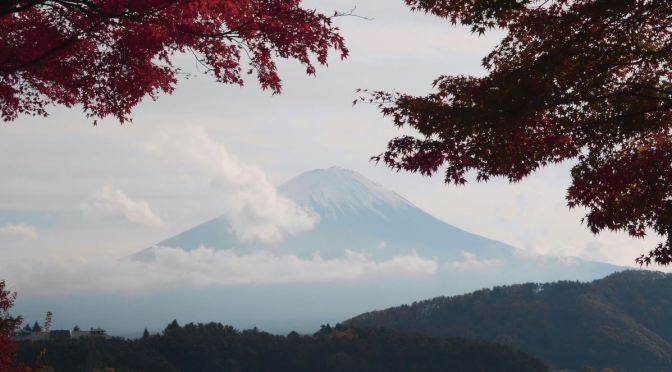
Against tide and on the sidelines of the crowd, it’s a confidential Japan that we present to you in this video. Condensed from our two recent trips to the Land of the Rising Sun, this film is an ode to the connection to nature and urban harmony that characterize Japan so well.
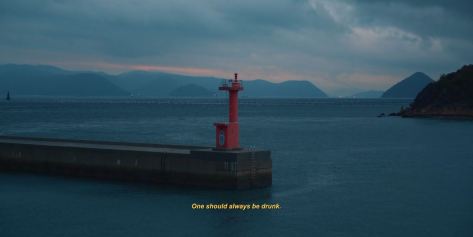
The words of Charles Baudelaire respond to the images, or rather is it the opposite ?
There are atmospheres that you imagine more than others, and if someone had asked us the question earlier, it’s exactly with these images, these moments that we would have described Japan.
Where the sun is born, where effervescence becomes a sense of appeasement, where meditation and lifestyle become one.
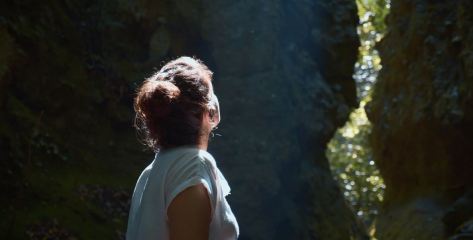
“GET DRUNK” by Charles Baudelaire
ONE SHOULD always be drunk. That’s the great thing; the only question.
Not to feel the horrible burden of Time weighing on your shoulders and bowing you to the earth, you should be drunk without respite.
Drunk with what? With wine, with poetry, or with virtue, as you please. But get drunk.
And if sometimes you should happen to awake, on the stairs of a palace, on the green grass of a ditch, in the dreary solitude of your own room, and find that your drunkenness is ebbing or has vanished, ask the wind and the wave, ask star, bird, or clock, ask everything that flies, everything that moans, everything that flows, everything that sings, everything that speaks, ask them the time; and the wind, the wave, the star, the bird and the clock will all reply: “It is Time to get drunk! If you are not to be the martyred slaves of Time, be perpetually drunk! With wine, with poetry, or with virtue, as you please.”

Website: https://loeildeos.com/videos-de-voyage/






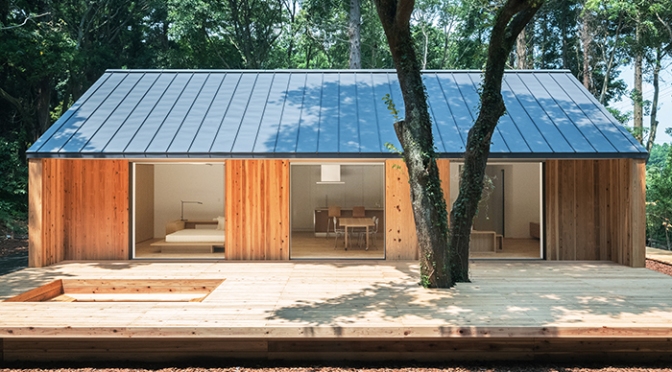
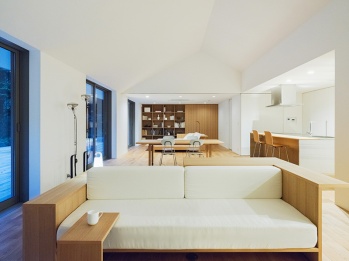 …the Yō no Ie re-imagines a life in suburban-rural areas, rather than urban-suburban. This reflects quiet yet significant social changes – or rather, shifts in life priorities of people and how they define happiness. In the 20th century, when society was excited about economic growth, everyone dreamed of living in cities, working at big companies by navigating a world of fierce competition, either spending an eye-popping amount of money on a small urban condo that quickly became a norm, or traveling hours to commute from a more affordable home in rapidly sprawling suburbs.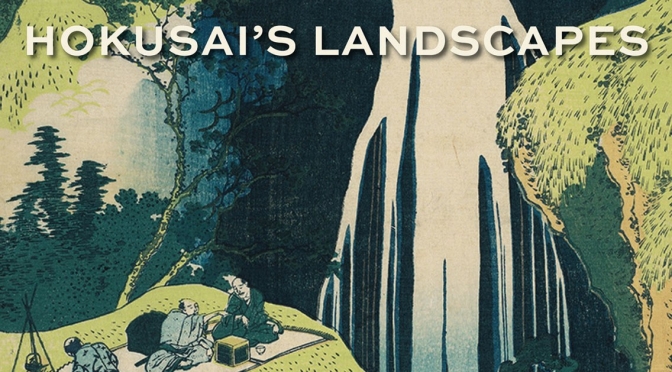
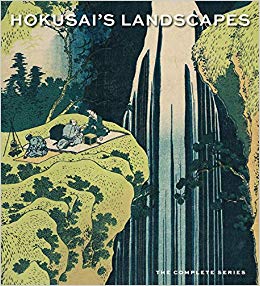 Hokusai’s landscapes revolutionized Japanese printmaking and became icons of world art within a few decades of the artist’s death. Hokusai’s Landscapes focuses exclusively on this pivotal body of the artist’s work, the first book to do so. Featuring stunning color reproductions of works from the incomparable Japanese art collection at the Museum of Fine Arts, Boston (the largest collection of Japanese prints outside Japan), Hokusai’s Landscapes examines the magnetic appeal of Hokusai’s designs and the circumstances of their creation.
 This week our correspondent joined Emmanuel Macron on his visit to China. The French president is stretching his diplomatic wings, and has some striking views about Europe’s place in the world. The state of Texas has been reliably Republican for decades, but its demographics are changing; could it at last turn blue? And how Japan is dealing with its epidemic of public-transport groping.

 FINICKY WESTERN EATERS would still be relieved to find filet mignon on the French menu of the hotel, now known as the Nikko Kanaya, a 90-minute drive from Tokyo. The dining room itself looks much as it did when it first opened, in 1893 and eagle-eyed diners might notice that the wooden pillars are decorated with flower carvings that echo those of the nearby Toshogu shrine. The views from the guest rooms are likewise unchanged—forest-covered mountains in the background, the same fastidiously manicured gardens in the foreground that the Einsteins strolled in 1922. Other parts of the hotel feel mildly haunted, like a Japanese version of “The Shining.” The wood-paneled lobby is well worn, stairwells creak noticeably and a shadowy cocktail bar features fading black-and-white photos of forgotten ’20s parties, with men in tuxedos and women in frocks smiling at the camera.
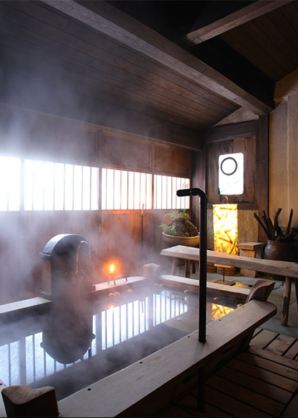 Situated along the winding mountain road that is the historic village of Omori, Takyo Abeke is hidden behind a rustic bamboo fence covered in climbing roses and shielded from the road by a deep courtyard garden. The 228-year-old building was once the home of the Abe family (Abeke), who were administrative officials for the Iwami Ginzan silver mine dug deep into the mountains at the top of the village. During the 17th and 18th centuries the silver mine was the largest in the world, and its output financed not only bustling local village life and imposing houses like Abeke but also Japan’s rapid economic growth, urbanization, and flowering of its unique culture of shibusa— aesthetics based on nature, simplicity, and the ephemeral—during the first centuries of the Edo period (1603-1868).


 Boomers Daily