This bike ride starts at the Porta Portese in the Trastevere district in Rome and takes you on a 10 mile (16km) ride along the Tiber River. The ride was filmed on June 6th, 2020 starting at 11:00am.
Video Timeline Links▼▼ 0:00 – Map of the bike ride 0:27 – Porta Portese 3:25 – Ponte Palatino 3:47 – Ponte Cestio 4:28 – Ponte Garibaldi 5:25 – Ponte Sisto 7:18 – Ponte Giuseppe Mazzini 8:40 – Ponte Principe Amedeo Savoia Aosta 9:20 – Ponte Vittorio Emanuele II 10:07 – Ponte Sant’Angelo 11:12 – Ponte Umberto I 12:22 – Ponte Cavour 13:56 – Ponte Regina Margherita 14:59 – Ponte Pietro Nenni 15:44 – Ponte Giacomo Matteotti 17:20 – Ponte del Risorginmento 17:30 – Ramp up to upper path 18:19 – Ramp up to Lungotevere della Vittoria 21:18 – Via Capoprati (return to upper bike path) 25:26 – Ramp to lower bike path 25:50 – Ponte Milvio (TURN AROUND)
Venice – It’s hard not to fall in love with the romantic set up of Venice. Everywhere you look is a picture opportunity worthy of a postcard. The best way to see the city is to explore it by gondola on its gorgeous canals. Be sure to check out the bustling city hub at the Piazza San Marco and the Basilica of St. Mark.
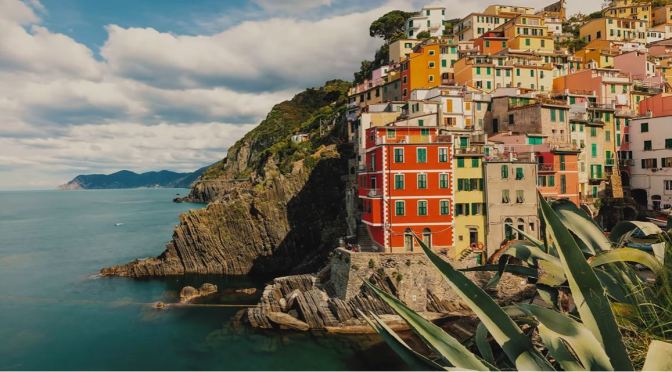
Amalfi Coast – Want to sip your favorite drink as you enjoy the vibrant blue hues of the Mediterranean? If so, the Amalfi Coast is the ideal destination for you. This paradise is adorned with towering cliffs, sunbathers, and charming multicolored fishing villages. It’s definitely the perfect place to live by the Italian philosophy, La Dolce Vita (‘the sweet life’).
Rome – You will surely not run out of things to do in Italy’s biggest city. A top pick among many backpackers despite its steep prices, Rome is undeniably one of the most gorgeous cities in the world. You will be missing out if you do not make time to see the fantastic Colosseum, the biggest amphitheater of the ancient Roman Empire. As you look at its vastness, you can almost hear the loud roar of the audience as they watch the greatest gladiators fight. Additionally, Rome is also filled with tons of attractions such as churches, fountains, and museums. It is truly a place you should immerse yourself in at least once in your life.
Verona – If you’re a fan of Romeo and Juliet, you’ve probably heard about the town of Verona. Aside from being the setting to arguably the most popular love story of all time, Verona has a variety of medieval structures. Don’t forget to see Casa di Giulietta or Juliet’s House and leave a love note on its courtyard walls. Siena Unlike other major cities in Italy, this charismatic city is not packed with thousands of tourists. Siena boasts some of the most beautiful old structures in the country and is popular for its bareback horse races. If you’re feeling adventurous, you can climb up the civic palace to see the view of the entire town.
Milan – No visit to Italy is complete without walking along the streets of Milan. If you love to shop, this fashion center is the place to be. Here, you can live like royalty as you shop till you drop and immerse yourself in its vibrant art and culinary scene.
Lefay Resort & SPA Lago di Garda is located in Gargnano in the heart of the spectacular and renowned “Riviera dei Limoni”. 11 hectares of natural park, surrounded by gentle hills and natural terraces rich in woods and olive groves overlooking a spectacular view of the lake.
Lake Garda, in northern Italy, is known for its crystal clear water. At the south end, the town of Sirmione is dominated by the Rocca Scaligera, a fortress with harbor views. The nearby Grotte di Catullo archaeological site includes a Roman villa. On the lake’s western shore, in Gardone Riviera, is Il Vittoriale degli Italiani, former home of poet d’Annunzio. The Dolomites frame Riva del Garda, a resort in the north.
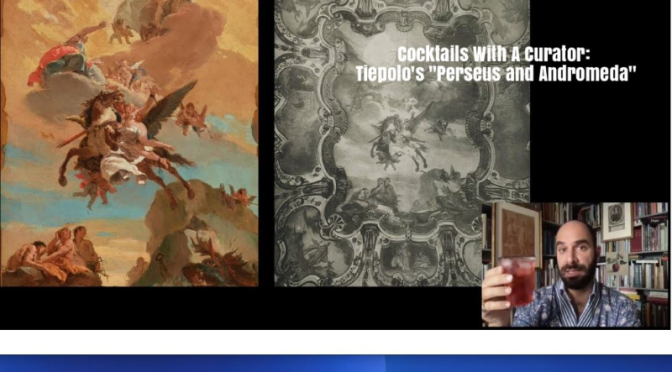
In this week’s episode of “Cocktails with a Curator,” Deputy Director and Peter Jay Sharp Chief Curator Xavier F. Salomon considers the fragility of art in the context of the Frick’s “Perseus and Andromeda” by Giambattista Tiepolo. This depiction of the Greek demigod saving Andromeda from a sea-monster is a preparatory sketch for a series of ceiling frescoes at Palazzo Archinto in Milan that were destroyed during an Allied bombing in 1943. The painting was featured in an acclaimed 2019 exhibition at the Frick that brought together the surviving preparatory works and pre-war photography to tell the story of these lost masterpieces. This week’s complementary cocktail is a Milanese Gin and Tonic.
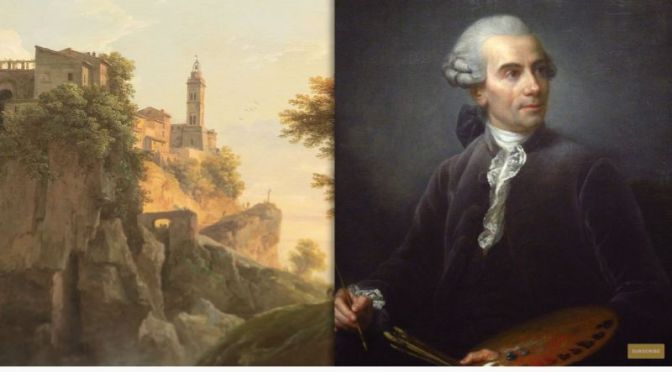
In the 18th century, Joseph Vernet was uncontestably the greatest landscape painter of his generation. In this episode of Anatomy of an Artwork, discover how the ambitious and poetic landscape of ‘View of Tivoli’ pays tribute to the Italy Vernet loved so dearly.
Claude-Joseph Vernet was the leading French landscape painter (with Hubert Robert) of the later 18th century. He achieved great celebrity with his topographical paintings and serene landscapes. He was also one of the century’s most accomplished painters of tempests and moonlight scenes.
Vernet was born at Avignon and trained there with his father, Antoine, and with the history painter Philippe Sauvan. He spent the years 1734 to 1752 in Rome, where he studied classical landscapes in the tradition of Claude and Gaspard Dughet, as well as the dramatic paintings of Salvator Rosa. In Rome he was influenced by the contemporary Roman topographical painter Giovanni Paolo Panini. He had many English clients and admirers in Rome, including Richard Wilson, whom Vernet is thought to have encouraged as a landscape painter.
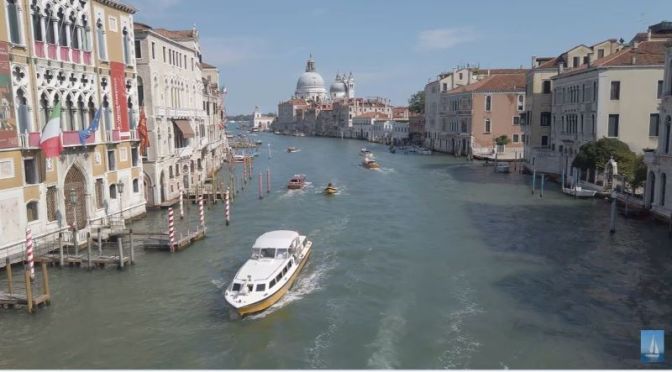
Venice, the capital of northern Italy’s Veneto region, is built on more than 100 small islands in a lagoon in the Adriatic Sea. It has no roads, just canals – including the Grand Canal thoroughfare – lined with Renaissance and Gothic palaces. The central square, Piazza San Marco, contains St. Mark’s Basilica, which is tiled with Byzantine mosaics, and the Campanile bell tower offering views of the city’s red roofs.
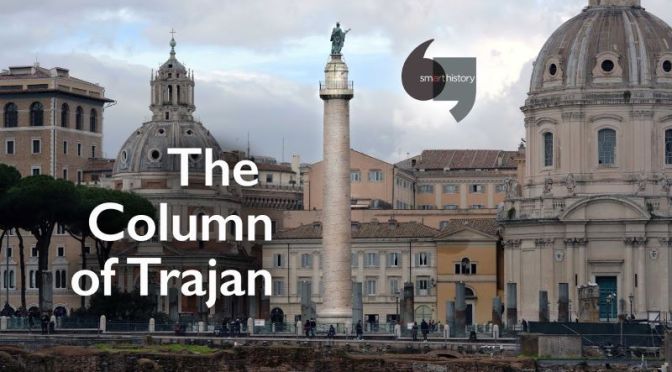
Trajan’s Column is a Roman triumphal column in Rome, Italy, that commemorates Roman emperor Trajan’s victory in the Dacian Wars. It was probably constructed under the supervision of the architect Apollodorus of Damascus at the order of the Roman Senate. It is located in Trajan’s Forum, built near the Quirinal Hill, north of the Roman Forum. Completed in AD 113, the freestanding column is most famous for its spiral bas relief, which artistically represents the wars between the Romans and Dacians (101–102 and 105–106). Its design has inspired numerous victory columns, both ancient and modern.
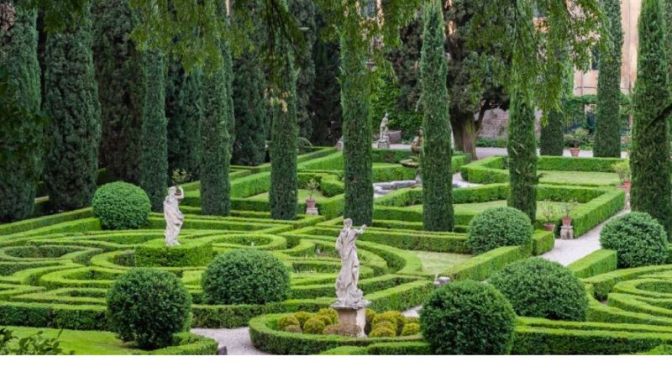
Giardino Giusti in Verona and Villa Fracanzan Piovene: The centuries-old Italian gardens that evoke the romance of Romeo and Juliet.
November 7, 2020
The name Giusti has been synonymous with one of Italy’s most celebrated Renaissance gardens since the late 16th century. Originally wool-dyers from Prato in Tuscany, the Giusti family had moved its business north in the previous century, settling in an unglamorous industrial suburb of Verona. Within a few generations, its members were rich and had also acquired the requisite antiquarian and artistic tastes of true Renaissance gentlefolk.
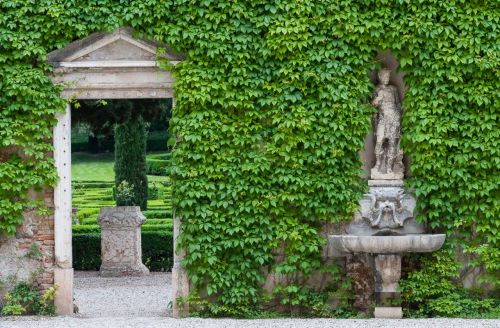
The garden created by Agostino Giusti between 1565 and 1580 was intended to fulfil various functions. It had to showcase his collection of Roman inscriptions and to serve as a setting for the lavish theatrical and musical productions—the predecessors of opera—then in vogue. To this day, the garden retains the surprise element of a stage set, presenting a magnificent and entertaining spectacle that totally confounds one’s expectations of a city garden.
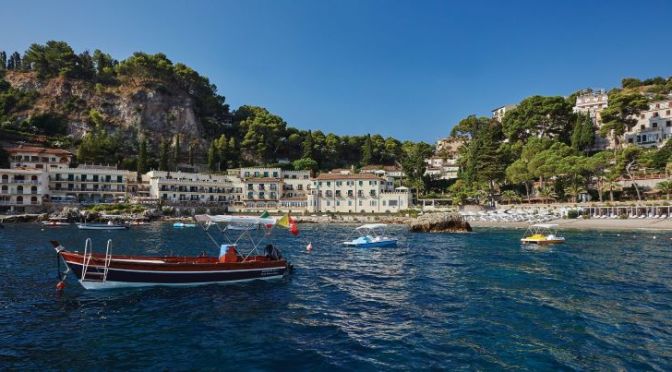
Built by an aristocratic family in 1919 among lush, subtropical gardens, this secluded retreat retains all the charm of a private residence. Belmond Villa Sant’Andrea enjoys a reputation as one of the most romantic hotels in Taormina.
Settle into a sun-dappled seat and relax. Then, when action calls, a cable car whisks you in just three minutes to the town centre, with its many cultural attractions and sophisticated shopping scene.
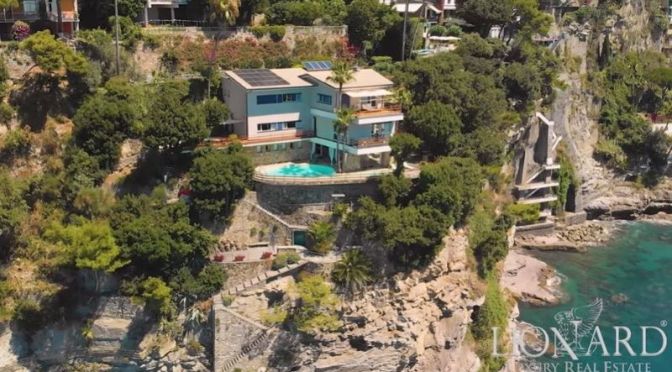
This beautiful villa with a mesmerizing panoramic view and private access to the sea, set into a cliff, is currently up for sale in Sori, province of Genova. This marvelous property is located just a few kilometres from Portofino, a prestigious town on the Ligurian coast. Furthermore, the villa encompasses three floors and possesses an internal surface of roughly 500 m². A mesmerizing swimming pool, is situated within this property’s leafy 1,200 m² garden. Furthermore, the garden consists in part of a vast relaxation area where you can appreciate the quietness, peacefulness and privacy of this unique property. Finally, the outdoor area displays also a spacious and lovely patio for your “al fresco” meals.
Genoa (Genova) is a port city and the capital of northwest Italy’s Liguria region. It’s known for its central role in maritime trade over many centuries. In the old town stands the Romanesque Cathedral of San Lorenzo, with its black-and-white-striped facade and frescoed interior. Narrow lanes open onto monumental squares like Piazza de Ferrari, site of an iconic bronze fountain and Teatro Carlo Felice opera house.
News, Views and Reviews For The Intellectually Curious





 Boomers Daily