
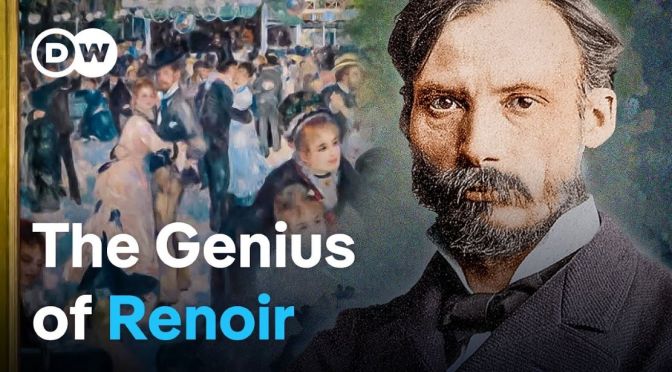

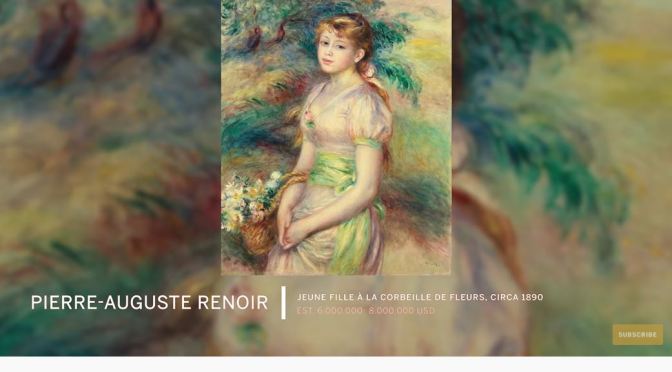
DW History and Culture (November 21, 2024): Discover the trailblazing spirit of Auguste Renoir, one of the founders of impressionism, whose canvases shattered centuries of artistic convention. In “Renoir – Portrait of Changing Times,” we see how Renoir took inspiration from the past, while transforming Parisian life undergoing societal change into timeless masterpieces.
Renoir’s impressionistic strokes capture the pulse of 1870s Paris, a city reeling from war and revolutionary change, whilst incorporating Rococo references. This documentary explores the genesis of Renoir’s vision, which melds tradition with the avant-garde. As his son later wrote, “Renoir loved fairy tales.
The everyday was like a fairy tale to him”. Like the fairytale world of Rococo Painting, Renoir’s impressionist works do not depict reality but create an alluring and beautiful fiction that still captures the imagination today.
 The National Gallery

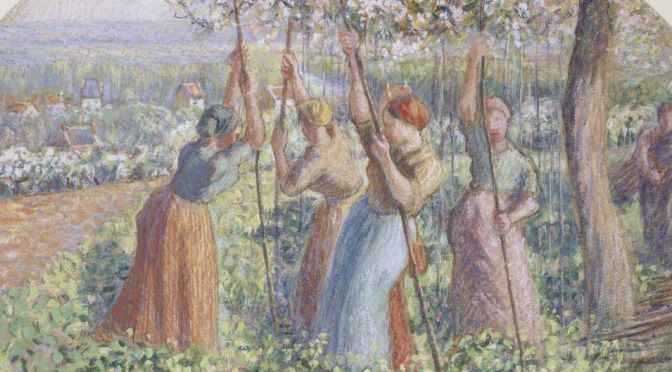

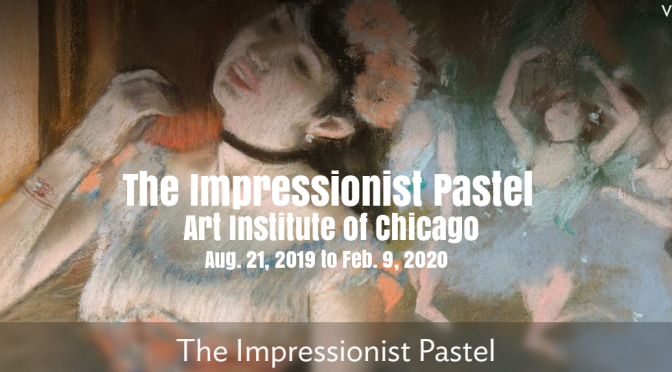
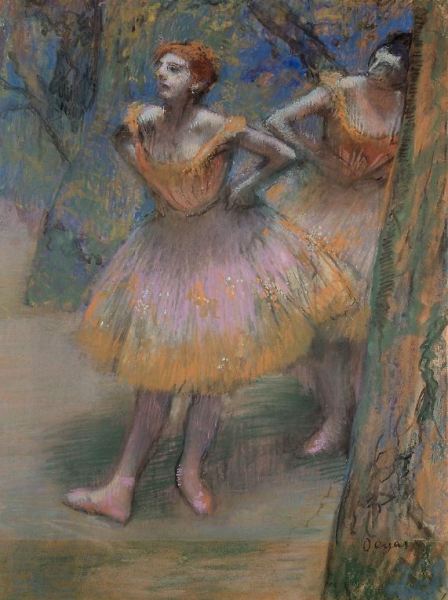 This focused installation features pastels by four artists whose work was shown in the Impressionist exhibitions: Mary Cassatt, Edgar Degas, Eva Gonzalès, and Berthe Morisot. Their subjects range from scenes of modern life, such as ballet performers and a woman working in a hat shop, to depictions of intimate moments of bathing and women with children.
 Pastel, a medium used to draw on paper or, less often, on canvas, is made by combining dry pigment with a sticky binder. Once artists have applied the pastel to the surface, they can either blend it, leave their markings visible, or layer different colors to create texture and tone. Pastel portraits had previously gained popularity in France and England in the 18th century, but fell out of fashion with critics when pastel was deemed too feminine; not only was it used by women artists, but it had a powdery consistency similar to women’s makeup. The Impressionists rejected this bias and instead embraced the medium’s ability to impart immediacy, boldness, and radiance.
 Boomers Daily