
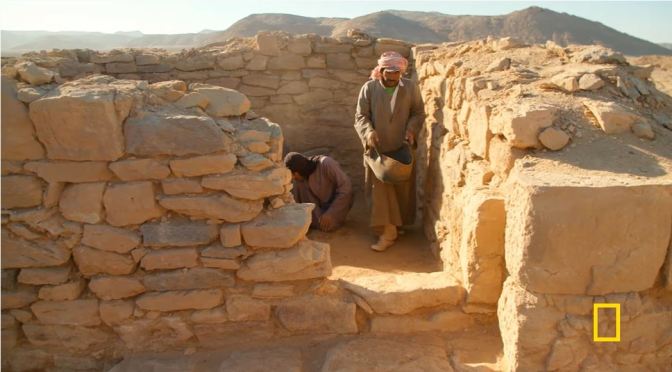
Tutankhamun was buried with over 260 pounds of gold and archeologist are trying to find out how the pharaoh mined and amassed so much gold.
Tag Archives: History
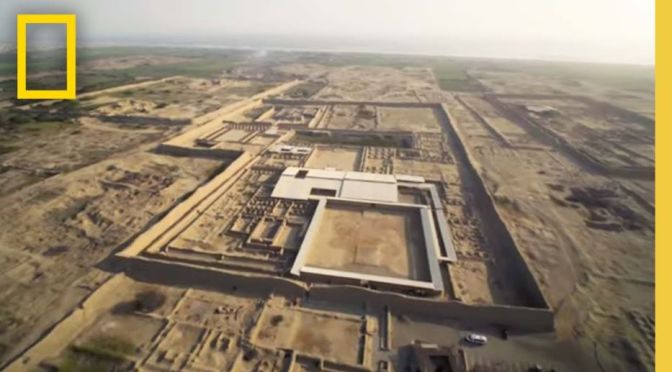
Archaeology: The Lost City Of Chan Chan In Peru
Dr. Albert Lin is investigating the true origin of the ancient story of the great flood. In his search for answers he comes to the lost city of Chan Chan where the Chimú people have recorded a violent shift in the ocean currents.
Chan Chan was the largest city of the pre-Columbian era in South America.[1] It is now an archaeological site in La Libertad Region 5 kilometres (3.1 mi) west of Trujillo, Peru.[2]
Chan Chan is located in the mouth of the Moche Valley[3] and was the capital of the historical empire of the Chimor from 900 to 1470,[4] when they were defeated and incorporated into the Inca Empire.[5] Chimor, a conquest state,[3] developed from the Chimú culture which established itself along the Peruvian coast around 900 AD.[6]
Chan Chan is in a particularly arid section of the coastal desert of northern Peru.[7] Due to the lack of rain in this area, the major source of nonsalted water for Chan Chan is in the form of rivers carrying surface runoff from the Andes.[4] This runoff allows for control of land and water through irrigation systems.
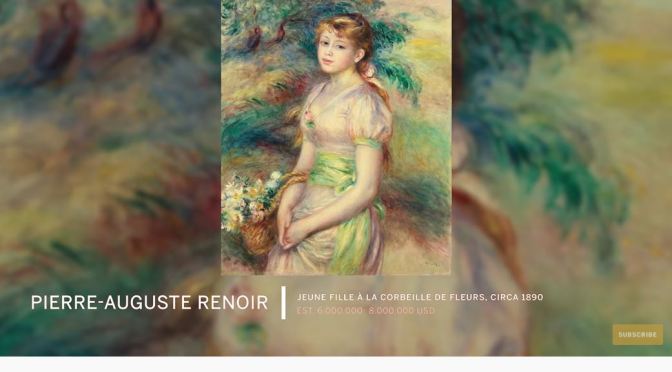
Art History: Auguste Renoir’s ‘Jeune Fille’
In this video, join Thomas Boyd-Bowman in an exploration of Pierre-Auguste Renoir’s Jeune fille à la corbeille de fleurs, a highlight of Sotheby’s Modern Art Evening Auction in November. Painted at one of the finest moments in Renoir’s career, Jeune fille à la corbeille de fleurs radiates with color and embodies the masterful portraiture for which he is best remembered. It was first acquired by the legendary art dealer Paul Durand-Ruel and later purchased by Dr. Albert Barnes of the esteemed Barnes Foundation, only to be returned to Durand-Ruel a few years later. With this extraordinary provenance, this painting exemplifies the triumph of impressionism from the perspective of artist, dealer and collector.
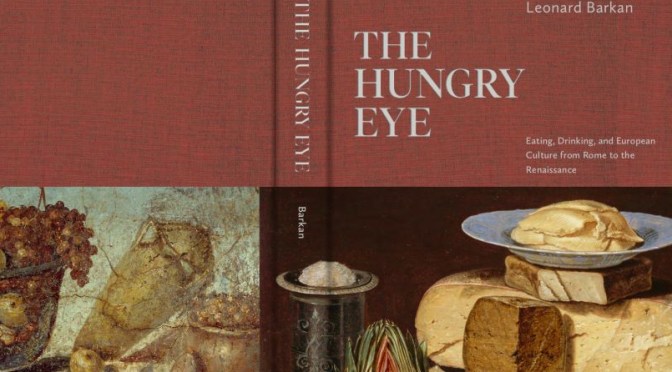
Book Reviews: ‘The Hungry Eye – Eating, Drinking And European Culture’ (2021)
Eating and drinking can be aesthetic experiences as well as sensory ones. The Hungry Eye takes readers from antiquity to the Renaissance to explore the central role of food and drink in literature, art, philosophy, religion, and statecraft.
In this beautifully illustrated book, Leonard Barkan provides an illuminating meditation on how culture finds expression in what we eat and drink. Plato’s Symposium is a timeless philosophical text, one that also describes a drinking party. Salome performed her dance at a banquet where the head of John the Baptist was presented on a platter. Barkan looks at ancient mosaics, Dutch still life, and Venetian Last Suppers. He describes how ancient Rome was a paradise of culinary obsessives, and explains what it meant for the Israelites to dine on manna. He discusses the surprising relationship between Renaissance perspective and dinner parties, and sheds new light on the moment when the risen Christ appears to his disciples hungry for a piece of broiled fish. Readers will browse the pages of the Deipnosophistae—an ancient Greek work in sixteen volumes about a single meal, complete with menus—and gain epicurean insights into such figures as Rabelais and Shakespeare, Leonardo and Vermeer.
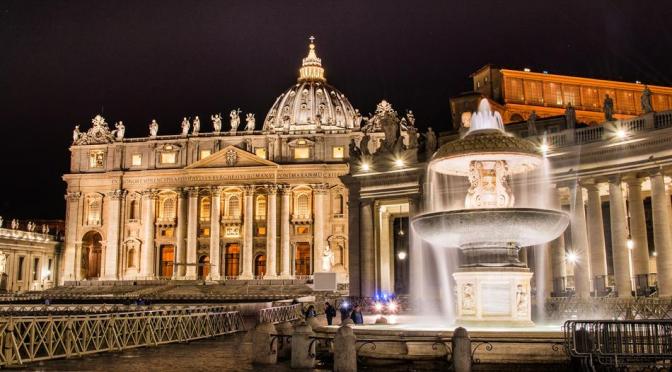
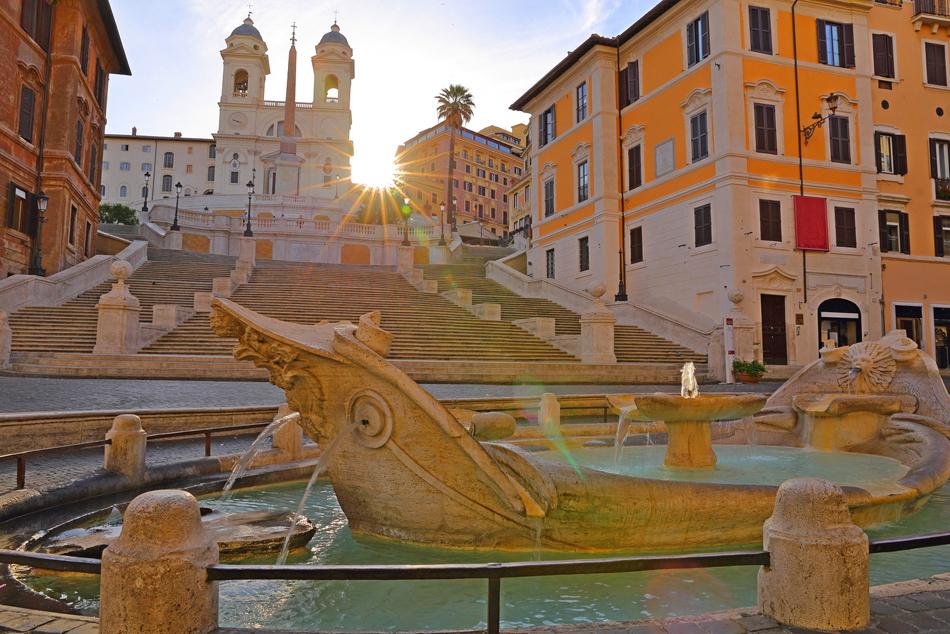
Views: A Tour Of Rome’s ‘Monumental Fountains’
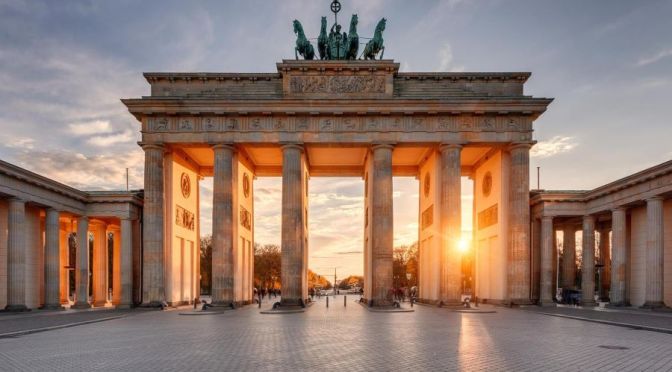
History Of Berlin: The Brandenburg Gate (1790)
The Brandenburg Gate is an 18th-century neoclassical monument in Berlin, built on the orders of Prussian king Frederick William II after the temporary restoration of order during the Batavian Revolution.
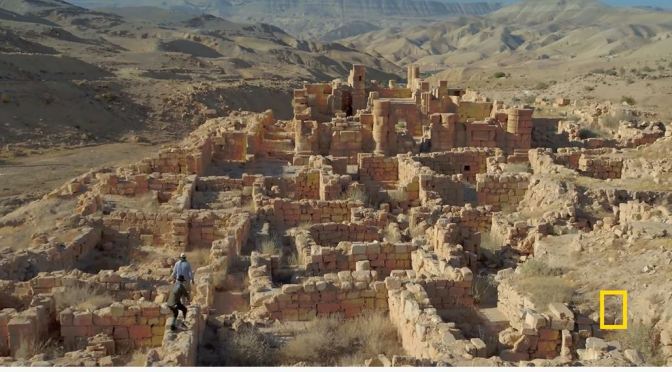
Archaeology: Lost Cities Of The Nabateans, Jordan (National Geographic)
Dr. Albert Lin is exploring the ancient architecture of the Nabateans, and recreates one of their lost cities using lidar.
The Nabataeans, also Nabateans, were an ancient Arab people who inhabited northern Arabia and the southern Levant. Their settlements—most prominently the assumed capital city of Raqmu —gave the name Nabatene to the Arabian borderland that stretched from the Euphrates to the Red Sea.
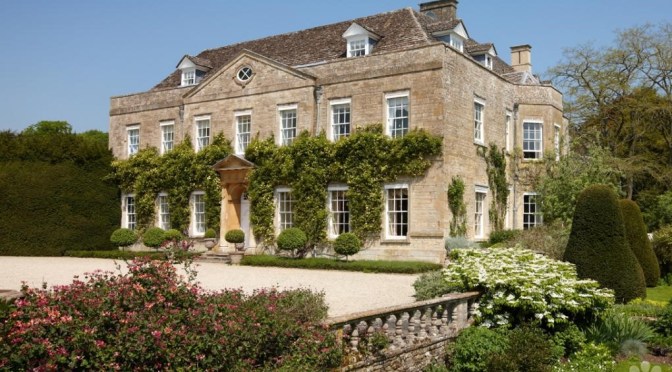
Architecture: Cornwell Manor, Oxfordshire, UK

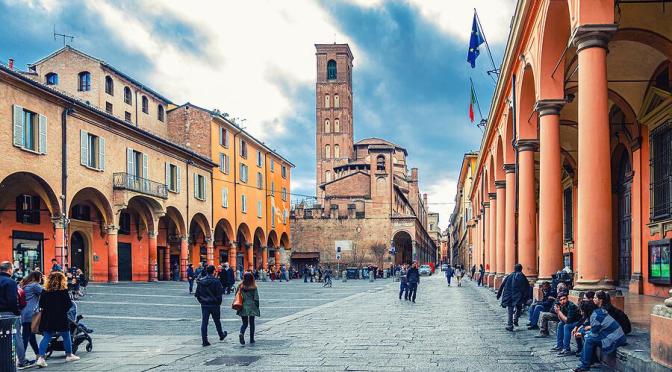
Travel & Architecture: Bologna – The City Of Porticoes & Arcades

Ancient Egypt: Ramses II & The Hittite Peace Treaty
While Ramses II is often hailed for his military achievements and his skill as a warrior, he was also a well versed diplomat. During his reign he brought the 20 year war with the Hittites to an end and created one of the first written peace treaties.
 Boomers Daily