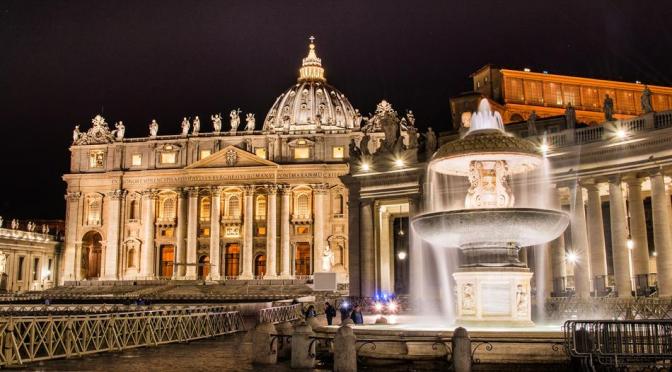
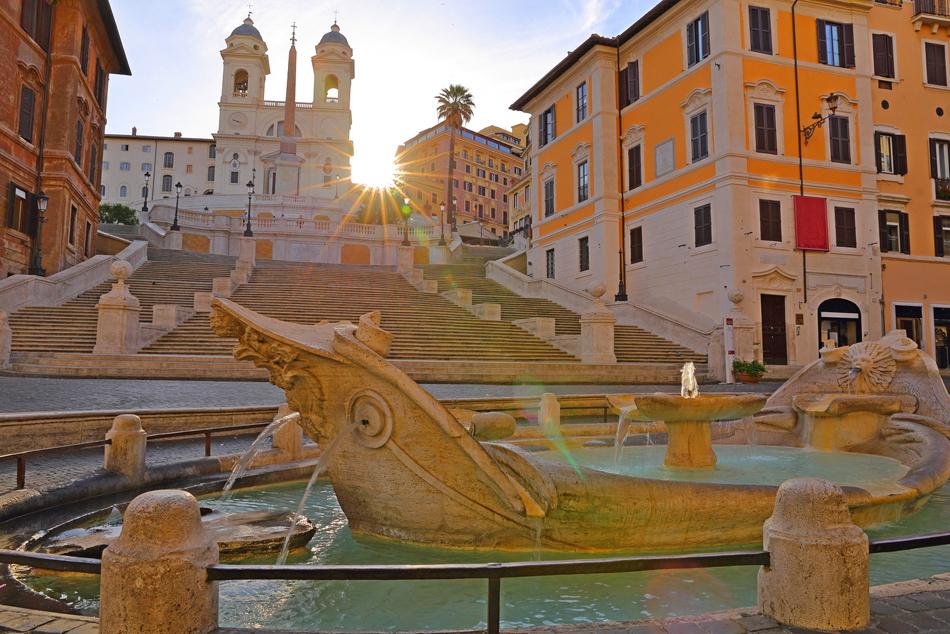
#Rome is dotted with fountains – hundreds of them. From monumental to small, the city’s architectural landscape is very much characterized by the presence of ‘fontane,’ which for the past 2,000 years have decorated the squares and provided drinking water. https://t.co/1AP4nAL5bspic.twitter.com/rwzQjqpcyk
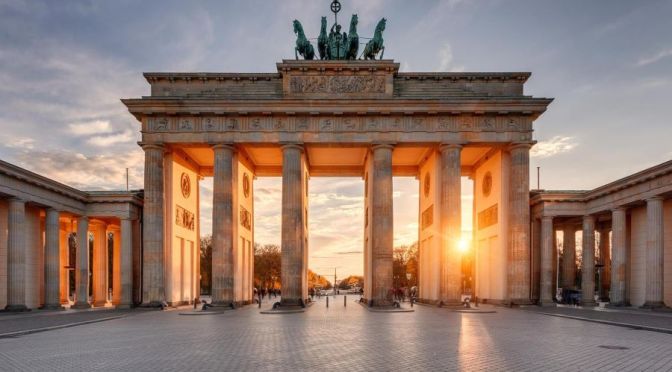
Berlin is a city full of fascinating yet little-known stories, but if you know where to look, you can spot them hiding in plain sight all over the city. Enjoy a tour of Berlin unlike any other.
The Brandenburg Gate is an 18th-century neoclassical monument in Berlin, built on the orders of Prussian king Frederick William II after the temporary restoration of order during the Batavian Revolution.
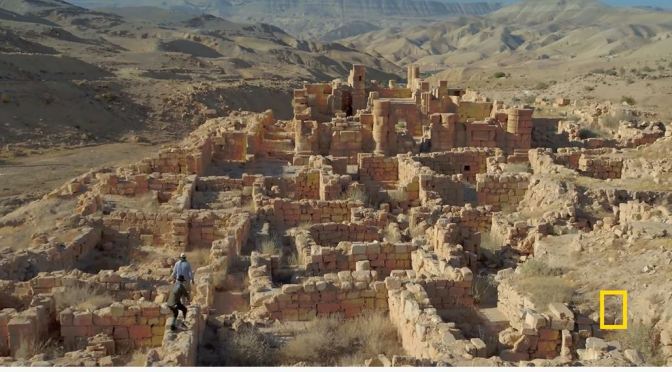
Dr. Albert Lin is exploring the ancient architecture of the Nabateans, and recreates one of their lost cities using lidar.
The Nabataeans, also Nabateans, were an ancient Arab people who inhabited northern Arabia and the southern Levant. Their settlements—most prominently the assumed capital city of Raqmu —gave the name Nabatene to the Arabian borderland that stretched from the Euphrates to the Red Sea.
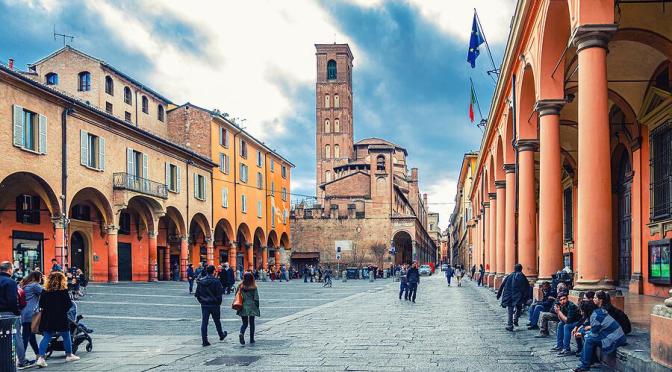
With its 62 kilometers of porticoes, #Bologna is the most ‘arcaded’ city in Italy. Let our native Bolognese writer take you on a tour of these unique arcades, recently inscribed by Unesco onto its World Heritage list. https://t.co/ffaBLoE5RCpic.twitter.com/prn1wjmFk9
While Ramses II is often hailed for his military achievements and his skill as a warrior, he was also a well versed diplomat. During his reign he brought the 20 year war with the Hittites to an end and created one of the first written peace treaties.
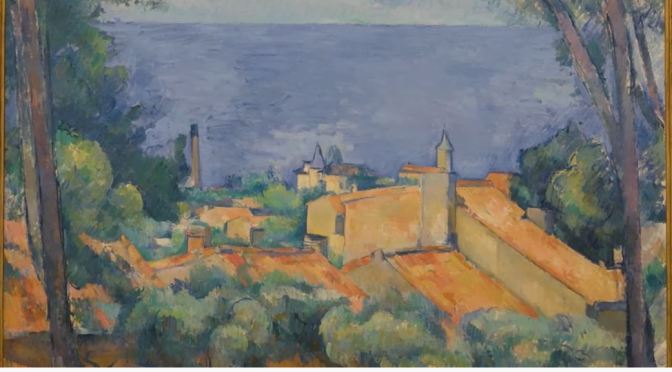
L’Estaque aux toits rouges by Paul Cézanne is one of the finest views of L’Estaque, the Provençal fishing village where the artist forged a radical new way of depicting the world around him.
Exhibited in 1936 and hidden away ever since, this remarkable piece will finally come back on view as part of The Cox Collection: The Story of Impressionism, taking place at Christie’s New York on 11 November.
While Cézanne is primarily associated with Aix-en-Provence, the village of L’Estaque near Marseille was a place that he returned to again and again when he sought sanctuary. His relationship with the village began when he holidayed there as a child with his mother. Then, in 1870, when Cézanne left Paris to avoid conscription into the army following the start of the Franco-Prussian War, he escaped to L’Estaque.
In 1836, Queen Maria, The Second, of Portugal married a German prince named Ferdinand. As a love letter to his new wife and Portuguese subjects, the King of Portugal built something that would embrace and celebrate Portugal’s cultural DNA – the Pena Palace. From above, one can see the incredibly nuanced construction of the castle’s domes to reflect Portugal’s rich history and the neo-Gothic, neo-Manueline, neo-Islamic and neo-Indian architectural influences. King Ferdinand’s attention to detail charmed his people and the Royal Family, who soon made the Pena Palace their summer residence, which would remain the case for the next six decades.
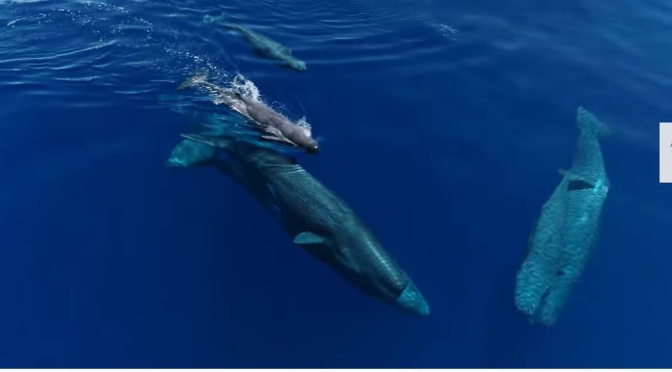
The sperm whale is the world’s largest toothed predator. It also has the biggest brain of any animal on earth.. This mind has helped them outwit their natural predators, but what happened when sperm whales came up against humans?
The sperm whale or cachalot is the largest of the toothed whales and the largest toothed predator. It is the only living member of the genus Physeter and one of three extant species in the sperm whale family, along with the pygmy sperm whale and dwarf sperm whale of the genus Kogia.
News, Views and Reviews For The Intellectually Curious





 Boomers Daily