Tag Archives: Health

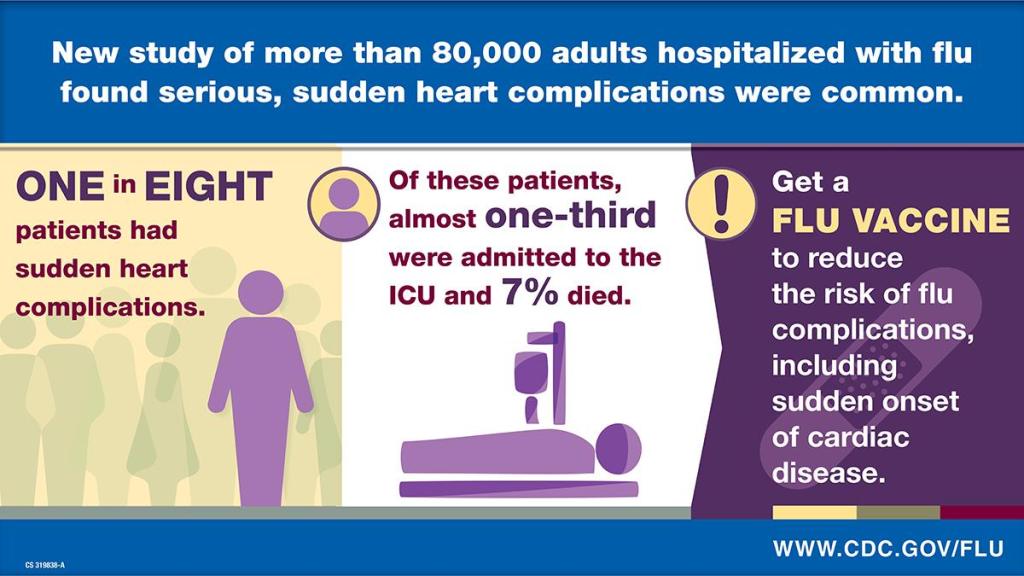
Importance Of Vaccines: Flu Hospitalizations Can Result In Sudden Heart Conditions (Infographic)

CENTERS FOR DISEASE CONTROL & PREVENTION (August 25, 2020) – A CDC study published today that looked at more than 80,000 U.S. adults hospitalized with flu over eight flu seasons (2010-11 through 2017-18) found that sudden, serious heart complications were common and occurred in one out of every eight patients (~12% of patients).

The study looked at a range of sudden heart complications called “acute cardiac events” that resulted in the following:

  • damage to the heart muscle,
  • inflammation of the heart muscle,
  • fluid or inflammation of the sac surrounding the heart, or
  • weakening of the pumping function of the heart.

The most common acute cardiac events reported in the study were acute heart failure and acute ischemic heart disease. Acute heart failure is the sudden inability of the heart to pump enough blood to meet the body’s demands, while acute ischemic heart disease is a term that describes heart problems caused by narrowed or blocked heart arteries.

Read more

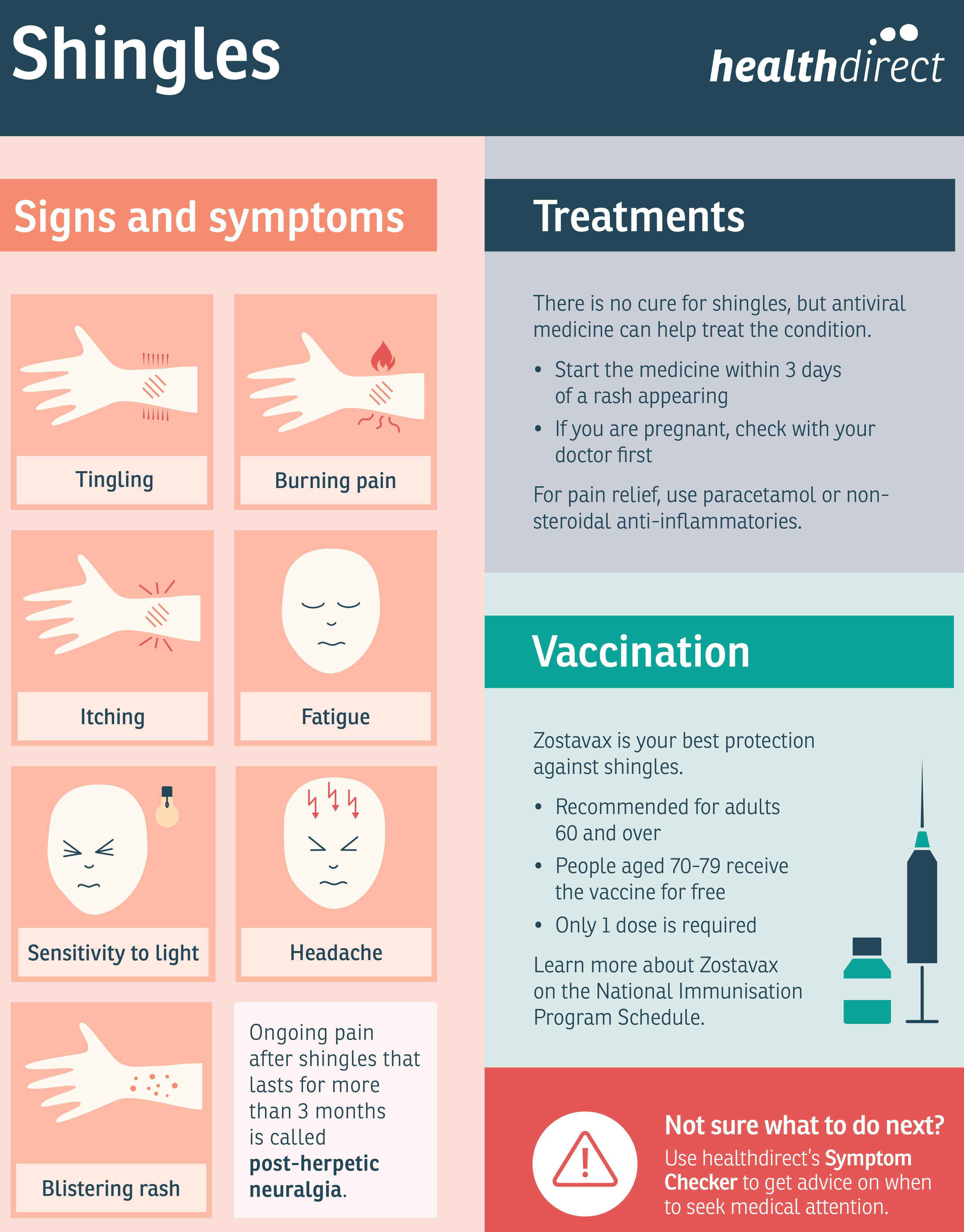
Infographics: “Shingles – Signs & Symptoms” (2020)

A reactivation of the chickenpox virus in the body, causing a painful rash. Anyone who’s had chickenpox may develop shingles. It isn’t known what reactivates the virus.Shingles causes a painful rash that may appear as a stripe of blisters on the trunk of the body. Pain can persist even after the rash is gone (this is called postherpetic neuralgia).Treatments include pain relief and antiviral medications such as acyclovir or valacyclovir. A chickenpox vaccine in childhood or a shingles vaccine as an adult can minimize the risk of developing shingles.

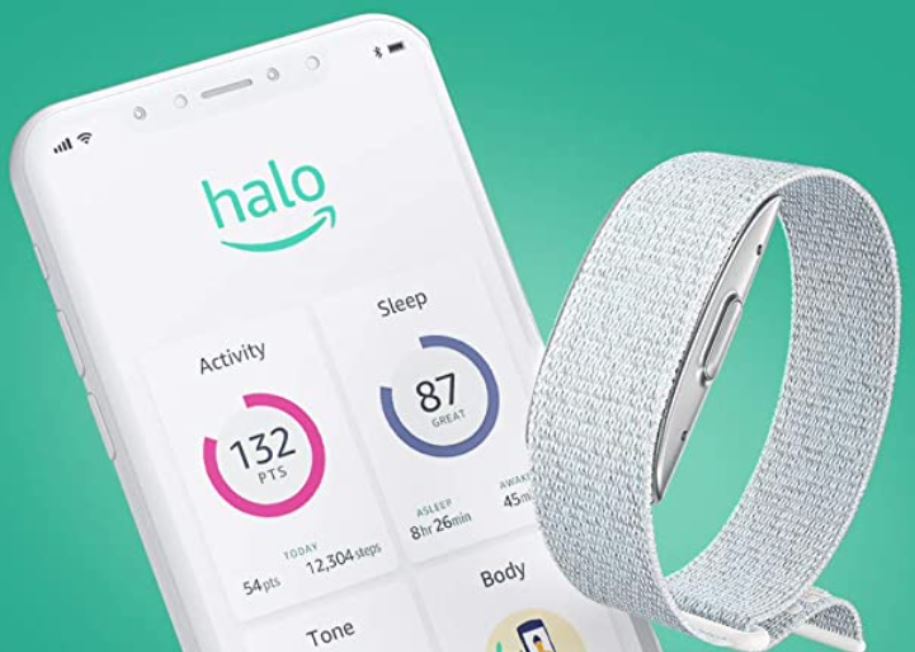
Health & Data Trackers: Will “Body Technology” Really Make Us Healthier?

The principle behind these technologies is that collecting more data will help make us healthier. The message from experts I spoke with is that there’s potential in that idea, but it hasn’t been fulfilled yet.

NEW YORK TIMES (August 28, 2020): One big limitation of health devices, though, is that many people don’t know what to do with the data they see about their heart rate or how many hours they slept.

“We’re not doing a very good job of educating people what to do with that information. That’s the piece that’s missing,” said John Jakicic, the director of the Healthy Lifestyle Institute at the University of Pittsburgh. (Side note: For some people, having data on their sleep might actually be counterproductive.)

Read full article

Covid-19: The Realities Of “Automated Contact Tracing” (Rand Video)

Ben Boudreaux, policy researcher with the RAND Corporation, describes how contact tracing can be used to track the spread of COVID-19 and explains the differences between manual and automated contact tracing.

Get more insights from RAND on the COVID-19 pandemic: https://www.rand.org/latest/covid-19….

Global News: How Viruses Shape The World, Black Elites & British Missteps

A selection of three essential articles read aloud from the latest issue of The Economist. This week, how viruses shape the world, (10:25) African-American elites and Black Lives Matter, (18:22) and how misrule by algorithm is failing Britain.

Stanford: Researchers Find Way To “Regrow” New Cartilage In Joints

The Stanford researchers figured out how to regrow articular cartilage by first causing slight injury to the joint tissue, then using chemical signals to steer the growth of skeletal stem cells as the injuries heal. The work was published Aug. 17 in the journal Nature Medicine.

“Cartilage has practically zero regenerative potential in adulthood, so once it’s injured or gone, what we can do for patients has been very limited,” said assistant professor of surgery Charles K.F. Chan, PhD. “It’s extremely gratifying to find a way to help the body regrow this important tissue.”

STANFORD MEDICINE (Aug 17, 2020): Researchers at the Stanford University School of Medicine have discovered a way to regenerate, in mice and human tissue, the cushion of cartilage found in joints.

Loss of this slippery and shock-absorbing tissue layer, called articular cartilage, is responsible for many cases of joint pain and arthritis, which afflicts more than 55 million Americans. Nearly 1 in 4 adult Americans suffer from arthritis, and far more are burdened by joint pain and inflammation generally.

Read full article

BMJ Podcast: What Is “Long-Covid” Syndrome?

Trisha Greenhalgh, professor of primary care health sciences at the University of Oxford has been a powerhouse of covid-19 evidence synthesis. She pulled together advice on doing remote consultations, on wearing masks to prevent spread, and a host of other information. She’s now turning her attention to “long-covid” – it’s becoming apparent that it’s not just an acute infection, patients are reporting chronic long term consequences of having the virus.

In this podcast, she describes what we know about long-covid, where the uncertainty lies, and what clinicians should be doing to help patients who are experiencing the symptoms.

Management of post-acute covid-19 in primary care https://www.bmj.com/content/370/bmj.m3026