

DW Radio News 24/7 reports: Death toll from earthquake in Turkey rises, a third man is arrested in terror attack in Nice, France, and other top world news.

DW Radio News 24/7 reports: Death toll from earthquake in Turkey rises, a third man is arrested in terror attack in Nice, France, and other top world news.
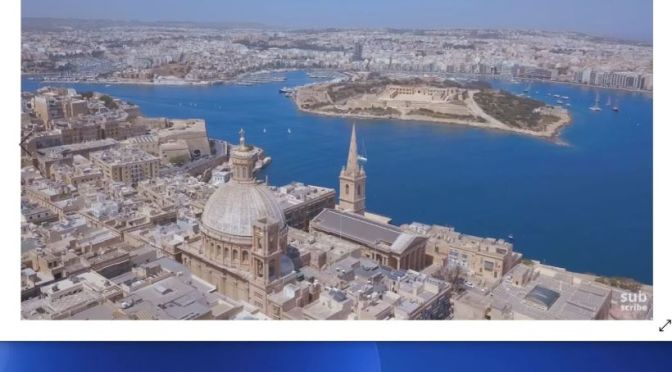
Valletta (or Il-Belt) is the tiny capital of the Mediterranean island nation of Malta. The walled city was established in the 1500s on a peninsula by the Knights of St. John, a Roman Catholic order. It’s known for museums, palaces and grand churches. Baroque landmarks include St. John’s Co-Cathedral, whose opulent interior is home to the Caravaggio masterpiece “The Beheading of Saint John.”
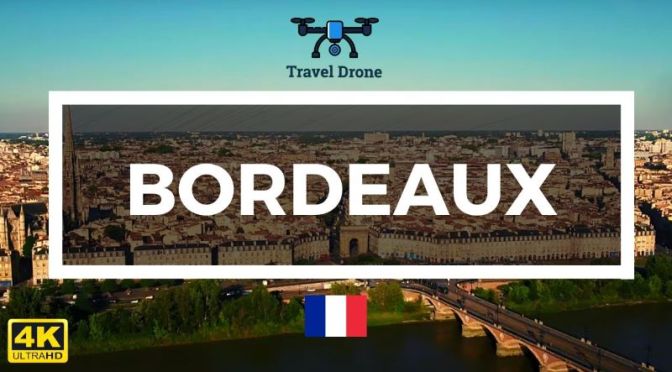
Let yourself be captivated by its charm and elegance as you stroll along the quaysides on the left bank of the Garonne, which reflect the Bordeaux lifestyle, with their gardens, boutiques, leisure spaces, and pedestrian or bicycle promenades. From there, immerse yourself in the historic centre of Bordeaux, the picturesque Saint Pierre district. Go down one of the narrow streets, explore the shops and stop off at a cafe terrace to drink in the authentic feel of this neighborhood. Take time to visit the Grand Théâtre which, with its three centuries of history, is a must-visit. You’ll be amazed by the impressive buildings.
Bordeaux, hub of the famed wine-growing region, is a port city on the Garonne River in southwestern France. It’s known for its Gothic Cathédrale Saint-André, 18th- to 19th-century mansions and notable art museums such as the Musée des Beaux-Arts de Bordeaux. Public gardens line the curving river quays. The grand Place de la Bourse, centered on the Three Graces fountain, overlooks the Miroir d’Eau reflecting pool.
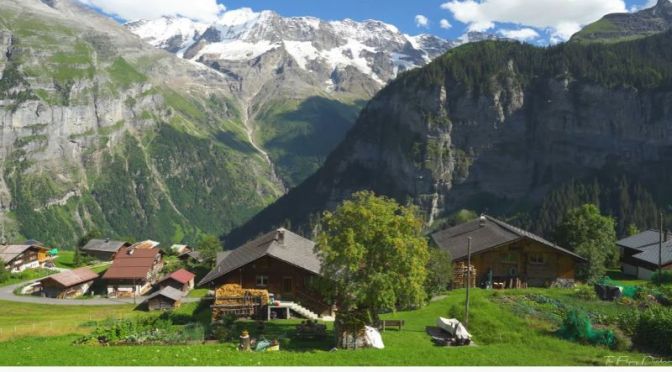
A walking scenic fairy tail in 4K Gimmelwald is a very originally preserved mountain farming village with around 100 inhabitants. Here we live in close contact with nature and our animals. The village is characterised by flower-decorated chalets in front of the four-thousand-metre high mountain massif of the Jungfrau. The sound of cowbells is usually the only thing that changes the peaceful atmosphere. If you are looking for a truly idyllic holiday resort, you have come to the right place.
Gimmelwald is a small traffic free village in the Bernese Oberland in the Canton of Bern, Switzerland, and is located between Stechelberg and Mürren, at an elevation of 1363 meters. The village is at the foot of the UNESCO World Heritage site, the Jungfrau-Aletsch Protected Area.
Belgian chocolatier Pierre Marcolini has been crowned the world’s best pastry chef by a jury of independent reporters, enhancing Belgium’s reputation as a producer of top class chocolate.
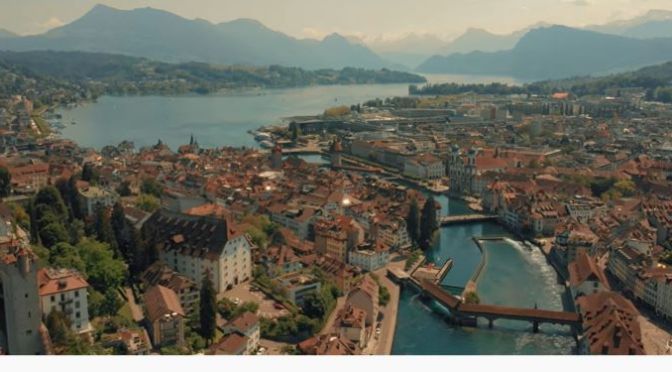
Short travel film of Switzerland 2020. Loactions: Interlaken, Lauterbrunnen, Rhine Falls, Wengen, Oeschinensee, Lucern, Seealpsee, Schäfler, Aarwangen, Oberstockensee, Aarburg, Thunersee, Spiez, Augsmatthorn, Grosser Mythen Nature Park, Thal Diechterhorn.
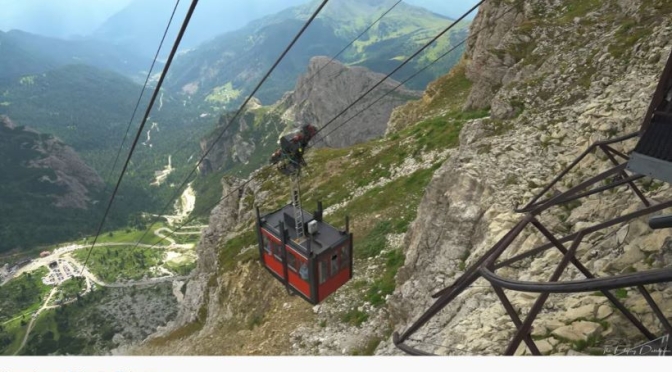
Breathtaking Epic views of surrounding Dolomite peaks. At the Falzarego Pass, a gondola rises to Mt. Lagazuoi. From the top you can enjoy a breathtaking view of the pass and the surrounding Dolomite peaks. Since 1965, this cable car has connected the Falzarego pass (2,117 m) with the Lagazuoi Refuge at an altitude of 2,746 metres. This lift facility kicked off the development of a popular tourist attraction area. Over the years, Mount Lagazuoi has become a popular skiing and hiking area of Cortina d’Ampezzo. The area has been made progressively attractive to tourist by the completion of the Open-air Museum of the First World War and, in 2018, of the exhibition pole Lagazuoi Expo Dolomiti.
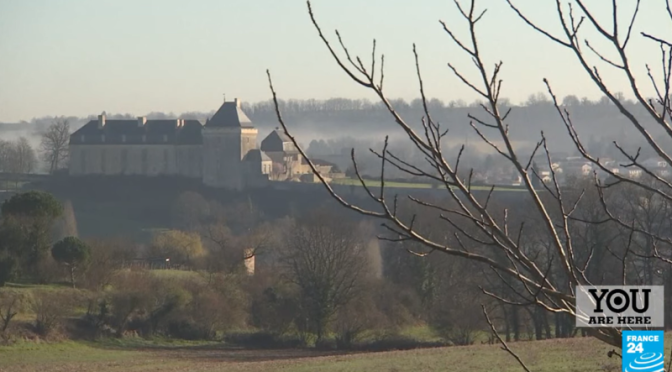
Roumazières-Loubert is known as the “city of clay”. This small town in France’s western Charente region has been turning the precious raw material into tiles for more than a century. For 40 years, Bernadette has been passionate about working with clay and says the local factory has become her second home. A little further south, the town of Chalais boasts opulent villas along the railway line: a unique architectural heritage. Jean-Louis shows us the impressive medieval castle, while Joël takes us to discover the world of traditional cattle farming, with calves fed under their mothers.
Filmed and Directed by: Matthias Haller
Forest Light – a timelapse journey, one year through the Black Forest. Wide landscapes, refreshing waterfalls and magical forest light. Last year I was able to spend many hours in the Black Forest to capture the most beautiful moods of the four seasons. Around 80,000 individual pictures were taken during this time.
The Black Forest is a mountainous region in southwest Germany, bordering France. Known for its dense, evergreen forests and picturesque villages, it is often associated with the Brothers Grimm fairy tales. It’s renowned for its spas and the cuckoo clocks produced in the region since the 1700s. The region’s largest town, Freiburg, is filled with Gothic buildings and surrounded by vineyards.
When Tas Careaga first saw his 16th-century church it was advertised for sale as a “land plot with build-in ruins”. Abandoned for decades – the town has 6 other churches for a population of 2000 – it was being sold by the local bishopric for very little, but the new owner was required to rebuild it.
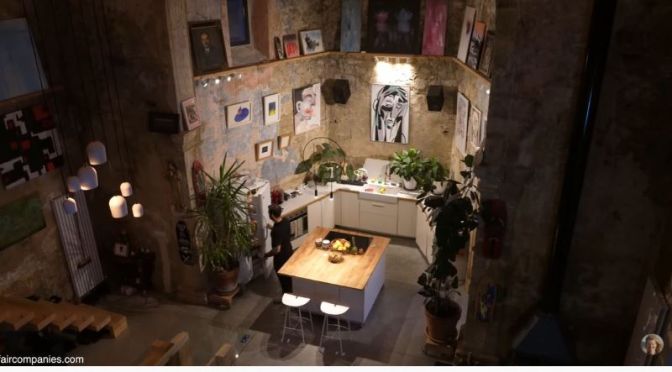
Careaga and friends spent 3 months just clearing the structure of debris before starting work to turn the relic into a home. With help from his architect friend Carlos Garmendia, Careaga preserved the open-feeling of the space by adding only one wall (for a bathroom on the 2nd floor). The cupola now houses a very high-ceilinged kitchen with art gallery walls. Most of the church celebrates the 10-meter (30-foot) ceilings created 5 centuries ago. In about a quarter of the space,
Careaga built a wooden frame to house two open-air floors for a 2nd-floor bedroom and 3rd-floor office. Instead of walls or banisters, the first floor relies on just three thin metal cables for the protection of occupants. The home is deeply personal, filled with furniture from Careaga’s family, religious art from his grandmother, and idiosyncrasies like a slackline to cross the thirty-foot-drop between the office and a secret bedroom above the cupola.
Careaga spent 3 years converting the church to his home with mostly his own labor and help from friends. He continues to add new touches, like converting the bell tower into a reading nook and bunk room for guests.
Carlos Garmendia (architect): https://www.garmendiacordero.com/ Tas Careaga’s projects: http://tascareaga.com/ Tas’ Instagram: https://www.instagram.com/tascareaga/ On *faircompanies: https://faircompanies.com/videos/anci…


 Boomers Daily