
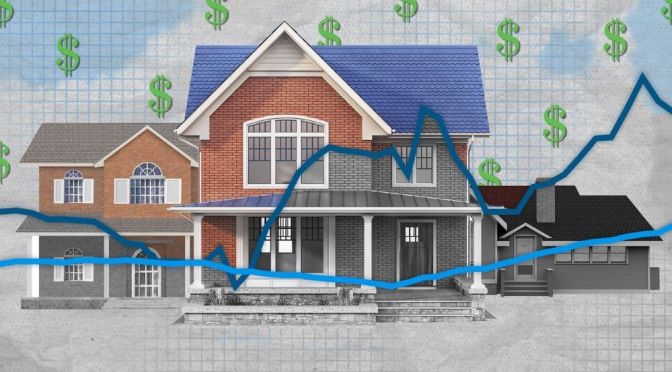
Changes in the housing market are often delayed in inflation data, which can make things difficult for the Fed. Housing is one of the most weighted categories when tracking inflation, but it’s also one of the most complicated to measure. WSJ’s David Harrison explains how the shelter index is calculated, and why it can muddy the inflation outlook for the Fed. Illustration: Laura Kammermann
Tag Archives: Economics

Cover Preview: Harvard Magazine – Nov/Dec 2022

Justice Elena Kagan, in Dissent
Ebbing trust in the Supreme Court, and what to do about it
The Off-Kilter Economy
Reckoning with inflation and its remedies
Energy-Saving, Low-Cost Air Conditioning
Two new technologies could provide an eco-friendly cooling solution.

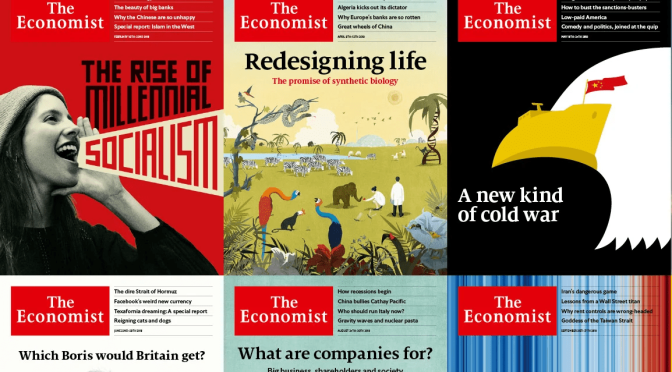
Preview: The Economist Magazine – Oct 15, 2022
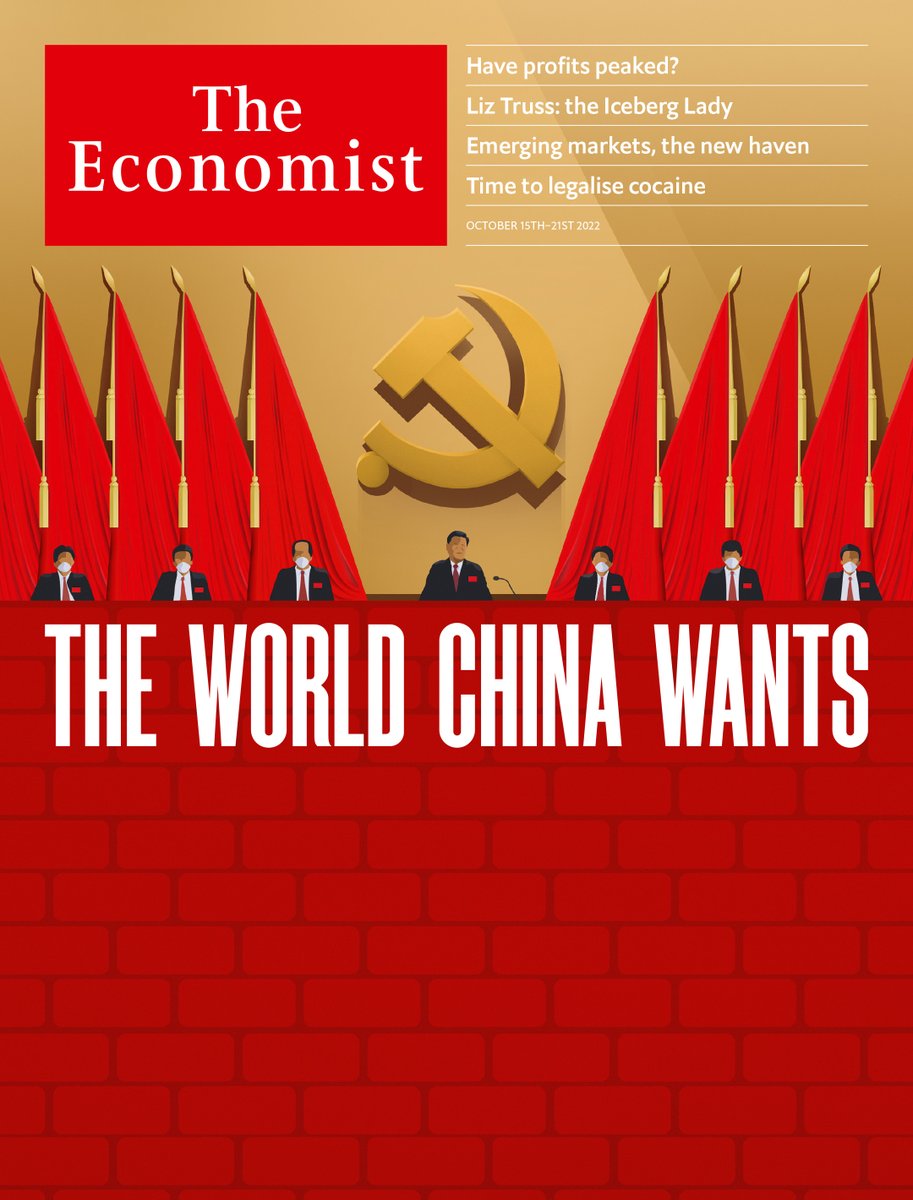
The Communist Party’s obsession with control will make China weaker but more dangerous
Its five-yearly congress will further tighten one man’s grip
It will be an orderly affair. From October 16th the grandees of China’s Communist Party will gather in the Great Hall of the People in Beijing for their five-yearly congress. Not a teacup will be out of place; not a whisper of protest will be audible. The Communist Party has always been obsessed with control. But under President Xi Jinping that obsession has deepened. After three decades of opening and reform under previous leaders, China has in many ways become more closed and autocratic under Mr Xi. Surveillance has broadened. Censorship has stiffened. Party cells flex their muscles in private firms. Preserving the party’s grip on power trumps any other consideration.

World Economic Forum: Top Stories (Oct 7, 2022)
Preview: The Economist Magazine – Oct 8, 2022
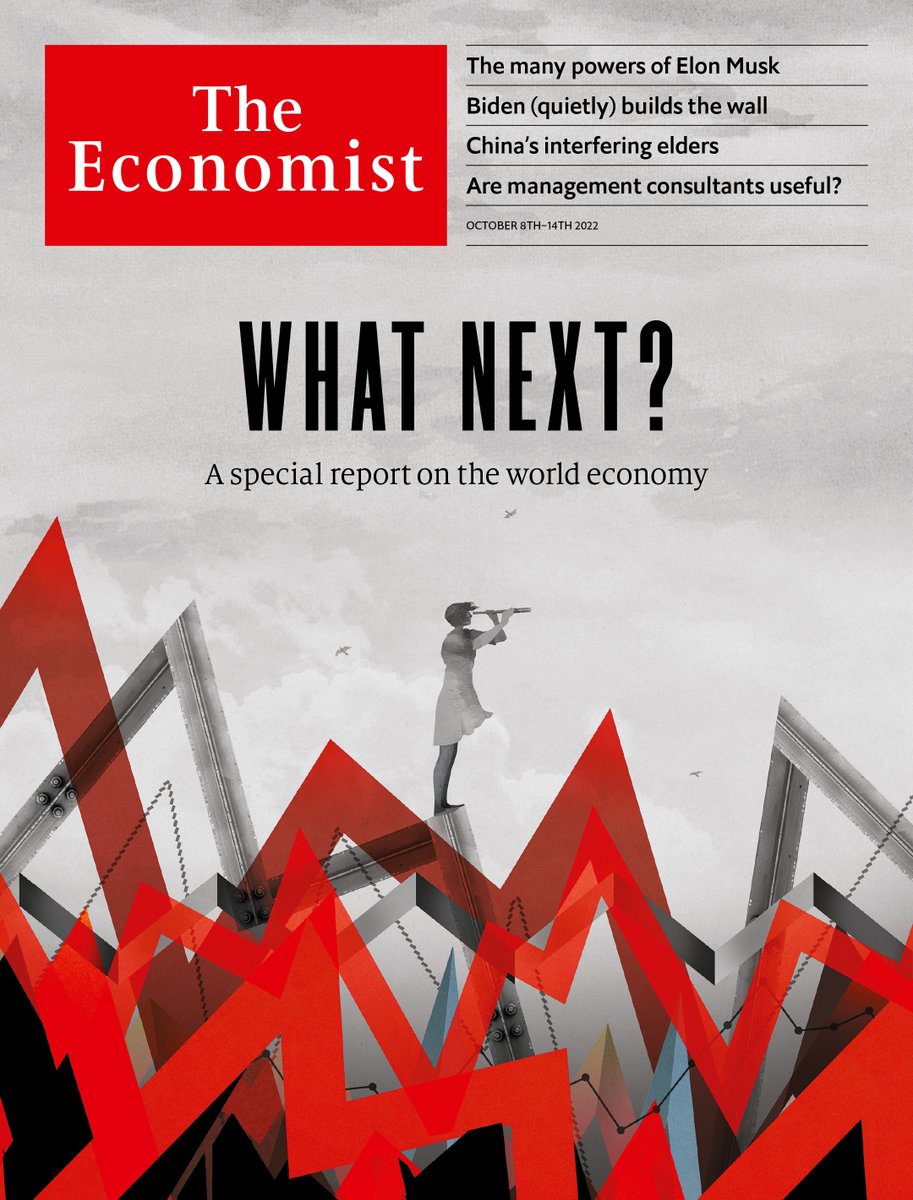
A new macroeconomic era is emerging. What will it look like?
A great rebalancing between governments and central banks is under way.
For months there has been turmoil in financial markets and growing evidence of stress in the world economy. You might think that these are just the normal signs of a bear market and a coming recession. But, as our special report this week lays out, they also mark the painful emergence of a new regime in the world economy—a shift that may be as consequential as the rise of Keynesianism after the second world war, and the pivot to free markets and globalisation in the 1990s.
Previews: The Economist Magazine – October 1, 2022
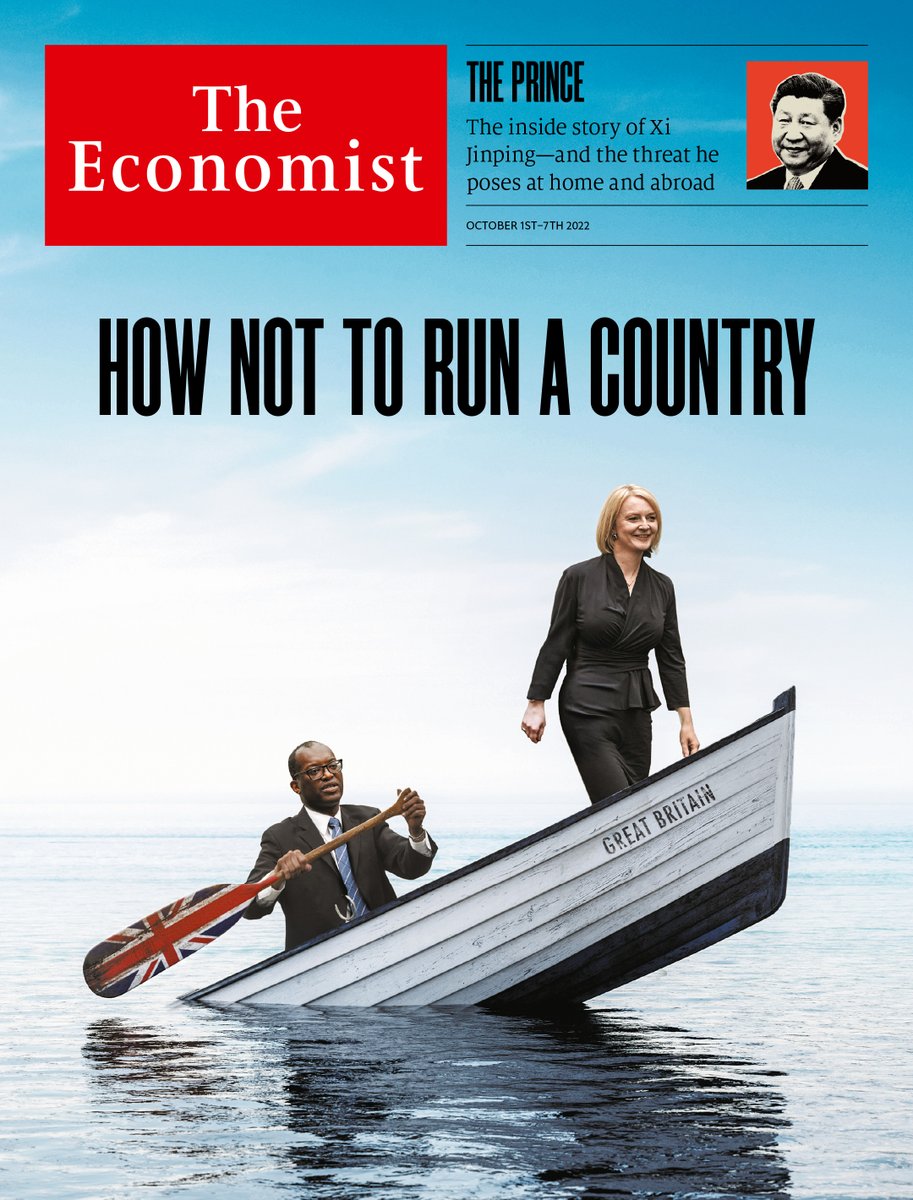
How not to run a country
Liz Truss’s new government may already be dead in the water
Hurricane Ian pummels Florida
The Sunshine State has seen 40% of America’s hurricanes and a huge population boom

World Economic Forum: ‘Top Stories Of The Week’
Top stories of the week of September 23, 2022 from the World Economic Forum:
Video timeline: 0:15 Could These Solar Panel Windows Be The Future Of Green Energy? – If deployed on a large scale, Ubiquitous Energy says the windows could transform solar capacity worldwide. 01:33 What Would A Post-Economic Growth World Look Like? – ‘What is the type of growth that the world needs? And what is the type of de-growth we need?’ asks Tariq Al-Olaimy, Social Entrepreneur and Global Shapers Alumni. 04:41 Clean energy jobs boom – Green energy jobs in wind and solar are more available than fossil fuel jobs for the first time 05:57 Is your smartphone making you less smart? – Not according to scientists
Previews: The Economist Magazine – Sept 24, 2022
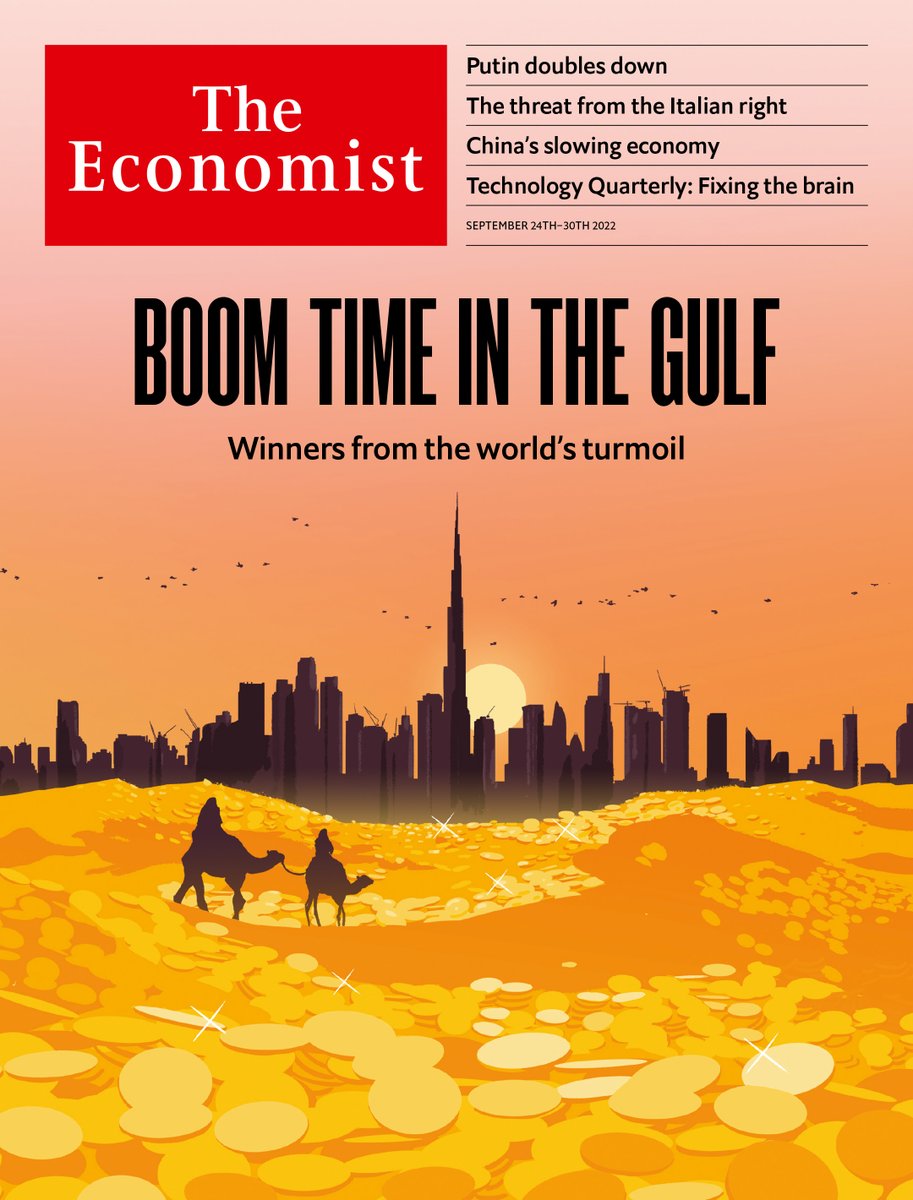
An energy crisis and geopolitics are creating a new-look Gulf
It will be richer, more powerful—and more volatile
Vladimir Putin vows to send more invaders. The West should arm Ukraine faster
It has a window of opportunity to push Russian forces back
Previews: The Economist Magazine – Sept 17, 2022
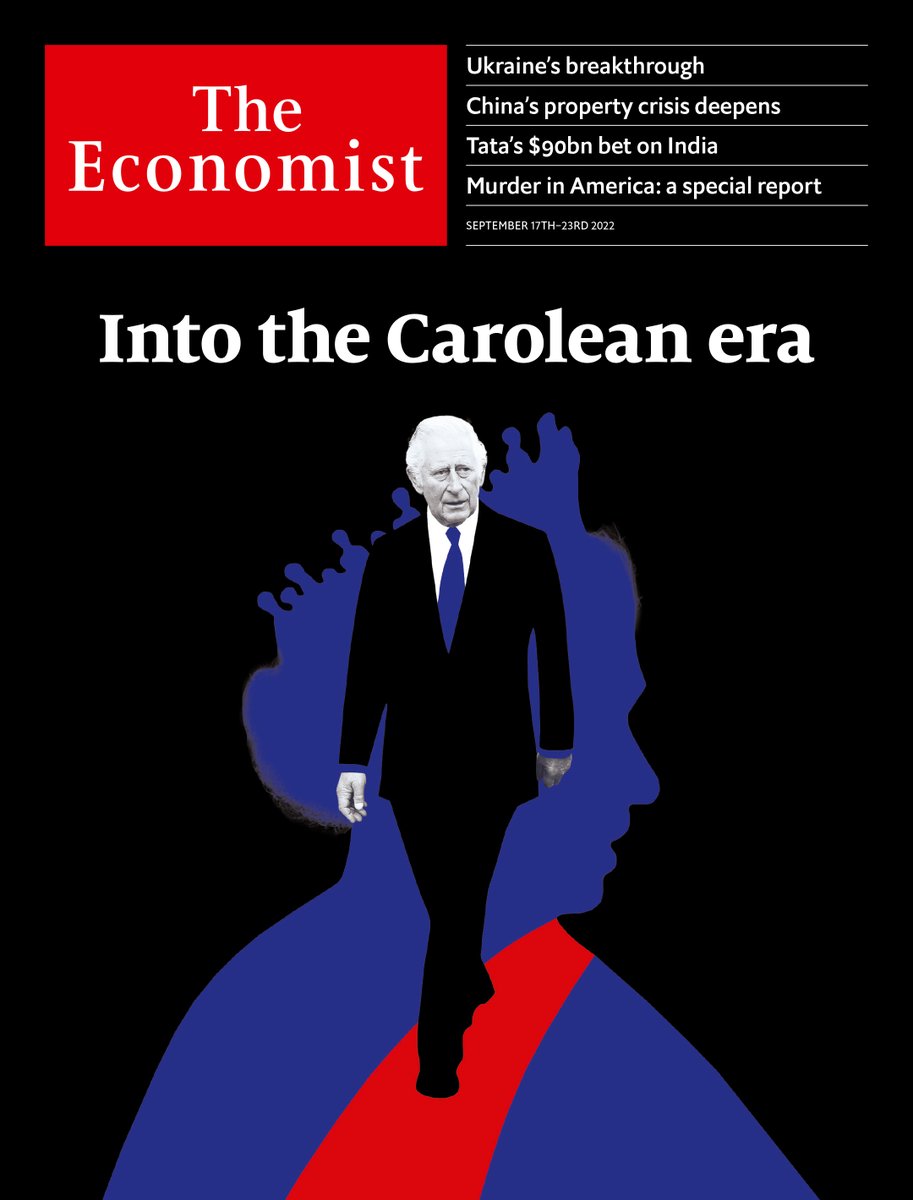
Why the monarchy matters
The monarchy is an anachronism, yet it thrived under Elizabeth II. That holds lessons for her successor and for democracies elsewhere

World Economic Forum: Top Stories Of The Week
The World Economic Forum ‘Stories of the Week include:
0:18 Pakistan’s Flooding – Due to flash floods triggered by a ‘monster monsoon’, more than 1,100 people have died in Pakistan 01:30 First smartphone made in the Ivory Coast – The Open G smartphone went on sale in July 2022 in the Ivory Coast and has sold several thousand units 02:41 Brazil is building the world’s biggest urban garden – The garden is a collaboration between the City of Rio de Janeiro and the favelas – or informal settlements – that surround it 04:09 Drinking Black Tea could help you live longer – People who drink 2 or more cups of black tea a day are 9-13% less likely to die from any cause, according to a study by the US National Institutes of Health.
 Boomers Daily