
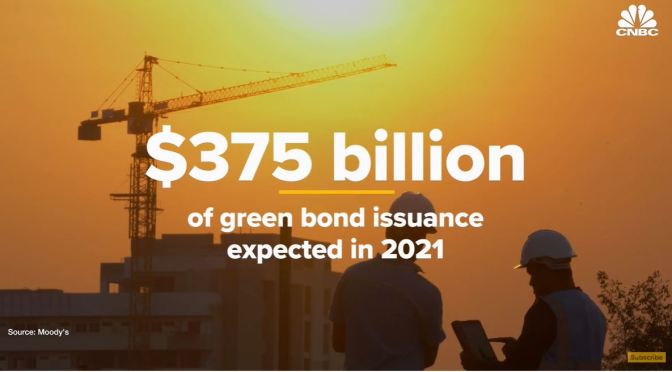
So-called green bonds have become more popular in recent years, and this fast-growing segment of the $128.3 trillion global bond market could grow even more. When an issuer sells a green bond, they’re making a nonbinding commitment to earmark the sale’s proceeds for environmentally friendly projects. That could include renewable energy projects, constructing energy efficient buildings or making investments in clean water or transportation. Green bonds fall under the wider umbrella of sustainable bonds, which include fixed-income instruments whose proceeds are set aside for social or sustainability projects. Big household names such as Apple and PepsiCo are diving into this space. A handful of massive banks and governments around the world are also issuing sustainable bonds, including China, Russia and the European Union. This may be contributing to the space’s rapid growth. A report from Moody’s said new sustainable bond issuance may top $650 billion in 2021. That would represent a 32% jump from 2020.
Tag Archives: Climate Change

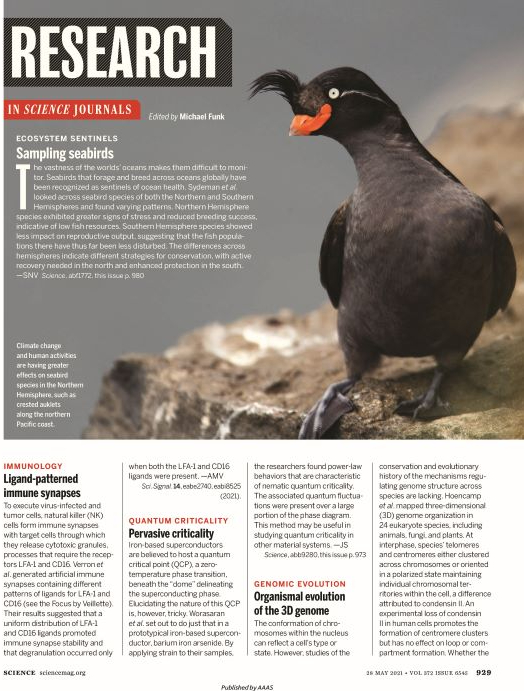
TOP JOURNALS: RESEARCH HIGHLIGHTS FROM SCIENCE MAGAZINE (MAY 28, 2021)

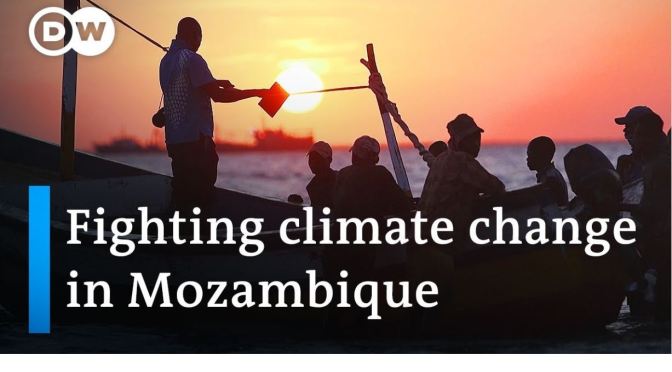
Climate: Mozambique Builds Green Areas To Curb Cyclone Flooding
In 2019, Cyclone Idai devastated Mozambique’s port city of Beira. Many died and entire neighborhoods were flooded. The city is now setting up large green areas designed to absorb future floodwaters. But entire fishing communities need to relocate.
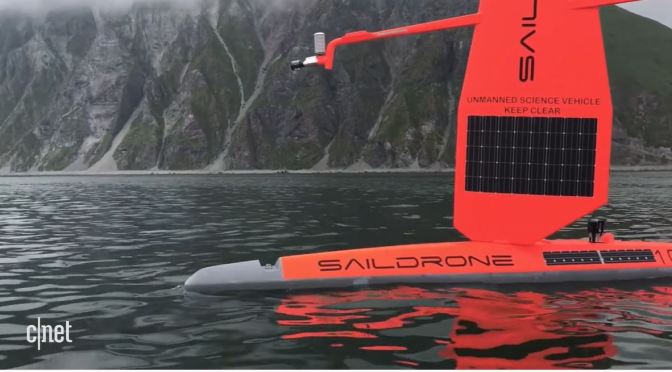
Climate Change: A Fleet Of Saildrones Patrol Oceans
A fleet of unmanned surface vehicles equipped with AI and a suite of scientific sensors are currently mapping the ocean floor, counting fish populations and monitoring ocean and weather conditions all over the planet in the fight against climate change. CNET’s Stephen Beacham spoke with Saildrone Inc. Vice President of Ocean Mapping Brian Connon to learn more about Saildrone’s mission. Read the CNET Article: Autonomous Saildrones are the newest weapon in fighting climate change https://cnet.co/2RwaJaq
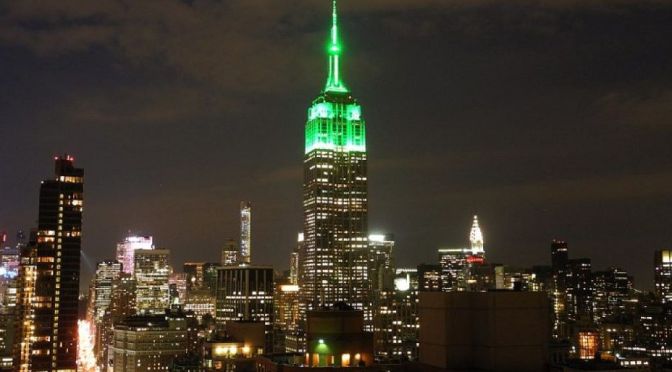
Climate: The Empire State Building’s Green Upgrade
Energy usage by large, old buildings like the Empire State Building represents a huge obstacle to cities’ dreams of carbon neutrality. New York City’s buildings account for 70% of its carbon emissions, for example, and half of those emissions are produced by the largest 5% of its structures. But retrofitting old buildings to make them more energy efficient represents a formidable challenge, both from an engineering perspective and in terms of convincing owners that doing so is in their financial interest.
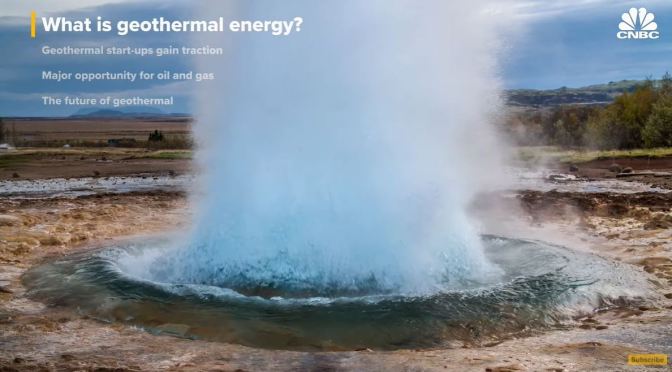
Analysis: The Future Of Geothermal Energy
Miles below the Earth’s surface, there’s enough thermal energy to power all of humanity for the foreseeable future. It’s called geothermal energy, and it’s poised to play an increasingly large role as a source of always available, renewable power. Now, there are a number of startups in the geothermal space, working to figure out how to access this heat in difficult to reach geographies, at a price point that makes sense. And it’s even gotten the attention of oil and gas industry giants, who are interested in greening their portfolios while sticking to their core competencies – extracting energy resources from deep within the Earth.

Morning News Podcast: ‘Permitless’ Gun Laws, Scottish Voters, Coffee
Today another state will enact a “permitless carry” law—no licence, checks or training required. We ask why states’ loosening of safeguards fails to reflect public sentiment.
Brexit has supercharged Scottish nationalism, and this week’s elections may pave the way to another independence referendum. And a long-forgotten coffee species may weather the climate-change era.
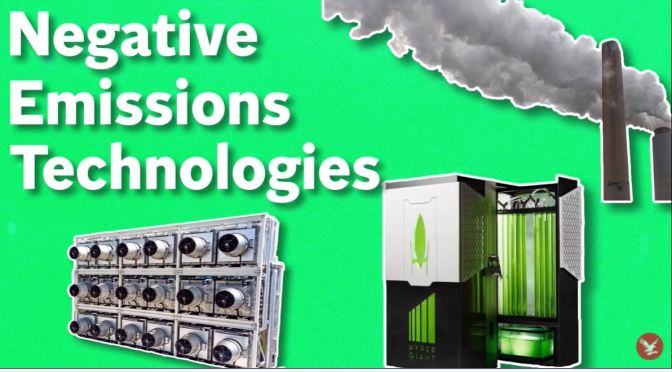
Analysis: 5 Technologies Fighting Climate Change
With global temperatures rising the threat of a climate crisis has never been closer. From carbon capture to driverless cars, these cutting-edge technologies have the promise to help us fight the impending climate crisis.
Morning News Podcast: U.S. Climate Summit, Online Meetings & Award Shows
President Joe Biden laid out ambitious emissions targets yesterday, but in order to be taken seriously on climate change, America has some reputation rebuilding to do.
Researchers are starting to understand why online meetings are so exhausting—and are pinpointing the up sides of work lives lived increasingly online. And the waning influence of awards shows such as this Sunday’s Oscars.

Climate Views: Rising High Water Levels In Kenya’s Great Rift Valley (Video)
In Kenya’s Rift Valley, climate change has brought an unprecedented increase in annual rainfall over the past several years, drowning pastureland, farms, homes, schools, churches, clinics and businesses.
The Great Rift Valley is part of an intra-continental ridge system that runs through Kenya from north to south. It is part of the Gregory Rift, the eastern branch of the East African Rift, which starts in Tanzania to the south and continues northward into Ethiopia.[1] It was formed on the “Kenyan Dome” a geographical upwelling created by the interactions of three major tectonics: the Arabian, Nubian, and Somalian plates.[2] In the past, it was seen as part of a “Great Rift Valley” that ran from Madagascar to Syria. Most of the valley falls within the former Rift Valley Province.
 Boomers Daily