
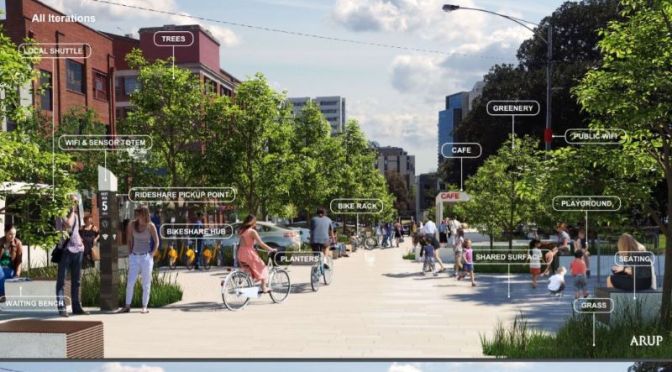
…Sweden is pursuing a hyperlocal variation, on a national scale. A plan piloted by Swedish national innovation body Vinnova and design think tank ArkDes focuses attention on what Dan Hill, Vinnova’s director of strategic design, calls the “one-minute city.”


A vision for a decentralized urban area that allows residents to meet their daily needs within a quarter-hour walk or bike from their homes, the concept has been pursued as a means of cutting greenhouse emissions and boosting livability in a host of global cities — especially Paris, where Mayor Anne Hidalgo has embraced the model as a blueprint for the French capital’s post-Covid recovery.
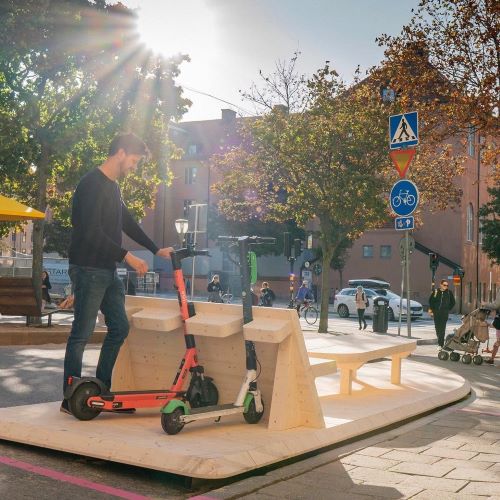
Called Street Moves, the initiative allows local communities to become co-architects of their own streets’ layouts. Via workshops and consultations, residents can control how much street space is used for parking, or for other public uses. It’s already rolled out experimentally at four sites in Stockholm, with three more cities about to join up. The ultimate goal is hugely ambitious: a rethink and makeover of every street in the country over this decade, so that “every street in Sweden is healthy, sustainable and vibrant by 2030,” according to Street Moves’ own materials.



 What might that mean for the bathrooms of the post-coronavirus world? Americans have already demonstrated a keen fixation with this household feature: In the last 50 years, the number of home bathrooms per person has doubled. One could easily see the lavatory-building boom accelerate further as future homeowners keep the needs of the self-quarantined in mind. And many have speculated that sales of bidet attachments will surge as toilet-paper shortages encourage Americans to embrace this more sustainable alternative.
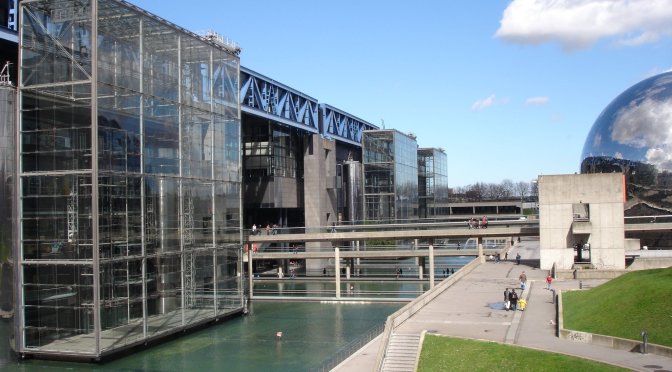
 The science center is an adolescent among museum types, one whose main growth spurt was in recent memory. Over the past 40 years, they went from a sparse to a ubiquitous presence, now found in almost every major city. Their emergence stretched the ontological essence of the museum: They present not objects, but concepts. Many science centers define themselves explicitly this way and possess slim to no permanent collections.
 Boomers Daily