
From an Apollo Magazine article:
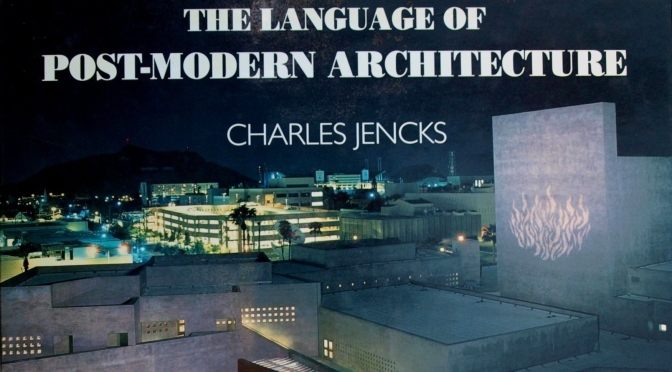
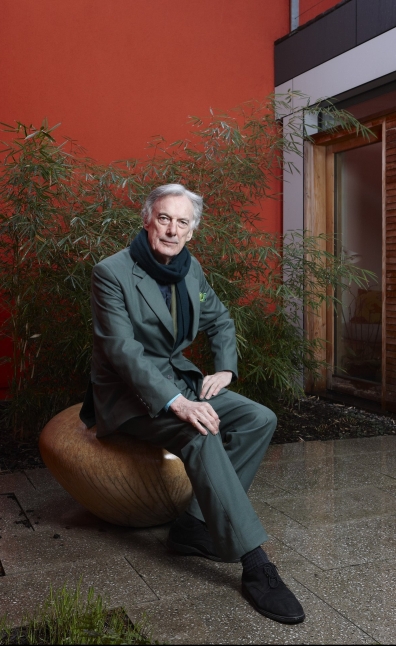 Jencks’s book grew out of his PhD thesis, supervised by Reyner Banham at the University of London in the late 1960s, and paved the way for his later, more explicitly polemical The Language of Post-Modern Architecture (1977). In this bestselling book, Jencks set out his stall for a pluralist architecture that rejected what he saw as modernism’s reductive ‘univalent’ approach, swapping it for a symbolically rich and historically engaged ‘multivalent’ postmodernism. For good or bad it became the defining book of its era, an unabashed rejection of mainstream modernism that ushered in a new architectural style.
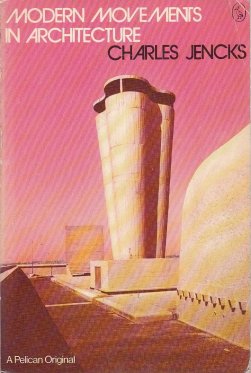 Modern Movements in Architecture (1973) by Charles Jencks was one of the first books on architecture I read, a birthday present given to me the summer before I started my degree. In some ways, it spoiled things: I thought all architecture books would be that much fun. Modern Movements in Architecture is a complex and sophisticated history, but it wears its learning lightly. It relates architecture to a wider cultural discourse and it is unafraid to be critical, even of some architects, such as Mies van der Rohe, who were previously considered to be above criticism.
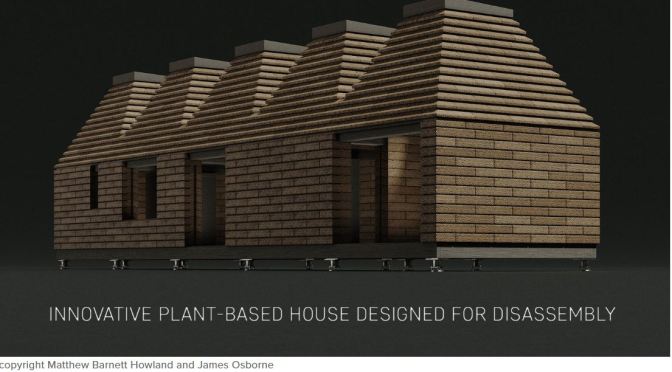
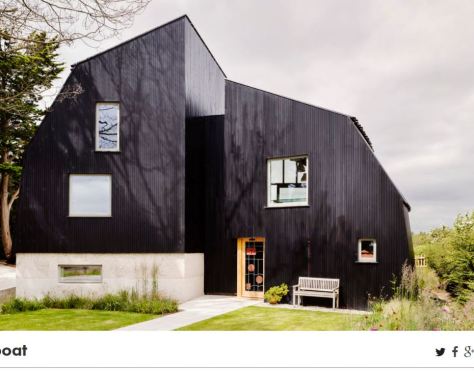
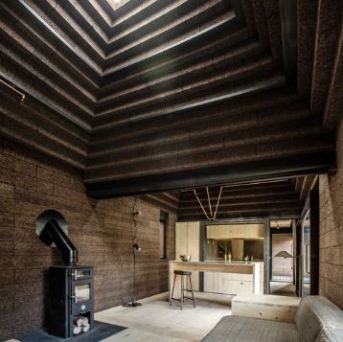 Cork House embodies a strong whole life approach to sustainability, from resource through to end-of-life. Expanded cork is a pure bio-material made with waste from cork forestry. The bark of the cork oak is harvested by hand every nine years without harming the tree or disturbing the forest.
 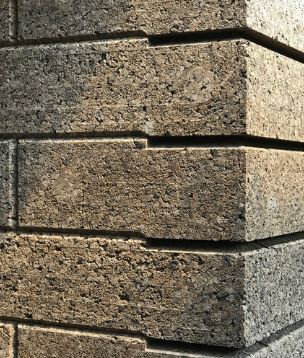 This gentle agro-industry sustains the Mediterranean cork oak landscapes, providing a rich biodiverse habitat that is widely recognised. This compelling ecological origin of expanded cork is mirrored at the opposite end of the building’s lifecycle. The construction system is dry-jointed, so that all 1,268 blocks of cork can be reclaimed at end-of-building-life for re-use, recycling, or returning to the biosphere.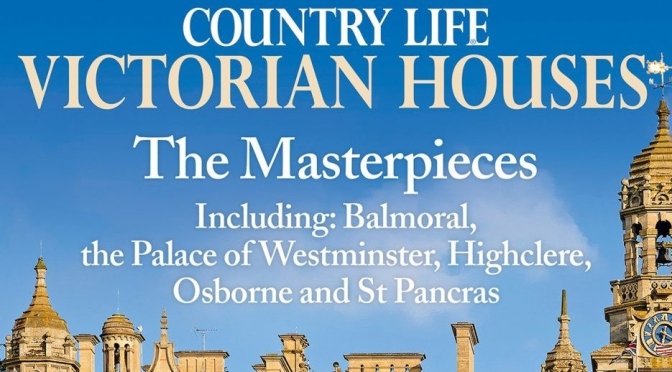
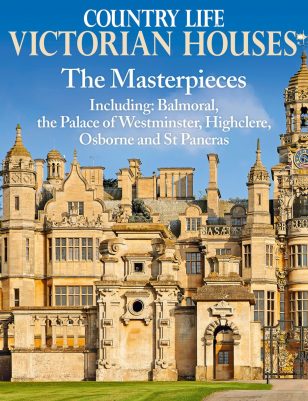 First published in 1897, Country Life is itself a late-Victorian institution. What could be more appropriate, therefore, than to celebrate this anniversary with a collector’s issue of articles and photographs from the magazine’s archives?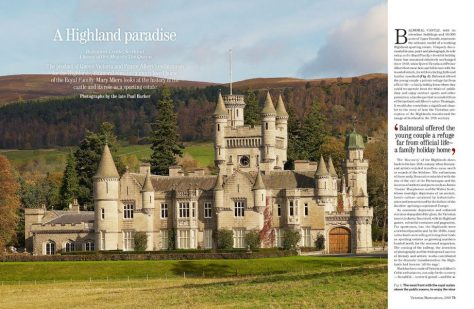

 Stilt Studios are small homes on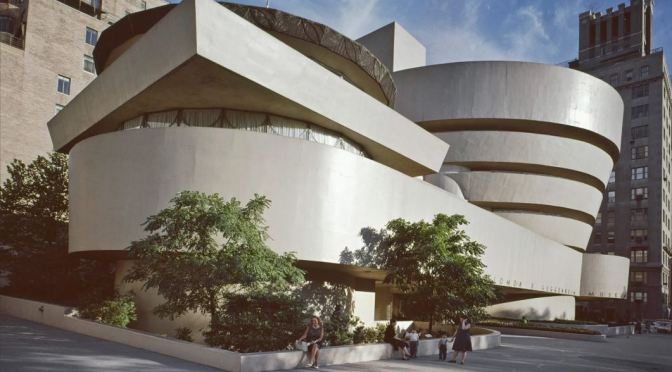
 This year marks the 60th anniversary of Frank Lloyd Wright’s building for the Solomon R. Guggenheim Museum. Since opening its doors on October 21, 1959, the architectural icon has inspired countless visitors and is widely seen as Wright’s masterpiece.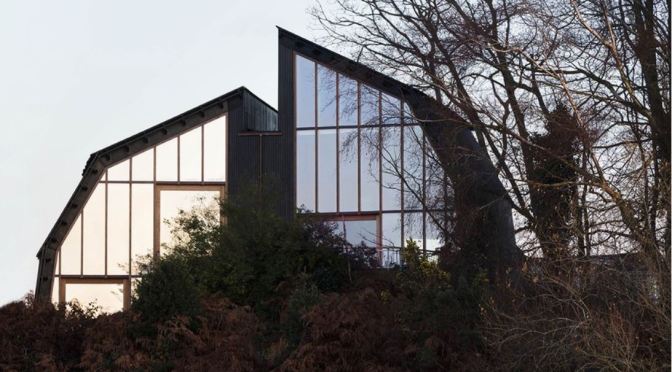

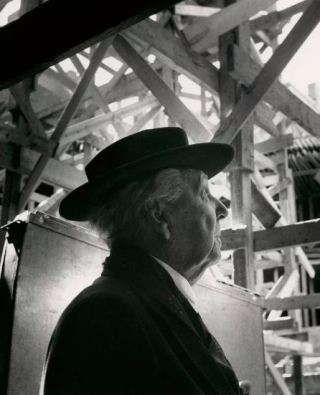
 Whereas most Wright biographies build from one structure to the next, this one caroms from one digression to the next. Mr. Hendrickson spins miniature biographies of the people who commissioned Wright to build their homes and office buildings. An array of midcentury figures appears: e.g., Glenway Wescott, the novelist and poet who rubbed shoulders with Gertrude Stein in Paris and whose sister commissioned one of Wright’s homes; and Clarence Darrow, the renowned lawyer, who waded into the murk of Wright’s personal life when a disgruntled housekeeper attempted to use the Mann Act to have Wright arrested. We also meet the little-known residents of various structures. Seth Peterson, for instance, dreamed of living in a Wright home so powerfully that he camped out in the one he commissioned as it was being built.
 TRAVEL DRAWINGS
 This approach stems from my own formal education and the unique 10-year period in contemporary history in which I studied architecture. Occupying both “paper” and virtual / digital environments, I learned the fundamentals at Tulane University using purely traditional architectural methods of representation. By the time I earned my Masters from Columbia University, the pedagogy had radically changed, wherein the old, analog systems of production were abandoned for a purely paperless studio that solely engaged digital technologies such as Maya, Max and Photoshop. Working within both territories, I learned that each medium has a profound effect on the way in which we draw, design and understand architectural space and form.
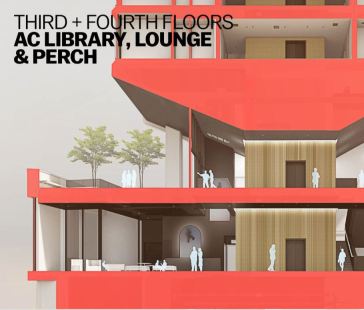 This Volumetric High-Rise Modular Hotel will be the world’s tallest modular hotel and one of the most stylish, combining modular efficiency with architectural flair. AC by Marriott at 842 6th Avenue, New York City, will be the tallest modular hotel in the world when it opens in early 2020. But it won’t just be a step up for modular design, it will be a step forward. The building leverages the advantages of modular construction, uses cutting-edge proprietary technology to address potential drawbacks, and, most importantly, put to rest the idea that a modular building can only be the sum of its factory-made parts.
 The
The  Boomers Daily