Tag Archives: Architecture

Design: Northside House In Clifton Hill, Australia

The Local Project – Through warm and inviting additions, Northside House becomes a dream house for the clients of Wellard Architects. In partnership with Artedomus, Wellard Architects have carefully considered the owners’ personalities with the selection of colours, tones and materials.

Video timeline: 00:00 – Introduction to Dream House 00:39 – An Alterations and Additions Project 00:51 – The History Behind Northside House 01:10 – Layout of the Dream House 02:01 – The Overarching Theme of Compression and Release 02:50 – Joining Forces with Artedomus 03:17 – The Main Materials Utilised Throughout The Home 05:02 – Artedomus’ Involvement 05:37 – The Architect’s and Artedomus’ Favourite Aspects 06:13 – Proud Moments from the Architect’s

Located on a corner site of Clifton Hill, Northside House is an existing heritage home that once housed an Italian plasterer and showrooms. However, with carefully considered alterations and additions, the dream house becomes a space for private family dwelling that also opens to the surrounding community. From the front of the Federation-era home, the house tour leads guests past the principal bedrooms and bathrooms of the original home.

Wellard Architect’s alterations and additions become evident with the double-height hallway that marks the transition between the old and new. Located upstairs is a lounge and study, which offer a warm and light-filled retreat where one can find some privacy in a busy household. On the ground floor, the living and dining spaces have been subtly zoned so no space feels too cavernous. From the blonde timber walls and ceiling to the terrazzo flooring, the dream house encompasses a natural form of living.

Desiring a cosy interior, the clients and Wellard Architects worked closely in the selection of decor, furniture, finishes and fixtures for the interior space. During these project development stages, Artedomus was approached for its robust materials that would fit the brief of a busy family’s dream house. In the ensuite bathroom, porcelain tiles from Portugal infuse warm tones, while the vanity and basins use Travertine Zena and INAX tiles to establish calmness throughout.

Additionally, the main bathroom uses Verde Bardini granite and Fiandre Maximum porcelain tiles which meld with the selected Agape Vieques steel bath that sits sculpturally in the centre of the bathroom. Flowing throughout the rest of the dream house, Artedomus products can also be appreciated in the generously-sized kitchen, where Nerofino Brushed Quartz has been employed for the splashback.

Alongside the creation of a cosy atmosphere, the kitchen further instils the clients desire to have a home that can be used for entertaining – with space for intimate family cooking or a gathering of friends and neighbours. Opening up to the back garden courtyard, the orange-bricked façade of the garage seamlessly balances the terracotta shingles of the dream home and merges the heritage home with the modern additions.
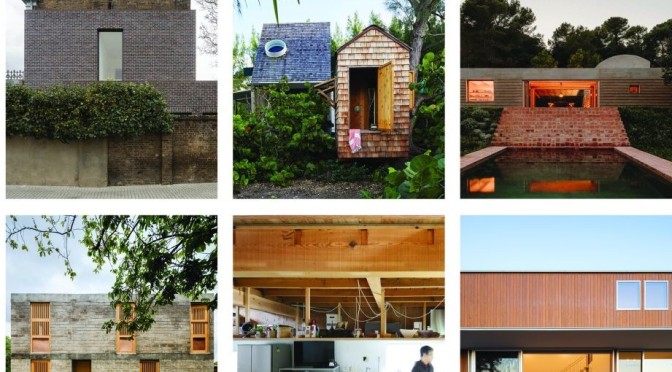
Architecture & Design: The 2022 House Awards

House 101 in Vietnam by Atelier tho.A

House 101 by Atelier tho.A. Photograph: Anh Chuong

The Architectural ReviewThe 15 shortlisted projects include houses from all over the world, from the UK, Ireland and Spain, to Mexico, Vietnam, New Zealand and The Bahamas.

Casa Ter by Mesura

Casa Ter by Mesura. Photograph: Salva-López

The private house occupies a unique position in both the history of architecture and human imagination. Beyond its core function of shelter, it is an object of fantasy, a source of delight, a talisman and a testing ground. 

Bass Coast Farmhouse by John Wardle Architects

Bass Coast Farmhouse by John Wardle Architects. Photograph: Trevor Mein

Blockmakers Arms by Erbar Mattes

Blockmakers Arms by Erbar Mattes. Photograph: Ståle Eriksen

Brillhut by Brillhart

Brillhut by Brillhart Architecture. Photograph: Bill Abranowicz

Casa Eva by Fernanda Canales Arquitectura

Casa Eva by Fernanda Canales Arquitectura. Photograph: Rafael Gamo

Read more

Art /Architecture: Domus Magazine – November 2022

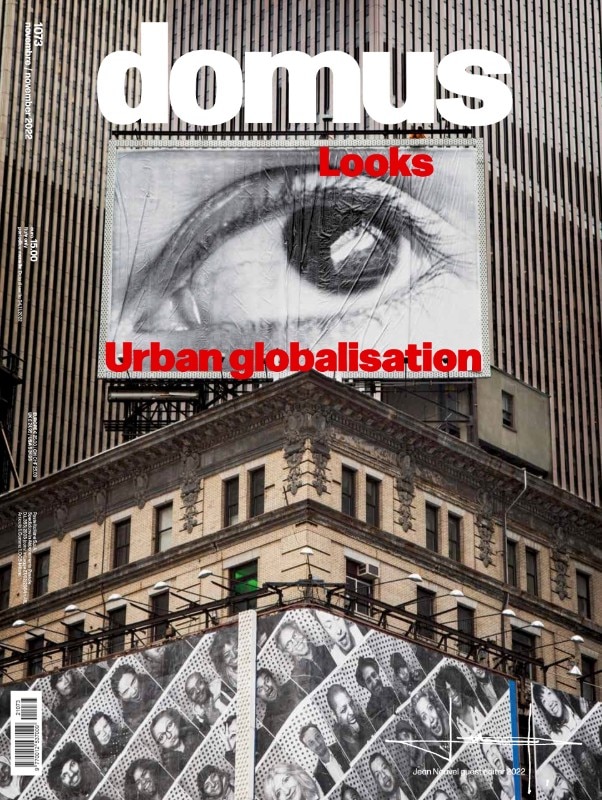
The November issue of Domus, the latest edited by Guest Editor Jean Nouvel, focuses on urban globalization and its relationship with architecture. In his concluding Editorial, the French Pritzker Prize winner tackles the issue by writing about the right to live well that is being challenged by a world that is cloning itself.

“Living well is fundamental to everyone’s life. It is the starting point: without a happy living space, nothing can prosper. Urban globalization is the result of selfishness with no awareness of the immediate future, of a general absence of empathy”. This is followed, again edited by Jean Nouvel, by a selection of fragments from the book Dériville by Bruce Bégout, an essay on the thought of Guy Debord and the imaginative work of the Situationists.

This is followed in the Essays by Tom Avermaete, Professor of the History and Theory of Urban Design at ETH Zurich, and Michelangelo Sabatino, Professor at the College of Architecture of the Illinois Institute of Technology in Chicago, tracing a history of the global in relation to architecture and the city. 

Architecture Tour: Grove House In Sydney, Australia

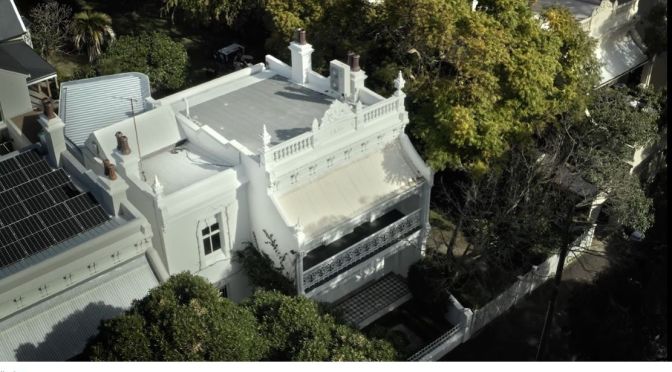
The Local Project = Located in Sydney’s east, Grove House is a garden home that possesses a sense of community through its connection to the shared grove between the surrounding heritage houses. Supplying architecture and interior design, Clayton Orszaczky delivers a family home that wraps around its occupants like a cocoon.

Video timeline: 00:00 – Introduction to the Inner-City Garden Home 00:27 – The Architects 00:47 – Preservation of the Heritage Aspects of the Home 01:02 – A Walkthrough of Grove House 01:44 – The Clients 02:09 – Connecting to the Garden 02:27 – The Grove, A Community Garden 02:54 – The Landscape Designers 03:06 – A Contrast Between Old and New 03:34 – The Use of Concrete 04:06 – The Key Relationship Between Form and Lighting 04:30 – The Architects Favourite Moments

As the house tour begins, the desire to keep the original fabric of the house – while sensitively connecting to the new additions – can be seen through each design choice of the garden home. Inside, a careful consideration of materials and space has been infused from the original formal rooms to the dining and family living room and into the extensions.

However, it is the original timber staircase greeting guests from the entrance that establishes a graceful connection between the original home and new additions. Directly responding to the clients’ desire to connect to the gardens and grove beyond, Clayton Orszaczky encourages the new additions of the garden home to directly respond with the original fabric. A core aspect of the home, the kitchen and dining space connects to the gardens through large glass doors and windows which directly draw in both northern and eastern light.

A further dialogue between the existing home and the new was addressed by specifically choosing to emphasise the contrast of eras through the use of off-form concrete, steel windows, timber veneer, black porcelain and modern furniture. Collaborating with Tanya Wood Landscape Architect on the ground level and roof garden design, Grove House establishes a renewed connection between home and garden. Looking at the garden home from the grove, it can be seen that the soft form of the exterior contributes to the grove and the shared community space.

Continuing the house tour from the back fence to the shared grove, an immediate connection with the landscape, surrounding greenery and neighbours can be experienced. Throughout the house tour, the transition between the existing and new areas of the garden home are seen through the proportional ratios. Specifically choosing to speak to this dialogue between old and new additions, Clayton Orszaczky has used concrete for mass – similarly to how masonry was used in the original home.

Additionally, continued references to the terrace house form is seen within the new additions and the renewed relationship between light and form further contributes to the connection within the home and to the garden and grove.

Views: 2022 Architectural Drawing Prize Winners

Meet the Winners of the 2022 Architecture Drawing Prize - Image 6 of 7
Digital Category Winner – ‘The Wall’ by Anton Markus Pasing

ArchDaily – Anton Markus Pasing who was the Overall Winner of The Architecture Drawing Prize in 2019 was selected as Digital Category winner this year. His drawing ‘The Wall’ plays on ideas around the beginning, the end and the finite.

Meet the Winners of the 2022 Architecture Drawing Prize - Image 5 of 7
Hand Drawn Shortlist – ‘Homage to Corb’ by Dustin Wheat

Meet the Winners of the 2022 Architecture Drawing Prize - Image 2 of 7
Hybrid Category Shortlist ‘The Stamper Battery’ by William du Toit, Victoria University of Wellington

Tours: Lower Shotover House In New Zealand

The Local Project – In crafting Lower Shotover House, the architect designs a hidden home that offers a dramatic interior landscape to complement the impressive external context, ensuring it was built for residing in place. Crafted by Bureaux, the home embraces a natural materiality as the means to connecting to the outdoors.

Video timeline: 00:00 – Introduction to the Hidden Home 00:26 – Bunkering Into the Side of the Hill 01:00 – The Materials Used 01:40 – The Importance of Creating A Robust Home 02:10 – The Soft Pools of Light Throughout the Home 02:30 – Creating a Warm and Dramatic Feel 02:58 – The Building Aspect 03:29 – The Views from the Upstairs Bunk Room 03:51 – The Green Roof 04:17 – A Dramatic Kitchen 04:29 – Finding Joy in the Movement Between the Tight Spaces 04:51 – Creating A Timeless Masterpiece

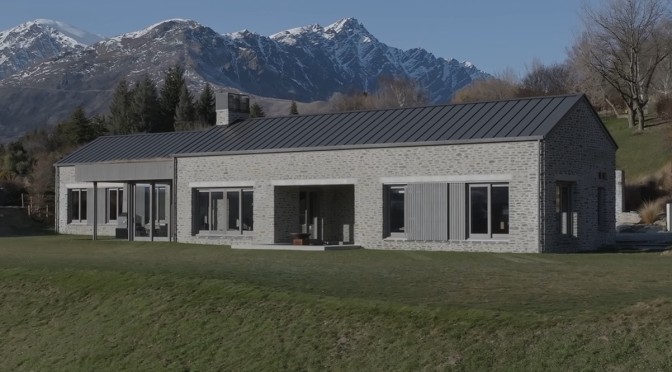
Based in Queenstown, Lower Shotover House faces north, overlooking the Shotover River and Coronet Peak. The architect designs a hidden home that takes inspiration from the old musterer’s huts settled on the mountainside. Capitalising on the protective quality of the hill, the structures look out upon the landscape with a feeling of safety. Importantly, the architect designs a hidden home that utilises a stone composition and a house tour reveals the resulting echo of the rugged surrounds, as well as the proposition of permanence.

In materiality, Lower Shotover House reflects a playful interpretation of the natural context. The architect designs a hidden home that sees stone, black travertine and charcoal timber interior linings combine to establish a cosy interior design. Crafted in recognition of the clients’ lifestyle, Bureaux enforces a robust material palette that can withstand the markings of an active family in a timeless fashion. A dramatic home, Lower Shotover House features rich timber walls, carefully framed windows and pools of soft lighting.

The architect designs a hidden home in which residents are led through the interior with ease; a project where nothing is over-lit and the architecture captures both the compression and expansion of space. Residents must ascend a step in order to enter the kitchen, suggesting an element of theatricality within the experience of the home. As the architect designs a hidden home, they consider the relevance of orientation to the outcome. Lower Shotover House faces north and, as such, measures are put into place to retain heat and maximise the impact of the sweeping views.

While stone walls and a green roof influence the thermal quality of the building, doors measuring three metres high can be pushed back in order to control the thermal climate of the interior. The green roof also engages the surrounding hillside mass, blurring the boundary between landscape and home. Immersing occupants in the mountainside experience, Lower Shotover House forms the ideal place of retreat. Through a process of consideration, the architect designs a hidden home that, though contemporary, is ultimately defined by a prevailing sense of timelessness.

Home Design: Curl Curl House, Sydney, Australia

Afforded the freedom of an open design concept, interior design practice Folk Studio crafts Curl Curl House. Showcasing the collaborative work of architectural practice TRIAS, the magical home captures the spirit of the Australian coast.

Video timeline: 00:00 – An Introduction to the Magical Home 00:38 – The Collaboration of Folk Studio and TRIAS 01:51 – Adding Intentional Gestures to the L-Shaped Floor Plan 02:32 – A Beach, Bush and Coastal Palette 02:51 – Watching Visions Come to Life 03:22 – Having the Garden as an Integral Piece of the Design 03:46 – Seeing Green from all Areas 04:11 – The Hit and Miss Brickwork Screens 04:38 – Creating a Sanctuary and an Oasis for the Clients 04:58 – Finding Joy in the Client’s Comfort

Settled into Curl Curl, the coastal suburb of Sydney located just north of the Central Business District, the same-named house reflects its immersive environment. The natural character of the local context sees bush meet coast and a beachside lifestyle cohere with suburban influence. Upon accepting the design project, Folk Studio promptly met with architectural firm TRIAS in order to solidify the creative vision – a residential sanctuary – and ensure that the architecture and interior design of the home work together to form the ideal domestic experience.

Featuring an L-shaped spatial plan, Curl Curl House encloses a collection of communal zones on its ground floor, including a living room on each end. The position of each living room marks a change from the spatial arrangement of a typical house, which sees kitchen, living and dining spaces continue on from one another. Purposefully located, the living rooms function as calming areas within the magical home, removed from the bustle of the communal zones.

Inspired by the Australian beach, bush and coast, the aesthetic palette of Curl Curl House reflects a sense of natural serenity, enhanced by contrasting injections of brickwork that pay homage to the suburban context. Integral to the design of the magical home is the garden space growing along its perimeter. As a result of TRIAS condensing the architecture of the home, the garden space is maximised and enables a natural vista to be accessed from every room of the house.

Hit-or-miss brickwork screens adorn the upper levels of the façade, intercepting the incoming natural light to create shifting visual patterns within the magical home. Achieving a residential oasis, Folk Studio and Trias craft a magical home that serves as an escape from the hectic nature of everyday life. Curl Curl House stands as a residence in which its owners can take pride, rewarded by the sense of careful curation permeating the dwelling.

Home Renovations: An 1800’s Chapel In New York

Today on Architectural Digest, contractor Nick Schiffer from NS Builders returns to break down the renovation potential of an abandoned 1800’s-era chapel and museum in New York. Nick takes us through the gutted interior room by room, offering his renovation advice while pointing out the marvelous architectural details worth restoring.

Tours: San Francisco’s Storied Architecture

Today on AD Architect James Dixon leads us on a walking tour of San Francisco, highlighting the captivating details found in its storied architecture. From the iconic Transamerica Pyramid and Hallidie Building to Postcard Row, the Presidio and more – discover the history behind San Francisco’s most famous buildings and neighborhoods through James Dixon’s expert eye.

Tours: Light Mine House In Northern New Zealand

Sitting above the dunes on a plateau, Light Mine is an extraordinary home by Crosson Architects that embraces expansive views of the Coromandel Peninsula. Entering from the southern end of the house, the Light Mine house tour unfolds like a book, seeing Crosson Architects offer a carefully planned story from beginning to end.

Video timeline: 00:00 – Introduction to the Extraordinary New Zealand Home 00:43 – An Extraordinary Site 01:12 – A Choreographed Journey 01:30 – The History Behind the Gold Mining 02:10 – The Light Shafts 02:48 – Tying the Material Palette into Context 03:02 – Cladding Built From the Land 03:32 – Moulding and Blending into the Location Overtime 03:48 – The Extraordinary Craftsmanship 04:33 – A Reference to the Interior of a Gold Mine 05:08 – The Variations of Light Quality

Separated into interconnecting pods, Light Mine is a single level family home that takes inspiration from the dunes and headlands behind and becomes a unique structural form for future generations to enjoy. In designing the home, Crosson Architects looked to the gold mining history of the area, finding inspiration from a historical drawing of a gold mine shaft. As such, the architects have designed a series of geometric pods. Serving as unique structural elements, these inserts work together to break up the horizontal design of the extraordinary home.

Embraced by the clients after many conversations with Crosson Architects, the diagonal inserts offer a sense of scale and character to the home that relates to the surrounding landscape. From within, the diagonal shafts bring a playful and unique movement of light that instils changing characteristics; placed strategically over the living and dining areas, they offer variations of light as the sun shuffles through the extraordinary home.

Notably, the light shaft in the main bedroom offers glimpses of the night sky, capturing the Milky Way and stars above. Understanding that the extraordinary home needed to meld and blend into its surroundings over time, Crosson Architects has used reclaimed local native tōtara timber for the exterior cladding, enhancing the home’s horizontality and settling it into its surrounds. Overall, a cohesive approach to colour and materiality ensures the home reflects the surrounding landscape. Dark timber has been employed on the exterior, referencing the rock of the headland behind; inside, the use of light timber speaks to the sand dunes beyond.

The band sawn timber used extensively throughout the interior design creates a warm reprieve from the outside. In contrast, the kitchen and bathrooms feature dark timber veneer, which also nods to the gold mines while creating visual interest in each internal space. Challenged to design something that was both memorable and laid back, Crosson Architects has delivered an extraordinary home, which references Light Mine’s historical context and incorporates the changing colours of the day to emphasise its unique character.