Monocle on Saturday Podcast (April 6, 2024): Terry Stiastny updates Georgina Godwin on the Wirecard fugitive case and discusses the honeytrap scandal that has rattled Westminster this week.
We examine the history of honeytrap scandals and look back at the lives of two extraordinary people: journalist Hella Pick and author Lynne Reid Banks. Plus: twins Dina and Rosabella Gregory take us through their new opera, ‘The Haberdasher Prince’, and Louise Doughty joins to talk about her guest edition of Writers Mosaic, ‘Blood and belonging: Traveller Writers’.
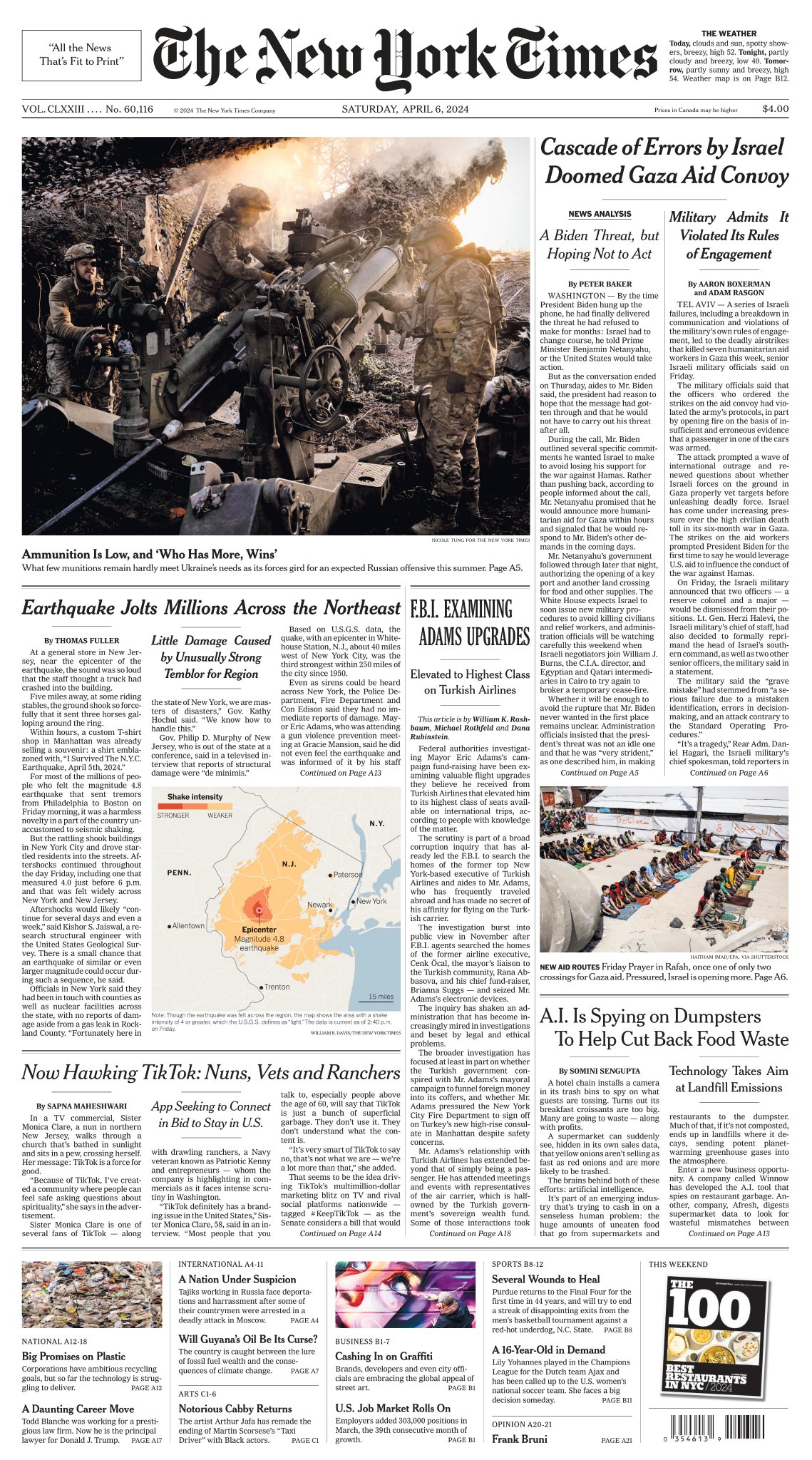
“It’s a serious event that we’re responsible for, and it shouldn’t have happened,” Rear Adm. Daniel Hagari said of the strike that killed seven World Central Kitchen workers.
The president has put Israel’s leader “on probation,” as a veteran diplomat put it. The threat is not idle, aides said, but he wants to force a course correction rather than follow through.
An earthquake struck the Northeast on Friday, rippling from Philadelphia to Boston.
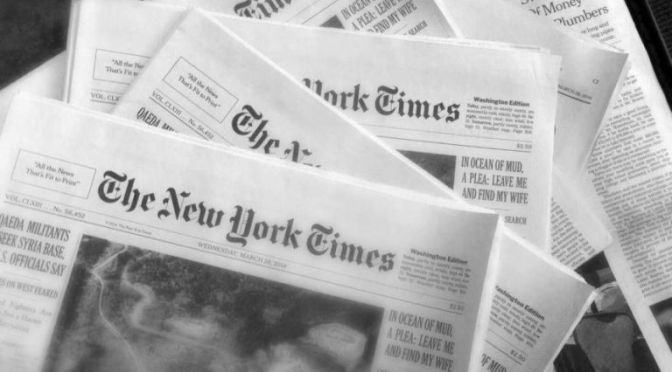
F.B.I. Examining Free Airfare Upgrades Received by Adams
Federal prosecutors and F.B.I. agents are scrutinizing international flights taken by Mayor Eric Adams of New York aboard Turkey’s national air carrier, Turkish Airlines.
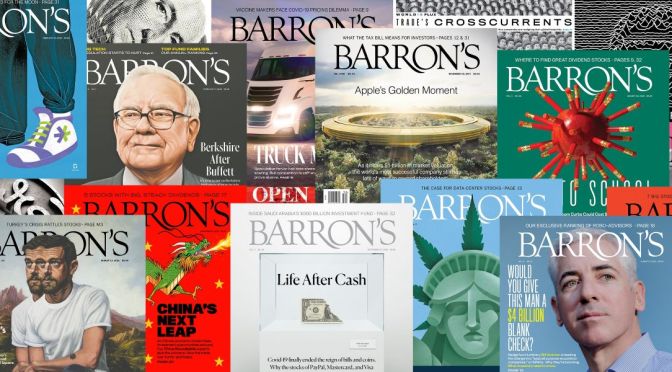
Don’t put all your cards in the Magnificent Seven. These stock funds offer investors true diversification—and that will pay off in more growth opportunities and better protection.
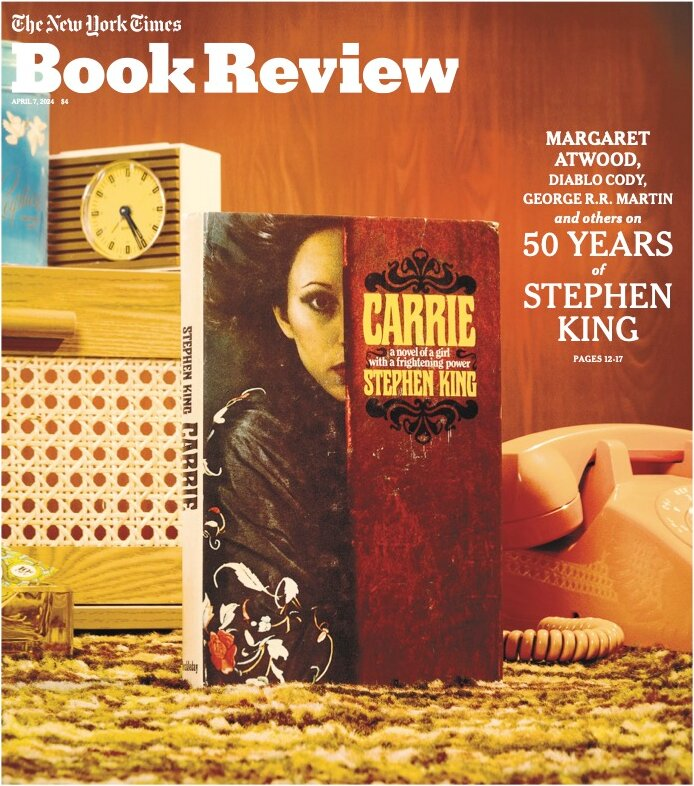
THE NEW YORK TIMES BOOK REVIEW (April 5, 2024): The latest issue features Stephen King’s first novel, “Carrie,” published 50 years ago. The Book Review editors weren’t sure what to do with it, so they handed it to their mystery columnist, Newgate Callendar. He called it “brilliant” but conceded, “Maybe, strictly speaking, it is not a mystery.” Still, he added, “That this is a first novel is amazing. King writes with the kind of surety normally associated only with veteran writers.”
“Carrie” was published in 1974. Margaret Atwood explains its enduring appeal.
By Margaret Atwood
Stephen King’s “Carrie” burst upon an astonished world in 1974. It made King’s career. It has sold millions, made millions, inspired four films and passed from generation to generation. It was, and continues to be, a phenomenon.
“Carrie” was King’s first published novel. He started it as a men’s magazine piece, which was peculiar in itself: What made him think that a bunch of guys intent (as King puts it) on looking at pictures of cheerleaders who had somehow forgotten to put their underpants on would be riveted by an opening scene featuring gobs of menstrual blood? This is, to put it mildly, not the world’s sexiest topic, and especially not for young men. Failing to convince himself, King scrunched up the few pages he’d written and tossed them into the garbage.
As “Carrie” turns 50, George R.R. Martin, Sissy Spacek, Tom Hanks, the Archbishop of Canterbury and others recall the powerful impact the writer’s work has had on their lives.
Tom Hanks
Actor, “The Green Mile”
In the late ’70s the image of Carrie covered in blood at the high school dance was already part of the national narrative — in a fun way. Struggling to afford the rent and the diapers while navigating those first years of a creative journey in the big city, I had not seen the movie nor read the book. Then a copy of “The Stand” was being gobbled up by our gang — read in a fever pitch on every subway ride and first thing in the morning. Once done, the copy was passed along to the next pair of eyes and promptly devoured.
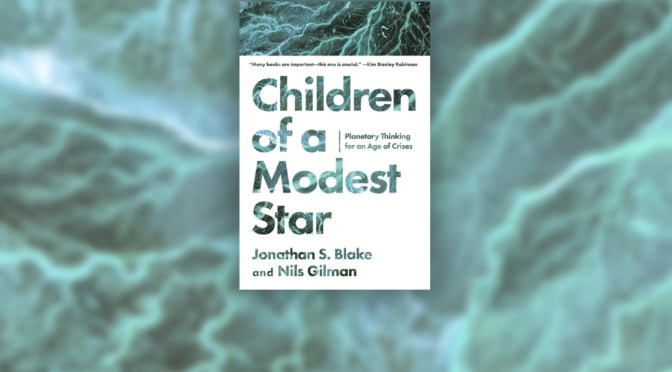
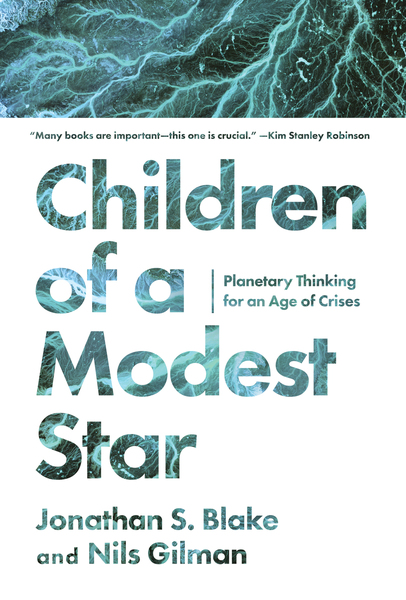
Stanford University Press (April 5, 2024): Jonathan S. Blake and Nils Gilman introduce their new book Children of a Modest Star: Planetary Thinking for an Age of Crises.
A clear-eyed and urgent vision for a new system of political governance to manage planetary issues and their local consequences.
Deadly viruses, climate-changing carbon molecules, and harmful pollutants cross the globe unimpeded by national borders. While the consequences of these flows range across scales, from the planetary to the local, the authority and resources to manage them are concentrated mainly at one level: the nation-state. This profound mismatch between the scale of planetary challenges and the institutions tasked with governing them is leading to cascading systemic failures.
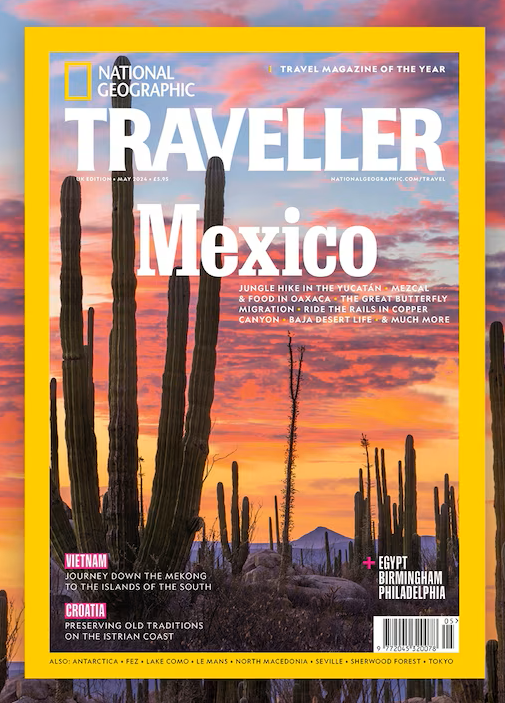
National Geographic Traveller Magazine (April 5, 2024): The latest issue heads to Mexico where we discover this diverse and spirited nation through the communities and craftspeople keeping its culture alive. Plus, explore the remote reaches of Vietnam, dive into the folk traditions of Istria and taste the flavours of Philadelphia.
Also inside this issue:
Vietnam: Discover the country’s remote reaches along the Mekong River and Con Dao islands. Istria: Explore the festivals and folk traditions of Croatia’s unique Adriatic enclave. Antarctica: This barren land of rock, water and ice is home to a surprising amount of wildlife. Egypt: Itineraries to discover the country, from the Nile and the Red Sea to the Sinai Peninsula. Philadelphia: Food in Pennsylvania’s largest city is as much about coming together as it is about flavour. Birmingham: The UK’s historic industrial powerhouse is flaunting its heritage with style. Le Mans & around: Come for the eponymous car race, stay for canoe trips, wine-tasting and more. Fez: Food traditions and culinary innovation come together in the medina of this Moroccan city Tokyo: Accommodation in the Japanese capital is all about character, from traditional ryokan inns to a cosy literary hotel.
The Globalist (April 5, 2024): Benjamin Netanyahu’s main rival and member of the war cabinet, Benny Gantz, calls for early elections, Myanmar’s opposition carries out a drone attack on junta-controlled Naypyidaw, Moscow declares that Russia and Nato are now in “direct confrontation” and we celebrate the life and legacy of Gaetano Pesce.
Plus: Andrew Mueller takes a look at what we learned this week.
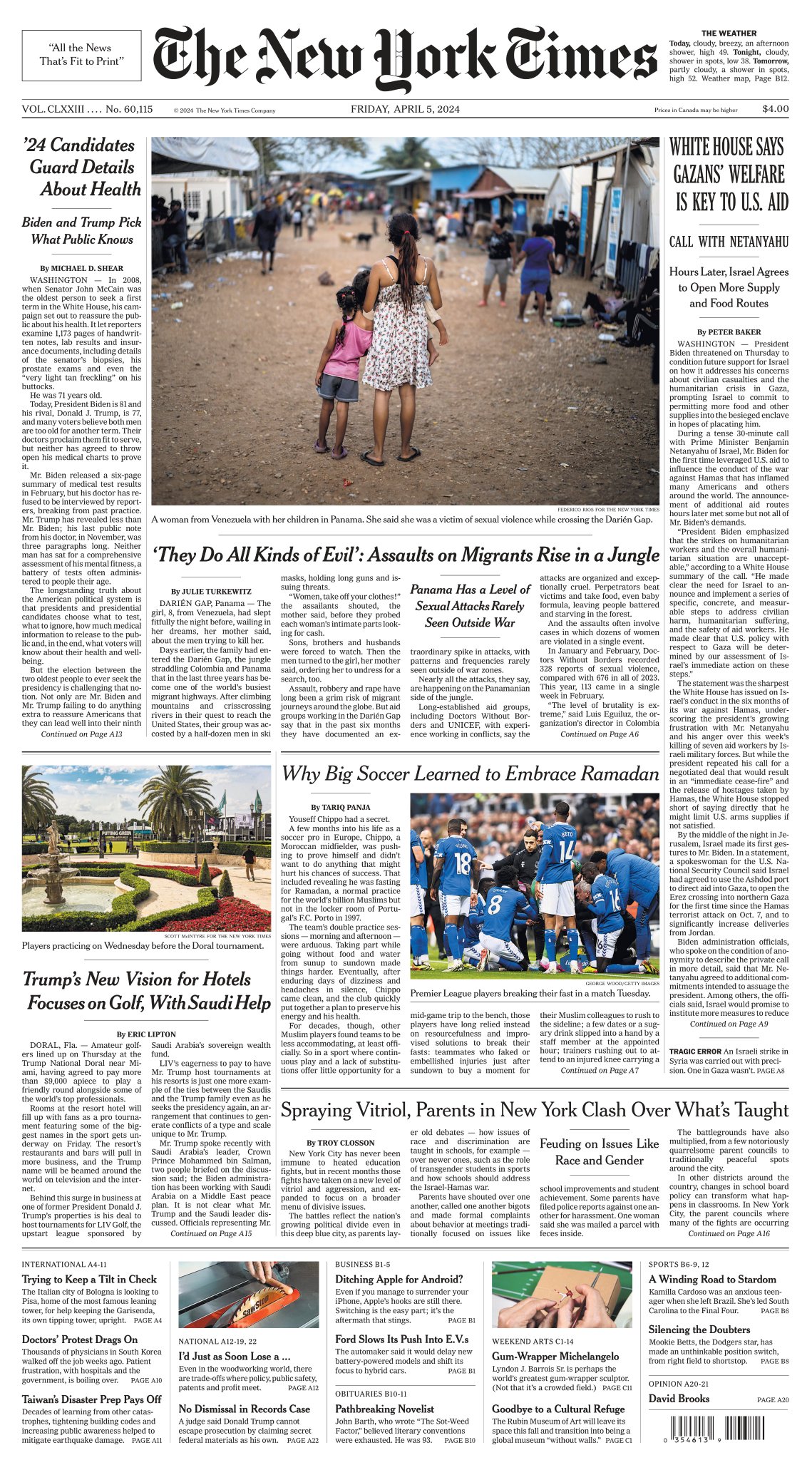
The president denounced the killing of seven humanitarian workers in a tense call with Israel’s prime minister. Within hours, Israel agreed to increase aid deliveries.
President Biden and former President Donald J. Trump are the oldest people ever to seek the presidency, challenging norms about what the public should know about candidates’ health.
The New York Times interviewed more than 70 people who said they had been victims of armed robbery. Fourteen were women who said they had suffered sexual violence.
Science Magazine – April 4, 2024: The new issue features ‘Lucy At 50’ – Fifty years ago in Ethiopia, paleoanthropologists unearthed the 3.2-million-year-old skeleton known as “Lucy” and transformed our views of humanity’s origins.









 National Geographic Traveller Magazine (April 5, 2024): The latest issue








 Boomers Daily