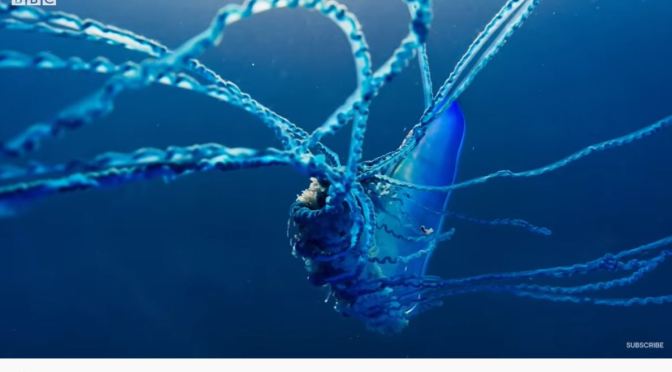
As it floats on the surface of the ocean, the Man O’ War looks beautiful and harmless but packs a killer sting with its deadly tentacles.
The Portuguese man o’ war, also known as the man-of-war, bluebottle, or floating terror is a marine hydrozoan found in the Atlantic Ocean and the Indian Ocean. It is considered to be the same species as the Pacific man o’ war, which is found mainly in the Pacific Ocean.
Meet China’s most affectionate and vocal monkeys in the remote, seasonal forests of Central China. Follow the journey of a baby Golden snub-nosed monkey during the first year of her life as she learns all about her forest home and battles the elements to survive.
The golden snub-nosed monkey is an Old World monkey in the subfamily Colobinae. It is endemic to a small area in temperate, mountainous forests of central and Southwest China. They inhabit these mountainous forests of Southwestern China at elevations of 1,500–3,400 m above sea level.
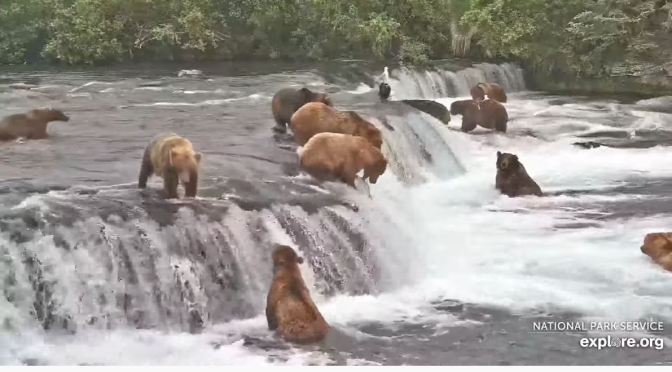
Brooks Falls in Alaska’s Katmai National Park is the best place in the world to watch brown bears feasting on salmon as they swim upstream to spawn. Find out the best time to watch live and learn more about Katmai and its brown bears on Explore.org @ https://goo.gl/fhMmQy.
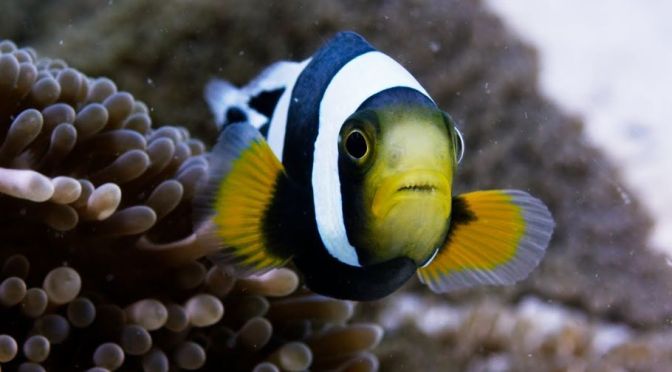
A family of saddleback clownfish have found an excellent home, however, they need a place to lay their eggs.
Amphiprion polymnus, also known as the saddleback clownfish or yellowfin anemonefish, is a black and white species of anemonefish with a distinctive saddle. Like all anemonefishes it forms a symbiotic mutualism with sea anemones and is unaffected by the stinging tentacles of the host anemone.
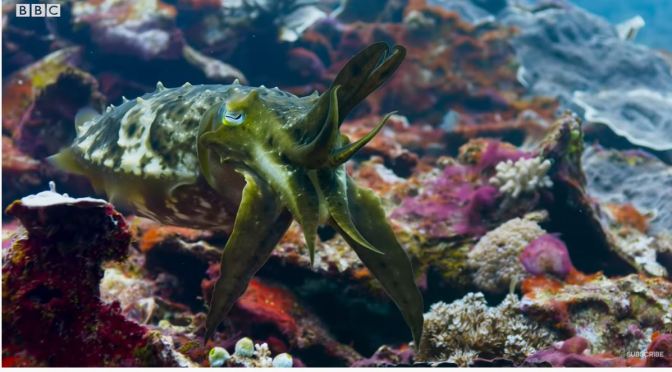
This specialist hunter knows just how dangerous their prey can be. To solve this problem, they hypnotise crabs by changing the colour of their skin.
Cuttlefish or cuttles are marine molluscs of the order Sepiida. They belong to the class Cephalopoda, which also includes squid, octopuses, and nautiluses. Cuttlefish have a unique internal shell, the cuttlebone, which is used for control of buoyancy.
“Wild Slovenia ” A film by Matej Vranič. World Premiere at the 2021 WCFF.
SYNOPSIS: The documentary WILD SLOVENIA visually presents the very diverse fauna and flora of Slovenia, focusing on mammals and birds, and shows some particularly interesting species of amphibians, fish, insects and plants.
In the film, we venture among the highest Alpine peaks and into the remote Dinaric forests; we travel across the Pannonian plains, descend into the underground caves of the Karst world and dive into the Adriatic Sea. The film offers the insight into the secret life of some animal species that live in close proximity to humans, often even in an urban environment, but never quite come to our sight. We witness individual interactions between humans and animals. Throughout the 83-minute film, stunning details from the animal world emerge, combined into compelling and unobtrusively instructive stories shown through interesting footage. More than 50 animal species are presented; monitored over a period of one year and presented in different roles, as dictated by their life cycle – hunting and eating, courting, fighting, mating, and caring for the offspring. With the more common species, that we see frequently, the film introduces some lesser-known features.
The film, which takes place over a period of one year, also takes the viewer through typical Slovenian landscapes and briefly introduces their main characteristics. The plot crosses between the provinces and occasionally returns to the same area in order to show what is happening in the animal world in the second part of the year. A very rich ecosystem diversity, rarely seen recordings, and scientifically verified information weaved into the intelligible text are key attributes of this film.
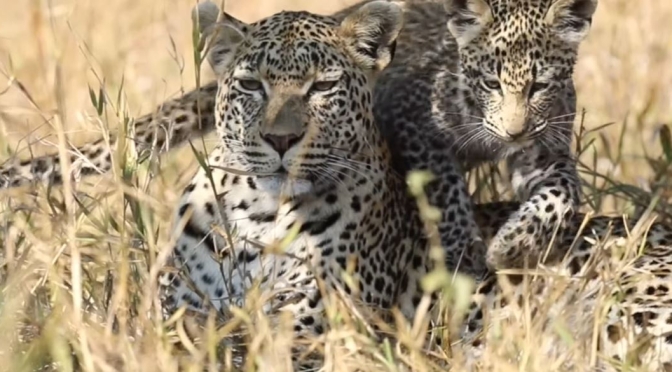
Mala Mala is a game reserve located within the Sabi Sand Game Reserve, Mpumalanga province, South Africa. It is the largest and the oldest private big five game reserve in South Africa, It covers around 130 km² or 15 000 hectares of land.
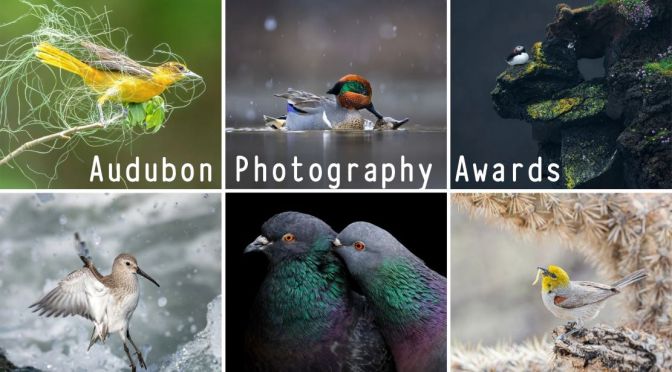
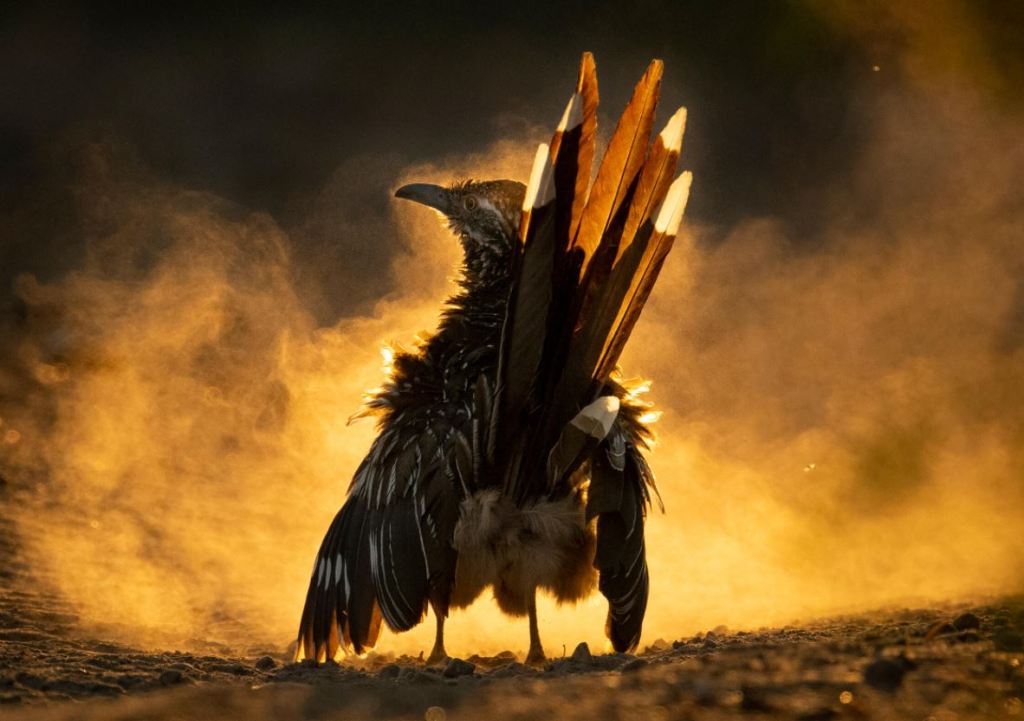
In contrast to recent years, few of the winning images emerged from far-flung expeditions. Most were taken by photographers working close to home. This may be a reflection of the many ways that birds provided solace during the challenging and restrictive conditions brought on by the pandemic.






 Boomers Daily