In this episode, reporter Miryam Naddaf joins us to talk about the big science events to look out for in 2023.
We’ll hear about vaccines, multiple Moon missions and new therapeutics, to name but a few.
In this episode, reporter Miryam Naddaf joins us to talk about the big science events to look out for in 2023.
We’ll hear about vaccines, multiple Moon missions and new therapeutics, to name but a few.

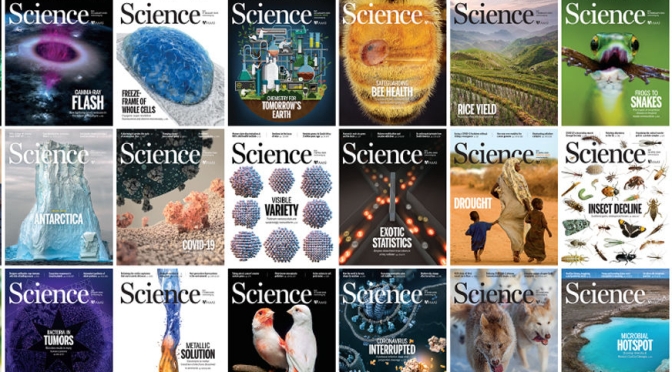
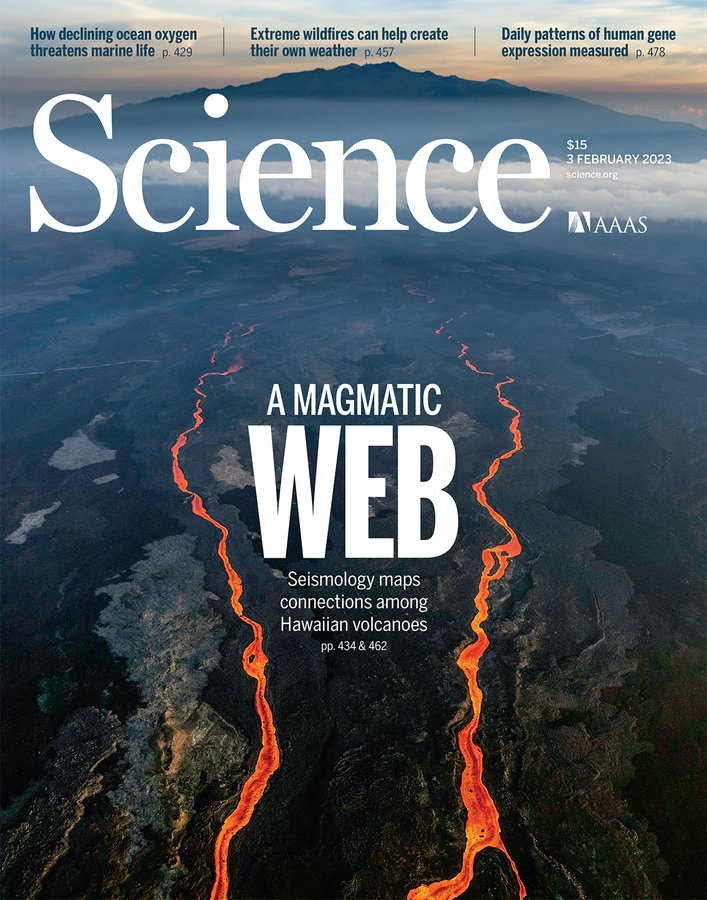
Science Magazine – January 6, 2023 Issue:
Official death tolls are impossibly low, and some worry new variants may escape detection
New studies suggest early Asgards evolved into eukaryotes
Lawmakers can’t resist steering cash to universities and research projects back home
Finds may support coastal route hypothesis for first settlers
Ropes, drones, insects, and dust cloths could make monitoring faster, safer, and cheaper
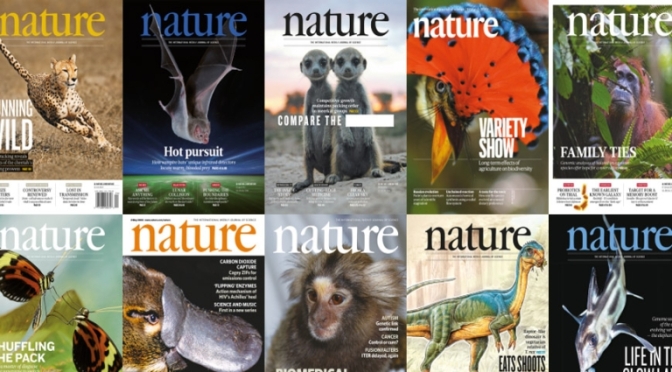
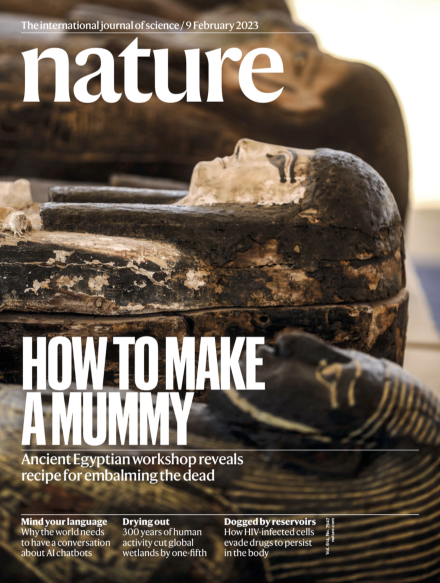
nature Magazine – January 5, 2023 issue:
Moon landings, mRNA vaccines and climate finance are among the developments set to shape research in the coming year.
Researchers have zeroed in on nine sites that could describe a new geological time, marked by pollution and other signs of human activity.
A class of drugs that quash hunger have shown striking results in trials and in practice. But can they help all people with obesity — and conquer weight stigma?

New Scientist Magazine – January 7, 2023 issue:
Which inventions should we prioritize to safeguard the environment and human health and happiness? From better batteries and photovoltaic paint to a universal vaccine precursor
Takashi Taniguchi and Kenji Watanabe create high-quality crystals that offer the perfect substrate on which to tailor-make two-dimensional materials with amazing electronic properties. They tell New Scientist how they grow their world-renowned crystals
Stone Age people in Europe appear to have recorded the reproductive habits of animals with markings on cave paintings, hinting at the early origins of writing
PBS NewsHour – Artificial intelligence, robotics and gene sequencing are the stuff of headlines, science fiction and sometimes even our worst fears. It’s all on view at the new MIT Museum. A place where the latest scientific advancements fill galleries, but only really work with your input. Special correspondent Jared Bowen of GBH Boston looks at this artistic frontier for our arts and culture series, “CANVAS.”
From AI in the home to robots in the workplace, the presence of AI all around us compels us to question its potential and recognize the risks. What has become clear is that the more we advance AI technology and consider machine ability versus human ability, the more we need to mind the gap.

New Scientist Magazine – December 31, 2022:
New fossil discoveries show predatory marine reptiles from 200 million years ago may have been bigger than today’s blue whales – and that they evolved astonishingly rapidly
The coming year will be a turning point for the Amazon rainforest, artificial intelligence and even our diets. Let’s choose a more hopeful direction for humanity
It took generations of work by engineers and scientists to reach this month’s nuclear fusion milestone, but there are big challenges ahead
Aquarist knowledge is an often overlooked but vital part of marine research
A welcome dive into the world of aquarium craft that offers much-needed knowledge about undersea environments.
Atlantic coral is rapidly disappearing in the wild. To save the species, they will have to be reproduced quickly in captivity, and so for the last decade conservationists have been at work trying to preserve their lingering numbers and figure out how to rebuild once-thriving coral reefs from a few survivors. Captive environments, built in dedicated aquariums, offer some hope for these corals. This book examines these specialized tanks, charting the development of tank craft throughout the twentieth century to better understand how aquarium modeling has enhanced our knowledge of the marine environment.
Science Magazine – December 22, 2022


Science Magazine – December 23, 2022 issue:
Study of famed meteorite by quantum microscope hints at planet’s prolonged habitability
Transparency in glassfrogs has potential implications for human blood clotting
The business side of drug development comes to the fore in a tale of two blockbuster blood cancer therapeutics
Daniela Hernandez | WSJ – Getting the flu can increase the risk of getting a second infection, including strep throat. WSJ’S Daniela Hernandez explains the science behind that, plus what it means for the rest of the winter and how we can protect ourselves so the tripledemic doesn’t get worse.
Video timeline: 0:24 – Flu Damage 1:25 – Lower population immunity 2:03 – Who’s most vulnerable? 3:05 – How can we protect ourselves?
nature – December 22, 2022 issue:
As 2022 enters its final weeks, we look back on the past 12 months through the lens of Nature’s 10 — ten people who helped to shape science during the year. The cover takes its inspiration from the stunning images that have so far emerged from the James Webb Space Telescope. Launched on Christmas Day 2021, the telescope sent its first image back to Earth this summer and has since provided astronomers with views of the Universe in unprecedented detail.
Experiments on mice suggest that gut bacteria contribute to the post-diet rebound of fat tissue.
Chemical analysis of rare gems suggests that seawater played a part in their creation.