‘This is what Biden and his advisers are counting on: a grinding and volatile battle with a weakened Trump and his increasingly unhinged movement in 2024.’
There is no way to offset the fact that a gigantic dose of hydrocarbon wealth is being used to stage an immensely carbon-intensive spectacle, in a place that is already getting hotter faster than almost anywhere else on the planet. In the narrowing window of opportunity that remains, can we justify burning this much of our carbon budget on international football?
Act of Oblivion, the title of Robert Harris’s novel, refers to the Act of Free and General Pardon, Indemnity and Oblivion, introduced to the Convention Parliament in May 1660 and given royal assent on 29 August.
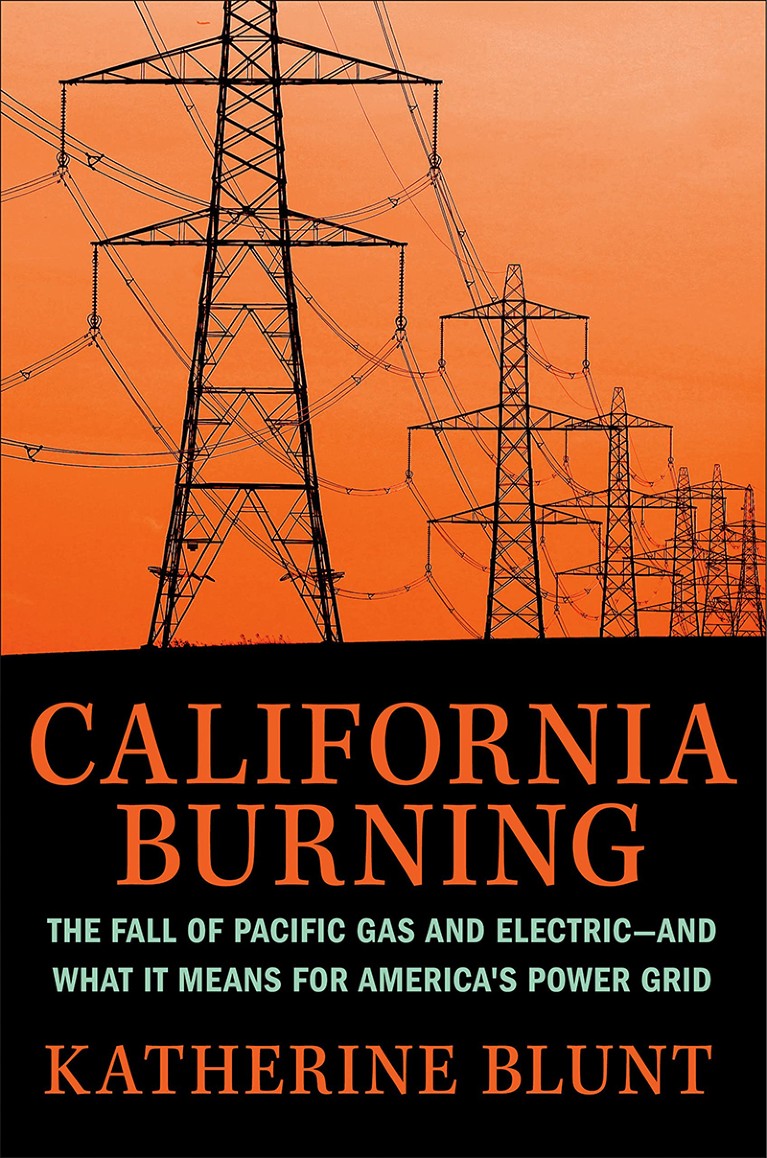
California is having more and more wildfires because of climate change, poor tree management creating fire hazards, and antiquated power lines. In 2018, the failure of a 100-year-old rusted electrical hook sparked the Camp Fire, the world’s most expensive natural disaster that year. The blaze forced Pacific Gas and Electric into temporary bankruptcy. Journalist Katherine Blunt’s disturbing history of California’s environmental calamity ends in 2021, with the company’s new chief executive announcing costly underground power lines.
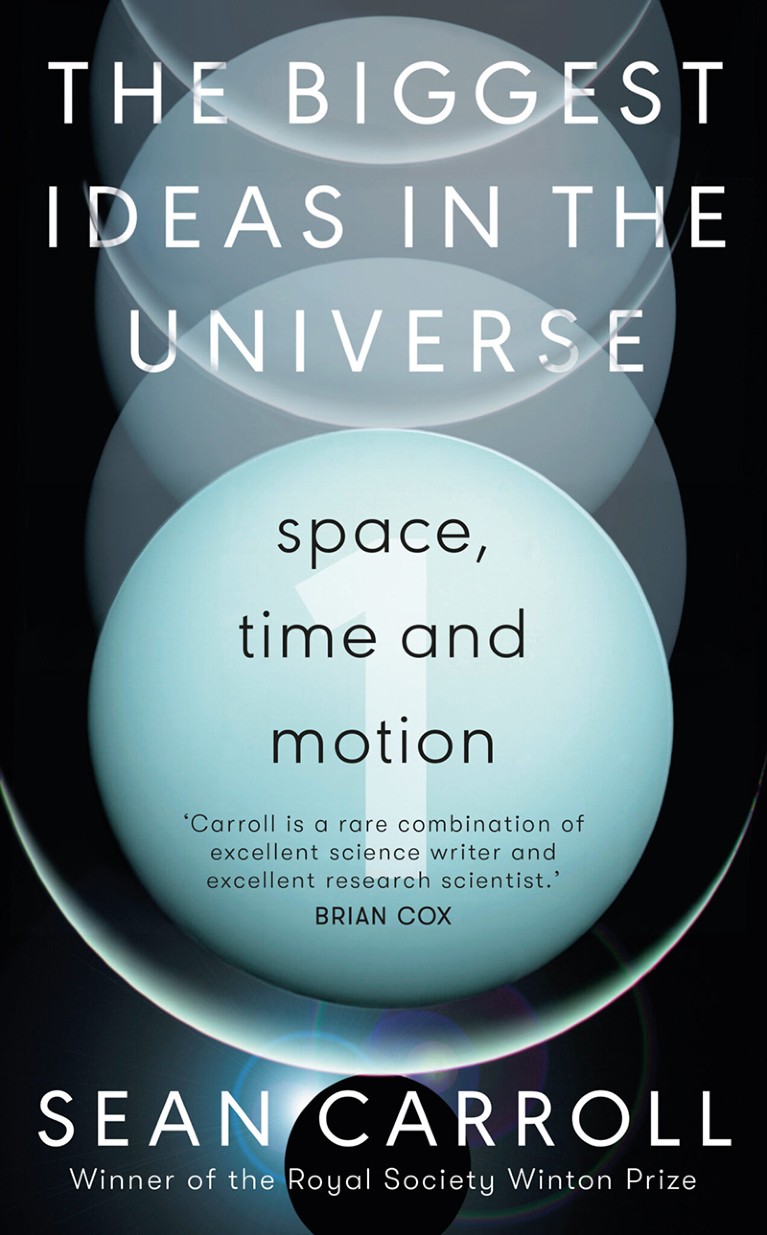
The Biggest Ideas in the Universe
Sean Carroll Oneworld (2022)
Theoretical physicist and philosopher Sean Carroll specializes in quantum mechanics, gravity and cosmology. He aims to create a world in which “most people have informed views and passionate opinions” about modern physics. His skilful book, the first of a planned trilogy, covers space, time and motion. Unlike most introductory physics books for the interested amateur, it includes mathematical equations, cogently explained but not solved, as well as the expected metaphorical language.
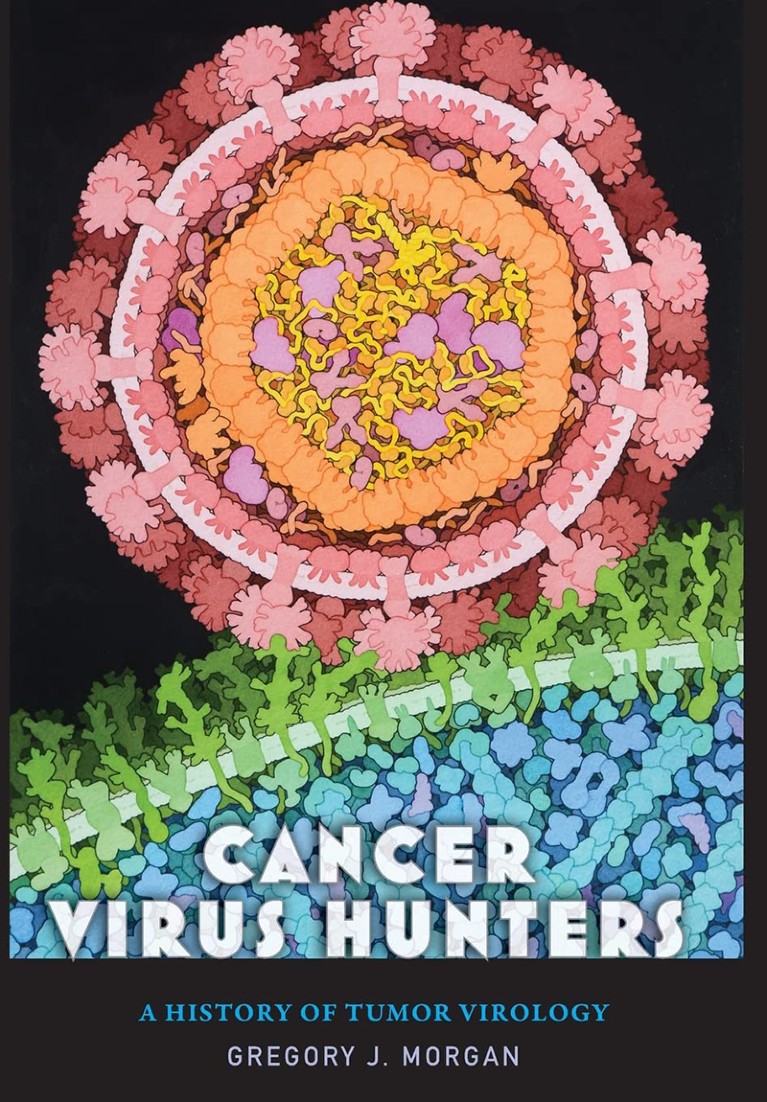
Cancer Virus Hunters
Gregory J. Morgan Johns Hopkins Univ. Press (2022)
One-fifth of cancers in people worldwide are caused by tumour viruses such as hepatitis B. Work stemming from these pathogens won seven Nobel prizes between 1966 and 2020, notes historian Gregory Morgan in his authoritative but accessible chronicle. Yet tumour virology is rarely mentioned in discussions of how molecular biology opened our understanding of cancer. As Morgan observes in his path-breaking history, this inhibits a complete understanding of this field as a technoscientific force.
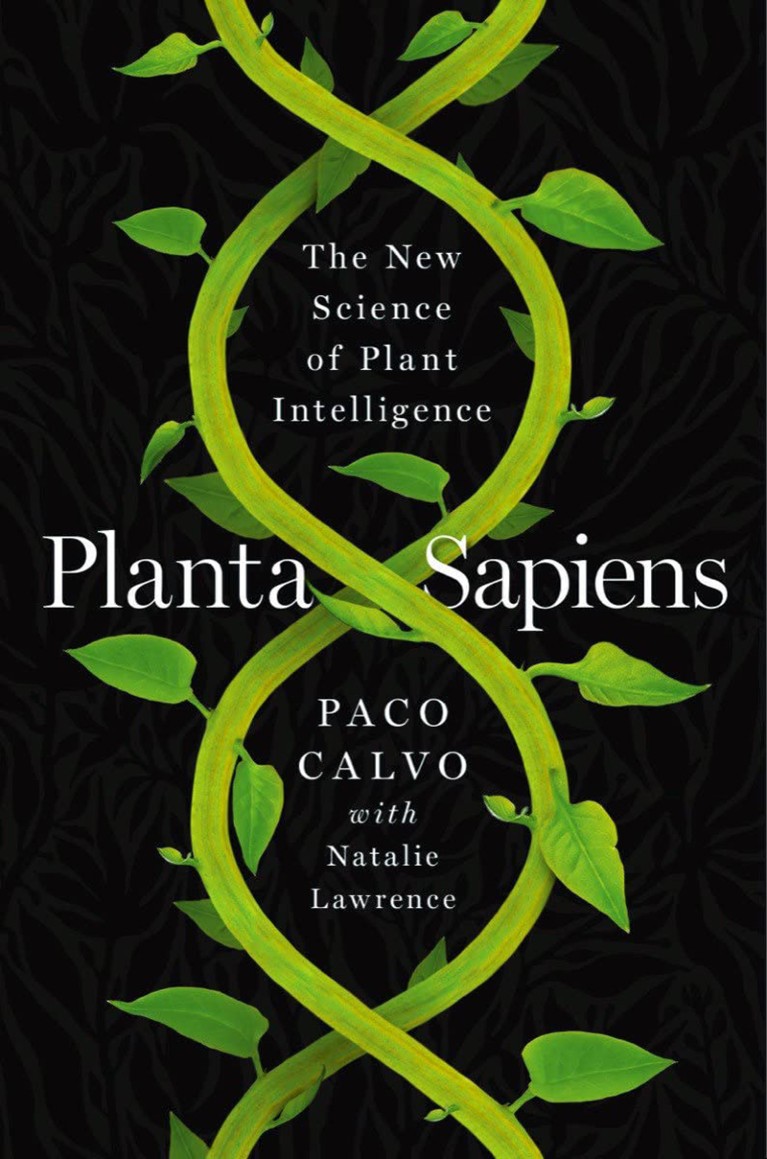
Planta Sapiens
Paco Calvo with Natalie Lawrence Bridge Street (2022)
Humans are so focused on “brain-centric consciousness”, says philosopher of science Paco Calvo, “that we find it difficult to imagine other kinds of internal experience”. Might plants be intelligent (‘sapiens’)? His challenging book is aimed at both believers in this possibility and non-believers. His experiments, such as putting the touch-sensitive plant Mimosa pudica to ‘sleep’ with anaesthetic, provoke thought, as does his note that Charles Darwin requested burial under an ancient village yew, rather than in Westminster Abbey.
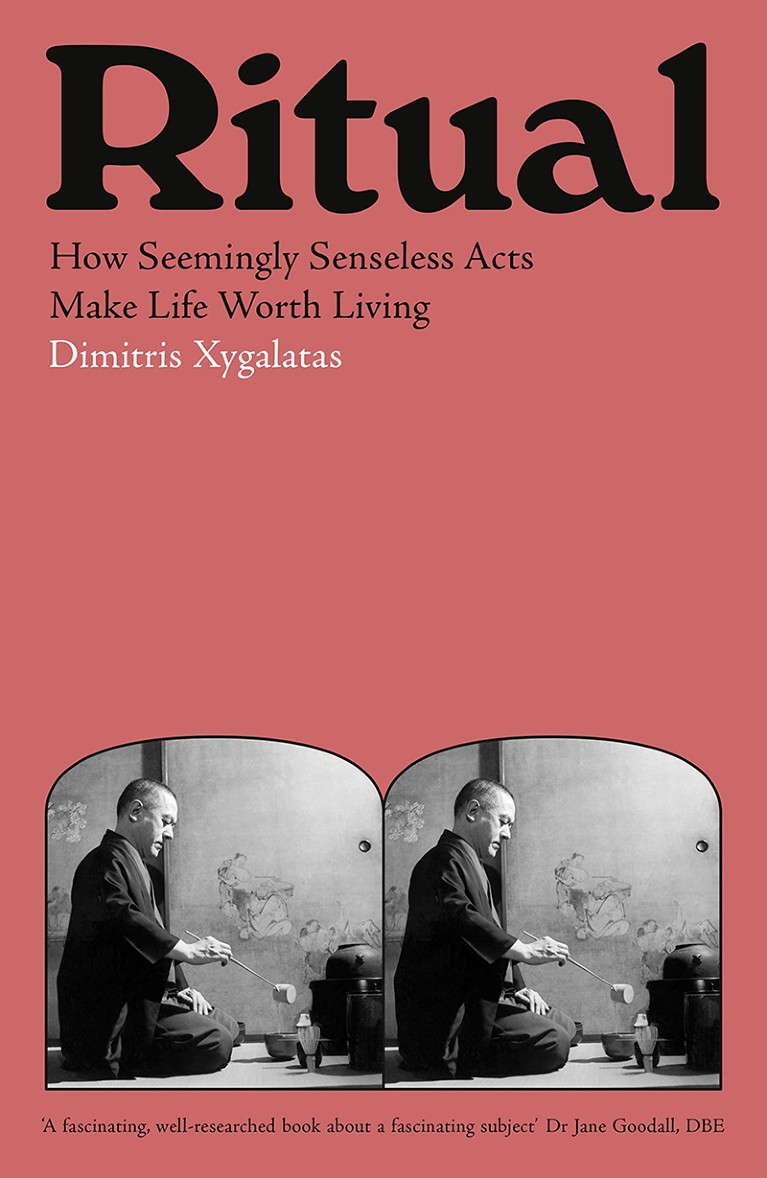
Ritual
Dimitris Xygalatas Profile (2022)
Just before anthropologist Dimitris Xygalatas’s university went into COVID-19 lockdown, his students had one main concern: would there be a graduation ceremony? We care deeply about rituals, he notes in his wide-ranging and well-written survey, because they help us to “cope with many of life’s challenges”, even if we do not understand how — the “ritual paradox”. Scientific investigation has been tricky, because rituals do not flourish in a laboratory, but wearable sensors and brain-imaging technology help.
“The books I try not to pick up, and don’t want to read, are ones I wrote myself and published in the past,” says the Japanese writer, whose new book is “Novelist as a Vocation.” “Though it does make me want to do better with my next work.”
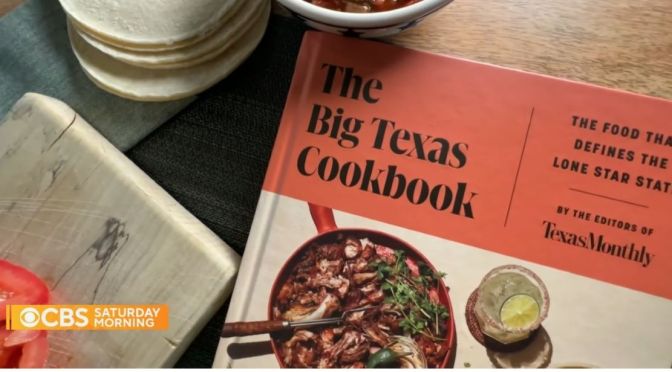
“CBS Saturday Morning” co-host Jeff Glor takes a trip to Texas to try recipes featured within “The Big Texas Cookbook.”
The editors of Texas Monthly celebrate the ever-evolving culinary landscape of the Lone Star State in this stunning cookbook, featuring more than 100 recipes, gorgeous color photos, and insightful essays.
When it comes to food, Texas may be best known for its beloved barbecue and tacos. But at more than 29 million people, the state is one of the most culturally diverse in America—and so is its culinary scene. From the kolaches introduced by Czechs settlers to the Hill Country in the 1800s to the Viet-Cajun crawfish that Vietnamese immigrants blessed Houston with in the early 2000s, the tastes on offer here are as vast and varied as the 268,596 square miles of earth they spring from.
In The Big Texas Cookbook, the editors of the award-winning magazine Texas Monthly have gathered an expansive collection of recipes that reflects the state’s food traditions, eclectically grouped by how Texans like to start and end the day (Rise and Shine, There Stands the Glass), how they revere their native-born ingredients (Made in Texas), and how they love the people, places, and rituals that surround their favorite meals (On Holiday, Home Plates). Getting their very own chapters—no surprise—are the behemoths mentioned above, barbecue and Tex-Mex (Smoke Signals, Con Todo). With recipes for über-regional specialties like venison parisa, home cooking favorites like King Ranch casserole, and contemporary riffs like a remarkable Lao beef chili, The Big Texas Cookbook pays homage to the cooks who long ago shaped the state’s food culture and the ones who are building on those traditions in surprising and delightful ways.
Packed with atmospheric photos, illustrations, and essays, The Big Texas Cookbook is a vivid culinary portrait of the land, its people, and its past, present, and future.
The overall winner, by William Davies: ‘Brecon in Winter’, Brecon Beacons National Park, Wales. Dawn sunlight warms up a winter’s morning in the Brecon Beacons.
‘Rough and Tumble’ Photo by Lloyd Lane Photography (www.lloydlane.uk), runner-up in the 2022 Landscape Photographer of the Year.
Tryfan by Aled Lewis. A photo of the iconic Tryfan in Snowdonia National Park.
‘Sycamore Gap Sun and Moon’, by Brian Eyler. Sycamore Gap Sun and Moon. Northumberland, England.
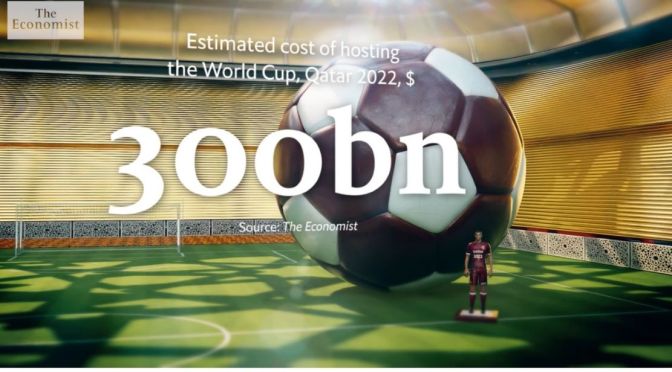
The Economist – Qatar is about to host the most expensive World Cup ever, costing as much as $300bn. Why has this small, gas-rich kingdom chosen to host football’s most prestigious event, and how does it fit into its broader plans for economic transformation?
Video timeline: 00:00 – Why is Qatar hosting the World Cup? 00:57 – World Cups are expensive competitions 01:56 – Qatar’s human rights violations 02:36 – Qatar’s place in the Gulf 04:43 – Qatar distinguishes itself from its neighbours 05:50 – Qatar bids to host the World Cup 07:18 – Qatar’s neighbours issue a blockade 10:12 – What might happen after the World Cup?
0:15 Global Population Reaches 8 Billion – That’s 8 times more humans than existed in 1800. Even so, the world’s population is growing at its slowest rate since 1950 due to a declining global fertility rate. Today there are an average of 2.3 births per woman. In 1950 it was 5. The world’s population is projected to peak at 10.4 billion by 2080.
1:49 The Economic Case for Climate Adaption – Climate adaptation means preparing our ecological, social and economic systems so they can cope with the future impacts of climate change. Heatwaves, storms, wildfires: the costs of climate change are already mounting but so far only 20% of climate finance has gone towards adaptation.
3:44 French Start Up Blends Wind and Solar Energy – Unéole’s energy system combines a photovoltaic rooftop panel with 2 compact wind turbines, generating 40% more energy than an ordinary rooftop panel. Solar panels work best in strong sunlight but Unéole’s units generate power when it’s overcast or during winter and can turn through the night to ensure a steady flow of power. The turbines are silent, so they don’t disturb building occupants and they’re built from mostly recycled aluminium and steel.
4:54 Lab Grown Blood Used in World First – UK scientists have transfused lab-grown blood into humans for the first time. It could revolutionize treatment for people with rare blood types, especially those who need regular transfusions. Two people were injected with 1-2 teaspoons of the synthetic blood to see how how their bodies respond. So far, so good – the trial participants are fit and healthy with no reported side effects.
Ben Luke talks to Hannah McGivern, a correspondent for The Art Newspaper who has just been to Qatar, about the vast number of public art projects that will accompany the FIFA Men’s World Cup that begins there on Sunday 20 November.
She also discusses the museums that Qatar plans to open by 2030. How does this explosion of cultural initiatives sit with Qatar’s record on human rights and treatment of low-paid migrant workers in the building of its cultural venues and World Cup stadia? It has been a heady fortnight of auctions in New York.
Ben speaks to Georgina Adam, an editor-at-large at The Art Newspaper, about the highs and lows, and whether we can expect even more sales of blockbuster collections in the coming years.
And this episode’s Work of the Week is an untitled painting by Luis Meque, an artist born in Mozambique who came to fame in the 1980s and early-1990s in Zimbabwe. Tandazani Dhlakama, the curator of the exhibition When We See Us: A Century of Black Figuration in Painting at Zeitz Museum of Contemporary Art Africa in Cape Town, tells us about Meque’s painting and his brief and brilliant life.When We See Us: A Century of Black Figuration in Painting, Zeitz Museum of Contemporary Art Africa, Cape Town, South Africa, 20 November-3 September 2023 Hosted on Acast. See acast.com/privacy for more information.
News, Views and Reviews For The Intellectually Curious













 Boomers Daily