Category Archives: Previews

Augmented Reality: Apple Unveils ‘Glass Air’ Glasses

Concept Images by Kylin Wu

Yanko Design (June 2, 2023) – Augmented Reality has always been Tim Cook’s favorite buzzword, and he’s consistently pushed for Apple to have a presence in this space. It’s expected that all this will culminate in what analysts and leakers call “Reality”, Apple’s first XR headset. This cutting-edge device, expected to be unveiled at Apple’s Worldwide Developers Conference, aims to pioneer the relatively uncharted realm of mixed-reality technology.

With a price tag of approximately $3,000, the ‘Reality’ headset has been seven years in the making, and has been apparently filled with controversy too, with a large chunk of Apple’s own employees expressing doubt and disdain. However, here’s everything we know about the Reality headset (or could it be a pair of glasses?) that’s set to launch this Monday.

The headset’s design journey has oscillated between being thick and obtrusive, like your average VR headset, to being as slim as a pair of spectacles, or realistically, a pair of chunky ski goggles. At its heart, however, lies the innovative xrOS, designed to provide an interface that echoes the familiar iOS experience. The new operating system (which is pretty much confirmed thanks to a trademark filed by Apple in New Zealand) is set to revolutionize how users interact with their devices, presenting a traditional Home Screen in an entirely new dimension filled with apps and customizable widgets.

One of the most exciting features of ‘Reality’ is its ability to merge digital elements with the real world. The xrOS software could potentially project AR app interface elements onto actual objects, creating a seamless mixed-reality overlay effect. This represents a significant leap forward in AR technology, blurring the boundaries between the physical and digital worlds. According to MacRumors, the ‘Reality’ device will achieve this using “dual high-resolution 4K micro OLED displays with up to 3,000 pixels per inch for a rich, realistic, and immersive viewing experience.” To operate the device, the user’s hands and eyes will be monitored by over a dozen optical cameras. The user can select an on-screen item by simply looking at it and activate it by making a hand gesture, such as a pinch.
READ MORE AT YANKO DESIGN

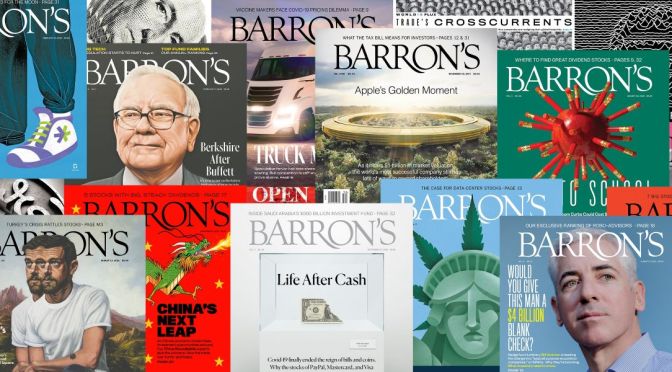
Finance Preview: Barron’s Magazine – June 5, 2023

Image

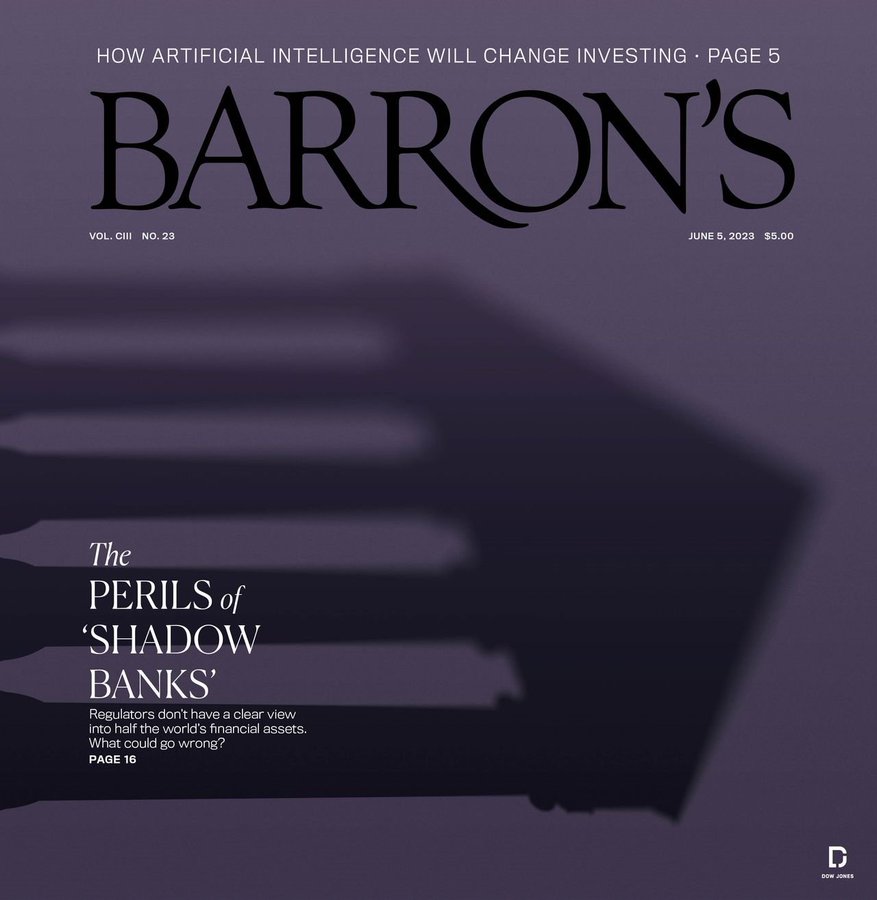
BARRON’S MAGAZINE – JUNE 5, 2023 ISSUE

‘Shadow Banks’ Hold Half of the World’s Assets. Why Concerns Are Growing.

‘Shadow Banks’ Hold Half of the World’s Assets. Why Concerns Are Growing.

Regulators don’t have a clear view into the huge world of nonbank finance, or ‘shadow banking.’ Barron’s peers into this opaque world.

REIT Resurgence: 4 to Consider, 2 to Avoid

REIT Resurgence: 4 to Consider, 2 to Avoid

Real estate investment trusts have been clobbered over the past year. We survey the landscape, from REITs that specialize in cell towers, data centers, and warehouses to ones holding troubled office buildings. Where to find value and where to dodge traps.

It’s Not Just AI. 5 Trends That Will Change How You Invest.

It’s Not Just AI. 5 Trends That Will Change How You Invest.

Water shortages and a fast-growing India are among the developments that will change economies and markets.

The Stock Market Throws a Party—and Everyone’s Invited

Carleton English

The Debt-Ceiling Deal Could End Up Biting Stock Investors

Randall W. Forsyth

A Hidden AI Stock That Pays a Big Dividend

Eric J. Savitz

AI Will Change Investing. How It Could Play Out.

Andy Serwer

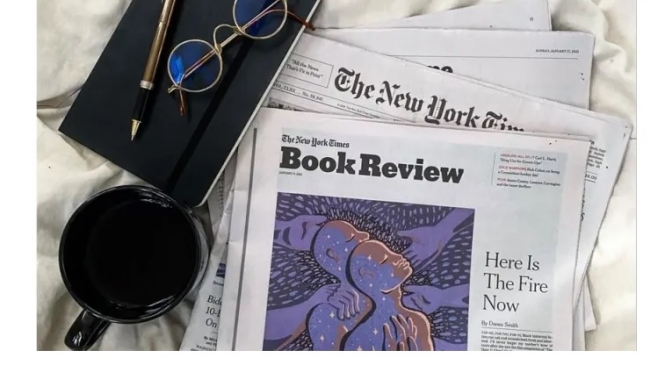
The New York Times Book Review-Sunday June 4, 2023

Image

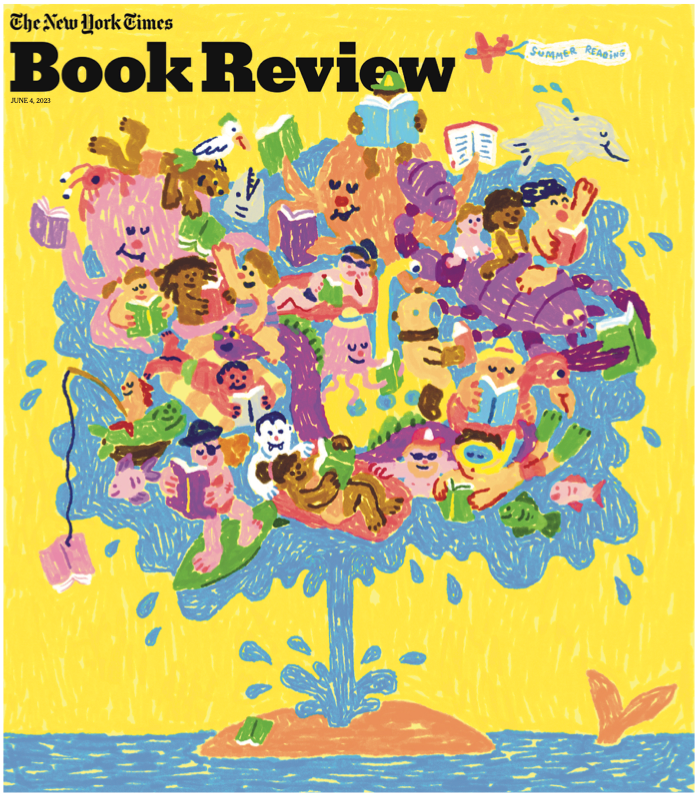
THE NEW YORK TIMES BOOK REVIEW – JUNE 4, 2023: The summer reading issue lands this weekend, 56 pages filled with suggestions of books to keep you company at the beach or in that shady mothballed nook you discovered in your rental share. The issue closes with a beautiful photo essay of swimmers pictured underwater, from an art book that evokes summer as vividly as fried clam strips and soft-serve ice cream: “Swimmers,” by Larry Sultan.

Deep-Sea Creatures of Bittersweet Orange and Metallic Opaline Green

This illustration depicts two enormous fish with red eyes and lots of teeth swimming around the bathysphere, an underwater exploration machine from the 1930s.

In “The Bathysphere Book,” Brad Fox chronicles the fascinating Depression-era ocean explorations of William Beebe.

Consider the siphonophore. An inhabitant of the lightless ocean, it looks like a single organism, but is actually a collection of minute creatures, each with its own purpose, working in harmony to move, to eat, to stay alive. They seem impossible but they are real. In 1930 William Beebe was 3,000 feet underwater in a bathysphere, an early deep-sea submersible, when he spotted a huge one: a writhing 20-yard mass whose pale magenta shone impossibly against the absolute blackness of the water. As you can imagine, it made an impression.

An Indictment of Human Culture, Narrated by a Mountain Lion

This is a close-up illustration of a lion’s eye, reflecting the silhouette of a man against a blue sky and greenery.

Henry Hoke’s latest novel, “Open Throat,” follows an observant — and starving — cougar living in the Los Angeles hills surrounding the Hollywood sign.

There is a moment toward the end of “Open Throat,” Henry Hoke’s slim jewel of a novel, where the narrator, a mountain lion living in the desert hills surrounding Los Angeles’s Hollywood sign, falls asleep and dreams of Disneyland. It will be hard for those who haven’t yet read this propulsive novel to understand, but the lion’s waking life at this moment is so precarious that this slippage into pleasant dream left me scared to turn the page.

Summertime in America, Beneath the Surface

A new book of photographs by Larry Sultan captures recreational swimmers at public pools in 1970s and ‘80s California.

Preview: New York Times Magazine – June 4, 2023

Image

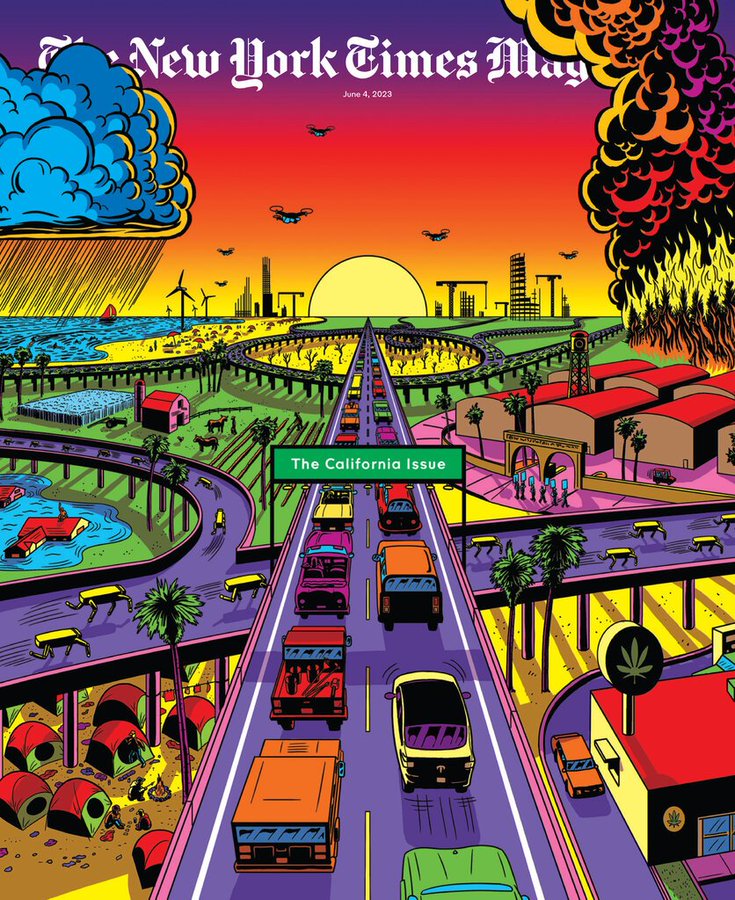
THE NEW YORK TIMES MAGAZINE (June 4, 2023) – California is the place where the future happens, for good and ill. That’s part of its magic. Read our first-ever California Issue to find out what roads the state will take us down next.

Inside: A fight over a parking lot that explains the housing crisis; the future of California’s power to shape national policy; how the state is adapting to a warming world — and more.

California Builds the Future, for Good and Bad. What’s Next?

An illustration of a California-inspired scene: wildfires, cars on a highway, the writer’s strike in Hollywood, a tent city, drones in the sky, flooding and a marijuana dispensary.

From reparations to tax revolts, the Golden State tries out new ideas all the time. What roads will its latest experiments send us down?

By Laila Lalami

I remember my first glimpse into the future. In August 1992, when I arrived in California as a student, I discovered during orientation that the university required all incoming students to have something called an email account. To access it, I had to call up a text-based mail client on Unix, using a series of line commands. If I needed a file that sat on a university computer in New York, I could use file transfer protocol to download it in Los Angeles, the whole process taking no more than a few minutes. That’s brilliant, I remember thinking.

Can the ‘California Effect’ Survive in a Hyperpartisan America?

A collage illustration showing the California capitol, the Golden Gate Bridge and a surfer hitting the waves, among other California motifs.

For decades the state has been setting policy for the whole nation. Now red states are pushing back.

By Conor Dougherty

For a while this winter, seemingly every text message that Buffy Wicks received asked if she was running for Congress. Representative Barbara Lee, of California’s 12th District, which includes Oakland, had announced that she would enter the race for Dianne Feinstein’s soon-to-be-vacated Senate seat. This decision by Lee, who is 76, created a rare opportunity for the next generation of California Democrats to vie for federal office. And Wicks — a 45-year-old State Assembly member who lives in Lee’s district and was last re-elected with 85 percent of the vote — seemed like a natural candidate.

Sculpture Exhibitions: ‘Bloomsbury Stud: The Art Of Stephen Tomlin’ (2023)

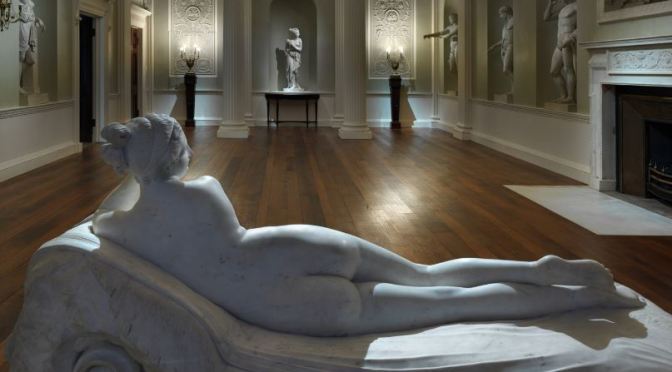
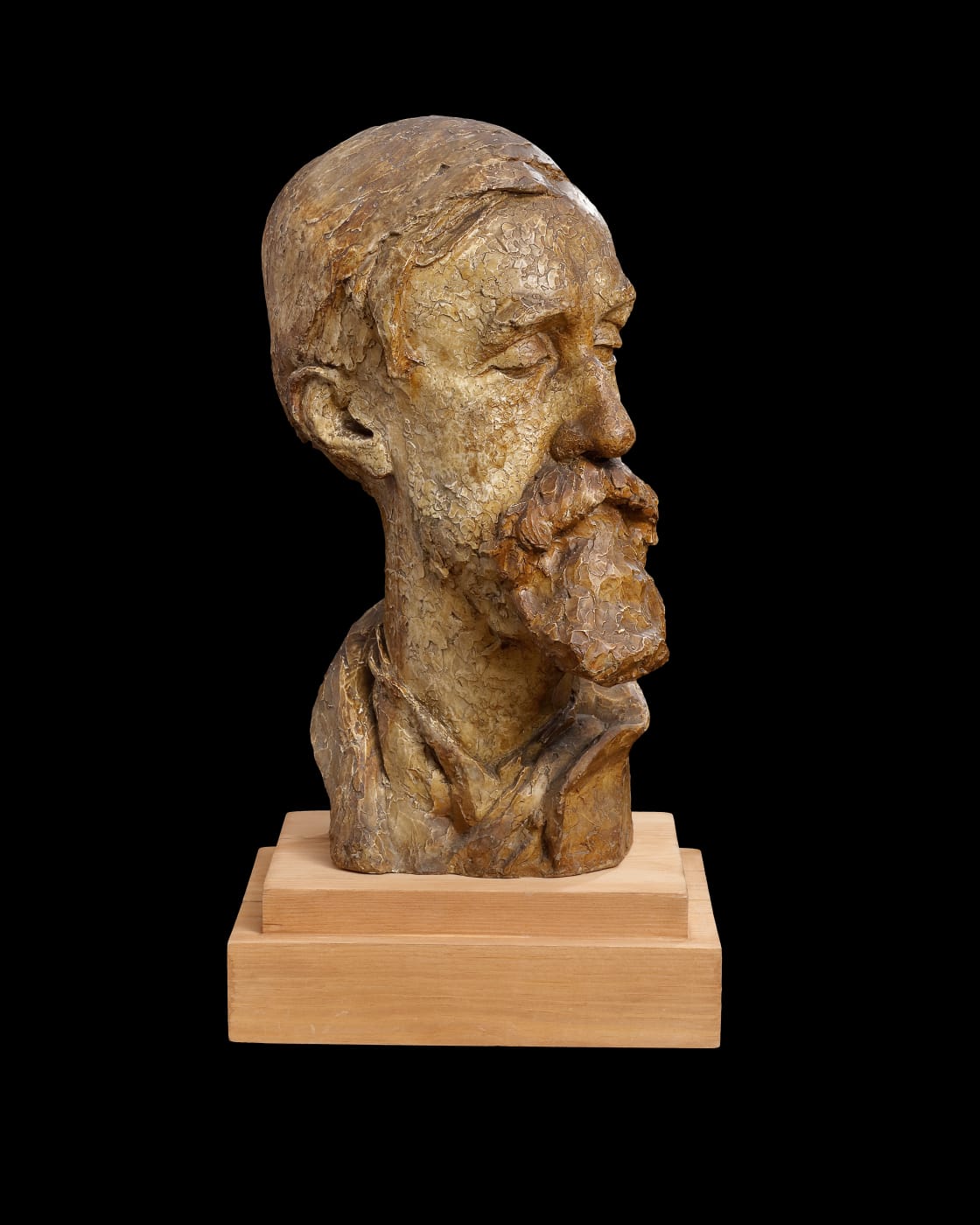
Philip Mould & Co Films (June 2, 2023) – Starting off at Charleston House, where Stephen Tomlin’s friends, lovers, and sitters came together, this exhibition film traces Tomlin’s life and career, revealing the stories behind the artworks on display in ‘Bloomsbury Stud: The Art of Stephen Tomlin’, on view at the Philip Mould Gallery from 5th June until 11th August 2023.
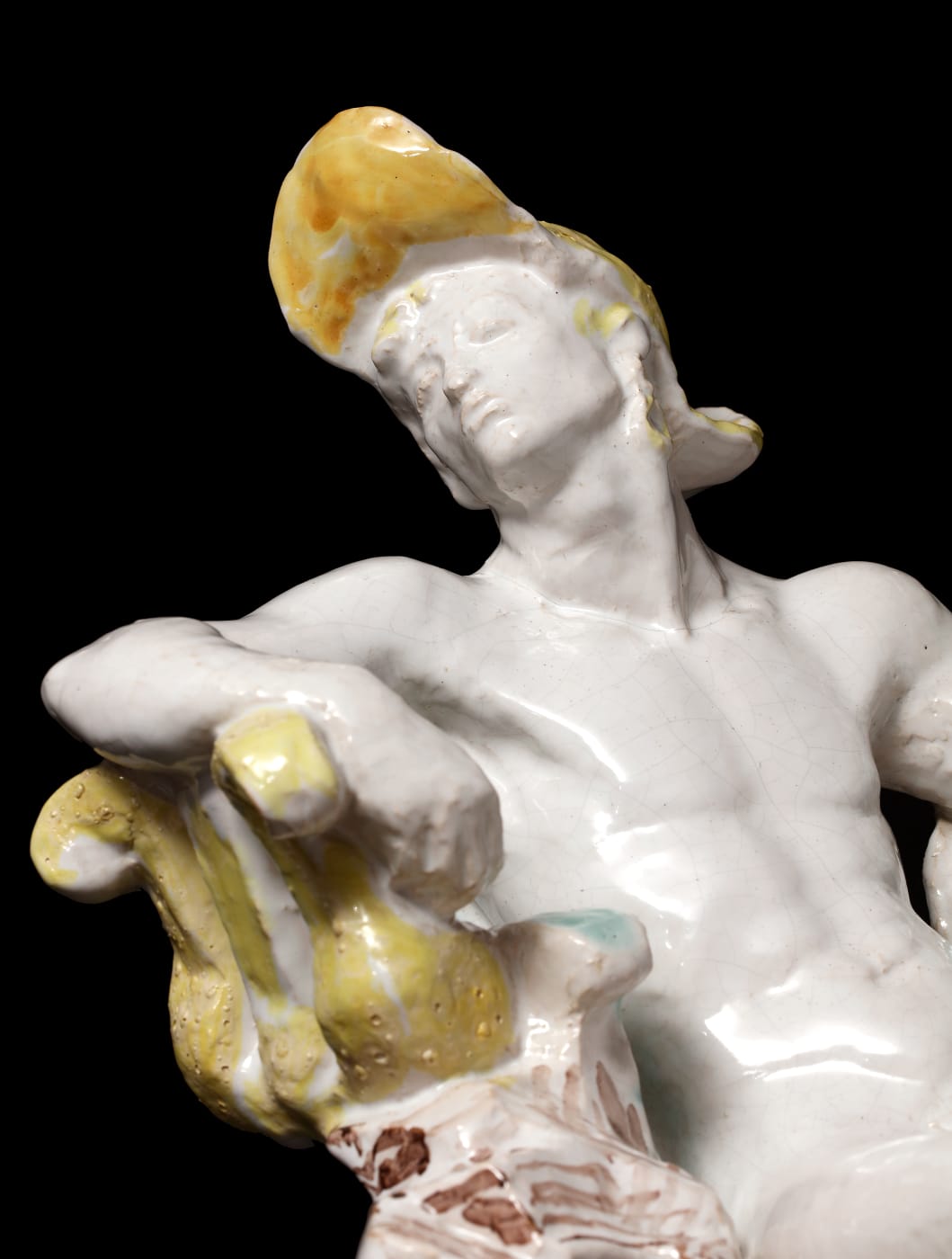
Bloomsbury Stud The Art of Stephen Tomlin


Stephen Tomlin, the Bloomsbury group’s primary sculptor, immortalised the faces of Bloomsbury’s best-known characters, including Duncan Grant, Lytton Strachey and Virginia Woolf. With inexhaustible charisma, disarming good looks and undeniable talent, Tomlin captivated his contemporaries, and references to Stephen ‘Tommy’ Tomlin pepper countless biographies of 20th century figures.

However, until recently, that was where his story remained. Now, this exhibition aims to return Tomlin to the artistic spotlight where he belongs.

Previews: The Economist Magazine – June 3, 2023

Image

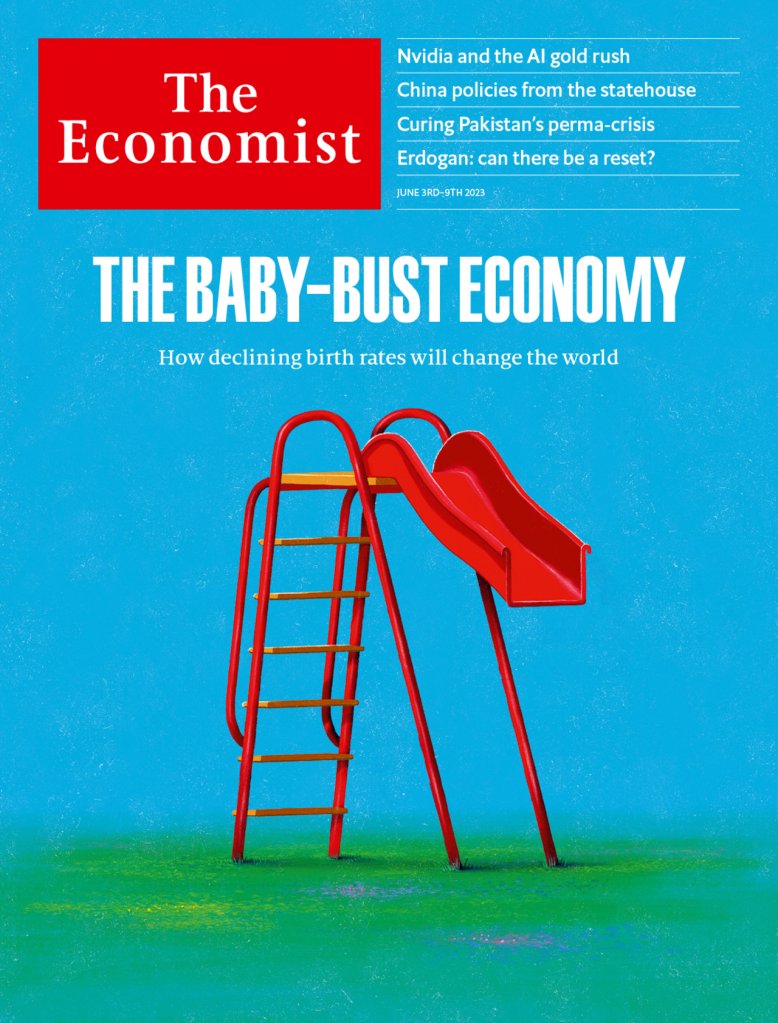
The Economist Magazine– June 3, 2023 issue: The baby-bust economy: How declining birth rates will change the world.

Global fertility has collapsed, with profound economic consequences

What might change the world’s dire demographic trajectory?

In the roughly 250 years since the Industrial Revolution the world’s population, like its wealth, has exploded. Before the end of this century, however, the number of people on the planet could shrink for the first time since the Black Death. The root cause is not a surge in deaths, but a slump in births. Across much of the world the fertility rate, the average number of births per woman, is collapsing. Although the trend may be familiar, its extent and its consequences are not. Even as artificial intelligence (ai) leads to surging optimism in some quarters, the baby bust hangs over the future of the world economy.

How to make the re-election of Recep Tayyip Erdogan less bad news

Turkish President and People's Alliance's presidential candidate Recep Tayyip Erdogan gestures to supporters at the presidential palace, in Ankara, Turkey, Sunday, May 28, 2023. Turkey President Recep Tayyip Erdogan won reelection Sunday, extending his increasingly authoritarian rule into a third decade as the country reels from high inflation and the aftermath of an earthquake that leveled entire cities. (AP Photo/Ali Unal)

There is a chance for a partial reset

It certainly wasn’t fair. Nor was it entirely free. But, like it or not, the victory on May 28th of Recep Tayyip Erdogan in Turkey’s presidential election is a fact. For the next five years Turkey, Europe and the wider world will have to deal with a prickly and authoritarian populist. That is bad news on many fronts: economically, democratically and regionally. And yet pragmatists have a duty to search for chinks of light in the gloom.

It’s not just a fiscal fiasco: greying economies also innovate less

That compounds the problems of shrinking workforces and rising bills for health care and pensions

“Adam is a special child,” says the voice-over, as the camera pans across abandoned classrooms and deserted maternity wards. “He’s the last child born in Italy.” The short film made for Plasmon, an Italian brand of baby food owned by Kraft-Heinz, a giant American firm, is set in 2050. It imagines an Italy where babies are a thing of the past. It is exaggerating for effect, of course, but not by as much as you might imagine. The number of births in Italy peaked at 1m in 1964; by 2050, the un projects, it will have shrunk by almost two-thirds, to 346,000.

Museum Exhibition Tour: ‘Van Gogh’s Cypresses’

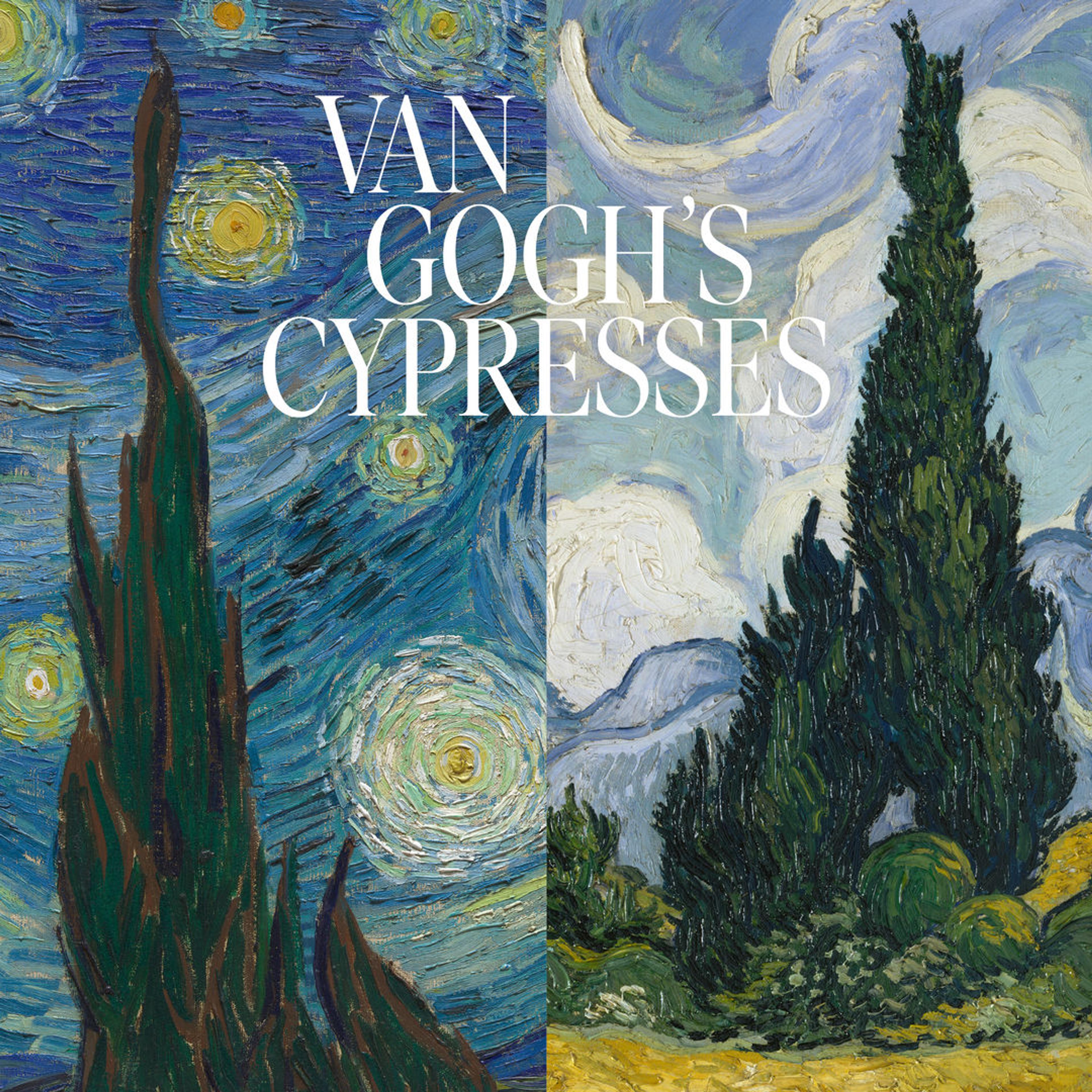
The Metropolitan Museum of Art Join Susan Alyson Stein, Engelhard Curator of Nineteenth-Century European Painting, to virtually explore Van Gogh’s Cypresses, the first exhibition to focus on the trees—among the most famous in the history of art—immortalized in signature images by Vincent van Gogh (1853–1890).

Van Gogh’s Cypresses

May 22nd – August 27th, 2023

Such iconic pictures as Wheat Field with Cypresses and The Starry Night take their place as the centerpiece in a presentation that affords an unprecedented perspective on a motif virtually synonymous with the Dutch artist’s fiercely original power of expression. Some 40 works illuminate the extent of his fascination with the region’s distinctive flamelike evergreens as they successively sparked, fueled, and stoked his imagination over the course of two years in the South of France: from his initial sightings of the “tall and dark” trees in Arles to realizing their full, evocative potential (“as I see them”) at the asylum in Saint-Rémy.

Juxtaposing landmark paintings with precious drawings and illustrated letters—many rarely, if ever, lent or exhibited together—this tightly conceived thematic exhibition offers an extraordinary opportunity to appreciate anew some of Van Gogh’s most celebrated works in a context that reveals the backstory of their invention for the first time.

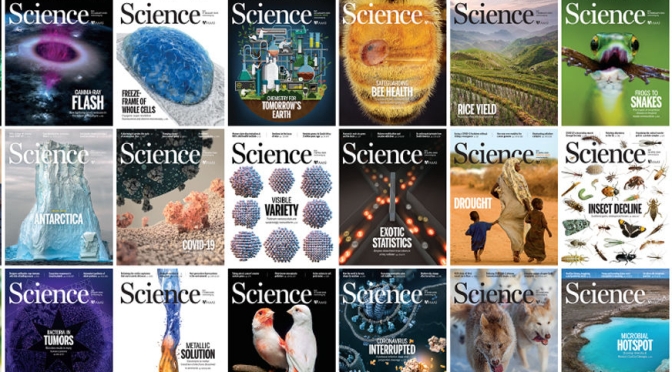
Research Preview: Science Magazine – June 2, 2023

Image

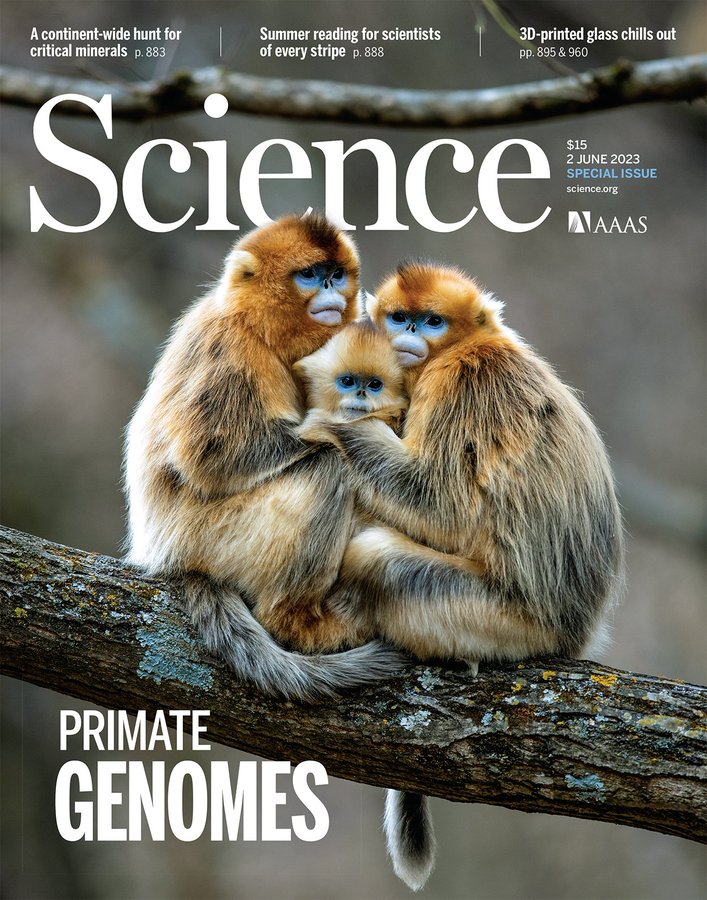
Science Magazine – June 2, 2023 issue: The snub-nosed monkey genus Rhinopithecus comprises five allopatric and morphologically differentiated species, the black-white snub-nosed monkey, the black snub-nosed monkey , the golden snub-nosed monkey, the gray snub-nosed monkey, and the Tonkin snub-nosed monkey. 

Understanding our own order

Humans are primates. If we weren’t able to do things like write poetry and drive cars, we would likely be classified as another species of great ape, along with our closest cousins—chimpanzees, bonobos, gorillas, and orangutans. Thus, understanding the genomes, evolutionary history, sociality, and, some might argue, even ecology of modern primates greatly informs our understanding of ourselves.

A cool path for making glass

Brent Grocholski

Printing glass with additive manufacturing techniques could provide access to new materials and structures for many applications. However, one key limitation to this is the high temperature usually required to cure glass. Bauer et al. used a hybrid organic-inorganic polymer resin as a feedstock material that requires a much lower temperature for curing (see the Perspective by Colombo and Franchin).

A super Sonic circadian synchronizer

Sonic Hedgehog signaling and primary cilia control the core mammalian circadian clock

Virtually all mammalian physiological functions fall under the control of an internal circadian rhythm, or body clock. This circadian rhythm is governed by master neural networks in the hypothalamus that synchronize the activity of peripheral clocks in cells throughout the body.

The New York Review Of Books – June 22, 2023

Image

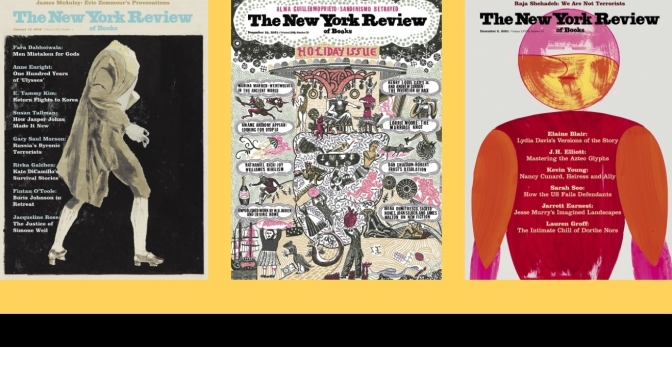
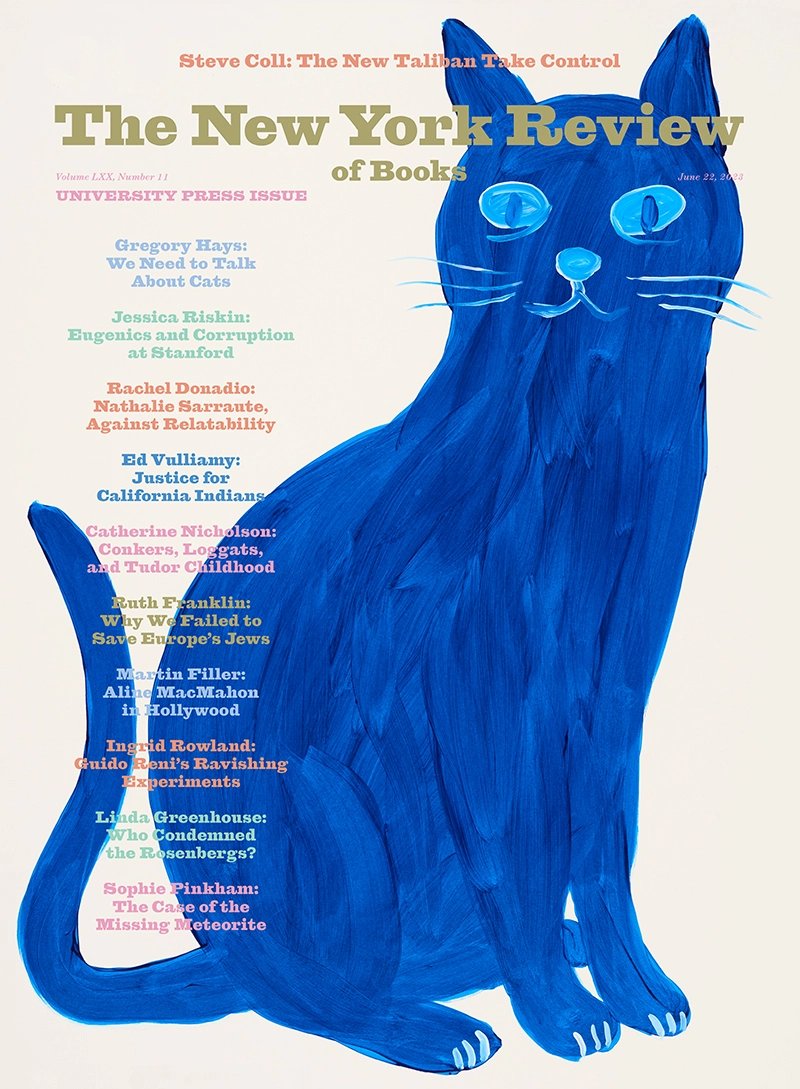
The New York Review of Books – June 22, 2023 issue: Fara Dabhoiwala on the ingenious index, Ingrid D. Rowland on Guido Reni’s questing soul, Rachel Donadio on Nathalie Sarraute’s sensual eviscerations, Steve Coll on the Taliban’s second emirate, Jessica Riskin on the poisoning of Jane Stanford, Ruth Franklin on Ken Burns’s The US and the Holocaust, Gary Saul Morson on Tolstoy’s conversion, Ed Vulliamy on the Native Americans of California, Linda Greenhouse on judging the Rosenbergs, Gregory Hays on our feline friends, poems by Shane McCrae and Fernando Pessoa, and much more.

Life Is Short. Indexes Are Necessary.

By Fara Dabhoiwala

Index, A History of the: A Bookish Adventure from Medieval Manuscripts to the Digital Age by Dennis Duncan

In his new history of the index, Dennis Duncan traces its evolution through the constantly changing character of reading itself.

In 1941 an ambitious Philadelphia pediatrician, the wonderfully named Waldo Emerson Nelson, became the editor of America’s leading textbook of pediatrics. For the next half-century the compilation of successive editions of this large volume advanced his career, consumed his weekends, and encroached heavily on his domestic life. 

Who Are the Taliban Now?

By Steve Coll

Taliban members walking past a mural on the former US embassy, Kabul

The Return of the Taliban: Afghanistan After the Americans Left by Hassan Abbas

Hassan Abbas’s book surveys the second Islamic Emirate’s ideology and leading personalities and probes its internal tensions.

Nearly two years after the Taliban’s return to power in Kabul, the UN refers to the regime only as “the de facto authorities,” to avoid any hint of formal recognition of the Islamic Emirate of Afghanistan, as the Taliban call their government. By any name, the Taliban today control Afghanistan’s territory, as well as federal ministries and local administrations. They also preside over a nation in severe crisis. Food insecurity haunts at least half of the population; a country shattered by more than four decades of war again faces the shadow of famine.

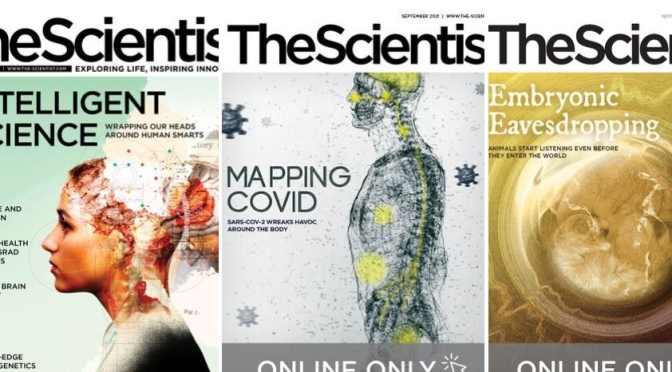
Research: The Scientist Magazine – Summer 2023

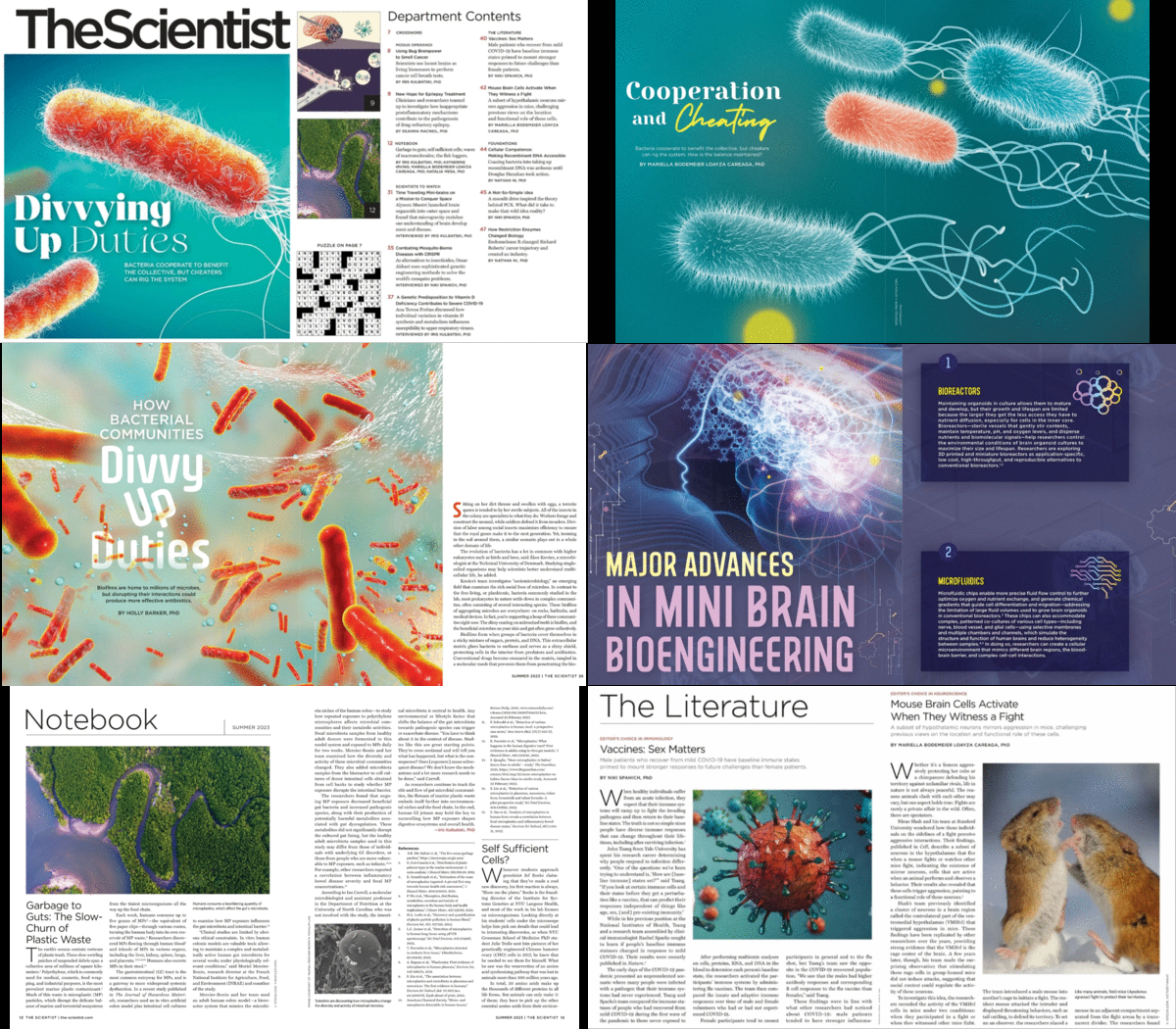
The Scientist Magazine (June 1, 2023) – The Summer Issue features bacteria cooperating to benefit the collective, but cheaters can rig the system and biofilms are home to millions of microbes, but disrupting their interactions could produce more effective antibiotics.

Cooperation and Cheating

Pseudomonas Aeruginosa

Bacteria cooperate to benefit the collective, but cheaters can rig the system. How is the balance maintained?


People often recognize social behaviors in complex organisms such as insects, nonhuman primates, and humans. But Megan Frederickson, an ecologist and evolutionary biologist at the University of Toronto, is interested in a different, microscopic social community: bacteria. “Cooperation is everywhere,” she said. “Cells cooperate in multicellular organisms; individuals cooperate in societies; and different species cooperate… Why would it not be the case that microbes cooperate with each other?” 

New Insight into Brain Inflammation Inspires New Hope for Epilepsy Treatment 

Clinicians and researchers teamed up to investigate how inappropriate proinflammatory mechanisms contribute to the pathogenesis of drug-refractory epilepsy.

3D image of a neuron cell network with a red glow representing inflammation.

Doctors treat epilepsy with anticonvulsants to control seizures, but some patients do not respond to these first-line therapies. For patients with drug-refractory epilepsy (DRE) whose seizures persist after treatment with two or more anticonvulsants, clinicians must surgically remove part of the brain tissue to cure the disease.