
February 3, 2023: The presidents of the European Commission and European Council, Ursula von der Leyen and Charles Michel, meet with President Volodymyr Zelensky in Kyiv.
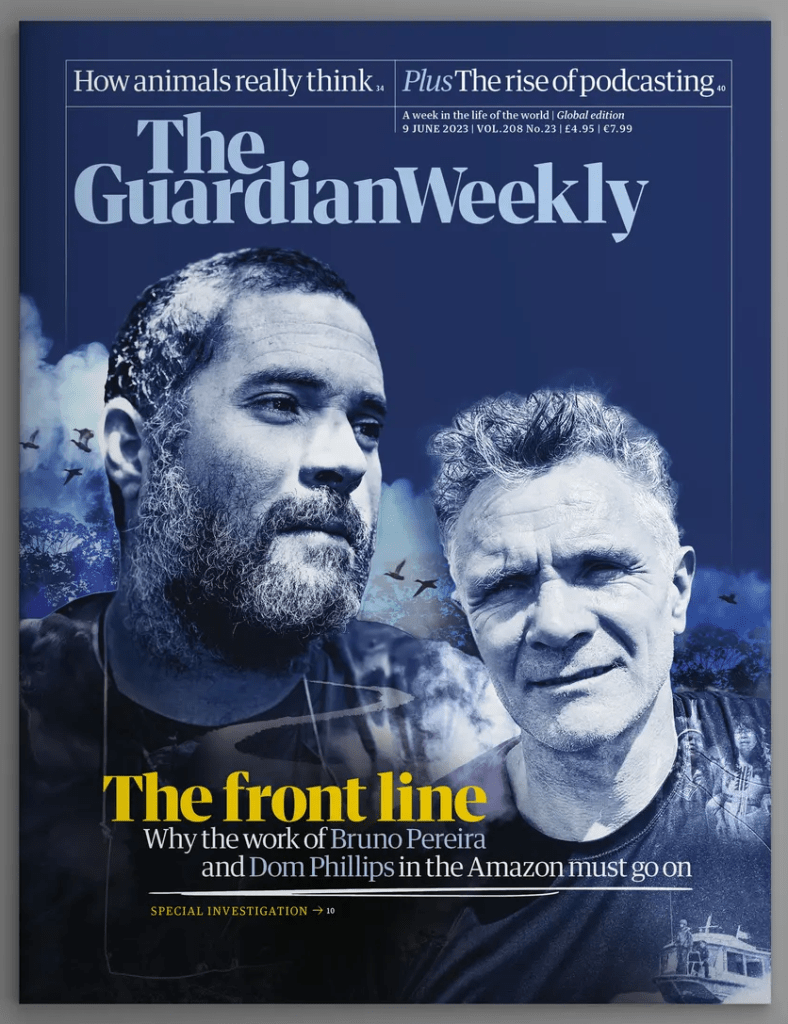
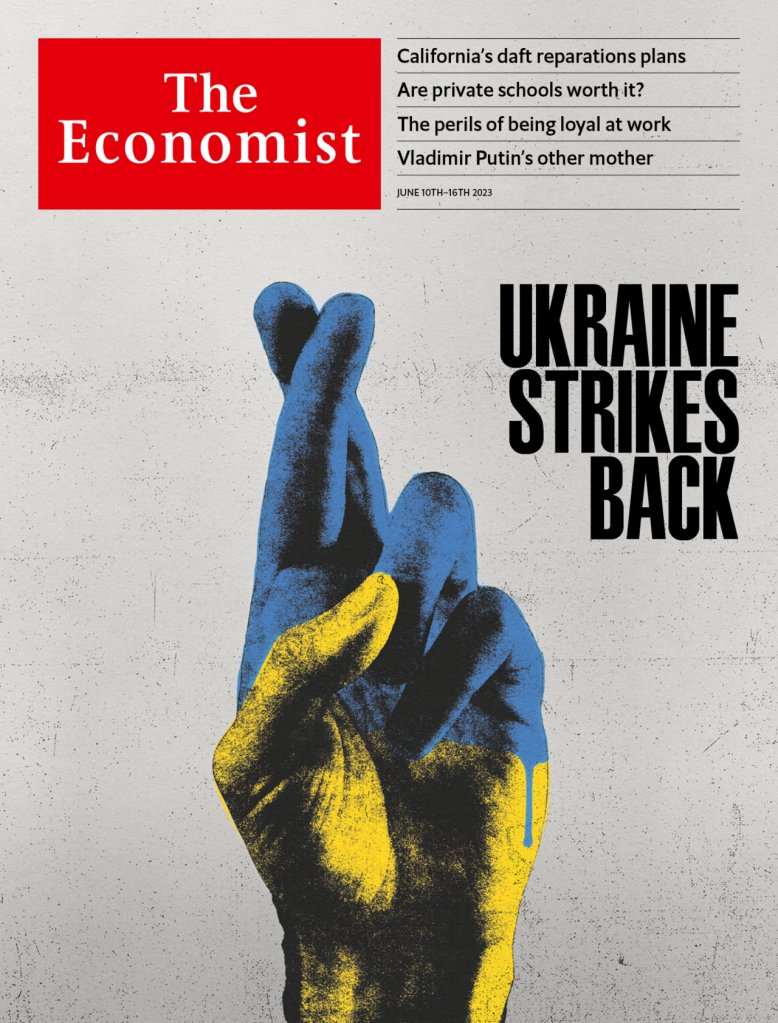
The Guardian Weekly (February 3, 2023) – In the trenches of eastern Ukraine, much of the conflict with Russia has been frozen for several months now. But, as the northern winter moves on, that could be about to change. The initial invasion has been followed by a period of attrition, and a third phase of the war now appears imminent.
Military activity along parts of the front is increasing and it is assumed that, sooner or later, one side will try to break the deadlock. The question, as Julian Borger writes this week for the Guardian Weekly magazine’s big story, is who will strike first and where?
As Julian explains, it is likely to be “an all-out battle for decisive advantage using combined arms … to overcome fixed positions. Europe has witnessed nothing of its sort since the second world war.”
That’s not to say there aren’t signs of anxiety among Ukraine’s regional allies, though. Germany’s decision last week to send its Leopard tanks to Ukraine may yet prove critical in the coming battle, but as German journalist Jan-Philipp Hein points out, Berlin’s military support for Kyiv remains far from wholehearted.
In the UK, the sacking of Nadhim Zahawias Tory chairman over an undeclared tax dispute while he was the chancellor (and thus in charge of tax collection) kept the pressure on prime minister Rishi Sunak, political editor Pippa Crerar reports; while in Opinion, Nesrine Malik says the episode reveals much about Britain’s networks of power and influence.
February 2, 2023: A look ahead to the EU-Ukraine summit. Plus: Belgium’s crackdown on Russian diamonds, the return of the ball season in Vienna, a flick through today’s papers and the latest from Copenhagen Fashion Week.
Finland’s Nato dilemma: will the country go it alone without Sweden? Plus: the blockade of the disputed Nagorno-Karabakh region, Italy’s ‘silver tsunami’ and what does the 2022 Corruption Perceptions Index reveal about the state of the world?
January 31, 2023: Monocle’s US Editor, Christopher Lord, joins us from Seattle as Boeing delivers the last 747 that it will ever build. Plus: how did New Zealand set the inflation target rate for the world? And what can we learn from Barnes & Noble’s expansion plans?
DW News – 75 years ago today, Mahatma Gandhi, who led the campaign for India’s independence, was assassinated in Delhi. The former lawyer is often called the “Father of the Nation” and credited with leading a non-violent struggle for independence from British rule.
Gandhi wanted an independent, peaceful India that protected religious freedom. But that was challenged by growing Muslim and Hindu nationalism. In 1947, India gained independence from the British, but at the cost of Partition – Muslim majority Pakistan and Hindu majority but secular India, came into being. Religous riots followed and Gandhi went on hunger strike to oppose the violence.
On January 30th, 1948, he was assassinated by a Hindu nationalist who believed Gandhi had been too accommodating to Muslims during the Partition. Around a million people turned out for his funeral. That was in 1948. But the India of 2023 is rather different. Hindu nationalism has been emboldened by Prime Minister Narendra Modi – leaving Gandhi’s legacy in tatters, as DW Correspondent Manira Chaudhary finds out.
US slaps sanctions on a Chinese company for allegedly supplying satellite images to the Wagner Group. Plus: Russia’s shifting focus after Western powers promise tanks for Ukraine, and Nato chief Jens Stoltenberg visits South Korea and Japan.