What can a travel writer learn from staying at home? Anne McElvoy asks the prolific travel author Paul Theroux about the virtues of being homebound during the pandemic.
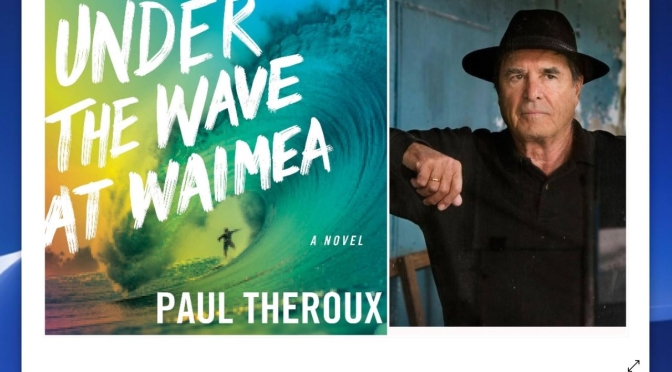
The author of “Under the Wave at Waimea” reveals that his friend and one-time foe V.S. Naipaul inspired a character in his new book about big-wave surfing in Hawaii. Also, verbal fencing with his sons Louis and Marcel and his ultimate travel destination.
President Joe Biden is following through on a campaign promise to implement common sense gun laws. He is expected to introduce regulations for certain types of firearms and accessories.
COVID-19 deaths are surging in Brazil, yet President Jair Bolsonaro refuses to lockdown the country. And, Derek Chauvin’s defense is trying to make the case that George Floyd’s death had less to do with use of force and more to do with his opioid addiction and underlying health concerns.
Lawmakers are beginning to dig in to President Biden’s $2 trillion infrastructure proposal while Democrats consider going it alone. More testimony from experts in use of force as the murder trial of former Minneapolis Officer Derek Chauvin continues.
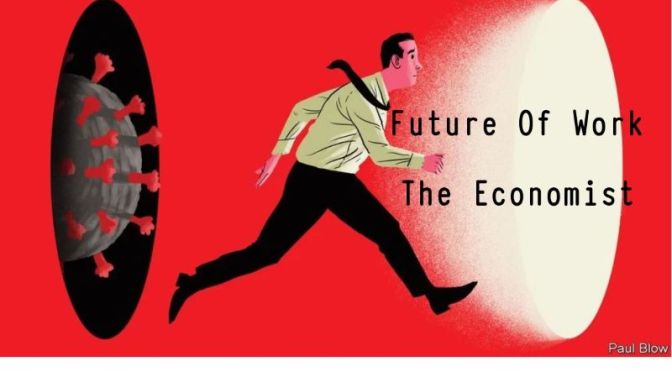
The pandemic has fuelled an explosion of unemployment and a transformation in how many people work, especially in richer countries. Many of these changes are promising and there are many reasons for optimism about the labour market.
Also, the prospects for working from home and MIT labour economist David Autor on the effect of covid-19 on automation. Simon Long hosts
Pressure on the king’s half-brother may represent a mere family feud, but Prince Hamzah’s complaints resonate with the country’s people. We ask what will happen next.
Study the fast-growing list of India’s billionaires: who has joined it and who has left are signs of the country’s shifting economy. And an indigenous group’s tall order in Vancouver’s property market.
The weekend’s biggest discussion topics. With Tyler Brûlé, Andrew Tuck, Gillian Dobias, Emma Nelson and Sophie Grove. Plus, Chandra Kurt’s wine tips for Easter.
Georgina Godwin sets the tone for the weekend with the day’s biggest news stories, a look at the newspapers, and our editor in chief Andrew Tuck’s column.
Podcast Producer Meagan Cantwell talks with Pamela Soltis, a professor and curator with the Florida Museum of Natural History at the University of Florida and the director of the University of Florida Biodiversity Institute, about how natural collections at museums can be a valuable resource for understanding future disease outbreaks.
Read the National Academies of Sciences, Engineering, and Medicine report Biological Collections: Ensuring Critical Research and Education for the 21st Century. This segment is part of our coverage of the 2021 AAAS Annual Meeting.
Also on this week’s show, Katharina Schmack, a research associate at Cold Spring Harbor Laboratory, joins producer Joel Goldberg to talk about giving mice a quiz that makes them hallucinate. Observing the mice in this state helps researchers make connections between dopamine, hallucinations, and mental illness.
From a sore arm to anaphylaxis, a wide range of adverse events have been reported after people have received a COVID-19 vaccine. And yet it is unclear how many of these events are actually caused by the vaccine. In the vast majority of cases, reactions are mild and can be explained by the body’s own immune response.
But monitoring systems designed to track adverse events are catching much rarer but more serious events. Now scientists need to work out if they are causally liked to the vaccine, or are just statistical anomalies – and that is not an easy task.News: Why is it so hard to investigate the rare side effects of COVID vaccines?Subscribe to Nature Briefing, an unmissable daily round-up of science news, opinion and analysis free in your inbox every weekday.
News, Views and Reviews For The Intellectually Curious





 Boomers Daily