
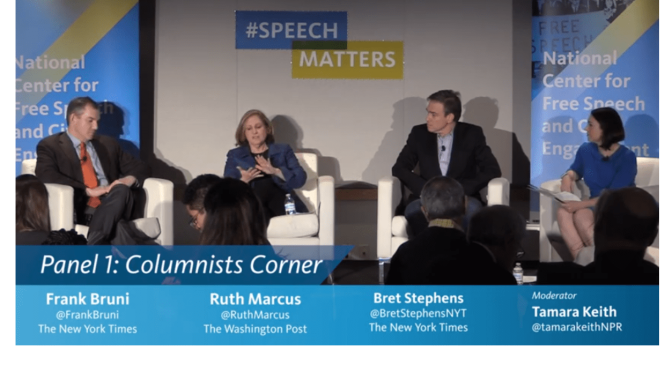
What does our evolving view of the First Amendment mean for America, our democracy and our future generations? The New York Times’ Frank Bruni and Bret Stephens, Ruth Marcus of the Washington Post, and NPR’s Tamara Keith explored cutting-edge questions about free speech, public discourse and the role of the First Amendment in today’s society.
The UC National Center for Free Speech and Civic Engagement’s inaugural #SpeechMatters conference brought together leading national experts to engage on today’s most pressing issues related to free speech on campus, the internet and beyond.
Learn more about the event at: freespeechcenter.universityofcalifornia.edu/speech-matters
 In this episode of the podcast, Nature reporter Davide Castelvecchi joins us to talk about the big science events to look out for in 2020. We’ll hear about multiple missions to Mars, a prototype electric car, efforts to prevent dengue, and more.
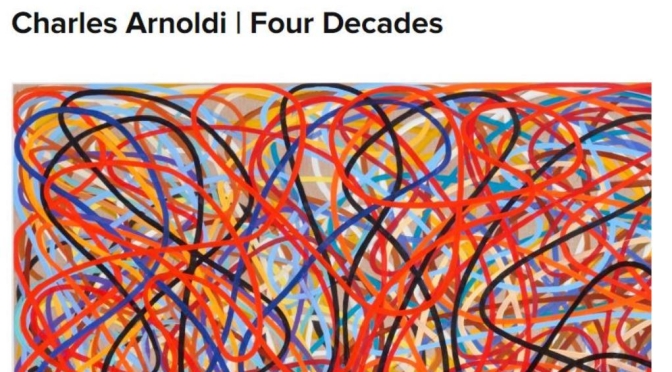
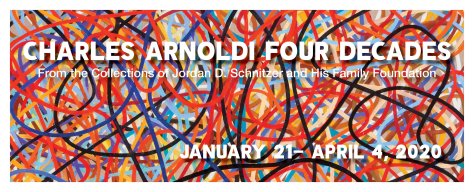
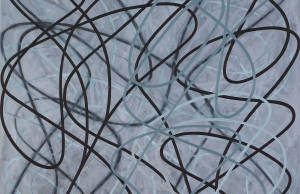 of the artist’s expansive and materials-focused practice from the 1970s to the present.
 Charles Arnoldi was a young man from Dayton, Ohio who had seen little of the world when he arrived in Southern California in the mid 1960s. Following stints at a local community college and Chouinard Art Institute, Arnoldi won LACMA’s New or Young Talent Award in 1969 and thus began his ever-evolving career which continues to this day in his sprawling Venice studio.

 David Remnick has appeared as the guest of Terry Gross on “Fresh Air” a number of times over the years, talking about Russia, Muhammad Ali, and other subjects. Hosting “Fresh Air” for nearly forty-five years, Gross is a defining voice of NPR, and is perhaps the most celebrated interviewer of our time.

 Boomers Daily