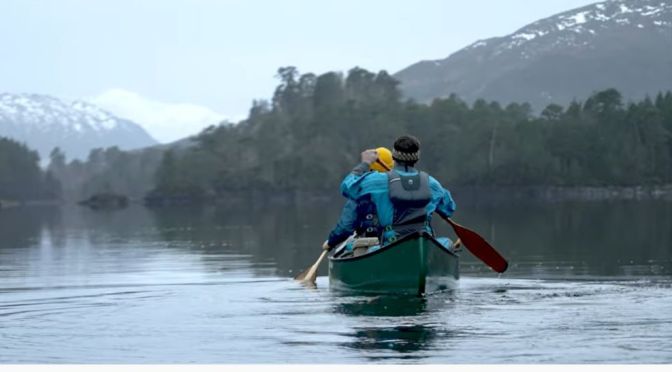
In February 2022, the British Isles were hit by three consecutive storms, some of the strongest seen in decades. In the days before the storms arrived, we decided to change the plan for our canoeing expedition whilst we were already on our way to Scotland. Instead of paddling the exposed lochs along the west coast, we opted for a more sheltered location. A glen tucked away right in the heart of the highlands. This film showcases the highlights of our journey.
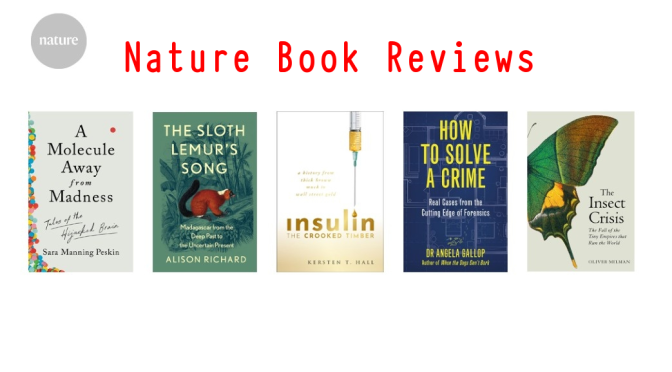
When Charles Darwin’s cousin, Francis Galton, coined the word eugenics in 1883, he called it the study of the conditions under which “men of a high type are produced”. This gross idea led to the gates of Auschwitz, reminds broadcaster Adam Rutherford (an alumnus of the Galton Laboratory, former name of University College London’s human‑genetics centre). It hasn’t gone away, he explains in his timely salvo on the politics and history of notions that dog genetics, events up to and after the ‘CRISPR twins’ and the resurgence of white supremacy.
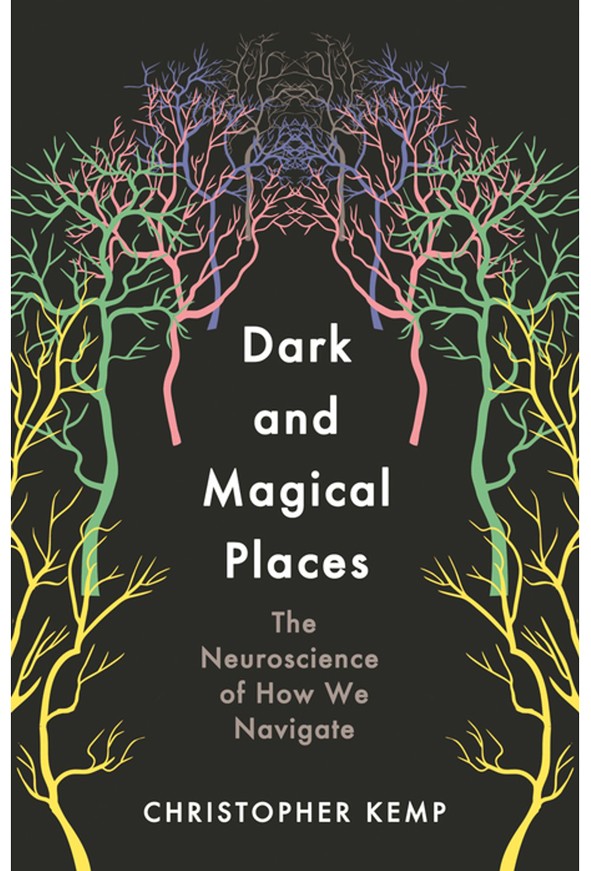
Dark and Magical Places
Christopher Kemp Profile/Wellcome Collection (2022)
“I have no sense of direction,” confesses molecular biologist Christopher Kemp — unlike his wife, “an effortless and intuitive navigator”. Once, in a mirror maze, he was transfixed with alarm, and had to be pulled out by his seven-year-old son. Many others experience similar disorientation, sometimes with disastrous results, as when hikers get lost. Their stories vitalize this compelling study of the brain, memory and navigation, in which one psychologist compares our understanding of parts of the brain with knowledge of black holes.
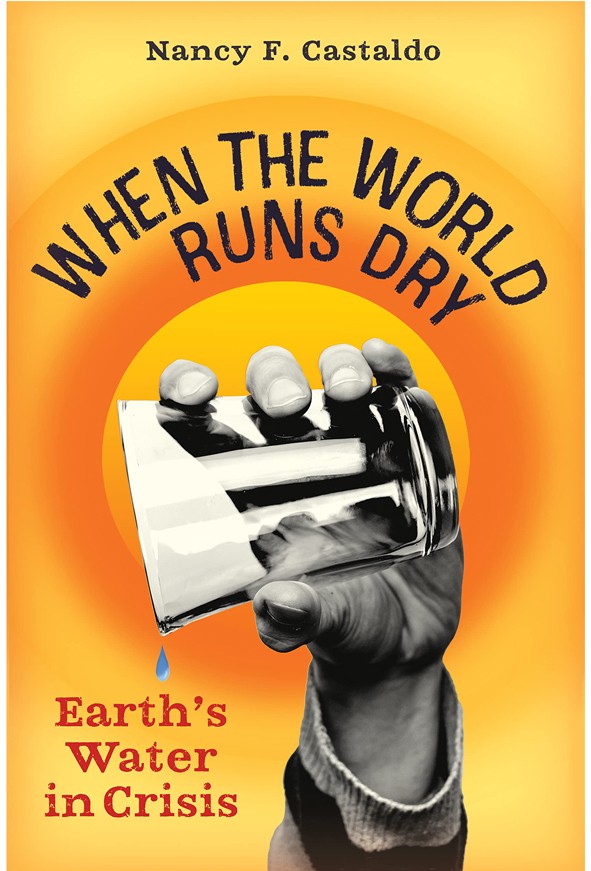
When the World Runs Dry
Nancy F. Castaldo Algonquin (2022)
Globally, millions of people must walk up to 6 kilometres daily to get clean water, says environmental writer Nancy Castaldo. Moreover, each year, more children die as a result of water contamination than from violence, including war, said the United Nations in 2019. Castaldo’s alarming book discusses many examples of shortages and tainting, ranging from drought in Cape Town, South Africa, to lead pollution in Flint, Michigan. She concludes with realistic steps to reduce domestic consumption and contamination.
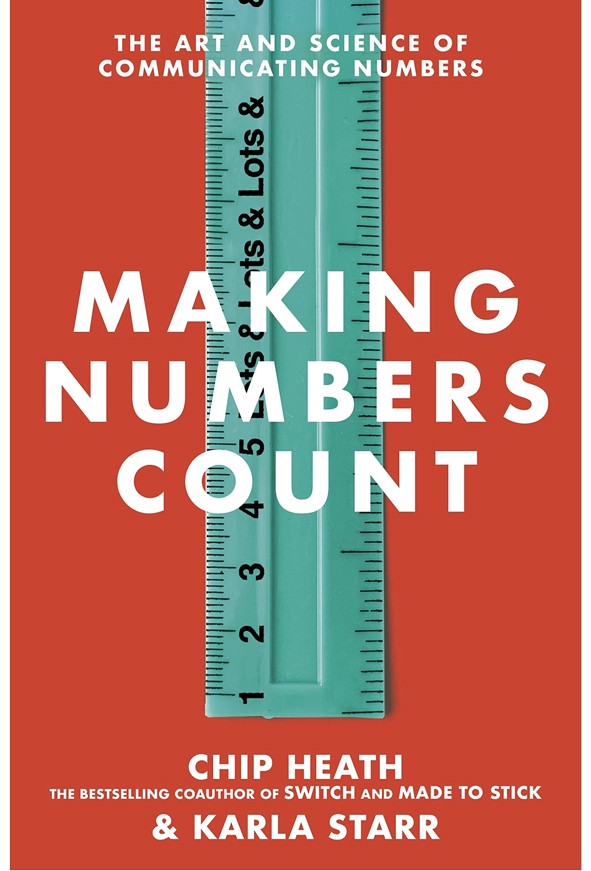
Making Numbers Count
Chip Heath and Karla Starr Avid Reader (2022)
Business scholar Chip Heath and science journalist Karla Starr are familiar with the need to “translate numbers into instinctive human experience”, informatively and memorably. Unable to find a book on the subject, they decided to write their own. Their diverse guide bubbles with translated statistics. For example, there are about 400 million civilian-owned firearms in the United States — that translates into one for every adult and child, with around 70 million left over.
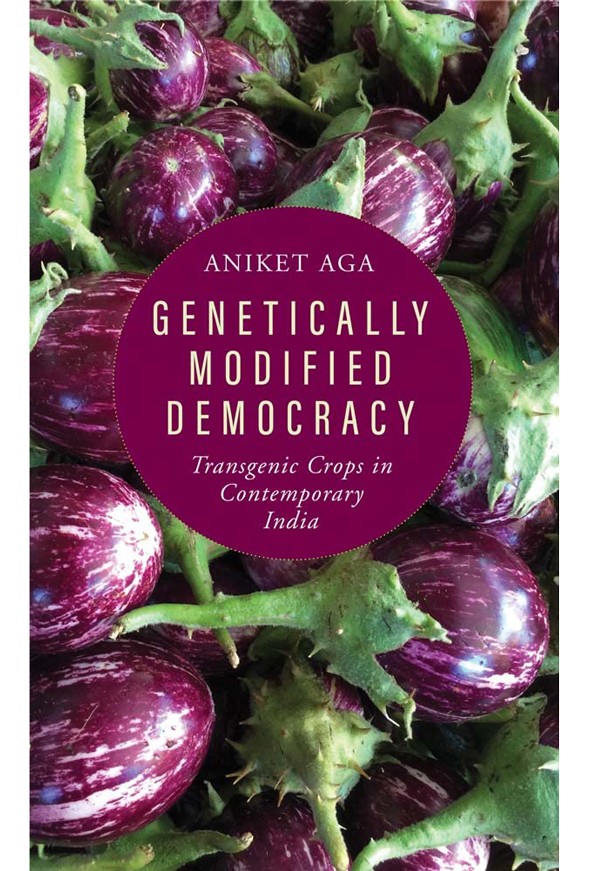
Genetically Modified Democracy
Aniket Aga Yale Univ. Press (2021)
India’s 1960s Green Revolution began without much deliberation. The government promoted high-yielding varieties of wheat and rice, and guaranteed purchase prices. This helped “already well-off, landed farmers”, notes environmentalist Aniket Aga, but led to huge debts for the struggling majority. When genetically modified crops reached India in 2002, they cultivated much more scrutiny, involving scientists, seed companies, farmers, consumers and the state. Aga describes the debate, without claiming to provid
Seattle, a city on Puget Sound in the Pacific Northwest, is surrounded by water, mountains and evergreen forests, and contains thousands of acres of parkland. Washington State’s largest city, it’s home to a large tech industry, with Microsoft and Amazon headquartered in its metropolitan area. The futuristic Space Needle, a 1962 World’s Fair legacy, is its most iconic landmark.
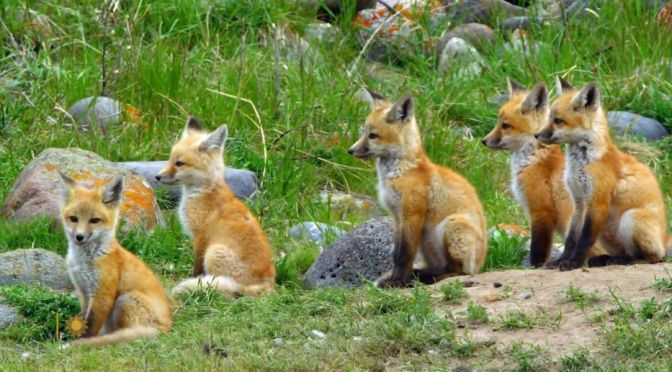
“Sunday Morning” shows us a vixen with her paws full, in Paradise Valley, Montana. Videographer: Judith Lehmberg.
Red fox are found throughout Montana. They can make their home while following their food source. Foxes use their nose to find prey, and then quickly pounce, much like a house cat. Spotting a red fox in Montana is never difficult if you look carefully?just keep a close watch for the bushy tail.
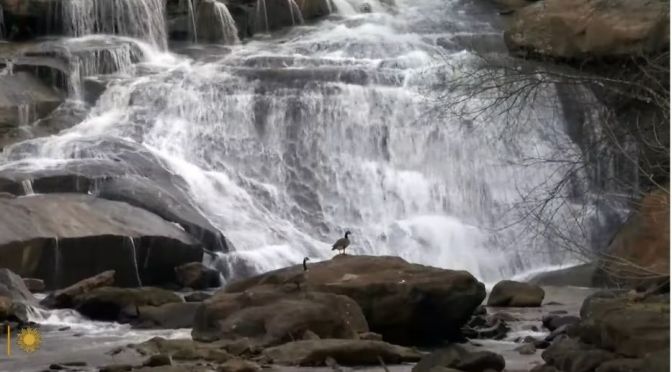
“Sunday Morning” takes us under waterfalls on the Reedy River near Greenville, South Carolina. Videographer: Kevin Kjergaard.
The Reedy River is a tributary of the Saluda River, about 65 miles long, in northwestern South Carolina in the United States. Via the Saluda and Congaree rivers, it is part of the watershed of the Santee River, which flows to the Atlantic Ocean.
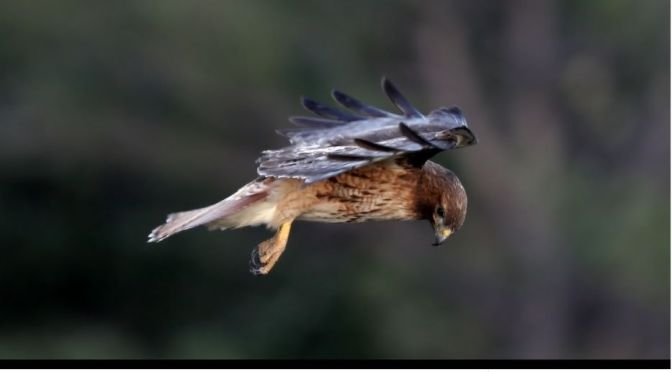
The National Audubon Society announced the winners of their 2021 Audubon Photography Awards. Bill Bryant’s video of a Hovering Red-Tailed Hawk won First Place in their first-ever video award.
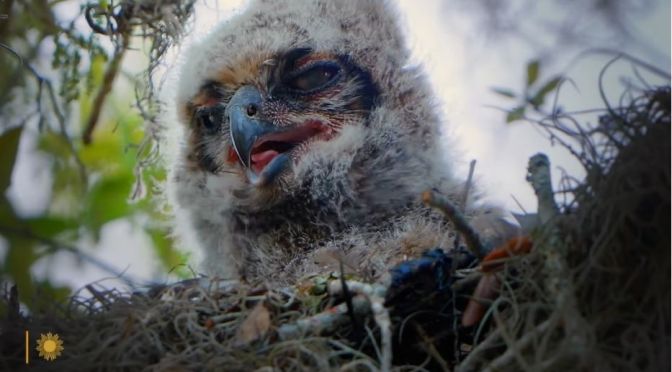
“Sunday Morning” takes us to Titusville, Florida, where a great horned owl chick is being cared for by Mom and Dad. Videographer: Doug Jensen.
Great horned owls are usually 18 – 25 inches tall, have tall ear tufts, and large yellow eyes. Their size, ear tufts, and eyes make them easily recognizable when seen during daylight hours.
They are found throughout Florida and roost in large, messy nests, in tall trees. The female is larger than the male, but the male has a larger and deeper voice box.
“Sunday Morning” takes us to Dauphin Island off the Gulf coast of Alabama. Videographer: Scot Miller.
Dauphin Island is a town in Alabama, on the Gulf Coast island of the same name. It’s known for stretches of white sand, like Public Beach. At the entrance to Mobile Bay, 19th-century Fort Gaines features original cannons and a blacksmith shop. Migrating birds can be seen in the forest, dunes and swamp of the Audubon Bird Sanctuary. The Dauphin Island Sea Lab’s Estuarium offers aquariums and a living marsh boardwalk.
News, Views and Reviews For The Intellectually Curious



 Boomers Daily