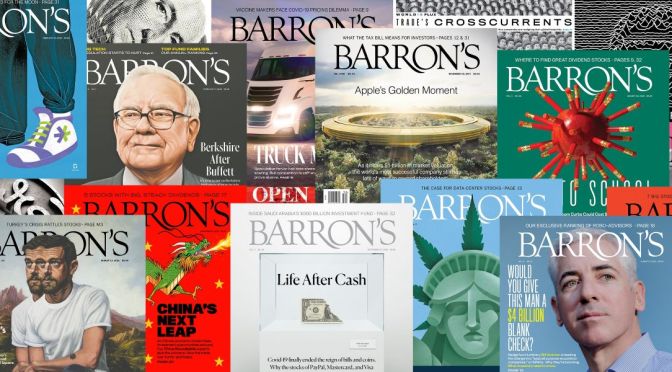
What to Buy Right Now: 42 Picks From Our Roundtable Pros
Panelists are split on where the economy and markets are headed, but agree this year’s selloff has left plenty of bargains.

Panelists are split on where the economy and markets are headed, but agree this year’s selloff has left plenty of bargains.
By Emily Temple – Lithub, July 14, 2022, 9:01am
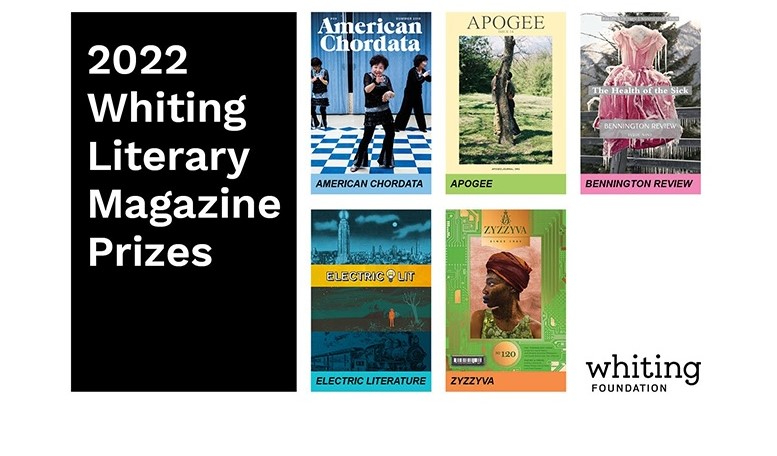
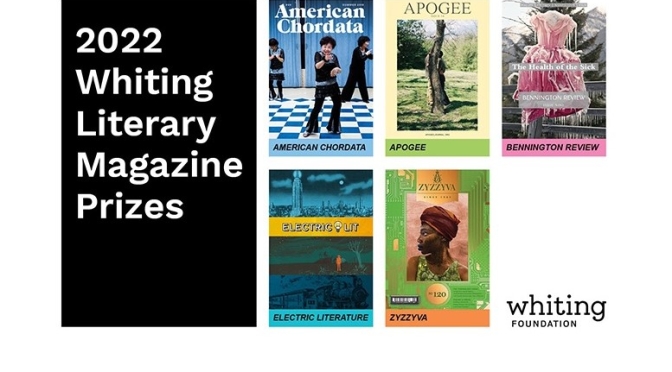
Today, the Whiting Foundation announced the winners of its 2022 Literary Magazine Prizes, which honor “the most innovative and essential publications at the forefront of American literary culture.” The five winners were chosen—from an initial pool of more than eighty applicants —based on their “excellence in publishing, advocacy for writers, and a unique contribution to the strength of the overall literary community.”
“This prize was designed to create cohorts capable of tackling shared challenges with mettle and imagination, and it’s thrilling to picture the conversations that these terrifically varied magazines will have,” said Courtney Hodell, director of literary programs, in a statement. “We look forward to learning with and from them.”
The 2022 print winners are:
ZYZZYVA (San Francisco, CA), a stalwart West Coast publication with national reach, an exquisitely curated reading experience, and top-notch design.
Medium-Budget Print Prize Winner ($150,000–$500,000 budget)
Total prize: $60,000
Bennington Review (Bennington, VT), a relaunch of an eminent university publication—a visually stunning journal with an imaginative and sophisticated vision that offers hands-on experience to the next generation of editors.
Small-Budget Print Prize Winner (under $150,000 budget)
Total prize: $30,000
American Chordata (Brooklyn, NY), a budding independent magazine full of thought-provoking interplay between text and visual art—a careful assemblage of young writers and artists alongside recognized talents.
Print Development Grantee (under $50,000 budget)
Total prize: $15,000
And the 2022 digital winners are:
Apogee Journal (New York, NY), an incubator for multicultural writers with a finger on the pulse of the literary landscape and an established reputation for publishing stellar up-and-comers.
Digital Prize Winner (under $500,000 budget)
Total prize: $19,500
Electric Literature (Brooklyn, NY), a buzzing concourse for news and ideas publishing compelling essays, short stories with insightful context, and incisive critical coverage of the literary world.
Digital Prize Winner (under $500,000 budget)
Total prize: $19,500
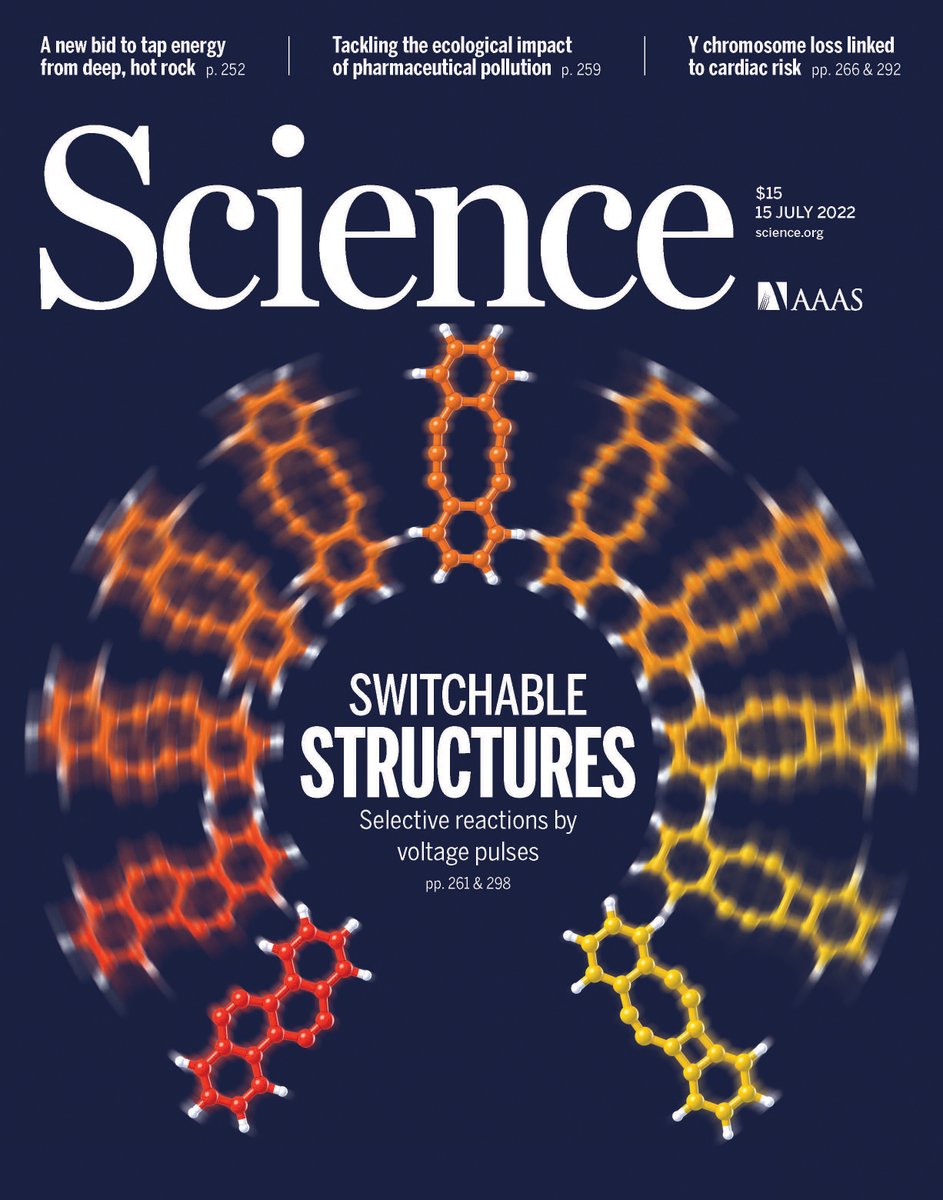
COVER: Voltage pulses from the tip of a scanning probe microscope induce single-molecule chemical reactions with selectivity and reversibility. Different constitutional isomers (distinguished here in shades of red, orange, and yellow) are selected by the polarity and magnitude of the voltage pulse. The findings advance the understanding of tip-induced chemistry and reduction-oxidation reactions in general. See pages 261 and 298.
Check out what’s new this week in Science: https://fcld.ly/uc4b5kh
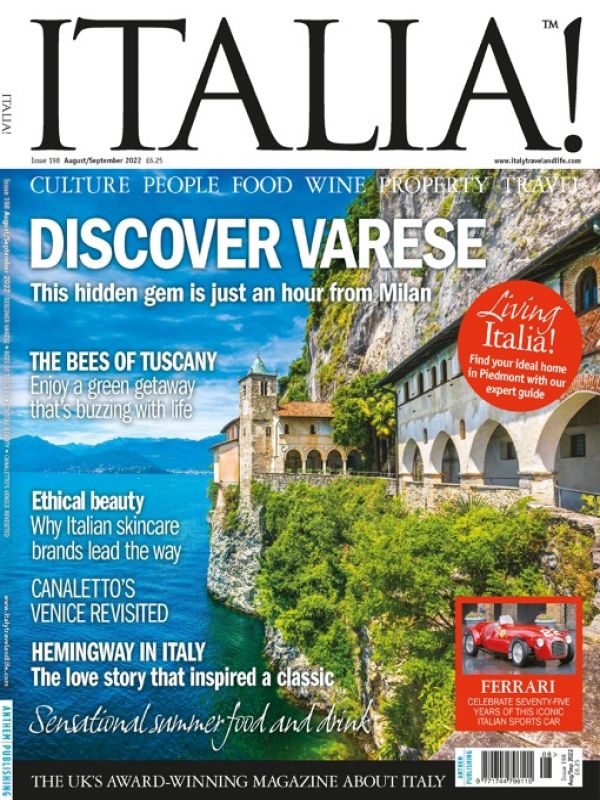
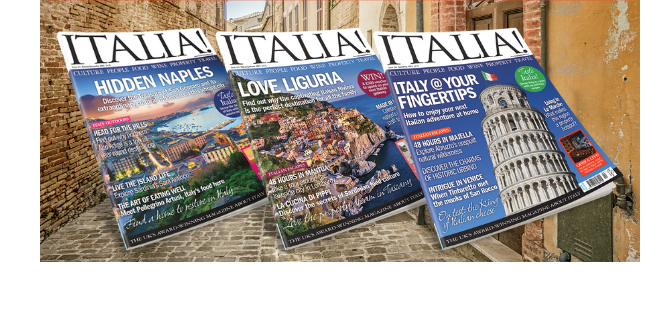
Italy is so liberally sprinkled with castles, it’s difficult to choose just a few favourites. From solid medieval stone affairs to elegant 19th-century palaces, the nation has a dizzyingly diverse collection of castelli, many of which offer a palpable sense of their region’s unique history and culture. In this feature, however, we’ve risen to the challenge and combed the country to bring you a smattering of the very best castles to visit today (and a few that you can stay in!). Today these fortifications offer wide-ranging reasons to stop by, so whether you fancy soaking up the atmosphere and views, basking in the cultural heritage or enjoying produce from the local vines, one of these places is certain to enhance your next trip to Italy. And if you really love Italian castles, turn the page for options that are available to buy, so you can live the dream like true royalty.

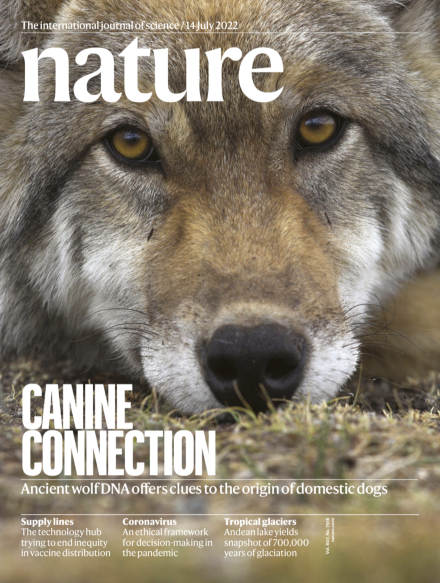
Nature Magazine – July 14, 2022 Issue
Although the domestic dog can trace its origins to the grey wolf (Canis lupus), exactly when, where and how domestication happened has remained a source of debate. In this week’s issue, Anders Bergström, Pontus Skoglund and their colleagues, take a step towards resolving this question. The researchers analysed the genomes of 72 ancient wolves from across Europe, Siberia and North America, and spanning the past 100,000 years. They found that dogs are most closely related to ancient wolves from eastern Eurasia but that dogs in the Near East and Africa derive
up to half their ancestry from a distinct population related to modern southwest Eurasian wolves. Although none of the genomes analysed was a direct match for either dog ancestry, the researchers say that it has narrowed down where next to look for the ancestors of domestic dogs.

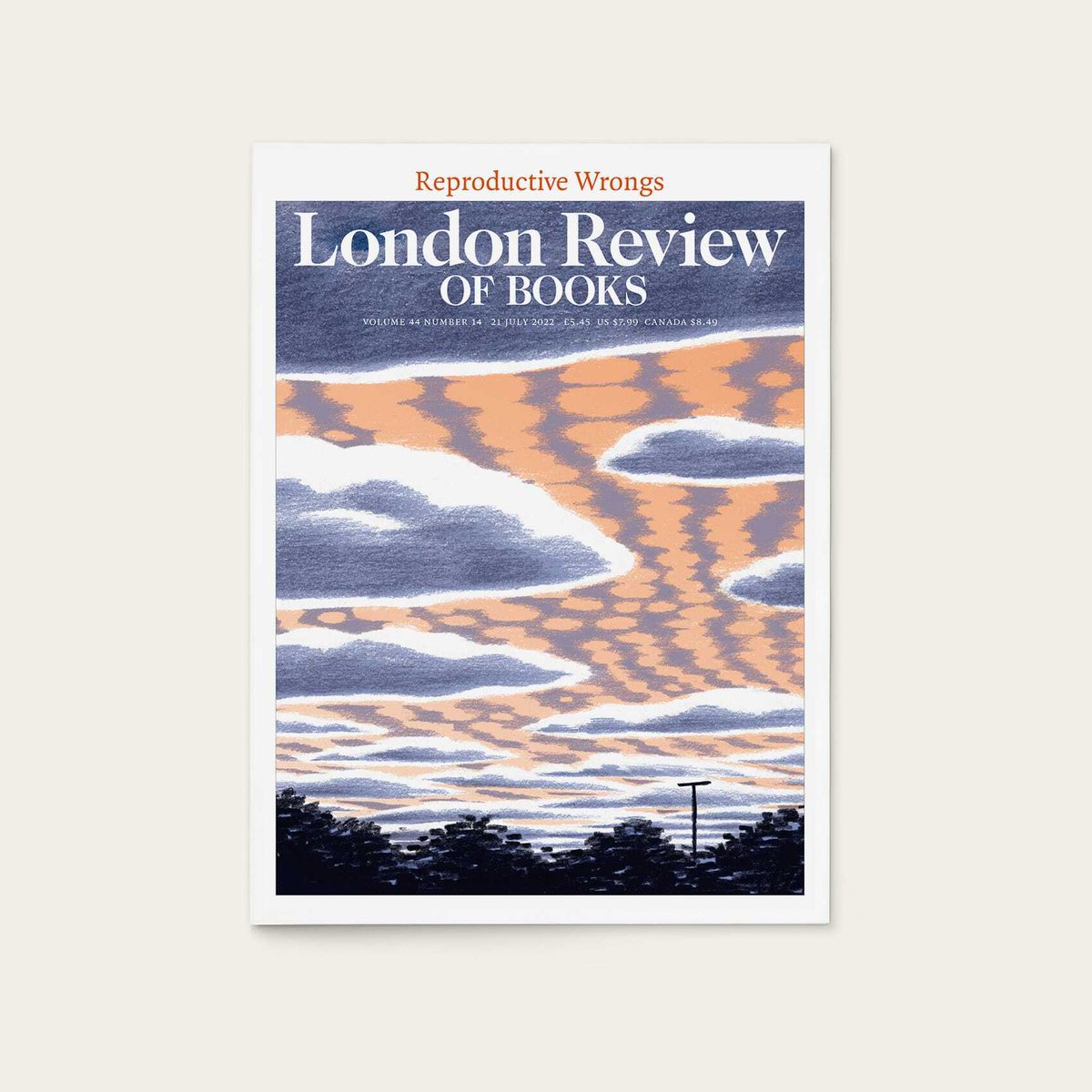
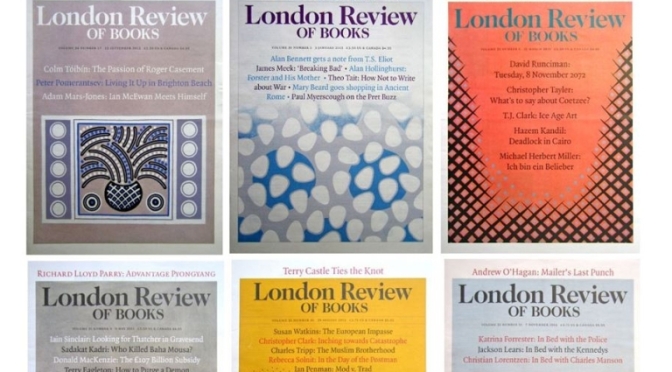
Our new issue is now online, featuring 29 responses to the overturning of Roe v. Wade, Barbara Newman on medieval sanctuary, @moonjets on Shelley, Mimi Jiang on the end of Shanghai’s lockdown and @mmschwartz on the Bataclan verdict. https://lrb.co.uk
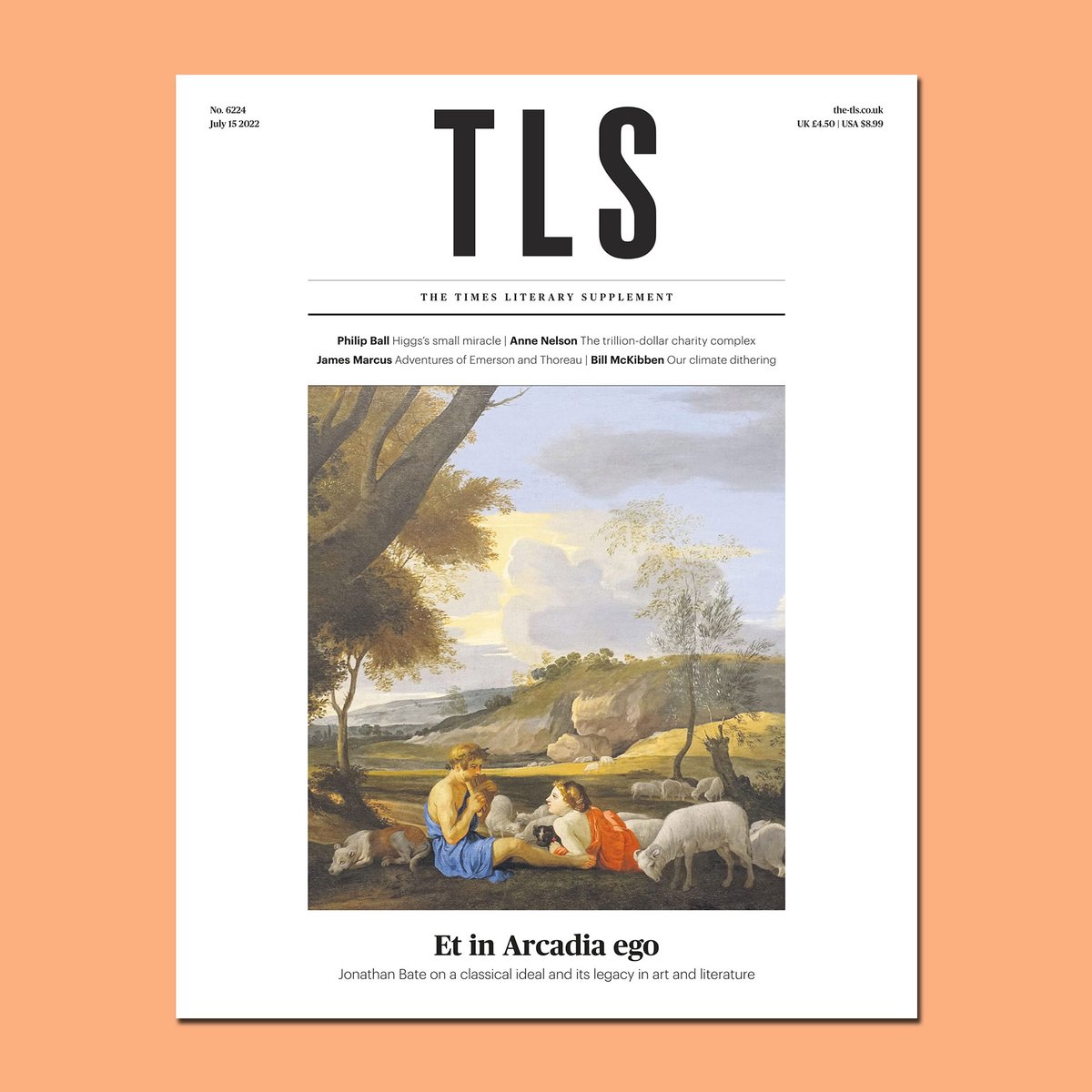
This week’s TLS, featuring @profbate on Arcadia in art and literature; @philipcball on Peter Higgs; @anelsona on philanthropy and inequality; @billmckibben on our climate turning point; @jamesamarcus on Emerson and Thoreau; @ScurrRuth on open-air painting – and more.

President Biden revealed the NASA telescope’s image of ancient galaxies whose light has been traveling 13 billion years to reach us.

In this issue, Kim Tingley on the quest to make the most of our body clocks with “circadian medicine”; Virginia Eubanks on her partner’s PTSD and her struggle as a caregiver; Mark Binelli on Yuval Sharon, the most visionary opera director of his generation; Jake Bittle on the restaurateur who changed America’s energy industry; and more.


 Boomers Daily
