“We are learning that tactics to avoid dementia begin early and continue throughout life, so it’s never too early or too late to take action,” says commission member and AAIC presenter Lon Schneider, MD, co-director of the USC Alzheimer Disease Research Center‘s clinical core and professor of psychiatry and the behavioral sciences and neurology at the Keck School of Medicine of USC.
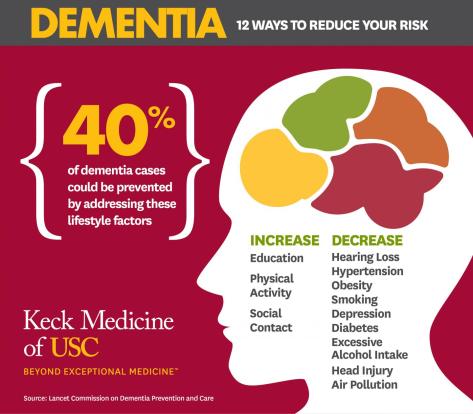
LOS ANGELES — Modifying 12 risk factors over a lifetime could delay or prevent 40% of dementia cases, according to an updated report by the Lancet Commission on dementia prevention, intervention and care presented at the Alzheimer’s Association International Conference (AAIC 2020).
Twenty-eight world-leading dementia experts added three new risk factors in the new report — excessive alcohol intake and head injury in mid-life and air pollution in later life. These are in addition to nine factors previously identified by the commission in 2017: less education early in life; mid-life hearing loss, hypertension and obesity; and smoking, depression, social isolation, physical inactivity and diabetes later in life (65 and up).
Schneider and commission members recommend that policymakers and individuals adopt the following interventions:
- Aim to maintain systolic blood pressure of 130 mm Hg or less from the age of 40.
- Encourage use of hearing aids for hearing loss and reduce hearing loss by protecting ears from high noise levels.
- Reduce exposure to air pollution and second-hand tobacco smoke.
- Prevent head injury (particularly by targeting high-risk occupations).
- Limit alcohol intake to no more than 21 units per week (one unit of alcohol equals 10 ml or 8 g pure alcohol).
- Stop smoking and support others to stop smoking.
- Provide all children with primary and secondary education.
- Lead an active life into mid-life and possibly later life.
- Reduce obesity and the linked condition of diabetes.
Website




 NPR News Now reports on tracking hospital data on Covid-19, continuing protests in Portland, and other top news stories.
 The Best Hospitals Honor Roll highlights 20 hospitals that excel across most or all types of care evaluated by U.S. News. Hospitals received points if they were nationally ranked in the 16 specialties – the more specialties and the higher their rank, the more points they got – and if they were rated high performing in any of the 10 procedures and conditions. The top point-scorers made the Honor Roll.

 The Republicans have reached a deal on coronavirus relief, but it could mean much less unemployment money for Americans. Can they convince Democrats? Major League Baseball is already postponing games due to COVID-19 infections. And do we need another lockdown to beat COVID-19?
 Coffee and tea have been consumed for hundreds of years and have become an important part of cultural traditions and social life.
 This week, lawmakers in Capitol Hill are trying to piece together the next stimulus package as many benefits like unemployment insurance and forgiving evictions expire. Democrats and Republicans both agree that a new bill is necessary but there’s been a lot of back and forth about the specifics. And they’re running out of time.
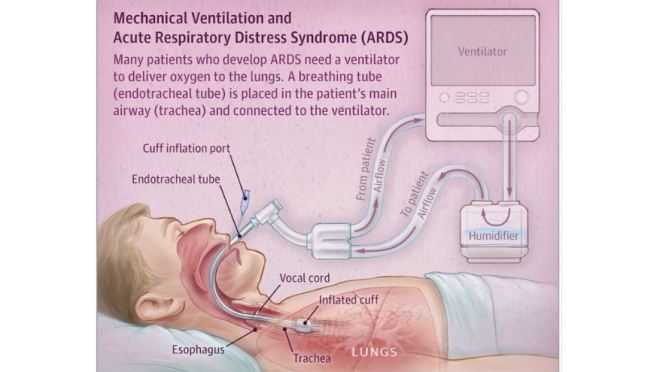
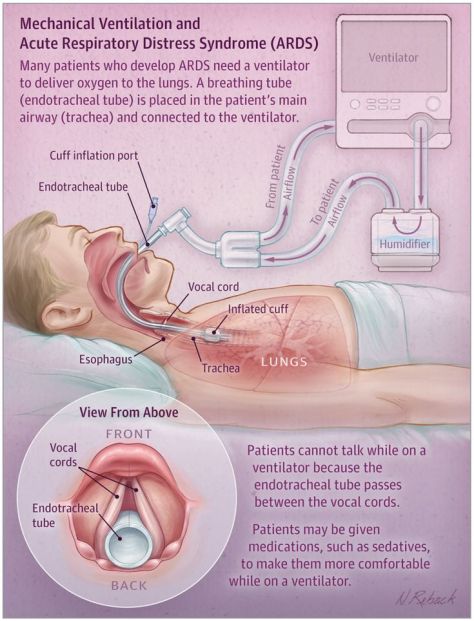
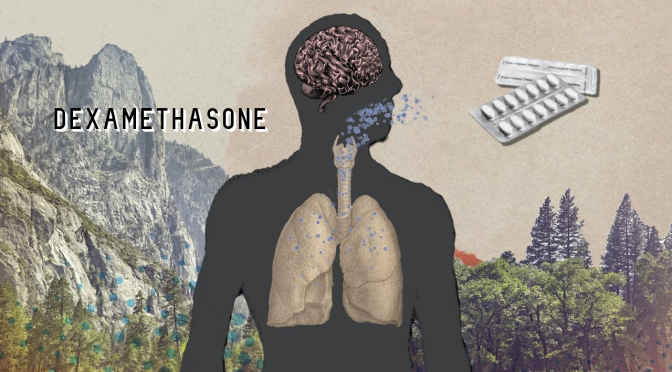
 Dexamethasone, a steroid that appears promising for COVID-19 patients, has a long and storied history in medicine. We talk with experts about its many uses, and explore how it might save lives in this pandemic. Writer, Reporter, Editor, Narrator: Sara Reardon Animator: Donald Pearsall
 Boomers Daily