

90 years ago today, Maie Bartlett Heard, curator Allie Walling BraMé along with a small group of friends and volunteers spent Christmas Day making final preparations for the opening of the Heard Museum. The next day, December 26, 1929, the Heard Museum began our now nine decade long and ongoing legacy of advancing American Indian Art.
This short video poem written, recorded and edited by longtime artist and friend of the Heard Museum, Steven J. Yazzie (Diné) is our very sincere thank you to you.
Heard Museum 90th Celebration Poem, December 2019

“Home” By Steven J. Yazzie (Diné)
Voiced by: Jenn Henry
Music: Better Now, Phillip Daniel Zach
Why do we come here to these walls painted shades of off white
In search of beauty
or memory
or place
Where the sounds of children can be heard echoing in these vast
and intimate spaces
And where everyone has just arrived here from a journey
What brings us to the feet of stone
or textile
or dried paint
In the galleries of our hearts and truths
Our histories are revealed
and our humanity ensured
This place of my youth and older age
This place of beauty
stewardship
and celebration
Is home
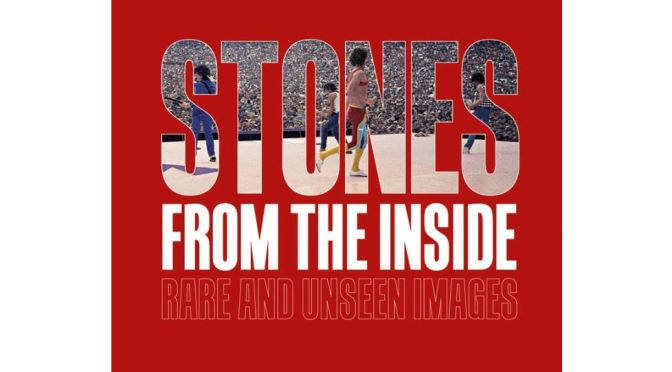
 Along with the images of the band at work and play, Wyman includes remarkable images of those along for the ride, from John Lennon, Eric Clapton, David Bowie and Iggy Pop to John Belushi and Dan Aykroyd. To accompany his photographs, Wyman offers up wonderful insights, anecdotes and behind-the-photo stories, giving all us a front-row seat and backstage pass to what it was like to be there, as music history was made as a member of The Rolling Stones.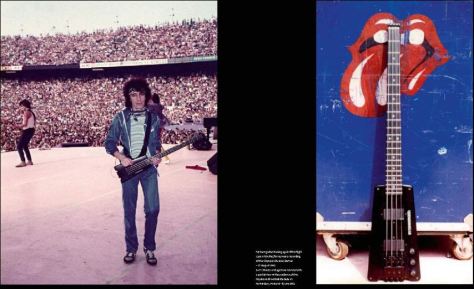
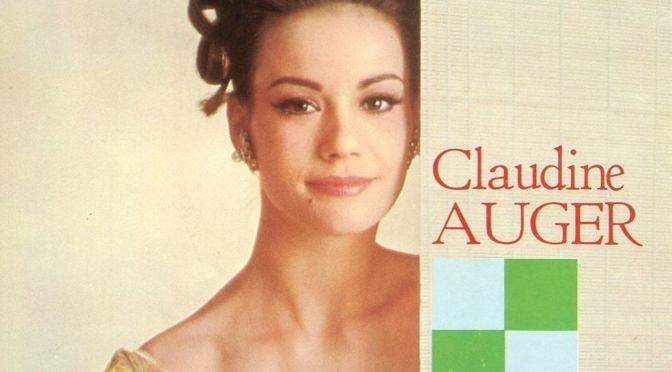
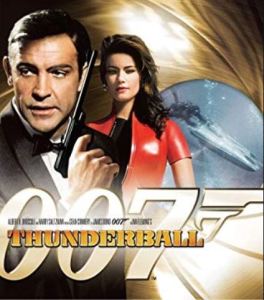 The film’s trailer introduced Auger as: “Young. Beautiful. Trapped. Could be dangerous”.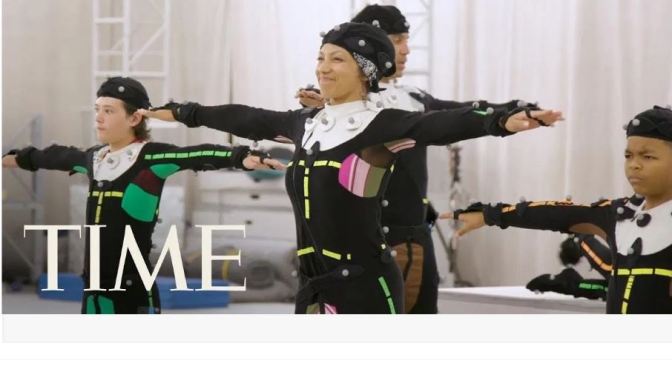
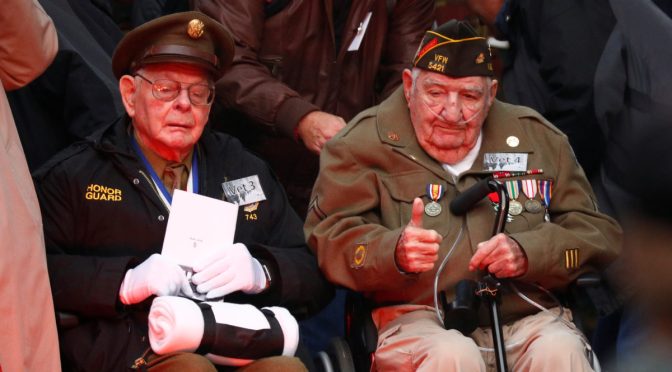
 Today, Monday December 16, marks 75 years since the beginning of one of World War II’s most savage battles. In December 1944, the Nazi army surprised U.S. and Allied forces in the frozen forests of Belgium. Badly outnumbered, the U.S. lost 10,000 soldiers amid frigid conditions in the war’s deadliest conflict. John Yang reports on the commemoration of what became known as the Battle of the Bulge.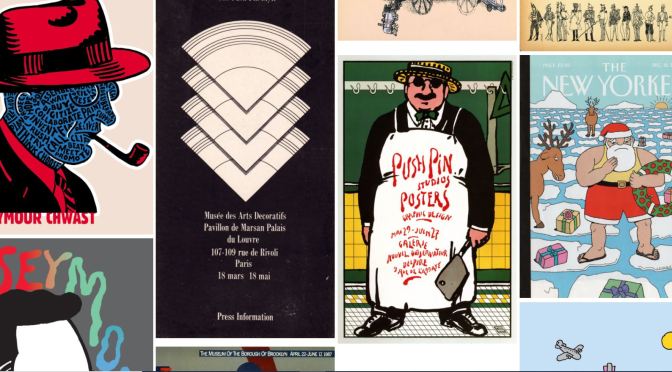
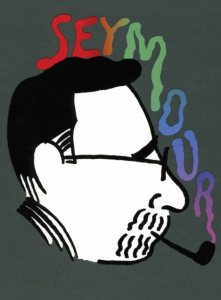 Seymour’s art was postmodern long before the term was coined. Yet it was resolutely modern in its rejection of the nostalgic and romantic representation, as in the acolytes of Norman Rockwell, that had been popular in mainstream advertising magazines at the time. Instead of prosaic or melodramatic tableau, Seymour emphasized clever concept. What makes the very best of his art so arresting, and so identifiable, is the tenacity of his ideas—simple, complex, rational, and even absurd ideas.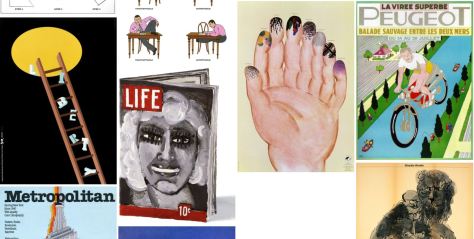

 Boomers Daily