

South Sea pearls are the largest cultured-pearl variety, sometimes reaching over 20 millimeters in diameter. The Pinctada maxima oyster can take up to five years to produce a single South Sea pearl, whereas more common freshwater oysters can take as little as three months and create dozens of pearls. This long cultivation process makes South Sea pearls rarer — and more expensive. A single South Sea pearl can cost $1,500, and a necklace can reach over $200,000. So, how are these pearls grown? And what makes them so expensive?
Category Archives: Business

World Economic Forum: Top Stories Of The Week
This week’s top stories of the week include: 0:16 This teenager’s invention could change the world of electric cars 02:59 France is paying it’s drivers to get on their bikes 04:22 The psychological phenomenon that is hampering our response to climate change 05:33 Paris’s Riverside Booksellers are thriving once more
The World Economic Forum is the International Organization for Public-Private Cooperation. The Forum engages the foremost political, business, cultural and other leaders of society to shape global, regional and industry agendas. We believe that progress happens by bringing together people from all walks of life who have the drive and the influence to make positive change.
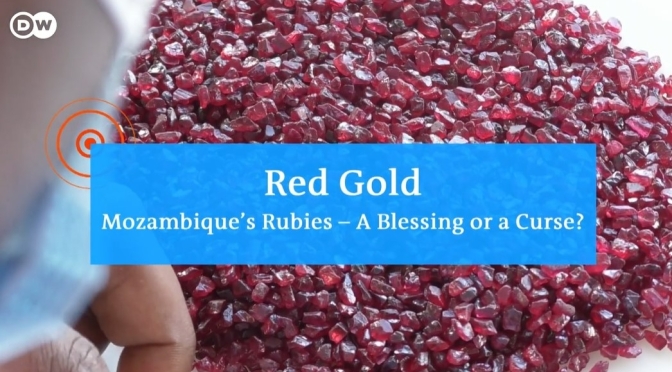
Mozambique Views: Will Ruby Mining Improve Lives?
Rubies are increasingly prized on the international gemstone market. The world’s largest ruby mine is in northern Mozambique, where thousands of people are fleeing extremist militias. Can the lucrative business improve the lives of the people there?
The mine’s executives have a clear-cut position: They say they pay the taxes they owe, and Mozambique’s government should use the money to build schools in the region, ensure security and fight poverty. They say the mine alone can’t provide a livelihood to the entire region. Meanwhile, some residents regularly attempt to enter and mine rubies themselves. In the past, there have been reports of violent confrontations with the mine’s security personnel. Are the rubies a blessing or a curse? A report by Adrian Kriesch.

Firearms: Why AR-15-Style Rifles & Guns Are Surging
Known as a symbol of freedom to its admirers and an assault weapon to its detractors, the AR-15 is one of the most controversial weapons in America. Lightweight and easily customizable AR-15-style weapons have skyrocketed in popularity in recent years taking center stage at gun ranges and shooting competitions across the country.
Chapters: Intro: 0:00–2:17 Chapter 1 America’s rifle: 2:18–5:30 Chapter 2 Gun ownership in America: 5:31–7:35 Chapter 3 Gun-makers: 7:36–9:51 Chapter 4 Gun ads: 9:52–11:55 Chapter 5 Mass shootings: 11:56–16:29
According to the most recent national figures, there are an estimated 393 million civilian-owned firearms in the U.S. And there are about 20 million AR-15-style weapons in the country. Firearm manufacturers have seen revenue surge taking in about $1 billion from the sale of AR-15-style weapons in the past decade.
But the weapons have also been involved in a number of mass shootings. AR-15-style weapons were used at shootings in an elementary school in Uvalde, Texas, a Fourth of July parade in suburban Chicago and a grocery store in upstate New York. Critics argue the weapons are also aggressively marketed by gun companies targeting at-risk young males.
So what is behind the popularity of the AR-15 and what responsibility do gun makers have when their products are used in mass shootings? Watch the video to learn more.
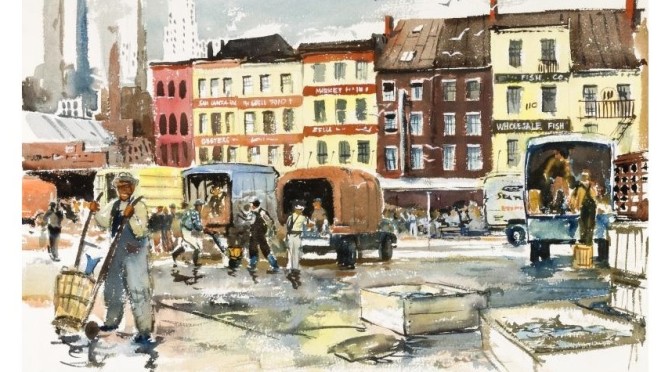
Views: History Of New York’s Fulton Fish Market
The Fulton Fish Market in New York is celebrating its 200th anniversary this year. Jeff Glor goes inside and takes a look at the market’s history.
Opened in 1822, New York City’s Fulton Fish Market is one of the oldest fish markets in the United States. Well before the Brooklyn Bridge was even built, the market at South Street Seaport thrived with fishing boats and fishmongers bartering and bantering over stalls heaving with fresh fish. Each night the colorful market would come to life with its cast of characters, eager chefs and curious tourists, all mingling over bushels of oysters, crates of lobsters and a kaleidoscope of sea creatures from near and far. Perhaps more than any other institution, the Fulton Fish Market captured the spirit and tradition of old New York.
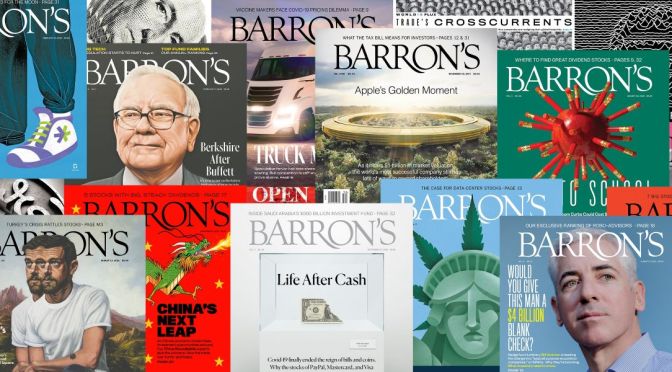
Cover Preview: Barron’s Magazine – August 22, 2022
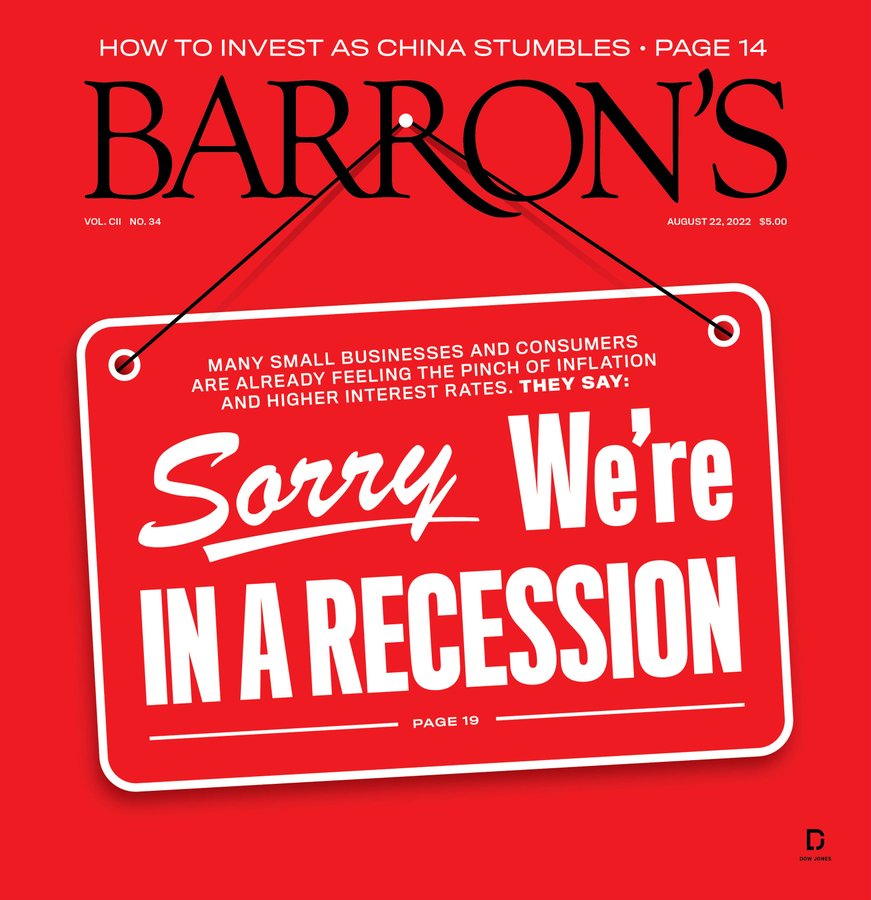
Recession Is Already Here for Many
Despite the market bounce driven by the release of federal oil reserves, small businesses and households are straining under the pressure of still-high inflation, an unbalanced labor market, and dwindling savings.
The Bulls Still Own This Market. But Cracks Are Starting to Show.
Nicholas Jasinski
UP AND DOWN WALL STREET
Oil Prices Have Been Falling. Why It’s Time to Buy Oil Stocks.
Ben Levisohn
UP AND DOWN WALL STREET
The Stock Market Couldn’t Handle the Uncertainty. It Better Learn How.
Ben Levisohn
STREETWISE
Shoppers Are Getting Cheap. The Result Will Be a Trade-Down Economy.
Jack Hough
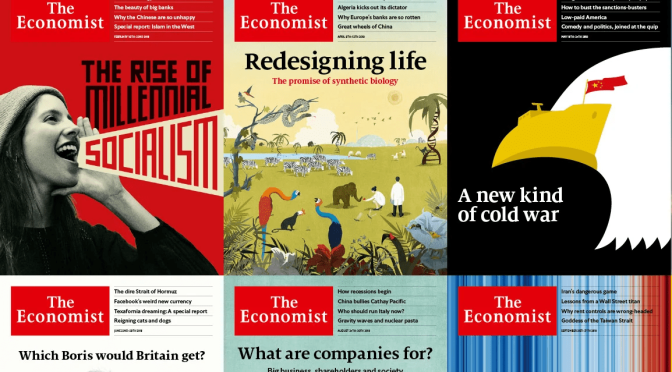
Previews: The Economist Magazine – August 20, 2022
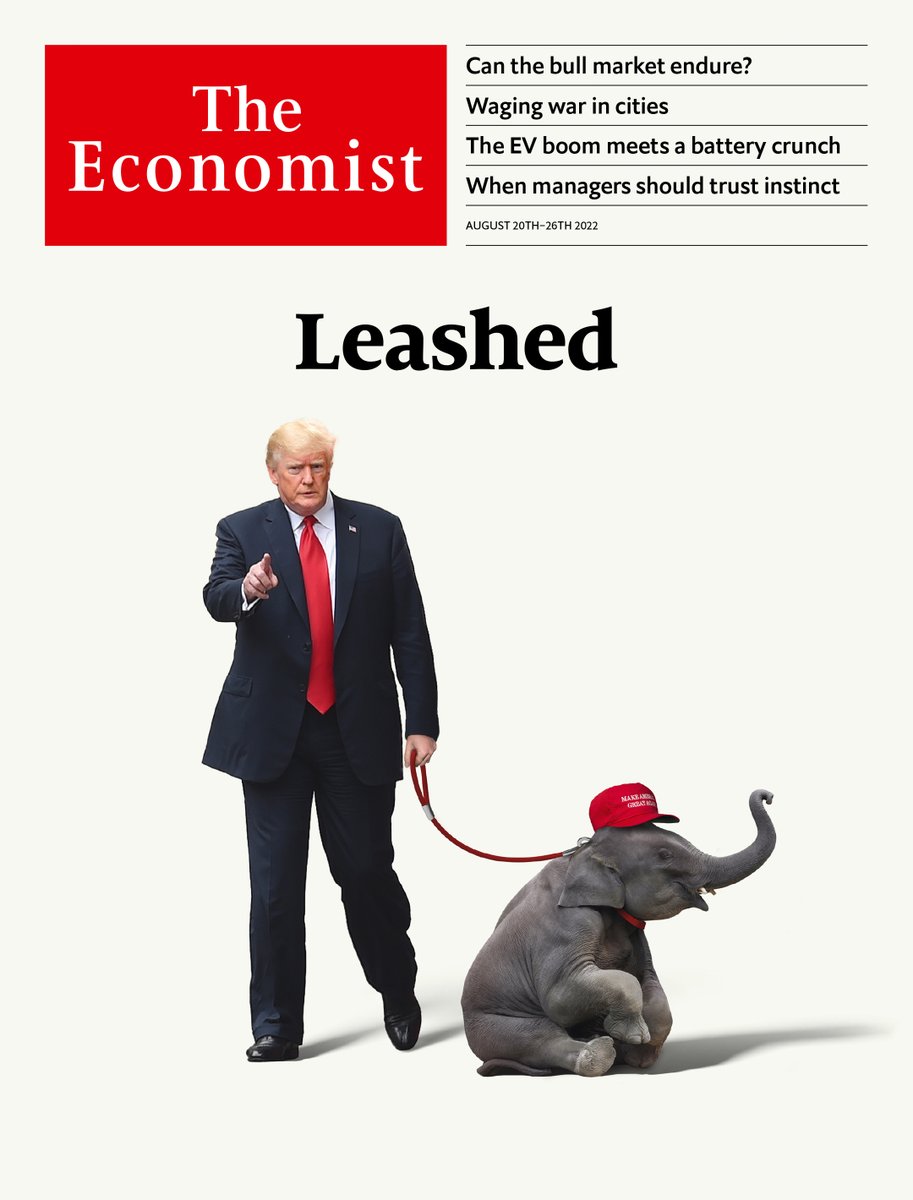
Will Donald Trump run again?
And, if he does, would Republicans pick him as their nominee?
What kind of prime minister will Britain get?
It will be a technocrat who knows what to do, or a politician who knows how to do it
Cover Preview: Barron’s Magazine – August 15, 2022
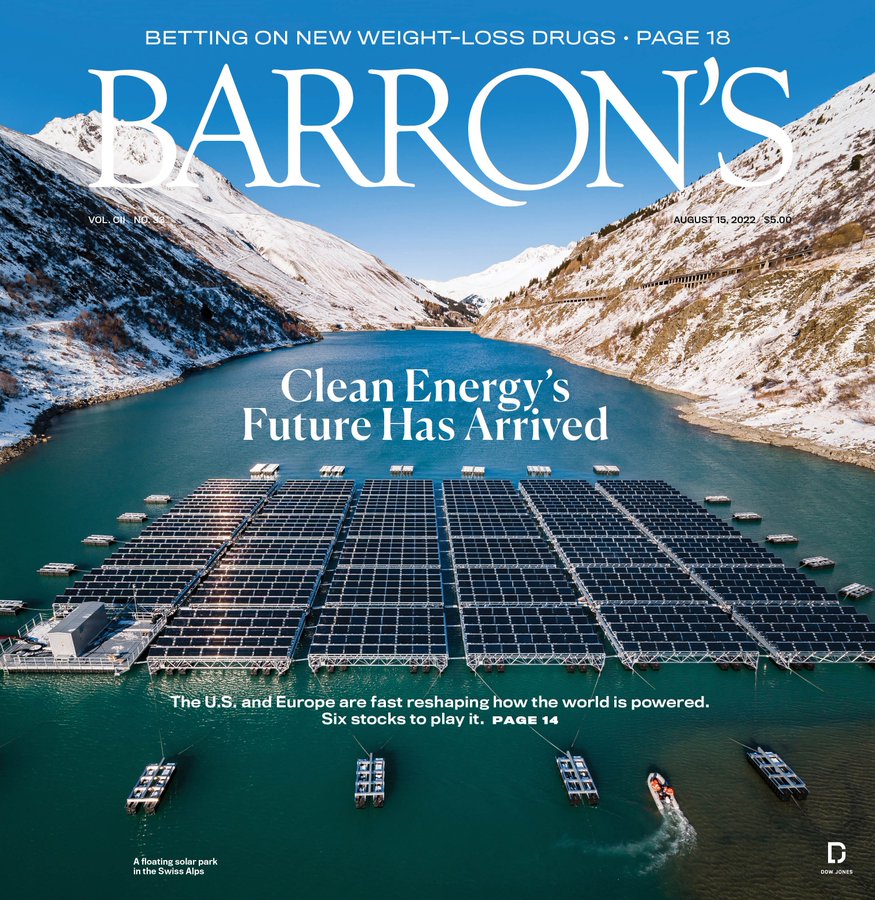
6 Stocks to Play the Big Push Toward Renewable Energy
The U.S. climate bill, along with a parallel initiative in Europe, could reshape global energy. Plug Power, Sunrun, and other companies could make the most of the new opportunities in renewables.
UP AND DOWN WALL STREET
R.I.P., Bear Market. For Now, Signs Point to More Buying.
Andrew Bary
UP AND DOWN WALL STREET
It’s a Good Time to Buy Berkshire Hathaway Stock. Here’s Why.
Andrew Bary
UP AND DOWN WALL STREET
The Best-Run Auto Insurer May Not Be the Best Stock to Buy
Andrew Bary
THE TRADER
Coinbase Is Looking Like a Meme Stock. Watch Out, Shorts.
Joe Light

World Economic Forum: Top Stories Of The Week
World Economic Forum top stories of the week.
Video timeline: 00:16 Stamp-sized stickers that can see inside your body 01:44 Energy Crisis Lessons from Japan 03:21 Waterless toilet 05:09 US Climate Plan
The World Economic Forum is the International Organization for Public-Private Cooperation. The Forum engages the foremost political, business, cultural and other leaders of society to shape global, regional and industry agendas. We believe that progress happens by bringing together people from all walks of life who have the drive and the influence to make positive change.
Preview: The Economist Magazine – August 13, 2022

Target: Taiwan
- The new Germany – Europe’s most important country has woken up
- Target: Taiwan – How to prevent a war between America and China over Taiwan
- Spending the Gulf’s oil wealth – One last chance to splurge
- Britain’s summer of discontent – Almost nothing in the country seems to be working
 Boomers Daily