

As the year comes to a close, we review the best science, the best stories, and the best books from 2019. Our end-of-the-year episode kicks off with Host Sarah Crespi and Online News Editor David Grimm talking about the top online stories on things like human self-domestication, the “wood wide web,” and more.
News Editor Tim Appenzeller joins Sarah to discuss Science’s 2019 Breakthrough of the Year, some of the contenders for breakthrough, also known as runners-up, and a breakdown—when science and politics just didn’t seem to mix this year.
Finally, Science books editor Valerie Thompson brings her favorites from the world of science-inflected media. She and Sarah talk about some of the best books reviewed in Science this year, a food extinction book we should have reviewed, a pair of science-centric films, and even an award-winning birding board game.

 This volume presents a large variety of sophisticated solutions for mini houses in terms of architectural style, construction method and interior design. Whether portable or prefabricated, newly built or reused, rural or urban, they all meet the highest technological and sustainable standards to literally reduce their owners’ ecological footprint.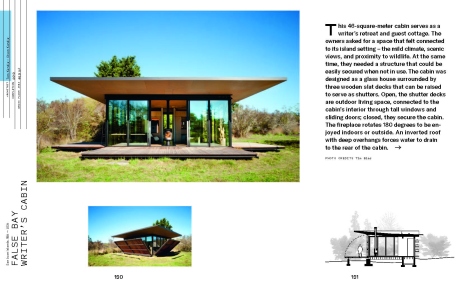

 Shatner takes a comprehensive look at this singular performer, using archival sources and information culled from interviews with friends and colleagues to transport readers through William Shatner’s remarkably bumpy career: his spectacular failures and triumphs; tragedies, including the shocking death of his third wife, Nerine; and, ultimately, the resilience Shatner has shown, time and again, in the face of overwhelming odds. Author Michael Seth Starr unravels the mystery of William Shatner, stripping away the many myths associated with his personal life and his relationships with fellow actors, presenting a no-holds-barred, unvarnished look at the unique career of an inimitable performer.

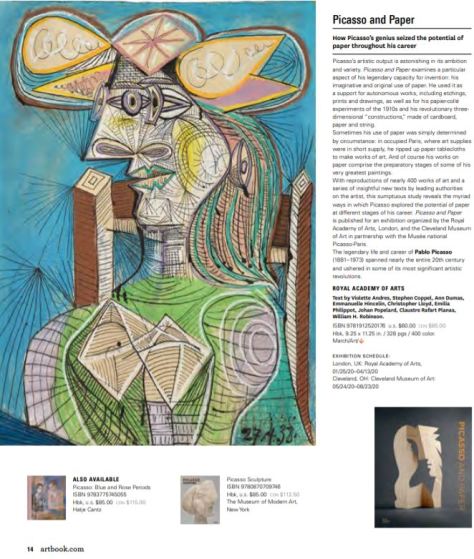
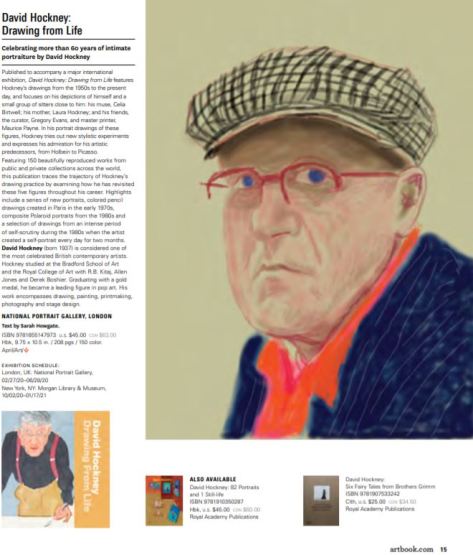
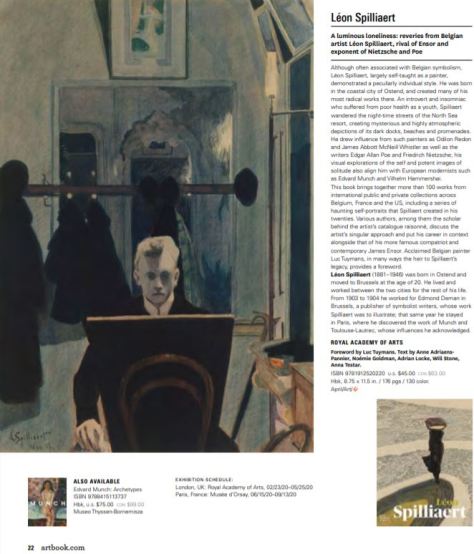

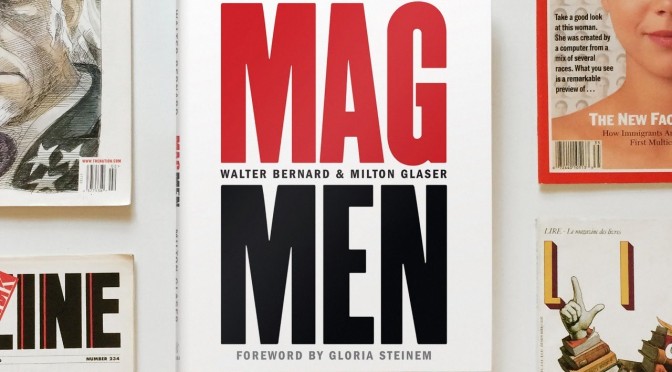
 For more than fifty years, Walter Bernard and Milton Glaser have revolutionized the look of magazine journalism. In Mag Men, Bernard and Glaser recount their storied careers, offering insiders’ perspective on some of the most iconic design work of the twentieth century. The authors look back on and analyze some of their most important and compelling projects, from the creation of New York magazine to redesigns of such publications as Time, Fortune, Paris Match, and The Nation, explaining how their designs complemented a story and shaped the visual identity of a magazine.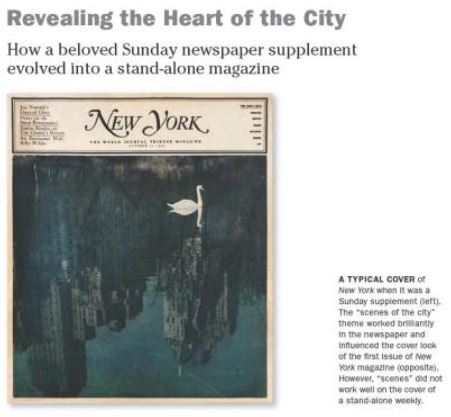
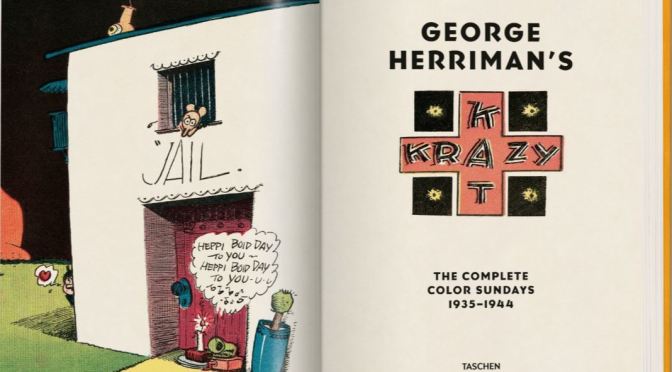
 The premise is simple: a black cat loves scheming a white mouse who incessantly throws bricks at the cat’s head, which police dog Officer Pupp, secretly harboring a passionate love for the cat, tries to prevent.
 Lo—TEK, derived from Traditional Ecological Knowledge, is a cumulative body of multigenerational knowledge, practices, and beliefs, countering the idea that indigenous innovation is primitive and exists isolated from technology. It is sophisticated and designed to sustainably work with complex ecosystems.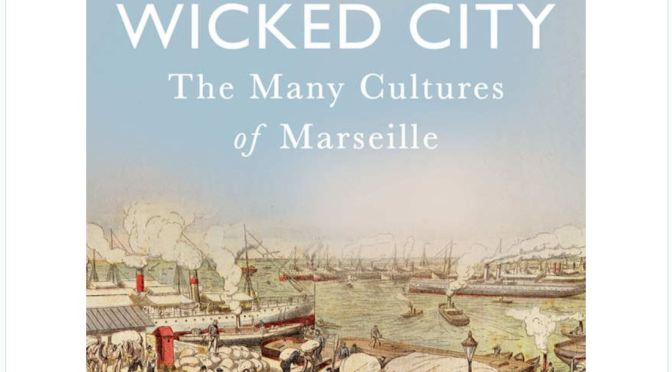
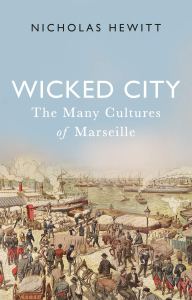 The Toulousain Charles Dantzig wrote, ‘I find the Marseillais tiresome, especially those who, as soon as you speak to them, start to bang on about the uniqueness of being Marseillais, adding with a particular sort of whining machismo that no one likes them and everyone defames them. Their humour is nothing more than pitiable braggadocio.’ Régis Jauffret, who grew up there, is pithier: ‘Marseille is a tragic city. It formed my imagination.’ (It’s an imagination of peerless bleakness.)
 Nicholas Hewitt died in March, less than a month after completing the text of Wicked City. It’s a fine monument to his curiosity, compendious knowledge, resourcefulness and measured enthusiasm. He calls it ‘a series of snapshots’, which is perhaps too modest. If they are snapshots, they have been photoshopped and retouched to accord with his vision of the city and its well-rehearsed mythology of outsiderdom and exceptionalism, edginess and banditry. And his aspiration to explore Marseille’s hold on the ‘nation’s imagination’ is also too modest. The ‘international imagination’ would be more apt.
 Boomers Daily