
Category Archives: Analysis

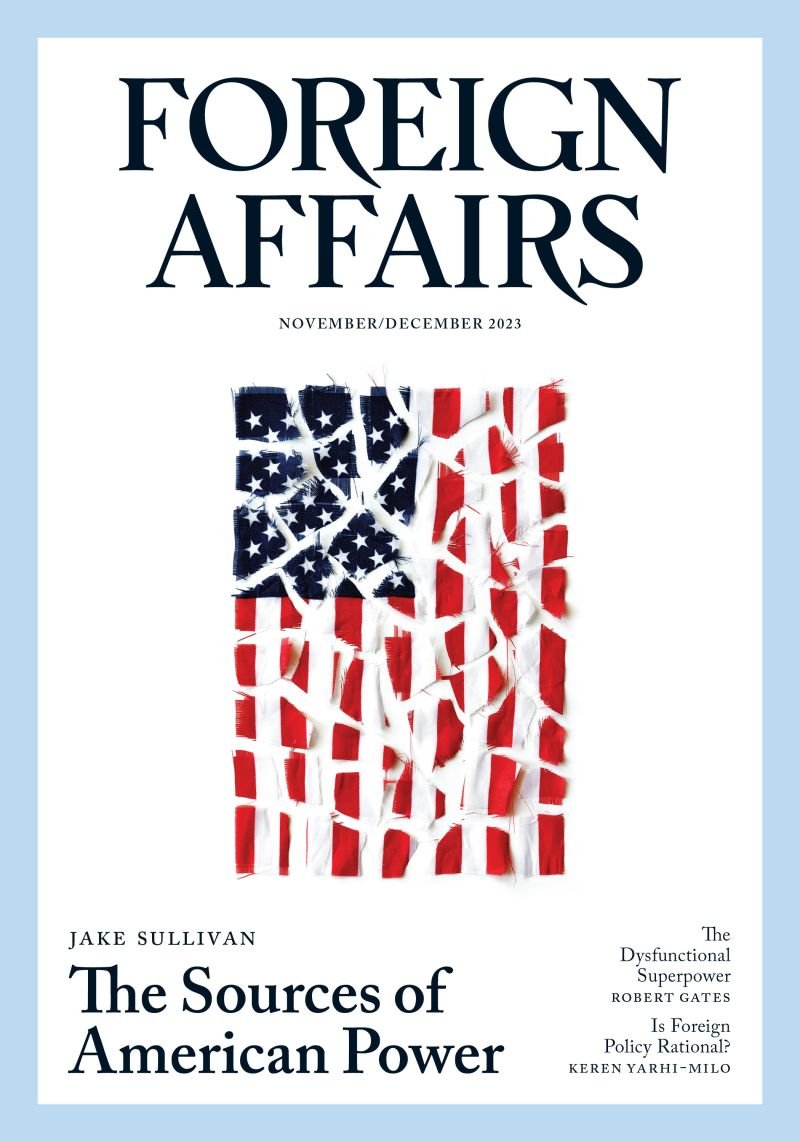
Preview: Foreign Affairs Magazine- NOV/DEC 2023

Image

Foreign Affairs November/December 2023: The new issue features  new essays by today’s leading policymakers and thinkers, including U.S. National Security Adviser Jake Sullivan on the future of American foreign policy, former U.S. Undersecretary of Defense for Policy Michèle Flournoy on how artificial intelligence will transform the military, and scholars Henry Farrell and Abraham Newman on the convergence of economic and national security

The Sources of American Power

A Foreign Policy for a Changed World

By Jake Sullivan

Nothing in world politics is inevitable. The underlying elements of national power, such as demography, geography, and natural resources, matter, but history shows that these are not enough to determine which countries will shape the future. It is the strategic decisions countries make that matter most—how they organize themselves internally, what they invest in, whom they choose to align with and who wants to align with them, which wars they fight, which they deter, and which they avoid.

The Dysfunctional Superpower

Can a Divided America Deter China and Russia?

By Robert M. Gates

The United States now confronts graver threats to its security than it has in decades, perhaps ever. Never before has it faced four allied antagonists at the same time—Russia, China, North Korea, and Iran—whose collective nuclear arsenal could within a few years be nearly double the size of its own. Not since the Korean War has the United States had to contend with powerful military rivals in both Europe and Asia. And no one alive can remember a time when an adversary had as much economic, scientific, technological, and military power as China does today.
Opinion: Only America Can Save Israel, Elections In Poland, Surge In Bedbugs

‘Editor’s Picks’ Podcast (October 23, 2023) A selection of three essential articles read aloud from the latest issue of The Economist. This week, why only America can save Israel and Gaza from a greater catastrophe. Also, the recent election in Poland offers a lesson in how to push back on populism (10:30) and the resurgence of bedbugs, beyond the hype (16:00).

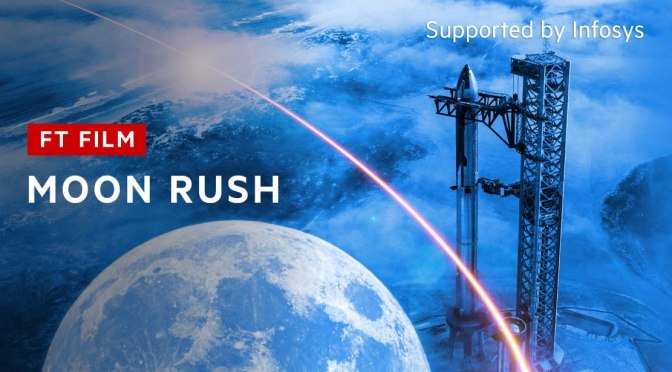
Moon Missions: Launch Of The New ‘Lunar Economy’

Financial Times (October 18, 2023) – The rush back to the Moon has begun. The US and China are planning permanently crewed bases on the lunar surface. Billions of dollars in contracts are up for grabs as companies are launching ambitious new support projects, from growing food in space to a new lunar internet.

The FT’s Peggy Hollinger asks if the next great leap forward in space is a lunar economy?

#space #moon #spaceexploration

Opinion: Israel’s Agony & Retribution, Green Policy Recoil, 2-Day Workweeks

‘Editor’s Picks’ Podcast (October 16, 2023) A selection of three articles read aloud from the latest issue of The Economist. This week, will Israel’s agony and retribution end in chaos or stability? Also, the backlash against green policies (09:58) and a disastrous workplace experiment (16:15).

Analysis: How Powerful Is Hamas? (The Economist)

The Economist (October 13, 2023) – On October 7th Hamas fighters launched a surprise attack on Israel and slaughtered more than 1,300 people, mostly civilians. What is Hamas and how powerful is it?

Video timeline: 00:00 – What is Hamas? 00:55 – Hamas’s control of Gaza 01:18 – Growth of Hamas military capacity 01:32 – The latest attack on Israel

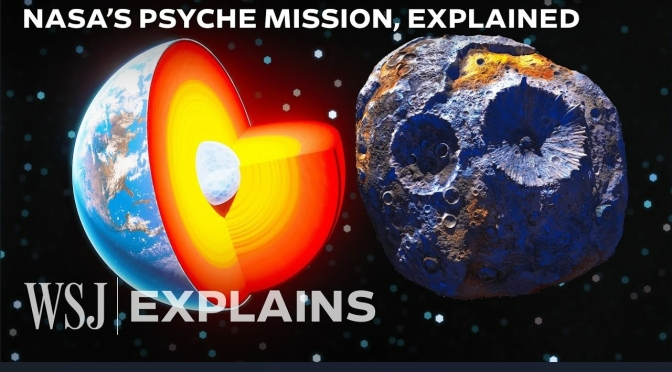
Space: NASA’s $1 Billion Metal Asteroid Mission

Wall Street Journal (October 13, 2023) – NASA launched a spacecraft on Friday to study the Psyche asteroid, which is believed to be made out of metal.

Video timeline: 0:00 NASA’s mission 0:46 The psyche asteroid 1:45 Why metal matters 3:04 What we can learn from the mission

The rocky inner planets of our solar system are thought to have mostly metallic cores. WSJ breaks down why this mission matters and what it could tell us about Earth’s origins.

Opinion: Free Markets Are Fading, Democracy Dims In Africa, Bitcoin Origins

‘Editor’s Picks’ Podcast (October 9, 2023) A selection of three essential articles read aloud from the latest issue of The Economist. This week, are free markets history? Also, why Africans are losing faith in democracy (10:25) and we investigate whether bitcoin originally leaked from an American spy lab? (17:25)

Special Report: ‘Homeland Economics’ (October 2023)

Special reports: Homeland Economics

The Economist SPECIAL REPORTS (OCTOBER 7TH 2023):

Homeland Economics

Governments across the world are rediscovering industrial policy. They are making a big mistake, argues Callum Williams

Opinion: An Antidote To Aging, A Bigger And Better EU, Japan’s ‘Toilet’ Culture

‘Editor’s Picks’ Podcast (October 2, 2023) A selection of three essential articles read aloud from the latest issue of The Economist. This week, the search for the antidote to ageing, why a bigger EU is a better EU (11:30), and Japan’s world-leading toilet culture (25:30).

Essay: The Dysfunctional Superpower – Can America Deter China And Russia?

“Xi’s sense of personal destiny entails significant risk of war…”

Foreign Affairs (September 29, 2023): The United States now confronts graver threats to its security than it has in decades, perhaps ever. Never before has it faced four allied antagonists at the same time—Russia, China, North Korea, and Iran—whose collective nuclear arsenal could within a few years be nearly double the size of its own. Not since the Korean War has the United States had to contend with powerful military rivals in both Europe and Asia. And no one alive can remember a time when an adversary had as much economic, scientific, technological, and military power as China does today.

The problem, however, is that at the very moment that events demand a strong and coherent response from the United States, the country cannot provide one. Its fractured political leadership—Republican and Democratic, in the White House and in Congress—has failed to convince enough Americans that developments in China and Russia matter. Political leaders have failed to explain how the threats posed by these countries are interconnected. They have failed to articulate a long-term strategy to ensure that the United States, and democratic values more broadly, will prevail.

READ MORE