

From a AnselAdams.com online release:
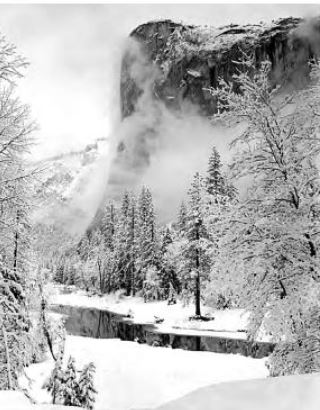 Making the Special Edition Photographs is an assignment I continue to this day, with Ansel’s vision and standards always in mind as I work. The prints are still made directly from Ansel’s negatives and in the “traditional” way: in a wet darkroom with amber safelights, chemicals and running water. The prints are still silver-gelatin prints, meaning that the image-forming element is literally metallic silver. Precious.
And after nearly 40 years, I can honestly say that I never tire of seeing these images come up in the developing tray. It’s an honor and privilege to play a small part in continuing Ansel’s legacy.
This collection, entitled the Yosemite Special Edition Photographs, proved immensely popular and over the years, Ansel added more images to the set until the total was capped at 30 at the time of his passing in 1984.
Today, Best’s Studio is known as the Ansel Adams Gallery, and continues as a family-run business. Ansel’s Special Edition Photographs of Yosemite are a mainstay of the Gallery’s offerings and heritage. Each print is still made by hand directly from Ansel’s original negatives, using his approach and methodology to ensure strict adherence to his standards and aesthetic.
To read more: http://anseladams.com/ansel-adams-yosemite-special-edition-photographs/


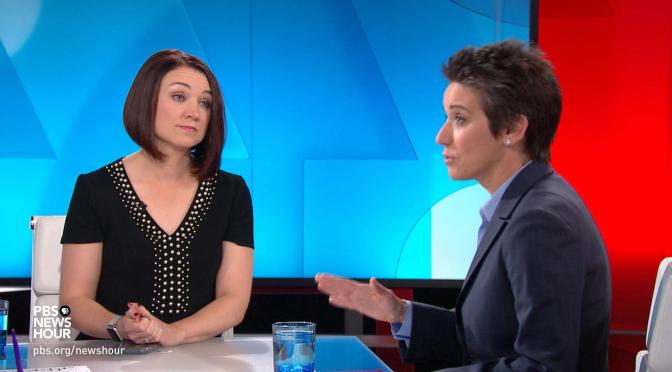
 NPR’s Tamara Keith and Amy Walter of the Cook Political Report join Judy Woodruff to discuss the latest political news, including what the death of ISIS leader al-Baghdadi means for President Trump and how the impeachment inquiry might shift after the House takes a formal vote on it this week.
 The tool is simply called Preventive Health, and is now available to Facebook users in the United States. It takes a user’s age and sex from their Facebook profile and provides them with a list of recommended screenings based on those two data points.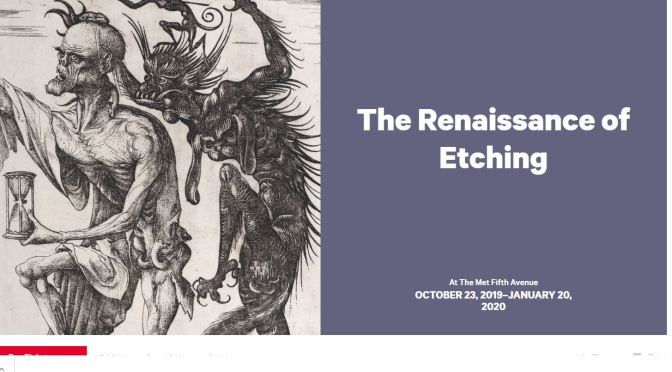
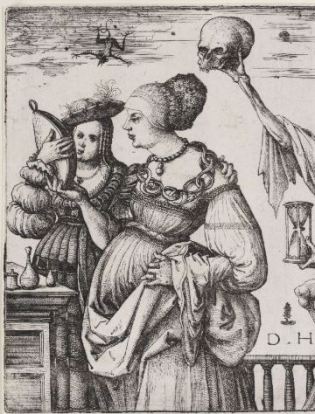 This exhibition traces the first sixty years of the etched print (circa 1490 to circa 1560), from its emergence in the workshop of the German printmaker and armor decorator Daniel Hopfer to the years when a range of artists from Germany, Flanders, Italy, and France began experimenting with etching. Approximately 125 etchings, produced by both renowned and lesser-known artists, are displayed alongside a number of drawings, printing plates, illustrated books, and armor.
 First place prize awarded to MapHabit: This mobile software provides behavior prompts with customizable picture and keyword visual maps to assist memory-impaired people with accomplishing activities of daily living. The care management platform employs different interfaces depending on whether the user is a person with impaired memory, caregiver or long-term care community manager. Caregivers can monitor adherence to medication schedules or track other activities.


 A new
A new 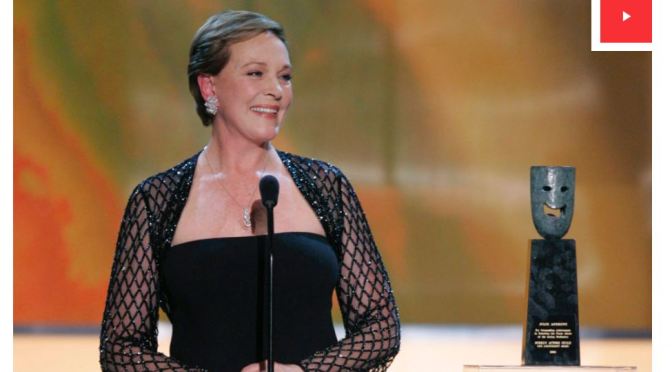
 Legendary entertainer Julie Andrews will receive the American Film Institute’s lifetime achievement award in 2020. In addition to her theatrical career, Andrews has published more than 30 children’s books with one of her daughters, writer and arts educator Emma Walton Hamilton. John Yang sits down with Andrews and Hamilton to discuss how the star focused on family even during her Hollywood heyday.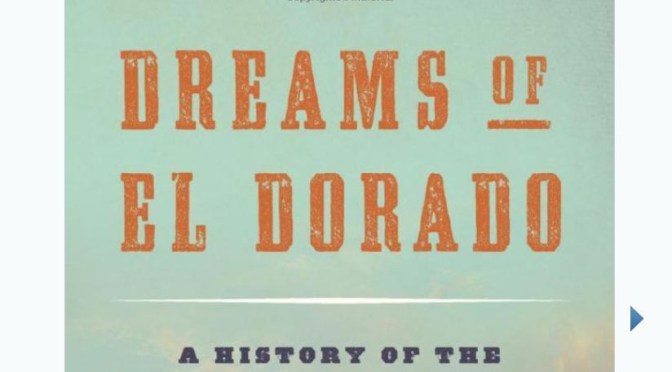
 The so-called winning of the West is one of the fundamental dramas in American history, and Mr. Brands makes the most of his subject by quoting extensively from the participants’ own accounts. In his chapters on Lewis and Clark, he cites the explorers’ descriptions of the daunting cataracts on the Missouri and Columbia rivers and their reaction on reaching their goal.
  Boomers Daily